REVIEW · SYRACUSE
Cooking class at a Cesarina’s home with tasting in Siracusa
Book on Viator →Operated by Cesarine: Cooking Class · Bookable on Viator
Three hours in a real Sicilian kitchen.
In Syracuse, this private Cesarina class teaches you three regional dishes using fresh, seasonal ingredients, right in your host’s home, with instruction in English.
I especially like the hands-on attention you get from your host in a small, homey setup. You also end up eating what you make, with a glass of local wine. One thing to consider: the experience quality can depend a lot on your specific host and how smoothly recipes and ingredients match expectations, so read the details carefully when you book.
In This Review
- Key Points You Should Know Before You Go
- A Syracuse Home Kitchen, Not a Demo Room
- What the private format means for you
- What You’ll Cook: Starter, Regional Pasta, and a Typical Dessert
- Starter: seasonal and built around what’s fresh
- Main: regional pasta (often with a local twist)
- Dessert: almond paste or another typical Sicilian sweet
- A Typical 3-Hour Flow (And How to Enjoy It)
- 1) Welcome, then prep the station
- 2) Starter first: quick wins
- 3) Pasta lessons: dough, shaping, and sauce logic
- 4) Dessert last: the payoff moment
- 5) Eat your meal with wine
- What Makes the Teaching Special (When It Works Well)
- Why this matters more than it sounds
- Value and Price: Is $174.69 Worth It?
- The one value-risk to understand
- Logistics That Actually Matter: Location, Parking, and Getting There
- Health and Safety: What the Home Provides
- Who This Class Is Best For (And Who Might Want to Skip It)
- Should You Book This Cesarina Class in Syracuse?
- FAQ
- How long is the cooking class in Syracuse?
- Is this class private?
- Where does the experience take place?
- What dishes will I make?
- Is wine included?
- Is the class offered in English?
- Is it near public transportation?
- Do I get confirmation after booking?
- What is the cancellation policy?
- How do I receive my ticket?
Key Points You Should Know Before You Go
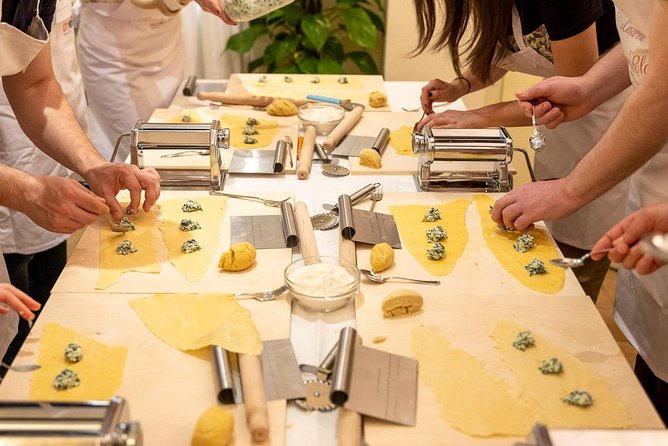
- Private, home-based teaching: only your group cooks together, in a real kitchen, not a demo room.
- Three-course Sicilian focus: starter, regional pasta, and a typical dessert (often almond-based).
- Wine comes with the meal: you taste your work while everything is still fresh.
- Seasonal ingredients are the point: you’re working with what makes sense for the moment in Sicily.
- English instruction: helpful if your Italian is more limited than your appetite.
A Syracuse Home Kitchen, Not a Demo Room
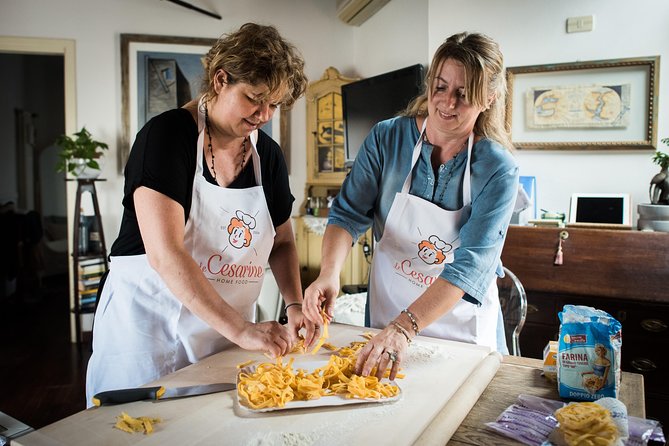
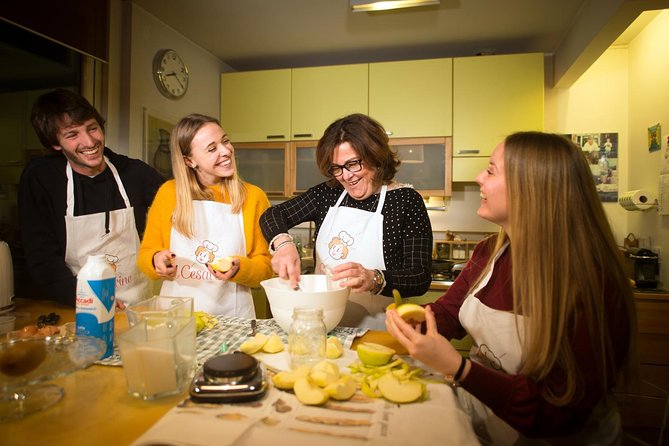
This is the kind of cooking class you take when you want more than a show. You’re stepping into a Cesarina’s home, where cooking isn’t staged. It’s practical. Messy in the best way. And it feels natural to ask questions because your host is right there with you.
Syracuse is a great base for this because Sicilian food here has a strong local personality. Even if the exact pasta shape or sauce name changes, the focus stays the same: regional methods, familiar flavors, and ingredients that taste like they belong to the island.
You can also read our reviews of more tours and experiences in Syracuse.

What the private format means for you
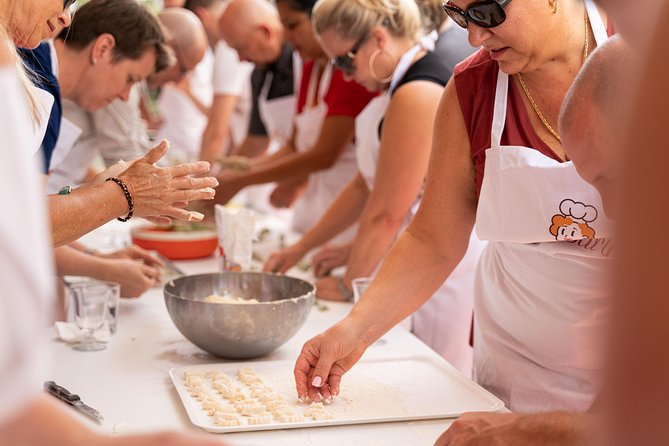
Because it’s private, you get time to do the steps yourself instead of watching someone else. That’s where value shows up. In a studio class, you might get a quick turn with dough. Here, you’re more likely to learn the process end-to-end—kneading, shaping, building the sauce, and finishing the plate.
What You’ll Cook: Starter, Regional Pasta, and a Typical Dessert
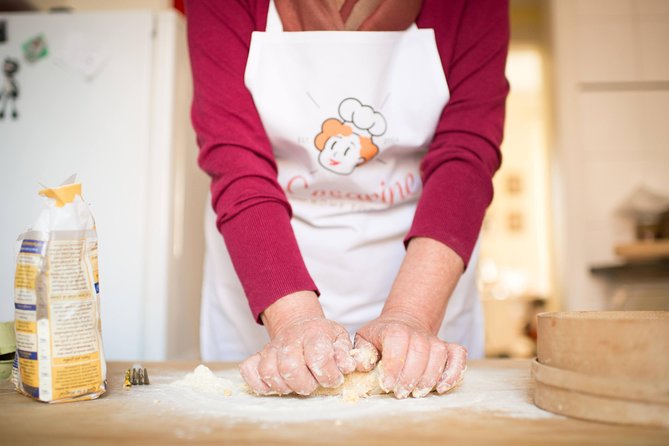
The core structure is simple: you’ll make a seasonal starter, a regional pasta dish, and a typical dessert. The sample menu gives you the idea, but your actual dishes can shift a bit based on what’s best that day.
Starter: seasonal and built around what’s fresh
Expect something that reflects Sicilian tastes and what’s available locally. In this part of the meal, you’ll often learn small flavor lessons—how to balance acidity, salt, and herbs, and how to keep things from getting heavy.
Main: regional pasta (often with a local twist)
You’re set up for pasta alla Siracusana or pasta alla Carrittera, or a similar regional pasta. This is the heart of the lesson because pasta work teaches you timing and technique. Even if you’ve cooked pasta before, making it in a structured lesson helps you understand what “right” looks like—dough texture, thickness, and how the sauce should cling.
In past classes, hosts have also worked in Sicilian pesto and other local-style preparations. Don’t worry if your version sounds slightly different from someone else’s story; the big takeaway is learning how the flavor system works, not just memorizing a single recipe.
Dessert: almond paste or another typical Sicilian sweet
The sample dessert points to almond paste (or something similar). That matters because Sicilian desserts often lean nutty, aromatic, and not overly complicated—sweetness with structure. You’ll typically get to see how the filling or base sets and how to finish it so it’s not just good on the day you make it.
A Typical 3-Hour Flow (And How to Enjoy It)
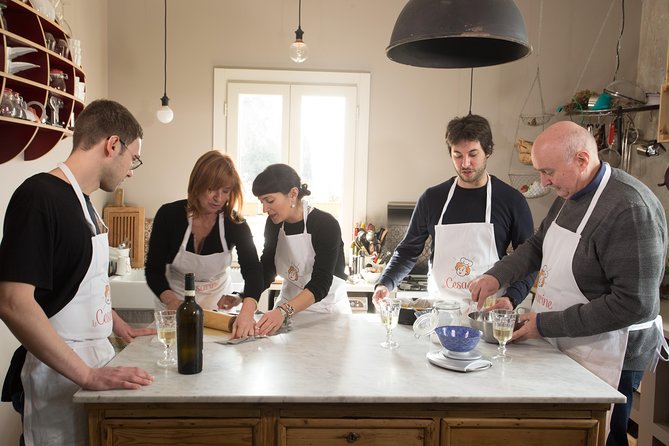
This class runs about 3 hours. That’s a sweet spot: long enough to learn real steps, short enough that you’re not exhausted before you eat.
Here’s what the flow usually feels like:
1) Welcome, then prep the station
You’ll meet your host at the starting point in Syracuse, and the class stays in that area before heading back to the meeting point at the end. Many hosts greet you warmly and get you settled with small bites and drinks while you start.
Practical tip: wear something you can get flour on. Even if you think you’ll be careful, you’ll end up with at least a little dust on your sleeves.
2) Starter first: quick wins
You start with the starter so you get momentum right away. This also teaches you how Sicilians build a meal: you don’t just jump to pasta and hope for the best. You learn how flavors connect across courses.
3) Pasta lessons: dough, shaping, and sauce logic
This is where the class earns its name. You’ll typically work the dough and make your pasta portion—rolling, shaping, and finishing. Hosts often explain texture cues so you can adjust when dough feels different than expected.
Then sauce comes in. Pay attention to what your host focuses on: seasoning balance, how long ingredients cook, and what to do when sauce feels too thick or too thin. Those are the skills you’ll reuse at home.
4) Dessert last: the payoff moment
Dessert is usually faster to execute than pasta, but it’s not mindless. Almond-based desserts can be especially sensitive to timing and consistency, so your host’s guidance matters.
5) Eat your meal with wine
This is a tasting meal, not a take-a-photo-and-leave situation. You’ll sit down and enjoy what you made, with a glass of local wine. The best part is that you can actually taste the steps you practiced—straight from your own hands to the plate.
What Makes the Teaching Special (When It Works Well)
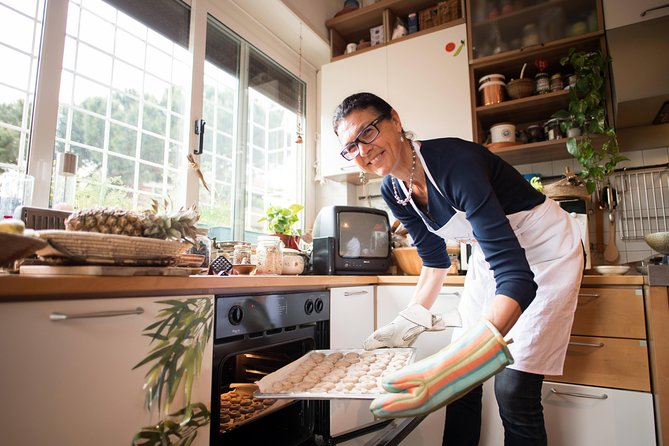
The strongest praise for these classes centers on host attention and the feeling of being welcomed into a family-style environment. You’re not shuffled through. You’re coached. Often, a host’s family members are nearby, and the overall vibe can be warm, casual, and genuinely Sicilian.
One name that shows up often in class feedback is Maria Rita, who’s praised for being a strong teacher and for showing guests how to make pasta with confidence. Other instructors like Eva and Gilda are also highlighted for friendliness, smooth handling for mixed cooking levels, and clear explanations.
Why this matters more than it sounds
A cooking class is only worth it if you can translate what you learn into your own kitchen. The best hosts help you with technique and reasoning, not just steps.
So when your host explains texture or timing, that’s your real “souvenir.” The recipes are nice. But the skill is what makes you cook again after the trip.
Value and Price: Is $174.69 Worth It?
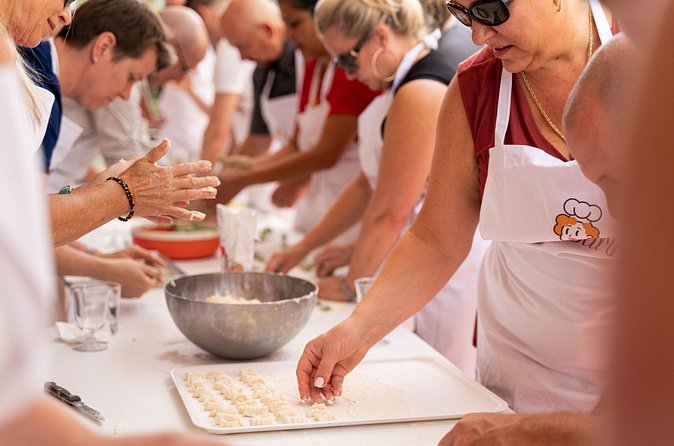
At about $174.69 per person for roughly 3 hours, you’re paying for four big things:
- Private, at-home instruction (not a group demo in a commercial space)
- Three-course food, including wine
- Local, regional focus (pasta styles tied to Syracuse)
- A host who manages the experience in real time
If you’re the kind of traveler who loves learning, that value can make sense fast. You’re essentially buying a guided meal plus a skills class, and you’re doing it where locals cook day-to-day.
The one value-risk to understand
Some guests found specific elements didn’t match expectations—like using prepared components rather than fully homemade versions, or issues with recipe delivery after the class. That doesn’t happen to everyone, but it’s a reminder: for a premium-priced experience, consistency matters.
If you want to maximize value, plan to ask upfront about what’s homemade versus prepared, and confirm how recipes are shared.
Logistics That Actually Matter: Location, Parking, and Getting There
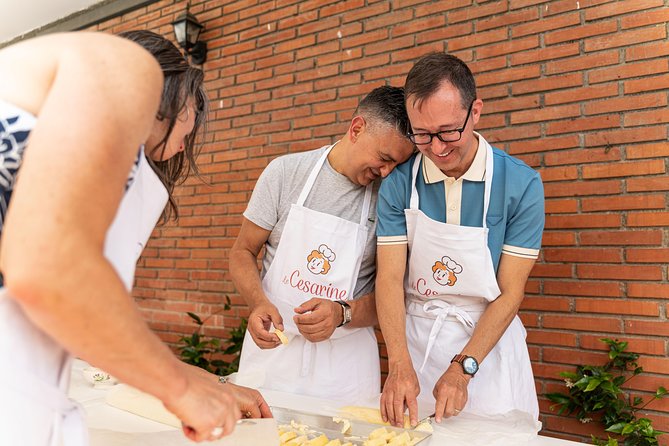
This activity starts in Syracuse and ends back at the meeting point. It’s also described as being near public transportation, which helps if you’re not driving.
Parking can be tricky in residential areas, and at least one class experience flagged difficult parking close to the home. So if you’re renting a car, leave extra time and consider parking once, then walking the last stretch.
Also remember: the class is in a home, so you may be dealing with stairs, narrow entryways, or a kitchen that’s tight by design. That’s normal—and part of why it feels authentic.
Health and Safety: What the Home Provides
This class follows sanitary precautions and your host provides essential supplies like hand sanitizing gel and paper towels. The guidance emphasizes staying 1 meter apart when possible, and wearing masks and gloves if you can’t keep distance.
In practical terms, this means the space is being managed carefully. Still, treat the kitchen as what it is: a busy place with shared tools and surfaces, so wash or sanitize when offered and follow your host’s instructions.
Who This Class Is Best For (And Who Might Want to Skip It)
This is ideal if you:
- want a Syracuse cooking class experience with hands-on learning
- enjoy regional Sicilian flavors and pasta technique
- like the idea of eating a meal you helped create
- prefer a private setting where your questions get answered
It might be less ideal if you:
- want a strict, identical menu every time (this can vary)
- are extremely focused on every single component being homemade
- dislike classes where recipes are shared later in digital form rather than immediately on paper (some guests reported issues with this)
If you’re traveling with a friend, a parent-child duo, or a small group, the private setup can make it feel like a shared evening, not an activity you rushed through.
Should You Book This Cesarina Class in Syracuse?
I’d book it if you want a real home-cooked Sicilian experience with three-course structure, strong host interaction, and a chance to learn regional pasta technique. The overall rating is high, and the most repeated praise is about warmth, teaching, and how memorable the meal becomes once you sit down to eat it.
I’d think twice if you’re buying strictly for a guaranteed exact menu or you’re relying on perfect recipe handouts after the class. In a premium-priced private experience, it’s smart to go in with realistic expectations: be ready for a home kitchen rhythm, ask questions about any ingredients that might vary, and enjoy the fact that Sicilian cooking is often personal and seasonal.
FAQ
How long is the cooking class in Syracuse?
It lasts about 3 hours.
Is this class private?
Yes. It’s a private tour/activity, and only your group will participate.
Where does the experience take place?
It starts in Syracuse, Province of Syracuse, Sicily, and ends back at the meeting point.
What dishes will I make?
The sample menu includes a seasonal starter, a regional pasta (such as Pasta alla Siracusana or Pasta alla Carrittera or similar), and a typical dessert such as almond paste or a similar typical dessert.
Is wine included?
Yes. Your meal is accompanied by a glass of local wine.
Is the class offered in English?
Yes, it’s offered in English.
Is it near public transportation?
Yes, the meeting point is described as near public transportation.
Do I get confirmation after booking?
Yes. Confirmation will be received at time of booking.
What is the cancellation policy?
Free cancellation is available. You can cancel up to 24 hours in advance for a full refund.
How do I receive my ticket?
You’ll get a mobile ticket.