REVIEW · SYRACUSE
Syracuse: Traditional Cooking Class & Ancient Market Visit
Book on GetYourGuide →Operated by Empeeria · Bookable on GetYourGuide
Sicily tastes better with a shopping list. This Syracuse class pairs a walk through the Ortygia street market with a hands-on cooking session led by a local chef, then ends with the lunch you made. I love the chef-led market shopping (think ingredient picking and quick tastings) and the small group feel where you actually get to cook. One note to plan around: the Ortygia market is closed on Sunday, so the experience adapts if your date falls then.
The vibe is simple and practical: you meet at Piazza Pancali, shop for what the day offers, then head to the kitchen to turn those ingredients into classic Sicilian dishes. If you like food that feels local, not generic, this is a great way to spend an afternoon on Ortigia.
In This Review
- Key things to know before you go
- Where You Start in Syracuse: Piazza Pancali and Bar Cristina
- Ortygia Street Market Shopping With a Chef Who Knows Everyone
- What you should look for as you shop
- Sunday reality check
- From Market to Kitchen: How the Class Turns Ingredients Into Meals
- Expect hands-on cooking, not a cooking show
- The chef’s teaching style matters
- Lunch in Syracuse: Eating the Sicilian Dishes You Actually Made
- What’s typically on the table
- Practical tip: save room, but pace yourself
- The Price and Value: What $134.81 Buys You in Real Terms
- Timing, Transfers, and Small-Group Reality (4 Hours)
- Language: you’ll be cooking either way
- Who This Cooking Class Suits Best in Syracuse
- Should You Book Syracuse Traditional Cooking Class & Ancient Market Visit?
- FAQ
- Where do I meet the chef in Syracuse?
- How long is the cooking class and market visit?
- How large is the group?
- Is the Ortygia Street Market always visited?
- What’s included in the price?
- What isn’t included?
- What languages are offered?
- Can I book without paying right away?
- How late can I cancel for a full refund?
Key things to know before you go
- Ortygia street market first: pick produce and seafood with your chef, not just watch from the sidelines.
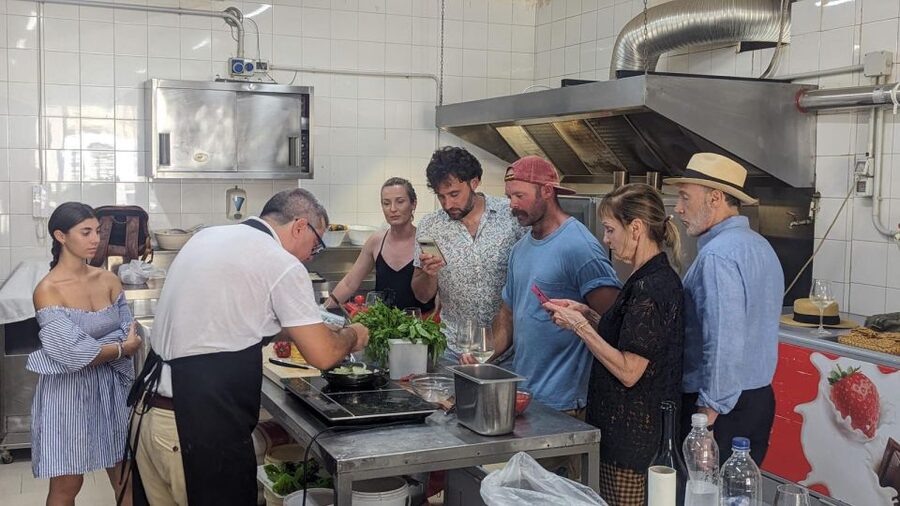
- Techniques you can reuse: expect hands-on cooking like building sauces from real ingredients and shaping fresh pasta.
- Lunch is included and made by you: you’ll eat what you prepare, so you leave with a full stomach and a few skills.
- Small group (up to 8): easier questions, more time at the cutting board, and fewer waiting turns.
- Market hours matter: if Ortygia is closed (Sunday), the chef still guides you to local products.
- Chef-tuned menus: the cooking can shift based on what you like and what looks best at the market.
Where You Start in Syracuse: Piazza Pancali and Bar Cristina
The experience kicks off in Piazza Pancali, Syracusa, at Bar Cristina (Piazza Pancali n° 24). It’s a straightforward start, but the practical tip is this: Bar Cristina is a real-world place with people coming and going, so give yourself a little buffer. One review called out that it can be hard to spot the right person at first glance, so I’d treat this as your “arrive a few minutes early” moment.
From there, the group heads to the Ortygia market area on Ortigia island. And because this is a chef-led tour, you’re not just walking past stalls. You’re going with someone who knows what’s good and how Sicilians think about ingredients.
If you’re pairing this with other sightseeing in Syracuse, plan it as a central activity (not a tiny slot between museums). Food timing matters, and you’ll want the energy to cook and then eat.
You can also read our reviews of more tours and experiences in Syracuse.
Ortygia Street Market Shopping With a Chef Who Knows Everyone
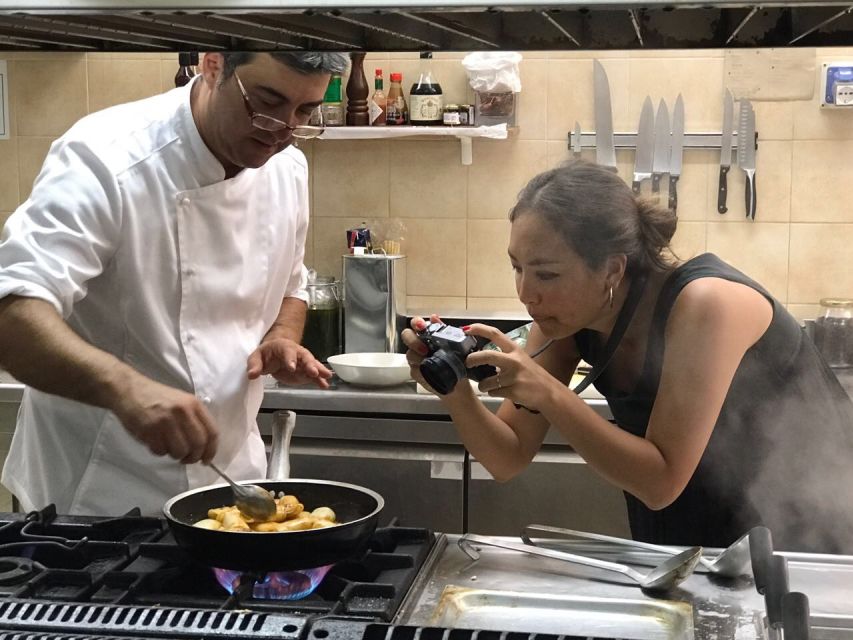
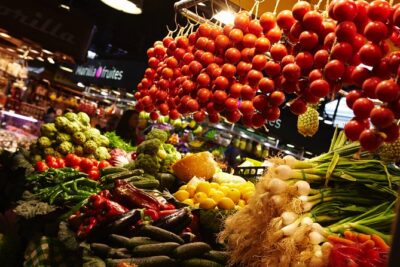
This is the part that makes the class feel different from the usual “cook X dish and call it Sicilian” routine. You’ll follow your chef into the streets of the Ancient Market on Ortigia island, where the market energy is part of the lesson. You’ll see lots of color, hear vendor cries, and smell fresh seafood, citrus, herbs, and spices as you move stall to stall.
What I like most is the way the market walk turns into decisions. The chef helps you choose products based on quality, freshness, and what’s ideal for the dishes you’ll cook later. Some classes include small tastings along the way, and the chef’s connections can make it feel more personal than a typical market stroll.
A chef name that pops up often in past sessions is Ettore, and the theme is consistent: he chats with vendors and points out what’s worth buying. Another name that appears in past experiences is Enzo, with a similar approach of making the market feel welcoming and easy to navigate.
What you should look for as you shop
Even if your chef does the heavy lifting, you’ll get a better experience if you keep an eye on what the market is steering you toward. Watch for:
- Seafood choices if the chef builds a seafood-based menu (you might see items like shrimp, calamari, mussels, tuna, or cuttlefish in past menus).
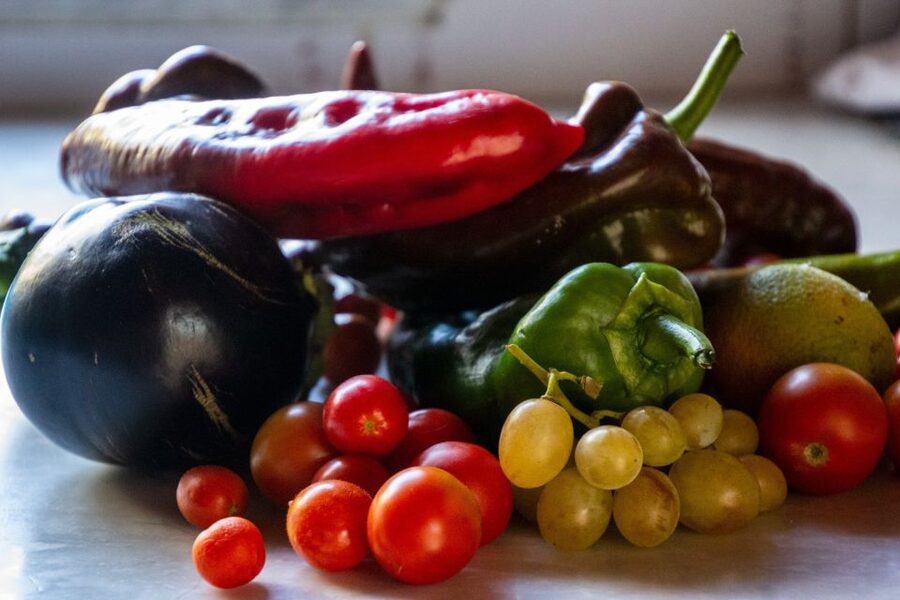
- Produce and flavor base ingredients such as onions, peppers, olives, garlic, and tomatoes.
- Dessert ingredients that often show up in Sicilian sweets like cannoli, fruit-based desserts, or simple salads.
And don’t be shy about preferences. One strong theme in the feedback is that the menu can adapt if you don’t want a certain category (for example, if you’re not big on fish). This is also why a small group matters. You’re not getting stuck with a one-size-fits-all menu.
Sunday reality check
Here’s the key planning consideration: Ortygia market is closed on Sunday, so you can’t count on doing the market walk on that day. The chef will still guide you through local streets on Ortigia to purchase the ingredients, and you’ll still end up cooking and eating lunch. It just won’t be the same full market visit.
From Market to Kitchen: How the Class Turns Ingredients Into Meals
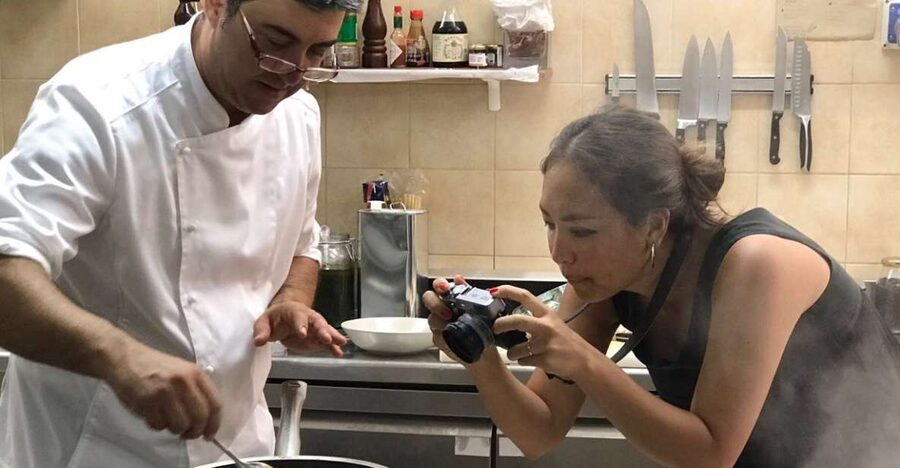
After shopping, you’ll head to the cooking location. Your guide will arrange transfer from the market to the chef’s kitchen if needed, depending on where the chef is set up that day. Past experiences mention cooking spaces such as a restaurant kitchen (including one setting called Cortile Di Bacco) and other local venues, and you may also find cooking methods that include a wood-fired oven.
Expect hands-on cooking, not a cooking show
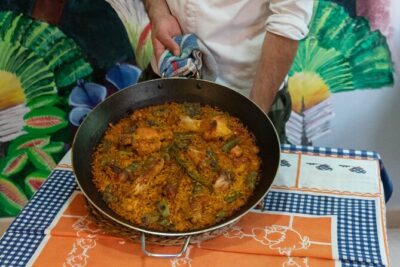
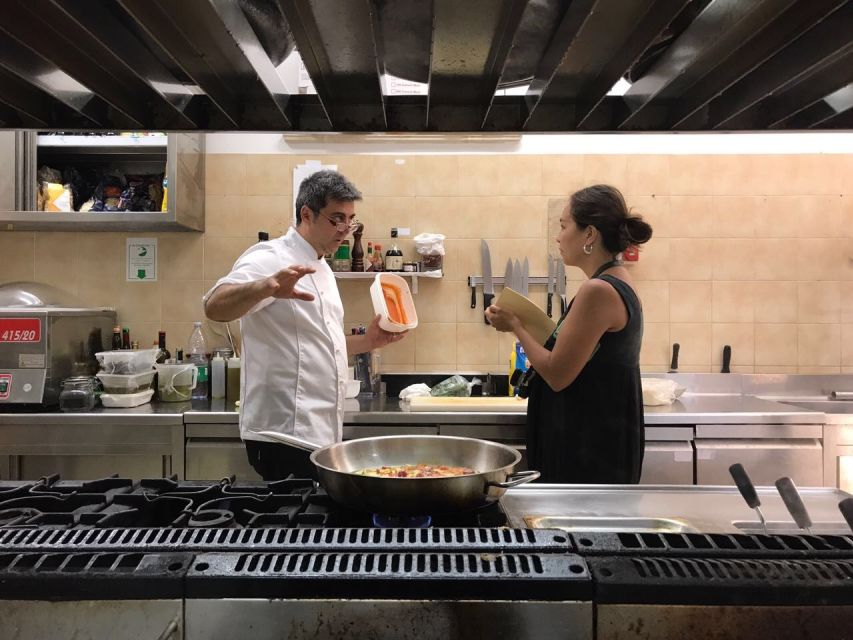
The class is structured so you do real work: prepping, making, assembling, and learning techniques as you go. You’ll likely handle at least two savory components, and in many past sessions the menu includes fresh pasta and Sicilian-style dishes.
From the menus and techniques described in past experiences, these are common patterns:
- Fresh pasta preparation and sauce building, with clear instruction on timing and texture.
- Seafood-forward dishes (like pastas featuring shrimp, calamari, or mussels).
- Meat dishes in some menus (for example, veal involtini shows up in past combinations).
- Sicilian flavor logic: olives, capers, peppers, tomatoes, garlic, and citrus-driven balance.
One technique that gets called out is how chefs build deep flavor by using parts you might otherwise toss (like turning shrimp shells into a sauce base with olive oil). Another recurring wow factor: shortcuts that still taste serious, like learning how to make pasta quickly (one past participant mentioned fresh pasta in about seven minutes).
The chef’s teaching style matters
The best part of this class isn’t just the food. It’s how the chef teaches. In the feedback, Ettore is described as warm, charming, and focused on sharing “secrets,” but in a practical way. You’re not being lectured. You’re being guided.
And because it’s a small group, you can ask questions in the moment:
- What should the sauce look like at each stage?
- How thick should the base be?
- What ingredient choice makes the biggest difference for this dish?
That’s the stuff you’ll remember later when you recreate it at home.
Lunch in Syracuse: Eating the Sicilian Dishes You Actually Made
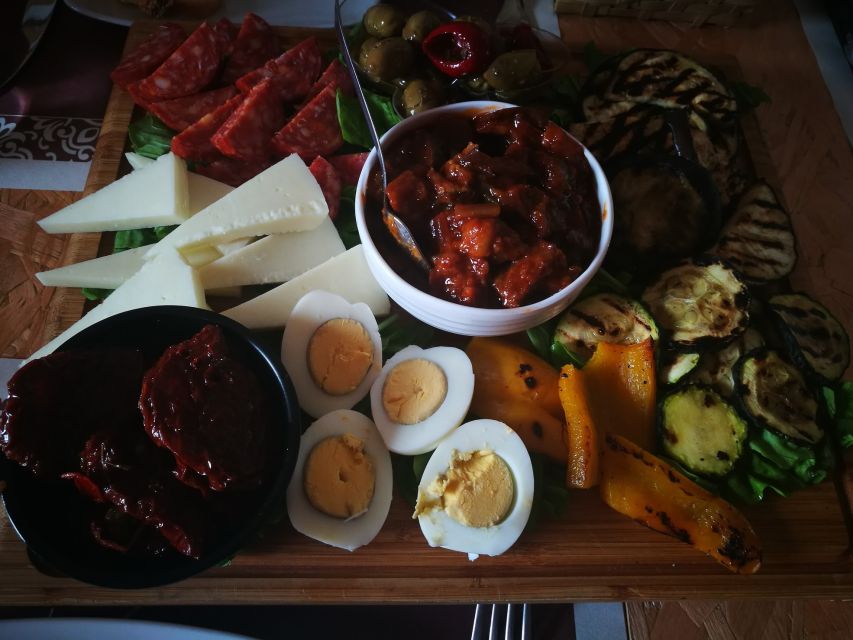
Lunch is included, and it’s not an afterthought. You’ll cook your dishes and then sit down to eat what you made.
One big reason lunch feels special here: it’s connected to the market. The food isn’t just “a menu you ordered.” It’s the direct result of your ingredient picks and your cooking choices. That connection makes every bite more satisfying.
What’s typically on the table
Because menus can vary based on what’s available and what you like, I can’t promise the exact lineup each time. But past sessions frequently include combinations like:
- Two pasta dishes, often one seafood-based and one featuring a classic Sicilian flavor profile (such as pistachio pesto, tuna with peppers and onion, or other herb-and-olive notes).
- A salad (strawberry salad shows up in past menus, which is very Sicilian in spirit: fruit + acidity + freshness).
- A savory main in some runs (veal involtini is one example).
- Dessert, often Sicilian-style, including cannoli or fruit-based sweets like Macedonia-style fruit salad.
And while some experiences mention drinks such as wine or limoncello, the inclusion of food and drinks depends on the menu handled by the chef. The safest way to think about it: your lunch is included, but extra drinks should be treated as part of whatever menu the chef sets for the day.
Practical tip: save room, but pace yourself
This is a full lunch, not a snack. You’ll often eat multiple dishes plus dessert. If you’re also doing a lot of walking around Ortigia afterward, you’ll want to pace your first course, then enjoy the rest.
The Price and Value: What $134.81 Buys You in Real Terms
At $134.81 per person, this isn’t a cheap “just-for-fun” cooking break. But it also isn’t overpriced in a generic way. Here’s what you’re paying for, in concrete terms:
- Chef-guided market time: not just entering a market, but using the chef’s knowledge to pick ingredients worth cooking with.
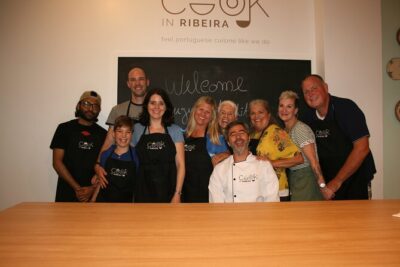
- Hands-on instruction in a small group (up to 8 people). That’s more direct teaching time than big group classes.
- A full meal at the end. Lunch is included, and you eat what you made.
- Transfers when needed: included if the cooking location requires it.
So the value calculation is simple: you’re buying skill-building + a meal + the market experience in one block of time. If you love food markets and want something more authentic than a standard cooking demo, you’ll likely feel it’s worth the price.
If, on the other hand, you only want a quick “taste of Italy” cooking moment, you might prefer a shorter, less hands-on activity. But for a 4-hour afternoon, this one tends to land well for serious eaters and curious cooks.
Timing, Transfers, and Small-Group Reality (4 Hours)
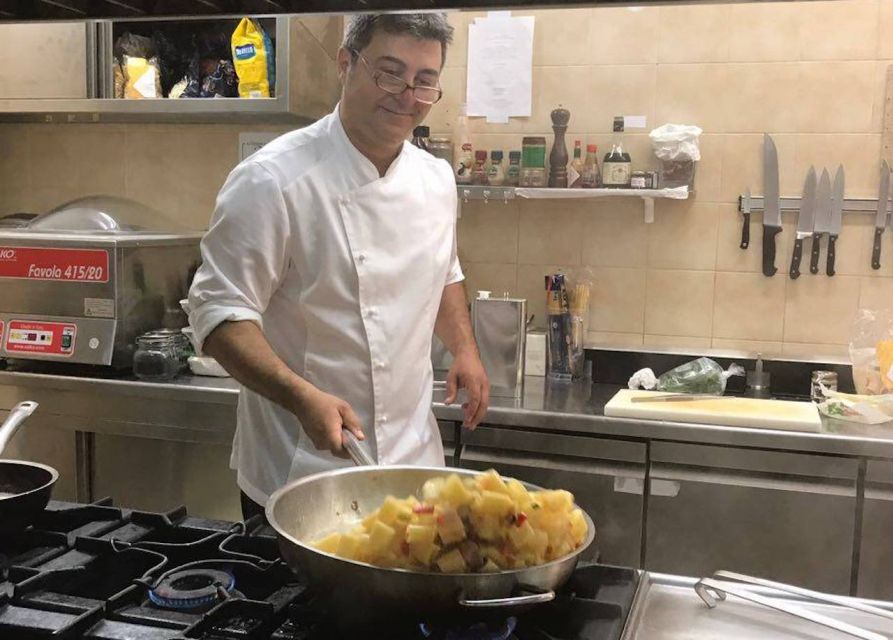
The experience runs for 4 hours. Exact start times depend on availability, so check the schedule before you lock in the rest of your day.
The group is limited to 8 participants, which changes the feel fast. In a group that size, you won’t spend half the time waiting your turn. You’ll get enough interaction to actually learn something you can repeat.
Transfers are included from the market to the kitchen if needed, depending on where the chef is cooking that day. That matters because Ortigia streets can be tight, and moving with a group is smoother when someone handles the logistics.
Language: you’ll be cooking either way
The host or greeter speaks Italian and English. If you’re more comfortable in English, you’re in good shape. And even if you catch fewer words in Italian, cooking has its own language: demonstration, tasting, and hands-on correction.
Who This Cooking Class Suits Best in Syracuse
This class fits best if you want food that feels tied to place. I’d especially recommend it for:
- People who love markets and want the “why” behind ingredient choices.
- Anyone who wants hands-on pasta and sauce skills, not just a plate of food.
- Groups of friends or couples who like a relaxed schedule and a shared meal at the end.
- Food watchers who care about seafood quality, olive-and-pepper flavor profiles, and Sicilian sweets.
It’s also a strong choice if you have dietary preferences, because the chef can tailor the menu to what you like. Past sessions specifically mention accommodating people who weren’t big on fish, and that flexibility is one of the big reasons the class gets such high praise.
If you’re traveling solo and you like small groups, you’ll usually be fine here too. The format encourages conversation. You’re cooking together and eating the results.
Should You Book Syracuse Traditional Cooking Class & Ancient Market Visit?
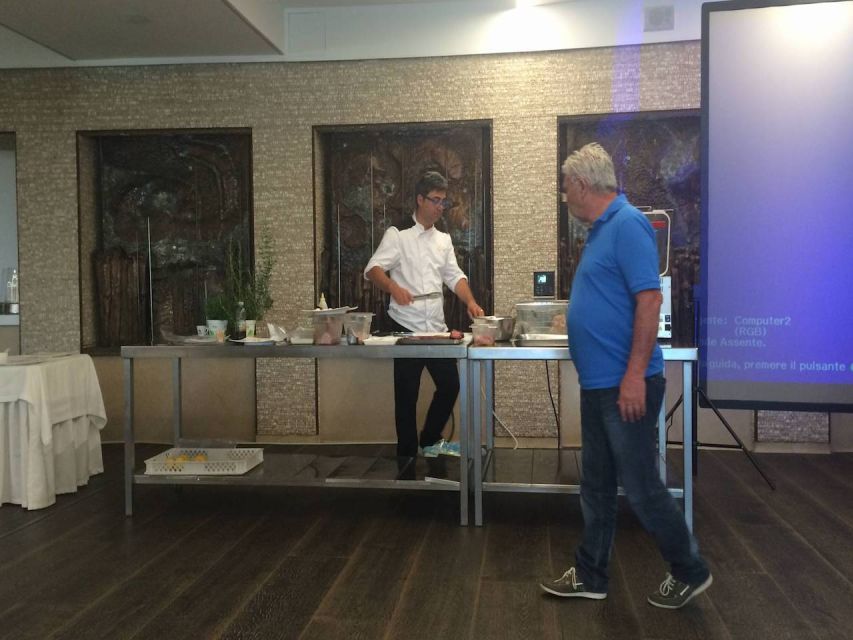
Yes, you should book it if you want a food-centered Syracuse experience that combines Ortygia market ingredient picking with real cooking and a sit-down lunch. The small group size and chef-led shopping are the two things that make the day feel grounded, not scripted.
I’d think twice if:
- You’re only looking for a quick cooking taste and don’t want to spend the afternoon learning.
- Your travel dates are on a Sunday and you specifically want the full Ortygia street market visit. The chef will still guide you to local products, but it won’t be the same market-visit experience.
FAQ
Where do I meet the chef in Syracuse?
You meet in Piazza Pancali, Syracusa at Bar Cristina, at Piazza Pancali n° 24.
How long is the cooking class and market visit?
The experience lasts 4 hours.
How large is the group?
It’s a small group limited to 8 participants.
Is the Ortygia Street Market always visited?
No. The Ortygia Market is closed on Sunday. If it cannot be visited, the chef will guide you through the streets of Ortigia to purchase local products.
What’s included in the price?
Included are a guided visit of the Ortygia Street Market, a local chef, the cooking class, lunch, and a transfer from the market to the cooking class if needed.
What isn’t included?
Monument entrance fees are not included. Also, food and drinks are not included in the menu organized by the local chef.
What languages are offered?
The host or greeter speaks Italian and English.
Can I book without paying right away?
Yes. The option is reserve now & pay later.
How late can I cancel for a full refund?
You can cancel up to 24 hours in advance for a full refund.