REVIEW · MODENA
Small Group Market tour and Cooking class in Modena
Book on Viator →Operated by Cesarine: Cooking Class · Bookable on Viator
Modena tastes like a home secret. This small-group market-to-kitchen experience pairs a walk with local ingredients and a hands-on class where tiramisu and pasta become the main event.
I like how it starts in the market, with a home cook helping you choose what matters, not just what looks good. I also like the teaching pace: you get practical steps for making the pasta (often a filled version like tortelloni) and end with clear recipe take-home support from hosts like Maria Luisa (with help from translators such as Ilaria) and other instructors seen in recent sessions.
One possible drawback: if you’re expecting a long, multi-course appetizer moment, the class is more focused on the pasta and tiramisu than on extra starter dishes.
In This Review
- Key highlights you should know
- Market-to-kitchen in Modena: why this format works
- The market stop: how you choose pasta ingredients that matter
- The cooking class itself: pasta technique you can reuse at home
- Tiramisu finish: dessert that actually teaches you something
- Drinks and little tastings: Prosecco, wine, and vinegar education
- What you end up eating: more than just a pasta plate
- Group size and communication: getting the most from the lesson in English
- Price and value: what $179.41 buys you in Modena
- Who should book this cooking class (and who might not)
- Booking mindset: how to get the most from your afternoon
- Should you book this Modena market + cooking class?
- FAQ
- How long is the Modena market and cooking class?
- Is this a small group?
- Is the experience offered in English?
- What will we cook and eat?
- Do we visit the market?
- What drinks are included?
- What happens if plans change?
Key highlights you should know
- Small group size (max 12) keeps the class personal at the counter, not like a factory line
- Market picking first means you learn what to look for before you start cooking
- Hands-on pasta forming is the real skill focus, not just watching
- Tiramisu finishes the meal with a sweet payoff you can recreate later
- Prosecco and nibbles kick things off so the afternoon feels like an Italian sit-down, not a sprint
- Balsamic vinegar tastings and cheese samples often appear as part of the learning
Market-to-kitchen in Modena: why this format works
A Modena cooking class can easily turn into either a rigid demo or a chaotic group free-for-all. This one lands in the best middle ground: you start by seeing ingredients up close, then you move to the kitchen to turn those choices into food you can actually make again later.
You’re not dealing with a generic recipe you could follow at home with a quick online search. The value comes from how the lesson is built around the ingredients you pick in the market, plus the small details the home cook shares while you’re working. In Italy, that’s where the “magic” tends to live: in timing, in technique, and in knowing what’s worth paying attention to.
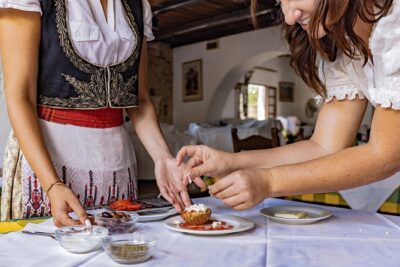
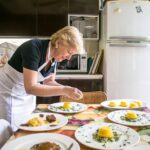
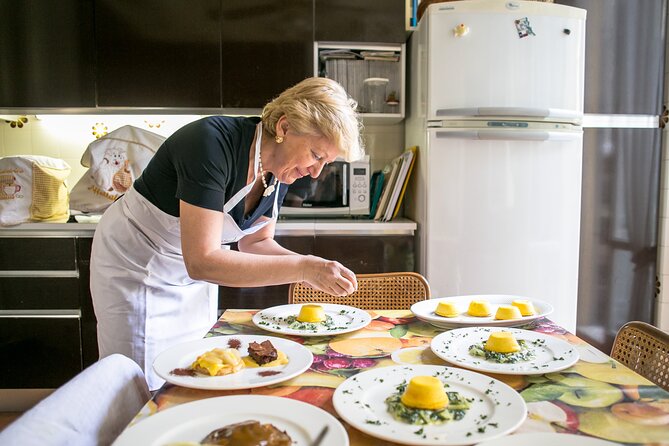
Also, the setting matters. You’ll be in a real home kitchen environment, which changes how you learn. The flow is less classroom and more “family meal with instructions,” including little pauses to taste and check your progress.
You can also read our reviews of more tours and experiences in Modena.
The market stop: how you choose pasta ingredients that matter
The experience begins with a visit to the local market to pick up what you need for your lesson. This step isn’t just for show. It teaches you how Italian cooks think about ingredients before heat is involved.
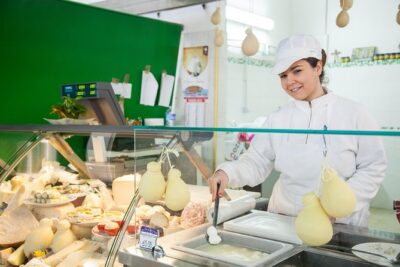
In a market walk like this, you typically spend time identifying key players for the day, including cheeses and produce you’ll later incorporate into the pasta filling. You might also get the chance to taste and learn about specialties tied to Emilia-Romagna and Modena, like Parmigiano Reggiano and balsamic vinegar.
One of the most memorable parts of this kind of market visit is the small tastings that turn into real education. Recent classes included balsamic vinegar tastings with different ages—like 12-year and 25-year options—so you can understand how aging changes flavor. Even if you already like balsamic, tasting it side-by-side like that helps you know what you prefer and what to look for when you shop later.
Practical tip: go in hungry (in a good way). You’ll start with nibbles, but the market walk can also trigger cravings fast—especially when you’re near cheese stalls and vinegar tastings. If you’re sensitive to smells or strong foods, give yourself a minute before moving between vendors.
The cooking class itself: pasta technique you can reuse at home
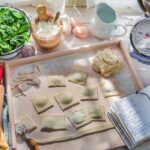
The heart of this experience is the hands-on pasta lesson. The menu is built around pasta as the main course, and the sweet finale is tiramisu. Within that, the exact pasta shape can vary by class. Recent sessions included filled pasta like tortelloni, with ricotta and spinach mentioned specifically.
Here’s what makes the pasta instruction feel worth your time:
- You’re guided through steps, not just told the steps
- You handle the dough so you feel what’s changing
- You learn the “why” behind technique, like how filling and forming affect texture
When a filled pasta is on the menu, you’ll get to mix or prep ingredients and then form the pieces. That’s where you go from interest to skill. The payoff is huge because once you’ve practiced shaping, you stop feeling like handmade pasta is some mystical impossible task.
One extra detail that shows you’re learning in a real culinary mindset: hosts often talk about traditional sauce choices alongside the pasta. In recent classes, butter-based sauce was prepared traditionally, and it helped reinforce how Emilia-Romagna flavors typically land—simple, ingredient-forward, and built to support the pasta rather than fight it.
Practical tip: don’t aim for perfection on your first few pieces. Focus on learning what “right” feels like: dough elasticity, filling quantity, and how the seal holds. Your final plate will still taste great even if some shapes look slightly unique.
Tiramisu finish: dessert that actually teaches you something
At the end, you’ll make tiramisu. This isn’t just a sugar stop. The lesson format usually shows you how to build the dessert cleanly and avoid the common home-kitchen problems—like uneven layers or a texture that turns too wet too fast.
Tiramisu is also a confidence booster. Pasta can be intimidating at first. Tiramisu often feels more forgiving because it’s about assembly and timing rather than rolling and shaping dough for an hour.
Hosts in recent sessions also shared take-home support. Some classes included printed recipes, and others shared recipes digitally after the experience. Either way, the goal is that you leave with something you can repeat, not just a memory.
Practical tip: if you like firm, sliceable tiramisu, focus on the resting time. If you like it softer, you’ll still want to taste-test the sweet spot—just don’t guess blindly.
Drinks and little tastings: Prosecco, wine, and vinegar education
This class kicks off with Prosecco and nibbles, which sets a relaxed pace from the start. It helps you settle in and enjoy the market walk without feeling like you’re on a clock.
Food tours in Modena are also a great place to get specific about local flavors. In recent classes, Lambrusco showed up alongside the meal, and balsamic vinegar tastings were part of the ingredient education. There was also mention of tasting balsamic vinegar with fresh Parmigiano Reggiano, which is one of those “try it and now you get it” pairings.
Why this matters: tasting moments are where your brain learns faster than when you’re reading instructions. A sip with food, a bite of cheese with vinegar, then immediately cooking with what you just learned—this is how the experience sticks.
Practical tip: if you’re sensitive to alcohol, you can still enjoy the tastings. Prosecco is part of the start, and wine may be included with the meal, but the afternoon is still built around learning and cooking.
What you end up eating: more than just a pasta plate
The sample menu is straightforward: pasta and tiramisu. In practice, the experience often includes a few extra food moments that make it feel like a complete meal, not a cooking demo with a dessert sample.
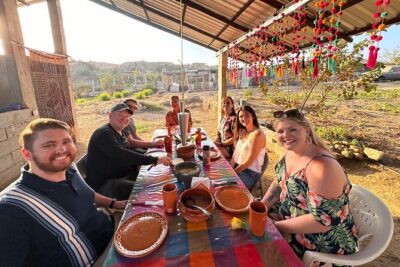
For example, classes have included bread or bruschetta-style bites paired with the drinks, plus the pasta course and the tiramisu finale. If a filled pasta is being made, you also tend to eat what you shaped, which is the best kind of incentive to keep your focus.
Also, the experience often includes ingredient extras tied to the learning theme. Some hosts discussed their own balsamic vinegar production and shared tastings, plus local add-ons like cheese and fruit that help round out the meal.
Bottom line: you should expect an afternoon that ends with a full home-cooked plate and dessert, backed by real technique practice.
Group size and communication: getting the most from the lesson in English
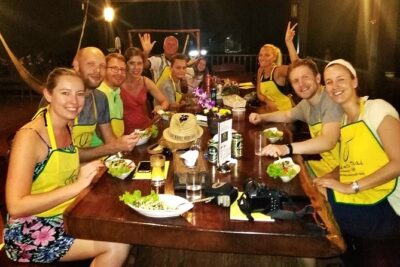
This is offered in English, and the class has a maximum of 12 travelers, which is the sweet spot for a hands-on session. Smaller groups mean you get more individual correction when your dough or forming technique needs a tweak.
Language support can vary by host, but recent sessions included translators such as Ilaria. That matters because even when your Italian is limited, cooking instructions still need clarity. The best part of these classes is that the teaching style stays practical—lots of watching, a lot of hands-on time, and enough explanation to understand what you’re doing.
If you’re worried about not knowing Italian: don’t. This experience is built for visitors, and the instruction is designed to work in English.
Price and value: what $179.41 buys you in Modena
At about $179.41 per person for roughly 5 hours, you’re paying for a specific kind of experience: market learning plus a hands-on cooking class plus a home-cooked meal with drinks.
Here’s how to judge the value fairly:
- You’re getting market time, not just cooking time
- You’re not just tasting; you’re learning technique with an instructor in a home kitchen
- The experience is limited to a small group, so you’re paying for attention and instruction
- You usually leave with recipe support, which turns the day into skills for your kitchen
If your goal is to eat well and take photos, this might feel like a lot. If your goal is to return home able to make fresh pasta and tiramisu with confidence, this price starts to make sense fast.
Also consider location: starting and ending back at the meeting point in Modena, with the activity listed as near public transportation. That reduces friction. No long transfers. Just a focused afternoon.
Who should book this cooking class (and who might not)
You’ll love this if you want an authentic Modena food day with real technique. It’s especially good for:
- Food lovers who want skills, not just samples
- Couples or small groups who prefer a home setting
- Anyone chasing a specific goal like handmade pasta and tiramisu
It may not fit perfectly if:
- You want a big “walking tour” day with lots of sights beyond food
- You expect a long parade of appetizer courses rather than one main pasta and dessert focus
- You dislike hands-on cooking and prefer watching only
Booking mindset: how to get the most from your afternoon
A small-group cooking class goes best when you show up ready to participate. That means wearing something you can move in, and being mentally open to a few imperfect steps on the first round of shaping.
I also think it helps to arrive with curiosity:
- Ask why certain ingredients are chosen
- Taste and compare when offered
- Treat mistakes as part of learning, not a sign you’re doing it wrong
If you’re the type who loves to recreate meals later, the take-home recipe support is the real bonus. People often remember the taste. What you’ll want is the method.
Should you book this Modena market + cooking class?
Yes, if you want a focused, skill-based experience that ends with you eating what you made. The biggest strengths are the market ingredient education, the hands-on pasta technique, and the tiramisu payoff, all wrapped in a small group and taught in English.
Book it when you’re in Modena and you have about half a day to trade sightseeing speed for something more memorable: a home cook’s approach, plus instructions you can use again at home.
If you’re unsure, ask yourself one question: do you want to learn how to cook these dishes, or do you mainly want to eat Italian food for an afternoon? This class clearly leans toward learning.
FAQ
How long is the Modena market and cooking class?
It runs for about 5 hours (approximately).
Is this a small group?
Yes. The tour/activity has a maximum of 12 travelers.
Is the experience offered in English?
Yes, it is offered in English.
What will we cook and eat?
You’ll learn to make pasta and tiramisu. The overall sample menu lists pasta as the main and tiramisu as dessert.
Do we visit the market?
Yes. You’ll take a turn through the market to pick up ingredients for your lesson.
What drinks are included?
The experience starts with Prosecco and nibbles, and the meal is served as part of the class.
What happens if plans change?
Cancellation is free up to 24 hours in advance for a full refund.