REVIEW · VALENCIA
Valencia Paella & Tapas Home Cooking Class with Local Chef Jose
Book on Viator →Operated by Traveling Spoon · Bookable on Viator
Paella tastes better with a local chef. This 3-hour class has you cooking with Chef José in his own home, learning Valencian paella technique you can actually repeat later, not just watch once. I especially love the hands-on pace and the warm, patient teaching style Jose brings to the table. One consideration: his place is a second-floor walk-up, so stairs may be a factor for you.
You start near Valencia’s old town at IVAM, then walk about 10 minutes to Jose’s home. Expect an English-led class that blends practical cooking steps (rice, sofrito, timing) with real Valencian food culture, and you finish by eating what you helped make.
In This Review
- Key points
- Cooking in Chef José’s Valencia home: what makes it special
- From IVAM meeting point to a 10-minute walk to his second-floor home
- Molecular gastronomy first, then sangria: how the lesson starts
- Paella in the real Valencian sense: culture plus technique you can reuse
- Tapas while the paella cooks: two dishes from scratch
- Eating what you cook: horchata mousse and cremaet coffee
- Price and value: is $115 per person worth it?
- Who this class fits best (and who should skip it)
- Practical tips to get the most from your paella day
- Should you book Chef José’s Valencia paella and tapas class?
- FAQ
- Where is the meeting point for the cooking class?
- How long does the experience take?
- Is this a private experience or a group class?
- What language is the class offered in?
- What will I cook and eat during the class?
- Are vegetarian options available?
- Do I need to tell the host about allergies or dietary restrictions?
- What kinds of paella choices are available?
- Is the chef’s home easy to access?
- What’s the rule for lunch vs dinner based on group size?
- Can I get a full refund if I cancel?
Key points
- Michelin-trained Jose cooking in his own home gives the class a personal, authentic feel
- Sangria + tapas + paella + desserts means you eat a full Spanish meal, not a few bites
- Paella “secrets” for any dish helps you transfer skills beyond one recipe
- Two tapas from scratch while paella cooks keeps the time moving and you busy
- Chufa de Horchata mousse + cremaet adds a sweet and a coffee ritual that feels very Valencian
- Second-floor walk-up is worth considering before you book
Cooking in Chef José’s Valencia home: what makes it special
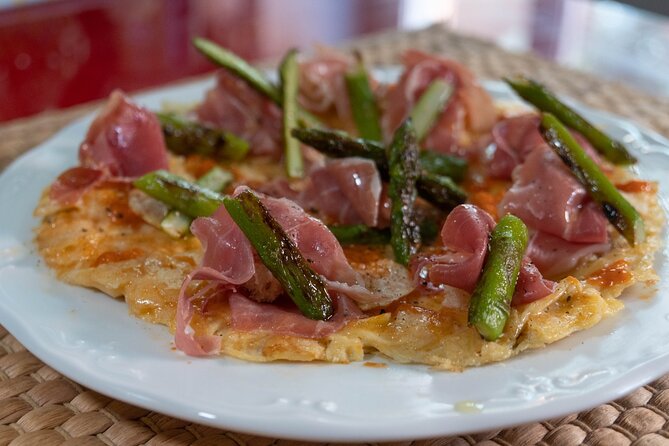
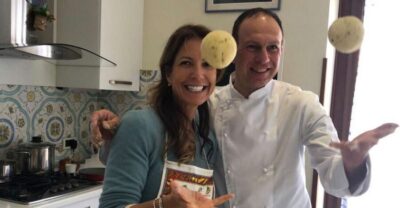
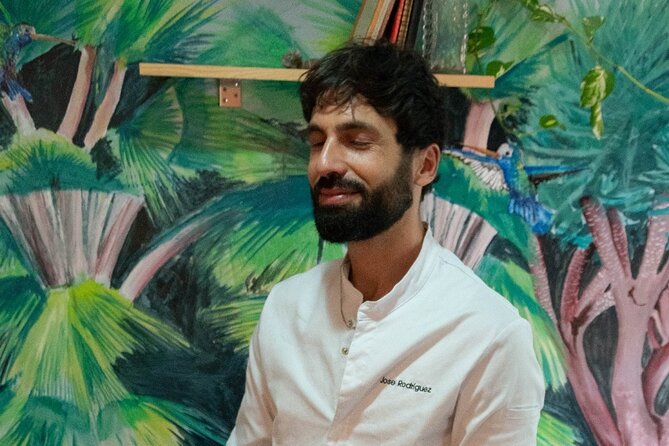
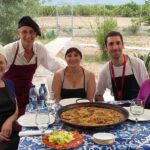
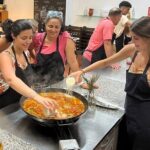
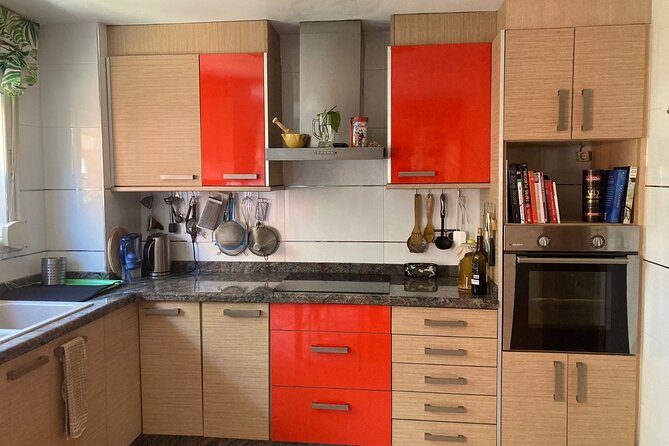
This isn’t a cooking class where you stand back and hope the lessons stick. You’re in Chef José’s home kitchen, working through paella technique, tapas building blocks, and drink-making in the real flow of a Spanish meal.
The fact that Jose is Michelin-star trained matters less as a brag and more as a signal: you’re getting structure. He explains what to do, why it matters, and how to adjust so you’re not lost when ingredients or heat change at home. That’s the difference between following a recipe and learning a method.
And then there’s the ending: you eat at the table with what you cooked. The meal isn’t an afterthought. It’s the point, and it’s how the skills land in your head.
You can also read our reviews of more tours and experiences in Valencia.
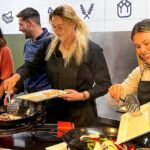
From IVAM meeting point to a 10-minute walk to his second-floor home
You meet at the Art Modern Institute Museum of Valencia (IVAM), then you take about a 10-minute walk to Jose’s place. That short stroll is a nice rhythm shift from the big sights: it’s practical, low-stress, and quick enough to keep you focused.
One logistics detail to note: the home is a second-floor walk-up. If you’re traveling with mobility limitations or heavy bags, plan for stairs. Also, there’s no hotel pickup or drop-off, so you’ll want to be comfortable getting there on your own using nearby public transit.
The class is private, meaning it’s only your group. That tends to make the conversation flow better, especially when dietary needs come up.
Molecular gastronomy first, then sangria: how the lesson starts
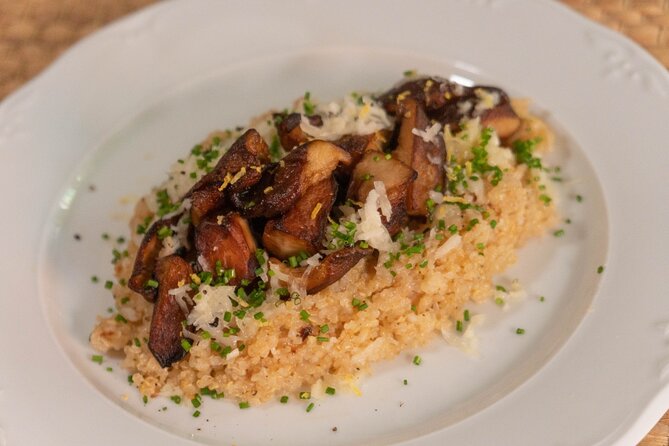
The session begins with something fun and slightly surprising: Jose teaches an innovative molecular gastronomy technique. You’re not expected to become a lab scientist. The payoff is seeing how science can sharpen flavor and texture, then using that confidence when you shift to more traditional cooking.
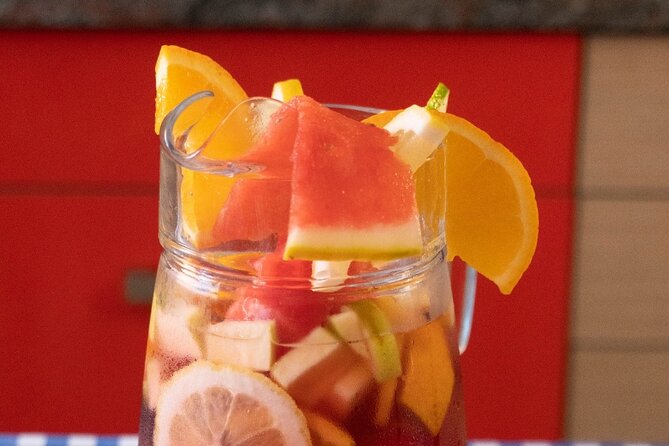
Right after that, you make sangria—designed to be a refreshing partner to the meal you’ll cook. If you’re the type who usually orders drinks without thinking about ingredients, this is a good moment to learn what changes the taste: balance, fruit choices, and how you handle the drink mix.
From a value standpoint, I like that the class doesn’t save all the hands-on work for paella. You get a rewarding win early, and that momentum carries you into the rice lesson.
Paella in the real Valencian sense: culture plus technique you can reuse
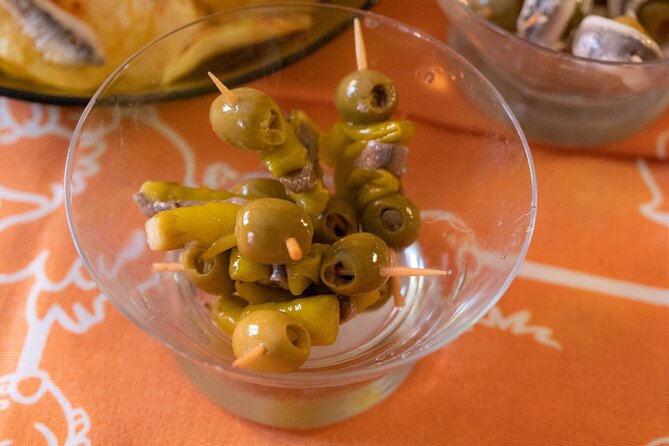
Paella is the centerpiece, and Jose treats it like more than food. He walks you through the history, culture, and tradition behind it, including the idea that in Valencia, paella is often shared on Sundays with friends and family. His message is simple: the meal deserves a daily mindset.
Then you get to the part you’ll actually use at home: how to cook rice and paella with the right steps and tricks. The class focuses on technique, not just one fixed outcome, which is what makes it feel like a transferable skill set.
What you’ll take away is the thinking behind the dish. You learn how each stage affects the final result, so if you make the recipe at home and your pan or heat is different, you’re not helpless—you know what to watch for and how to adjust.
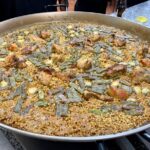
Paella choices are flexible, and menu options can vary seasonally. You can expect one of these:
- Traditional Valencian paella
- Arroz del senyoret (seafood paella)
- Vegetarian paella (seasonal vegetables)
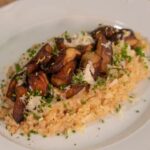
- Duck, mushroom, and asparagus paella
This variety is more than a checkbox. It lets you match your meal to your preferences, and it keeps the lesson from feeling like a single-flavor demo.
Tapas while the paella cooks: two dishes from scratch
While your paella is cooking, you make two tapas from scratch. This is a smart pacing move. Paella needs attention and time, and Jose uses the waiting period to keep you active instead of watching.
Your tapas are chosen from a set that can include:
- Galician-style octopus
- Iberian ham and tomato toast (pan tumaca)
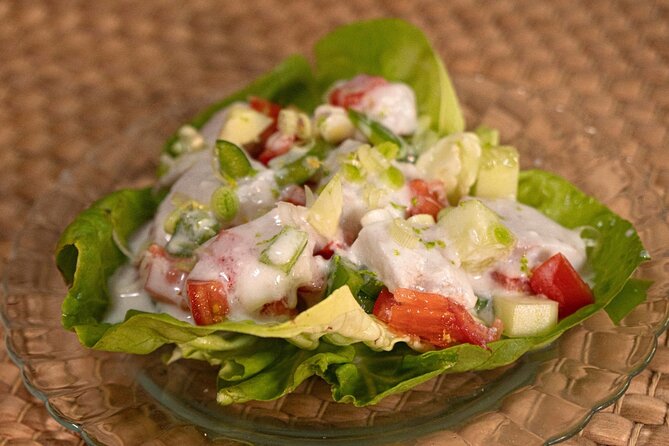
- Salmorejo with tuna
- Corn toast with smoked sardines, plus cream cheese and basil
You’ll learn the building blocks—how to assemble, season, and balance textures—so you can recreate the ideas even if you swap one ingredient later. That matters for home cooking, where market availability and taste preferences change.
This is also where Jose’s teaching style shines in the reviews: patient explanations, step-by-step guidance, and a relaxed vibe that still feels instructional. You’re not just copying movements; you’re getting the why behind them.
Eating what you cook: horchata mousse and cremaet coffee
Once the cooking is done, you sit down and enjoy the meal you helped prepare. In practice, this is where the class becomes a real Valencian experience instead of a cooking workshop. Food tastes better when you understand it—and you understand it faster after you’ve handled it yourself.
Dessert is classic but with a Valencian twist:
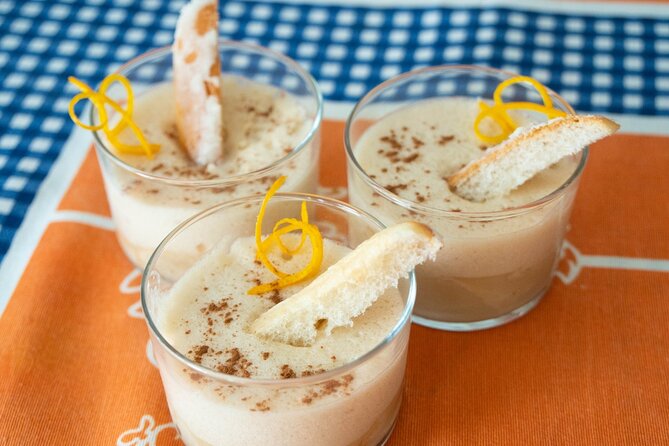
- Chufa de Horchata mousse (tiger nuts with a Valencian pastry topping)
- Cremaet, a Valencian coffee ritual infused with rum and cinnamon
Cremaet especially is a great closer if you’re a coffee person. It’s not just a drink; it’s part of the culture around finishing a meal. And adding the mousse gives you a sweet finish that feels local rather than generic.
If you have dietary restrictions, tell Jose at booking. The class is designed with vegetarian options available, and Jose can be informed ahead of time so you aren’t stuck making do.
Price and value: is $115 per person worth it?
At $115 per person for about 3 hours, you’re paying for more than ingredients. You’re paying for:
- a private, English-led class
- hands-on coaching from a Michelin-trained chef
- a full lunch or dinner you cook (paella, tapas, sangria, desserts)
- alcoholic beverages included
- and a recipe booklet created by Jose so you can repeat what you learned
Compared with eating out, the meal cost is a piece of the price, but the real value is the instruction. You’re not just tasting Valencian food—you’re learning technique that keeps working after the class ends.
This class makes the most sense if you like cooking, you enjoy learning by doing, and you want an experience that feels more personal than a restaurant meal.
It may not feel like the best fit if you’re in Valencia purely for sightseeing and you don’t want to spend three concentrated hours cooking. Still, if you enjoy food culture, this class gives you both: a practical skill and a story about why paella and tapas matter here.
Who this class fits best (and who should skip it)
Best fit:
- Foodies who enjoy cooking and want repeatable paella technique
- Couples or small groups who like a private pace
- Travelers who want authentic local hospitality without the formality of a big tour group
- Anyone who loves Valencia-specific specialties like chufa and cremaet
It might be less ideal if:
- stairs are a problem for you (the home is a second-floor walk-up)
- you need hotel pickup, since there’s none
- you’re short on time and can’t commit to a 3-hour session with a full meal
Also note the timing rule for smaller parties: for groups of 2–3, the experience is advised as a lunch-time booking, while dinner time is available for groups of 4+. If your schedule is tight, pick the meal window that matches your group size.
Practical tips to get the most from your paella day
Here are a few things that help you enjoy the day without stress:
- Wear comfortable shoes. You’ll walk from IVAM to Jose’s place, and you’ll handle stairs inside.
- If you have allergies or a dietary preference, mention it when booking. You can also request the vegetarian option then, so the menu can be planned around you.
- Plan to eat a full meal. You’re making sangria, tapas, paella, and dessert, so come hungry and ready to slow down.
- If you want to reproduce results at home, ask questions during the rice portion. Jose’s instruction is built to explain not just what to do, but why the small details matter.
And don’t expect a rushed class. The whole structure is designed around cooking timing: molecular technique early, sangria and then paella, then tapas while paella cooks, and finally dessert.
Should you book Chef José’s Valencia paella and tapas class?
If you want a hands-on, home-cooked Valencian meal with real instruction, I think this is an easy yes. The combination of private teaching, a Michelin-trained chef named Jose, and a menu that covers sangria, two tapas, paella, and Valencia desserts makes the price feel more like an investment in skills than a one-time show.
Book it especially if you care about learning the method behind paella, not just eating it. You’ll also leave with a personal recipe booklet, which is the kind of souvenir that pays off after you’re back home.
If stairs are your biggest concern, or if you’re not interested in cooking at all, then you might prefer a food tour that stays more on the walking-and-tasting side. But for the kind of traveler who wants to leave Valencia knowing how to cook like a local, this class is a strong match.
FAQ
Where is the meeting point for the cooking class?
You meet at the Art Modern Institute Museum of Valencia (IVAM) at C/ de Guillem de Castro, 118, Ciutat Vella, 46003 València, Valencia, Spain.
How long does the experience take?
The class runs for about 3 hours.
Is this a private experience or a group class?
It’s private. Only your group participates.
What language is the class offered in?
The class is offered in English.
What will I cook and eat during the class?
You’ll cook and eat a meal that includes sangria, paella, two tapas from scratch, and desserts such as chufa de horchata mousse and cremaet. Alcoholic beverages are included.
Are vegetarian options available?
Yes. Vegetarian paella is available, and you should advise the host at booking if you need it.
Do I need to tell the host about allergies or dietary restrictions?
Yes. If anyone in your group has allergies, dietary restrictions, or cooking preferences, you should advise at the time of booking.
What kinds of paella choices are available?
Options can include Traditional Valencian paella, arroz del senyoret (seafood paella), vegetarian paella (seasonal vegetables), or duck, mushroom, and asparagus paella.
Is the chef’s home easy to access?
The home is a second-floor walk-up, so there are stairs. There’s also no hotel pickup and drop-off.
What’s the rule for lunch vs dinner based on group size?
For groups of 2–3, lunch-time experiences are recommended. Dinner time is available for groups of 4+.
Can I get a full refund if I cancel?
Free cancellation is available up to 24 hours before the experience’s start time for a full refund.