REVIEW · MESSINA
Messina: Pasta & Tiramisu Cooking Class at a Local’s Home
Book on GetYourGuide →Operated by Cesarine · Bookable on GetYourGuide
A home kitchen beats any cooking demo. This Messina pasta and tiramisu class pairs hands-on lessons with a real local aperitivo in a private household setting. It’s the kind of activity that turns dinner into something you understand and control.
I especially like the focus on technique—rolling sfoglia by hand is a skill you carry home. You also get to build confidence making fresh pasta from scratch, rather than following a script without really seeing the dough change.
The only real drawback is logistics: you’re meeting at the host’s home, and for privacy you get the full address only after booking. Also, the class isn’t suitable for wheelchair users, so plan accordingly.
In This Review
- Key highlights at a glance
- A Cesarine home-cook class in Messina, not a restaurant show
- How the 3 hours typically feel: aperitivo, pasta, then tiramisu
- Rolling sfoglia by hand: the technique worth your attention
- Two iconic pasta types: practical skills, not just a name drop
- Tiramisu in the same lesson: a sweet finish you can actually repeat
- Aperitivo first: prosecco and nibbles that set the mood
- What you eat at the end: a real tasting meal
- Instructor style and language: Italian guidance with English support
- Value check: what $112.15 includes and why it can be fair
- Getting to a private home: the privacy trade-off
- Who this cooking class suits best
- Should you book the Messina pasta and tiramisu class?
- FAQ
- How long is the cooking class?
- What will I learn to cook in Messina?
- Where does the class take place?
- What’s included with the class?
- What languages is the instruction in?
- Is the class refundable if my plans change?
- Is this activity suitable for wheelchair users?
Key highlights at a glance
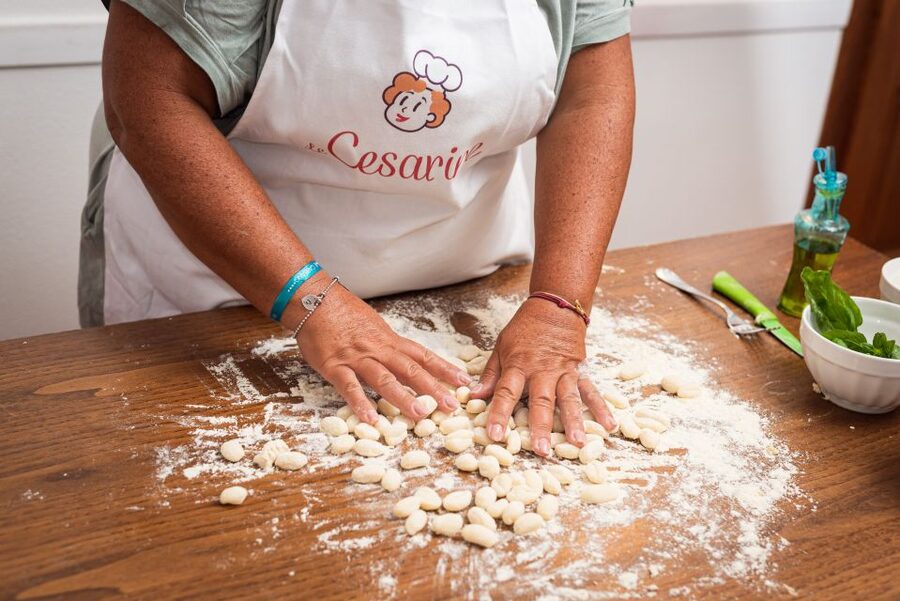
- Hands-on sfoglia rolling in a local home kitchen
- Two iconic pasta types made from scratch
- Italian aperitivo with prosecco and nibbles to warm up
- Tiramisu lesson as the sweet finale
- Sit down and taste what you made
A Cesarine home-cook class in Messina, not a restaurant show
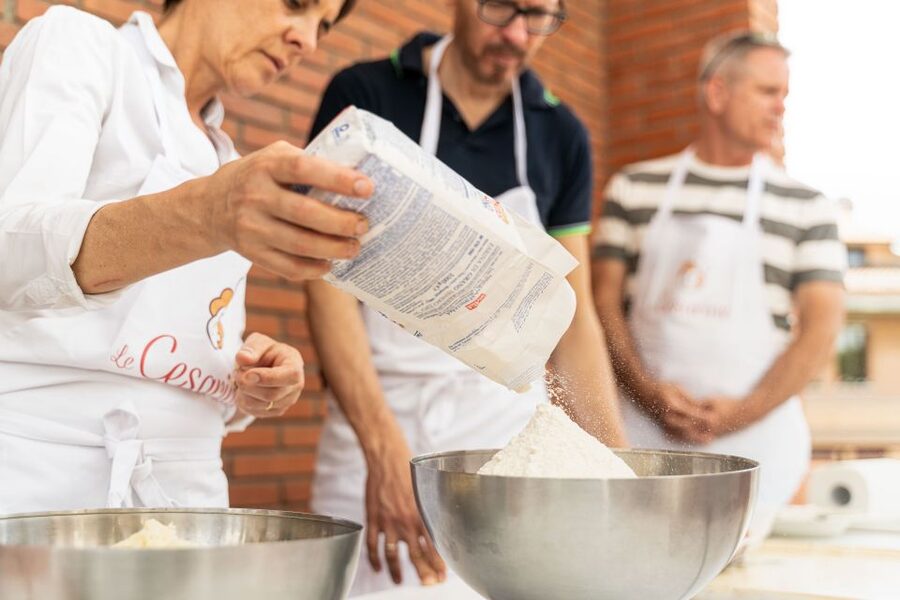
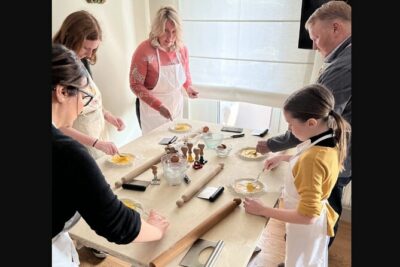
This experience is run by Cesarine, Italy’s long-running network of home cooks (available in more than 500 cities). The idea is simple: you cook with a host who shares family recipes and local know-how in their own home. That’s a big difference from a commercial kitchen, where everything feels timed and generic.
You’re not just collecting recipes. You’re learning how locals think about dough, texture, and timing—because the cooking happens where the host actually lives and cooks. In Messina, that matters. Even the way a lesson starts (with a proper warm-up drink and snacks) feels like you’ve stepped into everyday Italian hospitality.
One detail I really appreciate: the class is taught by an Italian host with English support. So you can follow instructions without feeling stuck, even if you’re not fluent in Italian.
You can also read our reviews of more tours and experiences in Messina.

How the 3 hours typically feel: aperitivo, pasta, then tiramisu
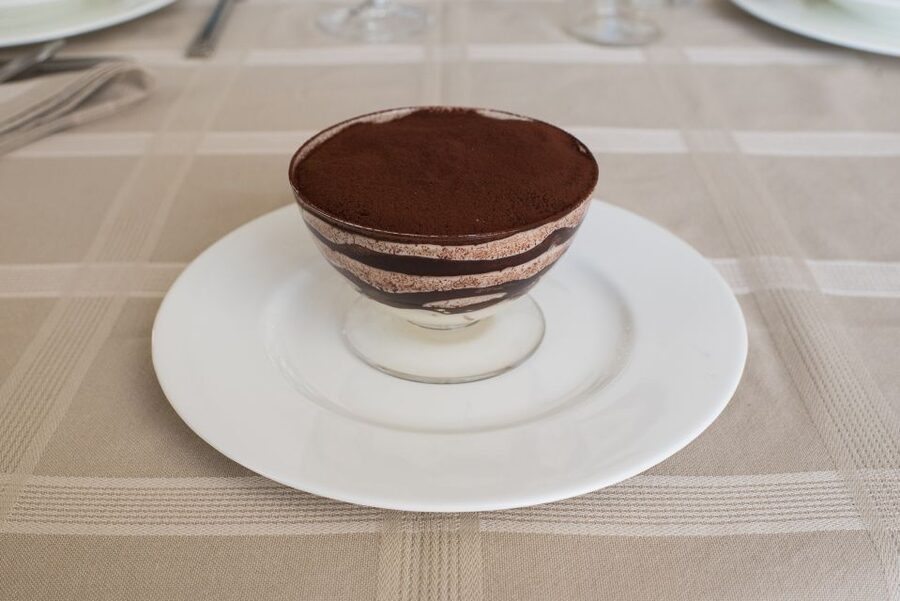
The class runs about 3 hours, and you’ll eat what you make. It starts with an Italian aperitivo—prosecco plus nibbles—so you don’t begin cold. That little reset helps, especially if you’ve been walking around Messina for hours before class.
After the aperitivo, the lesson focuses on pasta in a hands-on way. You’ll learn to roll sfoglia by hand, then make two different pasta types from scratch using your host’s guidance. Once pasta is done, the sweet part comes next: you learn how to prepare the iconic tiramisu.
The best part is the payoff. You’re not cooking only for show; you sit down for the tasting of your pasta creations and the tiramisu. It turns the class into a full meal experience rather than a quick food demo.
Rolling sfoglia by hand: the technique worth your attention
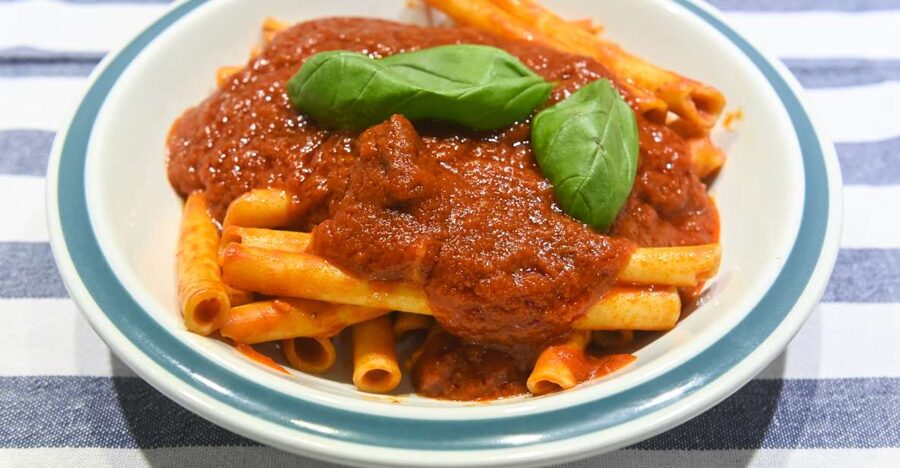
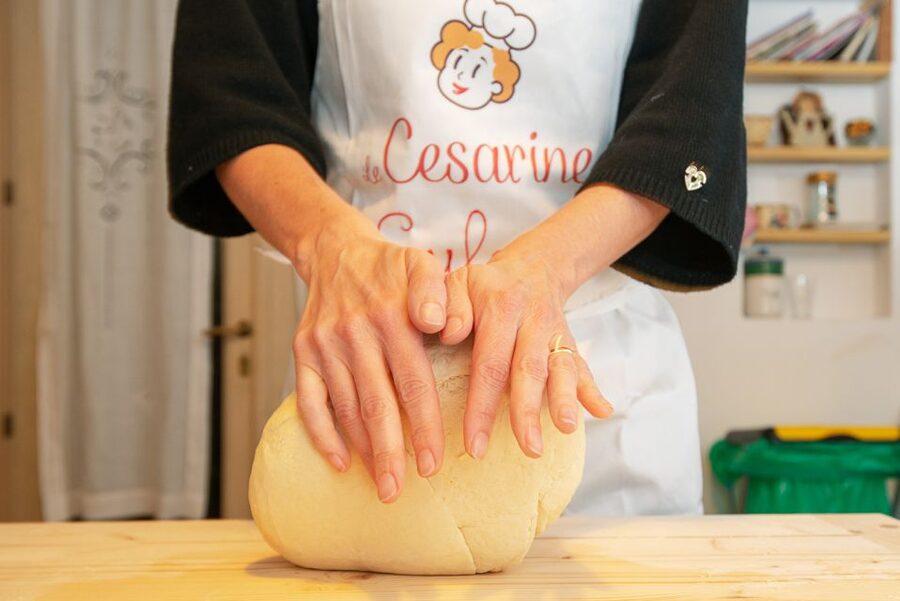
If you want one takeaway that makes the whole class feel worth it, it’s the time spent learning sfoglia by hand. Fresh pasta dough isn’t complicated, but it is sensitive. The difference between good and great is usually thickness, consistency, and how you handle the sheet as it stretches.
In a home setting, you also learn what to do when the dough behaves unpredictably. Maybe it’s slightly dry, maybe it resists rolling, maybe it needs a tiny adjustment. Your host guides you through those small corrections, which is where real skill lives.
I also like that sfoglia isn’t treated like a one-minute step. You’re guided through it as a core skill, not a checkbox. That gives you a better chance of repeating the process later, when you’re buying fresh pasta supplies back home and trying to recreate the texture.
Two iconic pasta types: practical skills, not just a name drop
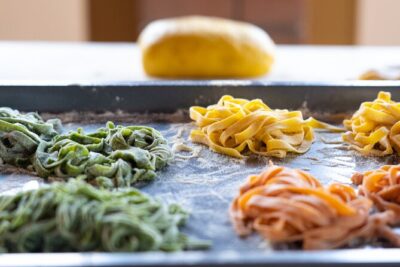
The class includes teaching you to prepare 2 iconic pasta types, and you make them from scratch. The important part for you isn’t the exact label on the dish—though you’ll learn those names too. It’s that you learn two different preparations, so you see how dough transforms depending on shape and method.
That variety is what makes the lesson useful after you leave. If you only make one pasta, you often remember the result but not the process. Here, you build a small toolkit: how to handle fresh dough, how to work cleanly, and how to finish pasta the way it needs to be finished for the final texture.
And because you’ll taste both recipes, you get immediate feedback. You can connect what you did with what you ate, which is the fastest way to learn.
Tiramisu in the same lesson: a sweet finish you can actually repeat
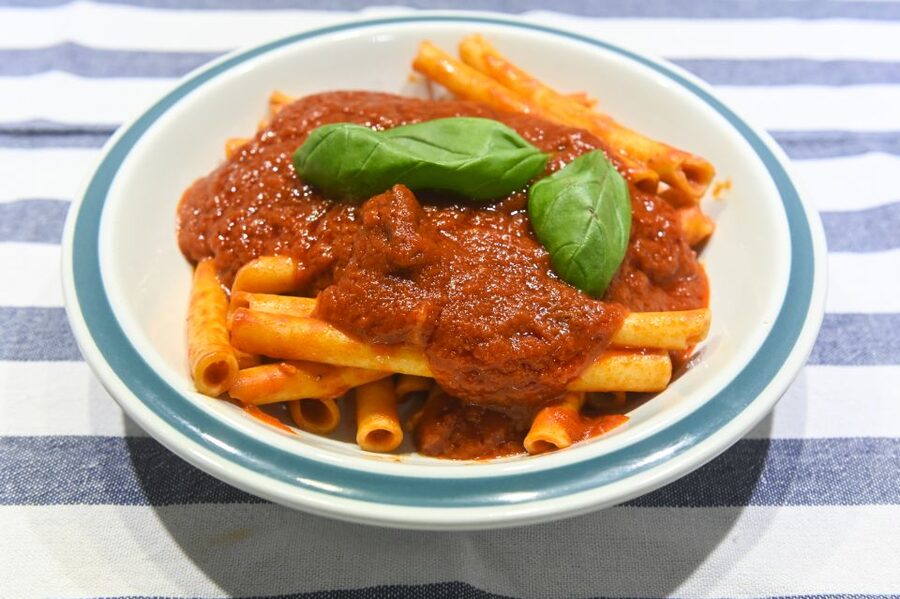
After pasta, the class shifts gears to tiramisu, the iconic Italian dessert you’ll be proud to put on your table later. The lesson format keeps it grounded: you learn to prepare it, then you taste what you made.
What I like about including tiramisu right after pasta is the rhythm. Pasta teaches you structure and timing in a savory context. Tiramisu adds a different kind of timing—one that’s about assembly and balance. Even without being “fancy,” it’s still a classic that benefits from doing it step-by-step at least once.
If tiramisu is a dessert you’ve eaten in Italy and thought, I want that same result at home, this is the right kind of class. You get instruction from a home cook who’s not trying to impress with showmanship. They’re teaching you so you can recreate the outcome.
Aperitivo first: prosecco and nibbles that set the mood
The experience includes an Italian aperitivo: prosecco and nibbles before you start cooking. That warm-up matters more than it sounds. It lowers the stress of being in someone’s home for a hands-on activity, and it gives you a moment to settle in.
You’ll also have beverages during the class, including water, wines, and coffee. Add that together and the class stops feeling like a rushed workshop. It feels like a meal that happens to involve cooking.
In real terms, it also helps your pacing. When you’re learning pasta rolling, you don’t want to start hungry and distracted. The aperitivo keeps things comfortable while you learn.
What you eat at the end: a real tasting meal
You’ll taste the two pasta recipes and the tiramisu after learning them. This is one of those details that changes how the whole day feels. Instead of leaving with recipes in your head, you leave with the actual results in your body.
That “cook, then eat” approach is also how home cooks teach. They want you to understand what you’re making, not just what steps come next. Once you taste, you’ll know what thickness you achieved, how the pasta held up, and what “right” tastes like for tiramisu.
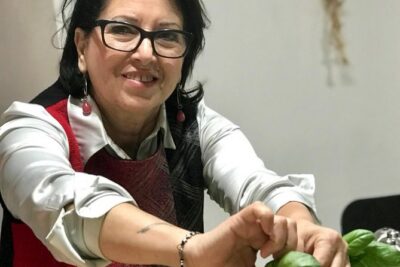
From the feedback I’ve seen, hosts tend to make people feel comfortable in the home space, and that matters for a hands-on class. One host mentioned by name was Giusy, who reportedly welcomed people warmly and helped them feel at ease—exactly the vibe you want when you’re learning something tactile.
Instructor style and language: Italian guidance with English support
The class is run with an instructor who uses Italian and English. That’s a practical mix. You get authentic phrasing and local cues, but you’re not left to guess if your Italian vocabulary ends at ordering gelato.
In cooking, clear instructions are everything. Language support makes a difference not because you’re learning a phrasebook, but because you can understand what you should look for—texture cues, dough behavior, and how the host wants you to handle each step.
If you’re an intermediate cook, you may still find it useful. If you’re a total beginner, the dual-language support helps you stay with the lesson instead of getting lost.
Value check: what $112.15 includes and why it can be fair
At $112.15 per person for about 3 hours, this class isn’t a bargain-basement workshop. But it’s also not just paying for instructions and a tiny snack.
You’re paying for:
- pasta-making instruction (including rolling sfoglia by hand)
- two pasta types made from scratch
- tiramisu preparation
- tasting of everything you made
- beverages (water, wines, coffee)
- aperitivo (prosecco and nibbles)
- local taxes
That bundle is what makes the price feel more reasonable. You’re getting food, time, and the fact that the teaching happens inside a local home. You’re also getting a structured meal experience rather than a single-course activity.
If you’re the type who hates “spray and pray” cooking classes—where you leave with steps but no meal—this format is built for you. You’ll cook, eat, and remember the result.
Getting to a private home: the privacy trade-off
Because the class takes place in a local home, you’re not shown the full address upfront. For privacy, you’ll receive the complete address only after booking. That’s normal for home-based experiences, and it helps protect the host’s household.
When you book, you’ll be asked for useful details: any food intolerance or allergies, your neighborhood in Messina, and how you plan to travel to the host’s home. You’ll then get the host’s contact details and full address once the information is collected.
This matters because home kitchens have real constraints—parking, walkability, and timing. If you give the operator the neighborhood and travel plan, your experience should start smoother rather than with last-minute confusion.
One more important note: the class is not suitable for wheelchair users, so consider an alternative if mobility access is a must.
Who this cooking class suits best
This fits you if you want a hands-on way to learn Italian cooking in Messina. It’s especially good if you’re excited about pasta technique and want to learn fresh pasta rolling seriously, not just “assemble and taste.”
It’s also ideal if you like social, warm hospitality. The class is built around meeting the host, cooking together, and eating in the same setting, which is why people often walk away feeling comfortable in someone’s home.
If you want a high-speed checklist class with no warmth, you might find it less your style. This is more about relationship and process than about moving fast.
Should you book the Messina pasta and tiramisu class?
Yes—if you want a real home-cooked meal experience with practical pasta skills. The combination of sfoglia rolling, learning two pasta types, and ending with tiramisu gives you more than a single recipe memory. You also get to taste your work right away, which is the fastest feedback loop for cooking.
Book it especially if you’re excited to learn from a home cook through Cesarine’s network. The home setting and the language support make it approachable, even if you’re not a confident cook yet.
Skip it only if the home-based logistics are a dealbreaker for you—since the address is shared after booking—or if wheelchair accessibility is required.
FAQ
How long is the cooking class?
It lasts about 3 hours. Starting times depend on availability.
What will I learn to cook in Messina?
You’ll learn to roll fresh pasta dough (sfoglia) by hand, make 2 iconic pasta types from scratch, and prepare tiramisu.
Where does the class take place?
The experience is held in a local’s home in Messina. For privacy, you receive the full address after you book.
What’s included with the class?
It includes beverages (water, wines, coffee), an Italian aperitivo with prosecco and nibbles, local taxes, the cooking class for pasta and tiramisu, and tastings of what you make.
What languages is the instruction in?
The class is taught in Italian and English.
Is the class refundable if my plans change?
Yes. You can cancel up to 24 hours in advance for a full refund.
Is this activity suitable for wheelchair users?
No, it’s not suitable for wheelchair users.