REVIEW · ROME
From Rome: Pasta & Tiramisù Cooking Class near Spanish Steps
Book on Viator →Operated by Naples Together · Bookable on Viator
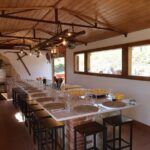
Homemade pasta beats any snack. This Rome class pairs hands-on cooking with an easy location just off the Spanish Steps, and you leave with real skills you can use at home. You’ll work in a Roman restaurant setting, not a demo kitchen, and you’ll make two classics: fettuccine and tiramisù.
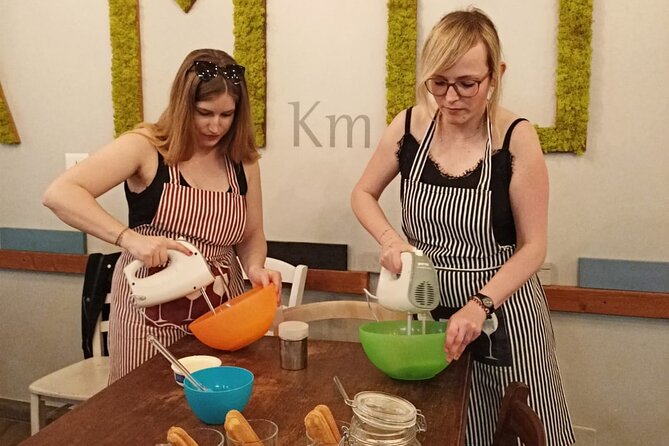
I really like that this is practical training, not just watching. You knead, mix, and shape the dough yourself, and then you layer mascarpone, espresso-soaked ladyfingers, and cocoa for tiramisù. I also like the small group size (up to 15), because it keeps the chef attention close when you have questions.
One thing to keep in mind: on rare occasions, the class time can shift due to scheduling coordination between the tour operator and the restaurant. Read your confirmation carefully and plan to arrive a little early so you’re ready if anything changes.
In This Review
- Quick hits before you book
- From the Spanish Steps to the Restaurant Kitchen
- The Two-Hour Rhythm: From Dessert Prep to Fresh Pasta
- Fettuccine From Scratch: Kneading, Cutting, and Sauce Pairing
- Tiramisù Build: Mascarpone, Espresso-Soaked Ladyfingers, Cocoa
- Chef Coaching Up Close: Paolo and Jo’s Patient Help
- What You Sip While You Cook
- What You Take Home: Recipes and a Certification Diploma
- Price and Value: Is $107.06 Worth It?
- Tips Before You Go (So the Class Feels Fun, Not Rushed)
- Who Should Book This Class (And Who Might Skip It)
- Should You Book This Rome Pasta and Tiramisù Class?
- FAQ
- Where is the meeting point for this cooking class?
- How long is the cooking class?
- What dishes will I learn to make?
- Is the class small?
- Is the class offered in English?
- Is there a mobile ticket?
- What drinks are included?
- Will I eat the food I cook?
- Is the tiramisù personal or shared?
- What is the cancellation policy?
Quick hits before you book
- Up to 15 people means you get actual coaching, not a lecture.
- Fettuccine from scratch includes mixing, kneading, and cutting delicate strands.
- Tiramisù layering teaches the rhythm of mascarpone, espresso-soaked ladyfingers, and cocoa.
- You cook and eat in the same session, so the work turns into a meal fast.
- Wine, limoncello, or espresso keeps the pacing very Italian.
- Recipes and a certification diploma give your new skills a tangible payoff.
From the Spanish Steps to the Restaurant Kitchen
This is a central Rome cooking class with a big practical advantage: it starts near one of the city’s easiest landmarks to navigate. The meeting point is V. della Croce, 34, 00187 Roma RM, and the activity ends back there, so it’s simple to fold into a sightseeing day without a long commute.
You’re also told it’s near public transportation, which matters because Rome can be slower than you expect when you’re moving between neighborhoods. If you plan to hit the Spanish Steps area, Trevi, or a few streets of shopping nearby, this class works like a warm break in your day: you trade crowds for a small table, a chef, and a task you can focus on.
You can also read our reviews of more tours and experiences in Rome.

The Two-Hour Rhythm: From Dessert Prep to Fresh Pasta
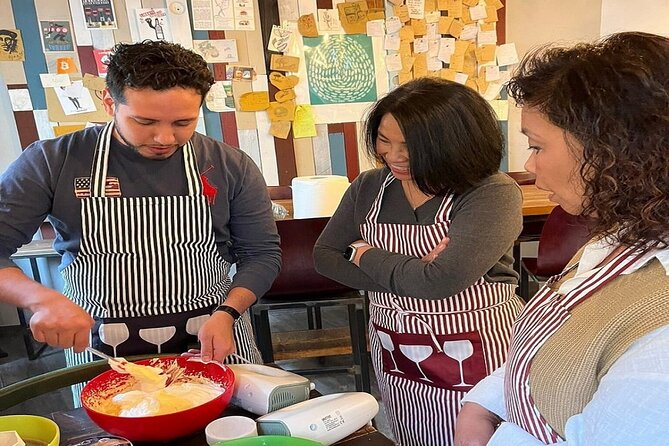
The class runs about 2 hours. That time matters because it shapes how the lesson feels: you’ll get into the work quickly, learn the key steps, and then eat what you made.
A helpful way to picture the flow: you typically start with tiramisù components, then move into fresh fettuccine once the dessert prep is underway. Why that sequence makes sense? Tiramisù has layering steps that reward good timing, and pasta dough needs you to focus and get your hands doing the work.
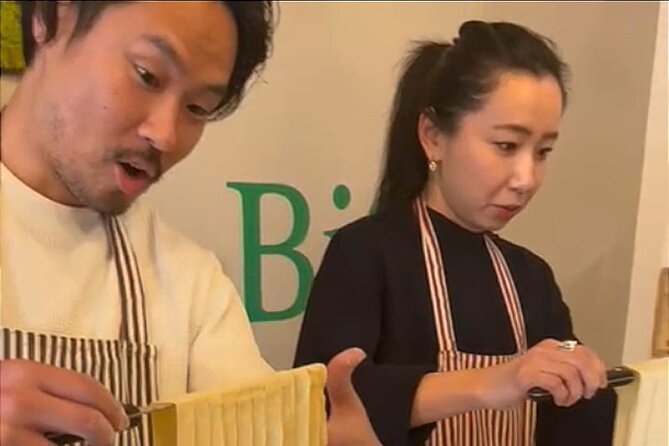
You’re not expected to be a pro. The vibe is hands-on, with lots of back-and-forth. One review highlights how the chef’s instructions are easy to follow, and another notes how support is available when you need extra help. In other words, this is designed for real humans, not only people who already cook pasta at home.
Fettuccine From Scratch: Kneading, Cutting, and Sauce Pairing
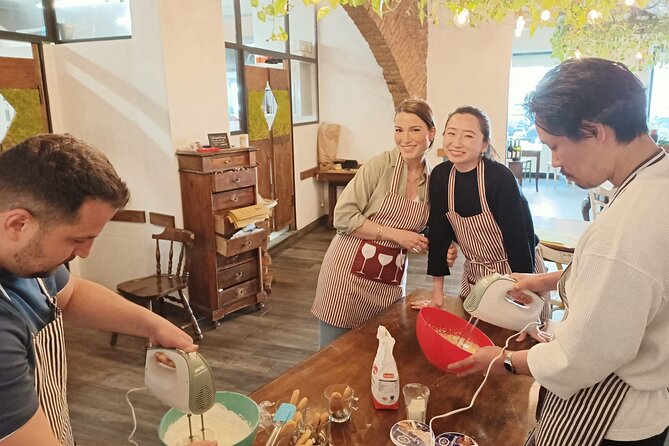
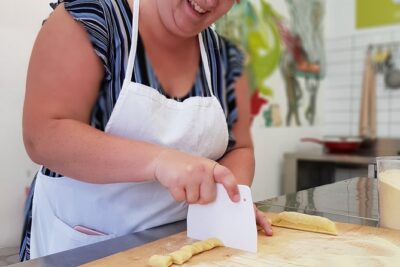
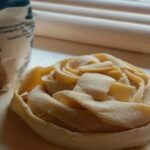
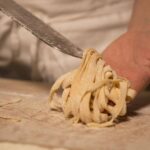
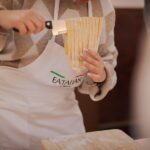
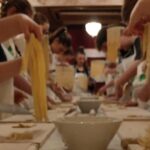
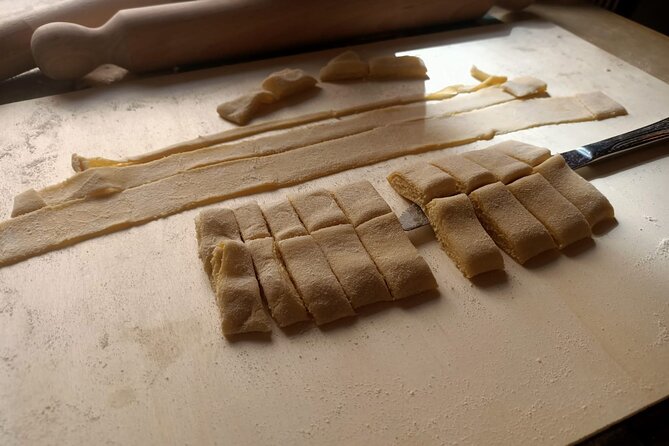
The main lesson is homemade fettuccine from scratch. That means you’ll mix and knead dough, then cut it into delicate strands. You also learn how to choose top-notch ingredients, and you get tips on making sure the pasta matches the sauce.
Here’s what you should expect, practically:
- You’ll work the dough until it feels right. Kneading is the big skill shift for most first-timers, because it’s the step that determines texture later.
- Cutting the strands takes patience. Even when it looks simple in videos, it needs steady hands and attention.
- The class includes pasta with Roma sauce (the sample menu calls it fettuccine with Roma sauce), so you’re not left wondering how to finish your plate.
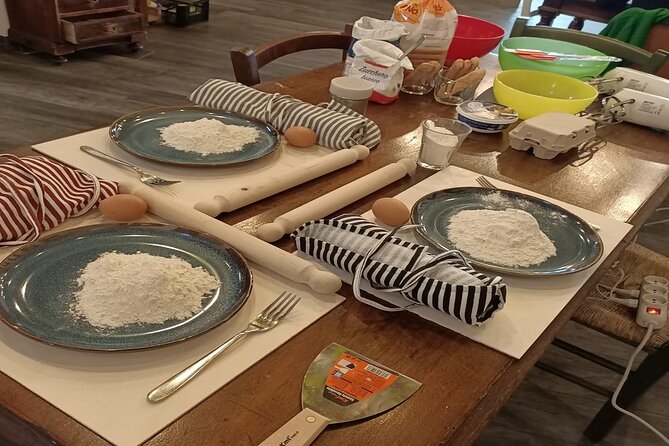
One of the nicest surprises from the experience details is that you don’t need special equipment like a pasta machine to succeed. Some people come in thinking they’ll struggle without a machine, and the class is structured so you can still make great pasta through technique and elbow grease.
Also, a heads-up on presentation: at least one part of the meal is set up as communal pasta. Your dessert is personal, but your pasta portion is likely served in a shared style in the restaurant. That’s not a problem; it just changes how you plan to plate your food.
Tiramisù Build: Mascarpone, Espresso-Soaked Ladyfingers, Cocoa
Then you move into tiramisù. The dessert isn’t vague or symbolic here. You build it step by step using:
- Mascarpone cream
- Espresso-soaked ladyfingers
- A finish of cocoa powder
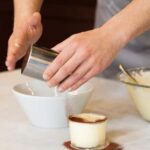
The real teaching value is the layering logic. When you do it yourself, you learn the feel of how much espresso the ladyfingers need and how to spread and stack without losing the structure. It’s a hands-on lesson in timing and texture.
Food payoff matters too. One of the key experience details is that while the pasta is communal, you typically eat your own prepared tiramisù. So you walk away with something that feels distinctly yours, not just a shared bowl.
And yes, the dessert is a crowd favorite in Rome for a reason. Even if you’ve had tiramisù before, making it from scratch makes the whole thing click: you understand why it tastes the way it does.
Chef Coaching Up Close: Paolo and Jo’s Patient Help
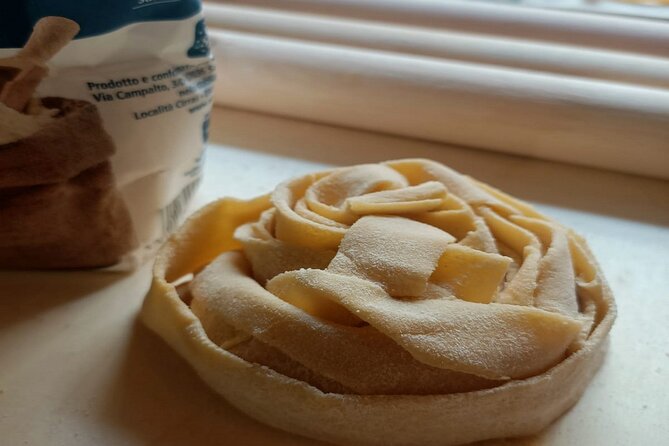
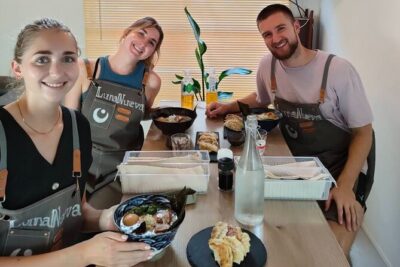
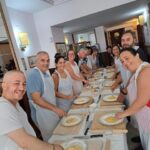
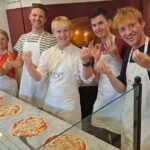
This class leans hard on clear instruction and real attention. The format matters: it’s offered in English, and the group is limited to a maximum of 15. That size is a big deal because it keeps you from disappearing into the background when something doesn’t work.
Some instructors stand out in the experience details, especially Paolo (sometimes spelled Paulo in one account) and Jo. The teaching style is described as articulate and easy to understand, with patience when you mess up. Humor also shows up in the tone, which makes the class less stressful when kneading dough feels awkward at first.
One review also points out multi-language ability from the instructor (Spanish, English, Italian). Even if you don’t speak those languages, it helps you feel like nothing gets lost. For visitors who are combining a cooking class with a travel day, that kind of clarity is what turns a lesson into a good memory.


What You Sip While You Cook
The class includes a drink with your session: you may have local wine, limoncello, or classic Italian espresso. Which one you get can depend on the class, but the point is the same—your cooking time becomes a meal experience, not just a classroom.
It’s also a smart pacing tool. After you’ve kneaded dough and worked with your hands, it’s nice to slow down and taste something. Espresso is a classic pairing mindset in Italy, and limoncello is the kind of bright finish that makes dessert feel even more at home.
What You Take Home: Recipes and a Certification Diploma
The best cooking classes don’t just feed you. They give you a plan for doing it again at home.
Here, you leave with:
- Recipes you can use after the trip
- A certification diploma that marks the experience (and gives you something fun to keep)
That might sound like a small thing, but it’s practical. When you return home, you don’t want to rely on memories of what you did. Recipes plus the skills you practiced during the class make it much easier to recreate fettuccine and tiramisù without guessing.
Price and Value: Is $107.06 Worth It?
At $107.06 per person, you’re paying for more than food. You’re paying for:
- A chef-led, hands-on cooking session
- Ingredient prep and instruction
- The chance to eat what you make
- Included drinks (wine, limoncello, or espresso)
- Take-home recipes
- The certification diploma
Is it cheaper than buying groceries and cooking at home? Probably not. But it’s more valuable than a basic dinner because you get coaching on technique. Fresh pasta is the perfect example: once you know what the dough should feel like, you can repeat it. That skill is hard to learn from a restaurant meal.
Also, the small group format matters. When the class stays under 15 people, it’s easier to get help with mistakes right away. For a beginner, that can be the difference between learning and giving up.
Tips Before You Go (So the Class Feels Fun, Not Rushed)
A few practical things make a big difference for a cooking class in central Rome:
- Arrive a little early. Even though the start is set, the class is tied to a restaurant schedule, and the meeting point is in an urban area. A 10-minute cushion helps.
- Wear comfy shoes. You’ll likely stand, move around workstations, and spend time in one area of the restaurant.
- Plan your appetite. This ends with you eating the meal you made. If you try to power through a huge lunch right before, you may not enjoy the tiramisù as much.
- Read your confirmation closely. If your class timing changes due to restaurant coordination, you want to catch it early.
- Bring questions. The class is in English, and the format is designed for personal help. If you’re unsure about dough texture or layering steps, ask.
If you have dietary restrictions, the menu is straightforward (fettuccine with Roma sauce and homemade tiramisù). You should confirm what can be accommodated before you go.
And if your plans are unstable, this activity offers free cancellation up to 24 hours in advance, which lowers the risk of booking early.
Who Should Book This Class (And Who Might Skip It)
You’ll probably love this class if:
- You want a hands-on Rome experience that’s more than a tasting.
- You enjoy learning technique, not just eating the results.
- You’re traveling as a couple or a small group and want an activity that feels different from museums.
It also works well for mixed ages, based on the kinds of groups described, because the cooking tasks are guided and you can contribute at your own pace. Even teens and adults can handle this kind of learning because the chef support is part of the design.
You might want to look elsewhere if:
- You hate cooking activities and want purely observational tourism.
- You’re short on time and can’t spare a full 2 hours in one block.
- You’d be very uncomfortable if a schedule mismatch happens (rare, but possible) and you have to adjust.
Should You Book This Rome Pasta and Tiramisù Class?
If you’re looking for a memorable Rome moment that’s practical and repeatable, I’d book it. The big win is that you make fresh fettuccine and tiramisù in a real restaurant setting, with an expert chef and a small group cap that helps you actually learn.
Also, the pairing of technique plus meal is strong value. For the money, you get instruction, included drinks, recipes, and the confidence to recreate two Italian staples at home.
If your schedule is tight, just confirm the day-of details and arrive early. Do that, and you’ll spend your time in Rome doing something hands-on instead of only looking.
FAQ
Where is the meeting point for this cooking class?
The meeting point is V. della Croce, 34, 00187 Roma RM, Italy.
How long is the cooking class?
The class lasts about 2 hours.
What dishes will I learn to make?
You’ll prepare homemade fettuccine pasta and homemade tiramisù.
Is the class small?
Yes. It has a maximum of 15 travelers.
Is the class offered in English?
Yes, the experience is offered in English.
Is there a mobile ticket?
Yes. You’ll receive a mobile ticket.
What drinks are included?
You can sip local wine, limoncello, or classic Italian espresso during the experience.
Will I eat the food I cook?
Yes. After preparing the meal, you eat what you make.
Is the tiramisù personal or shared?
The tiramisù is prepared and eaten by you, while the pasta is described as communal in one account.
What is the cancellation policy?
You can cancel for a full refund up to 24 hours before the experience starts.
If you want, tell me what day and time you’re considering in Rome, and I’ll help you pick the best way to pair this with nearby sights around the Spanish Steps.