REVIEW · BOPHUT
Thai Cooking Class | Since 2012 | Farm to Table
Book on Viator →Operated by Island Organics Thai Cooking Class · Bookable on Viator
Chef Lat’s class feels like Thai cooking with training wheels. You’ll work in a purpose-built kitchen, then head to a micro farm to learn how the food starts before it hits your wok. It’s farm-to-table learning with real technique, not just watching.
I especially like that everything is included: ingredients, equipment, and even the drinks and dessert. I also like that you cook for yourself, using core skills like curry paste and coconut cream, then finishing with a full meal you can recreate later.
One consideration: it’s not set up for everyone. Children under 10 can’t attend, and cruise-ship timing is a no-go, so check your plans early.
In This Review
- Key highlights to know before you go
- A farm-to-table Thai kitchen class that actually teaches technique
- Price and time: what $84.79 buys you in real value
- Where it starts in Samui: meeting point and timing feel
- Step 1: warm welcome, then into the garden story
- Step 2: harvest Thai herbs and vegetables for your dishes
- Step 3: the cooking kitchen—hands-on, station-based, not lecture-heavy
- The core skills you’ll practice: curry paste, coconut cream, herbal drinks
- Curry paste from scratch
- Coconut cream
- Herbal drink and chemical-free theme
- Step 4: your four Thai recipes—and which classics you can expect
- Why the QR code and digital recipes are more useful than you think
- Dietary needs and group comfort: veg, vegan, gluten-free
- Kids, cruise ships, and other fit checks
- Who this cooking class suits best on Koh Samui
- Should you book this Island Organics Thai Cooking Class?
- FAQ
- What time does the Koh Samui Thai cooking class start?
- How long is the experience?
- What will I cook during the class?
- Is the class suitable for vegans or people who need gluten-free options?
- Are children allowed to attend?
- What happens if weather is bad or plans change?
Key highlights to know before you go
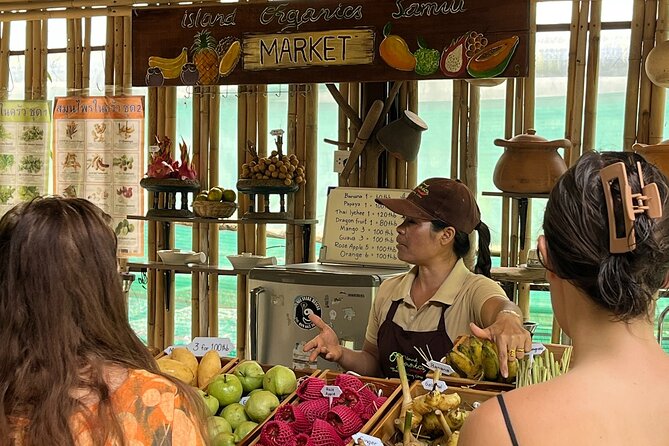
- Chef Lat leads the class and teaches 4 traditional Thai recipes plus foundational skills like curry paste and coconut cream
- You visit the micro farm and harvest herbs/veg that feed into the meal you cook
- You’ll make more than dishes: curry paste, coconut cream, and a herbal drink are part of the experience
- Moringa is part of the story (the miracle tree, sold as powder or capsules)
- Diet needs can be handled with veg/vegan and gluten-free options
- Small group size (max 16) plus pickup offered and a mobile ticket
A farm-to-table Thai kitchen class that actually teaches technique
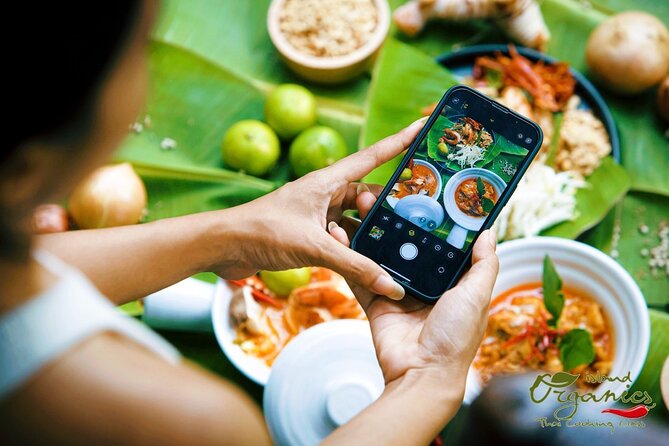
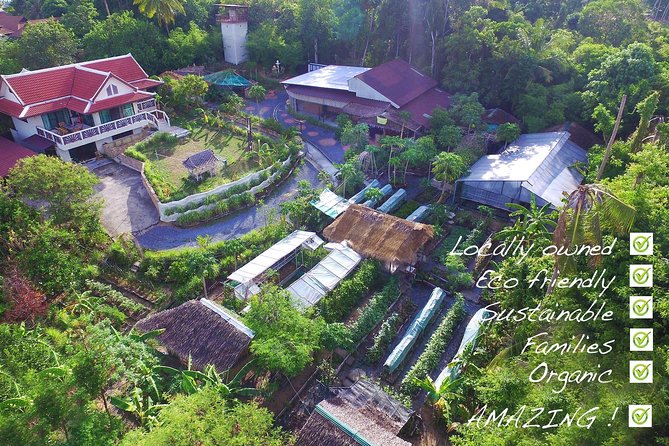
In Koh Samui, you’ll find plenty of cooking classes. This one has a clear advantage: it links your meal to where the ingredients grow. Chef Lat’s setup combines a working micro farm with a cooking kitchen built for hands-on practice, so you’re not just learning recipes—you’re learning why Thai flavor works.
The day starts with Thai food culture you can taste right away. You’re brought into a routine that feels close to how cooking happens at home in Thailand: herbs first, aromatics next, then building sauce depth and balance. The big theme is chemical-free food and garden-grown produce, with a workflow that’s meant to be followed later, not forgotten after vacation.
And yes, you should expect to eat. You’re not doing a “tiny bite” class. Come hungry and leave full, because you’re prepping and cooking multiple dishes, then sharing the table.
You can also read our reviews of more tours and experiences in Bophut.

Price and time: what $84.79 buys you in real value
At about $84.79 per person, this is positioned as a premium experience—mainly because it includes more than cooking instruction. You’re paying for:
- a purpose-built kitchen with equipment and ingredients provided
- a guided micro farm visit and harvest
- extra prep skills (curry paste, coconut cream, herbal drink)
- complimentary drinks and dessert
The class lasts about 4 hours, which is a sweet spot: long enough to get real cooking time, short enough to still enjoy the rest of your Samui day. If you’re comparing it to cheaper “watch-and-plate” classes, the farm visit and the hands-on cooking push this toward better value.
The other value point: it’s capped at 16 travelers. Smaller groups help the teaching pace stay practical, not chaotic, and it’s easier to get your questions answered while you’re working.
Where it starts in Samui: meeting point and timing feel
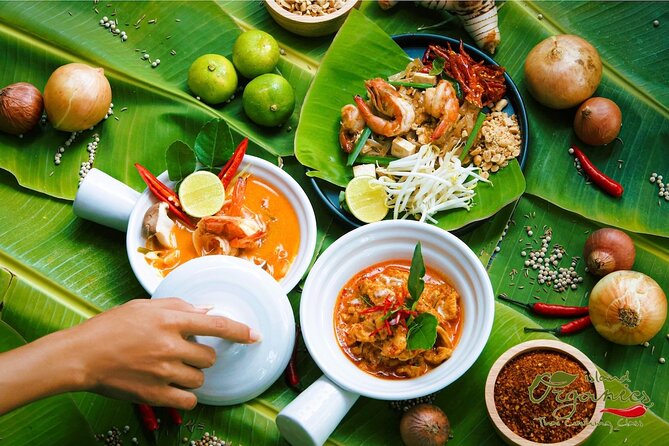
The activity starts at 10:00am and ends back at the meeting point. Pickup is offered, and you’ll get a mobile ticket, which makes day-of logistics simpler than older paper voucher systems.
Your starting location is listed as ร้าน รอ คิว (Bo Put, Ko Samui District). If you’re driving yourself, arrive a few minutes early so you’re not rushing when the session begins. This is one of those classes where the first 15 minutes matter, because you’ll be set up for cooking right after arrival.
Step 1: warm welcome, then into the garden story
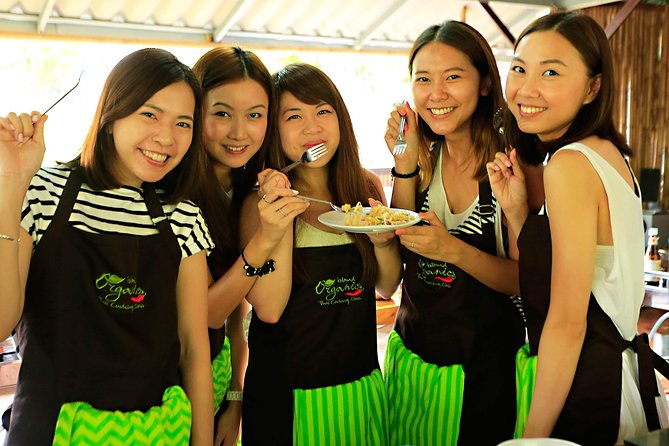
When you arrive, the mood is family-kitchen friendly: you’re greeted and eased into the day with herbal drinks. That matters because you’re about to spend time outdoors and then switch into knife-and-wok mode.
Chef Lat typically walks you through how the farm supports the kitchen. You’ll learn what grows onsite—herbs, vegetables, fruits, and mushrooms—and how the system was built over time. Some of the most memorable parts of the experience are the practical farming details: how produce gets from garden to cooking station without losing the “just picked” freshness.
The farm tour isn’t just scenery. You’re expected to pay attention to ingredients. You’ll see where common Thai cooking herbs come from and how they connect to the flavors in the recipes.
Step 2: harvest Thai herbs and vegetables for your dishes
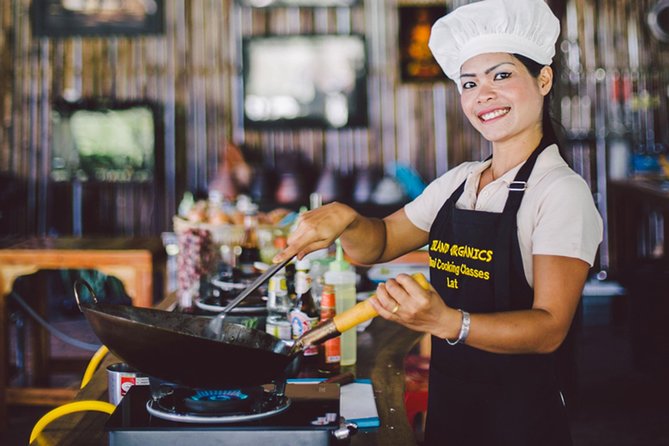
After the garden walk, you harvest your own herbs and vegetables to contribute to the cooking. This is one of the biggest reasons the class feels authentic.
Harvesting changes how you cook. When you pick the ingredient yourself, you notice the scent and texture in a way you don’t get from supermarket shopping. It also makes the whole day feel less like a show and more like you’re building your meal from scratch.
If you enjoy cooking for real at home, this is the part you’ll remember when you’re trying to recreate Thai flavor. You’ll have a mental map of what ingredients look like when fresh, and how they should behave in curry paste, soups, and stir-fry.
Step 3: the cooking kitchen—hands-on, station-based, not lecture-heavy
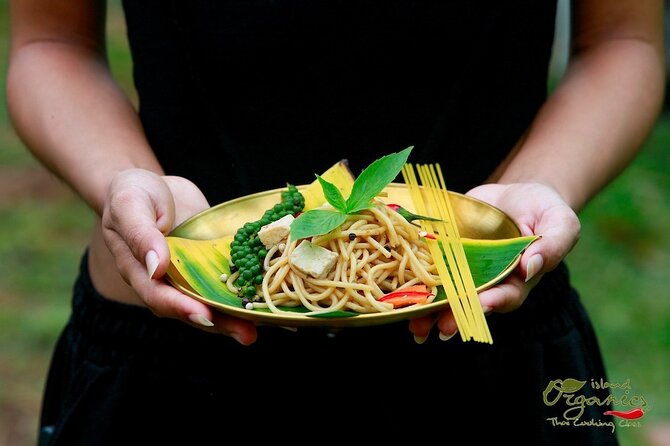
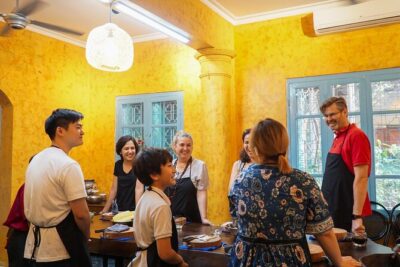
Then you switch gears to a purpose-built Thai cookery kitchen where everything is set up for you to work. The class is structured around having your own cooking station, which keeps the pace moving even with mixed experience levels.
You’re not required to know how to cook. The point is to learn the process step by step: prep, combine, taste-balance, and cook. Chef Lat and the helpers guide you through each stage so you’re not stuck guessing.
You’ll also use the equipment and ingredients provided, so you’re not hunting for specialty tools while on vacation. This is a big deal if you’re traveling light and want the class to do the heavy lifting.
The core skills you’ll practice: curry paste, coconut cream, herbal drinks
A Thai meal is more than one dish. This class teaches you key building blocks that show up across Thai cooking.
Curry paste from scratch
You’ll practice making curry pastes. That’s the flavor engine for Thai curries, and learning it helps you understand why certain dishes taste different even when they use similar ingredients. You also get a sense of how herbs and aromatics should smell and feel as you grind and combine them.
Coconut cream
You’ll also make coconut cream (as part of the class’s cooking flow). Coconut brings sweetness and body, and learning how it’s made helps you adjust at home. You’ll have a clearer idea of what “creamy” means in Thai cooking and how it balances heat and sour flavors.
Herbal drink and chemical-free theme
You’ll make a herbal drink as part of the session, and the overall experience is framed as chemical-free. You’re tasting the kind of flavors Thai cooking aims for: fresh herbs, light sweetness, and cooling herbal notes that help reset your palate during a meal.
Step 4: your four Thai recipes—and which classics you can expect
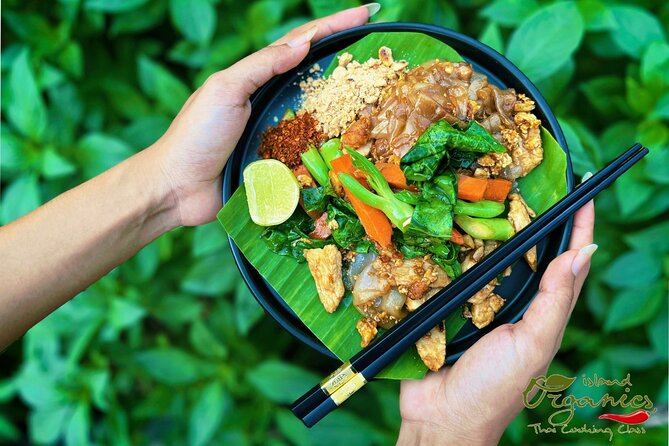
The class is built around 4 traditional Thai recipes plus the core skills above. The exact combinations can vary, but you’ll see classic dishes taught that many people associate with Thai comfort food.
From the information shared, dishes include popular Thai favorites such as:
- Pad Thai
- Papaya salad
- Tom Yum
- chicken cooked in coconut cream/milk soup
The important part isn’t just the names. It’s that the recipes are designed to be easy to recreate later. You handle the prep and cooking yourself, so you don’t just learn what to add—you learn when to add it, and what the dish should look like at each step.
You’ll also get complimentary dessert at the end. By the time you sit down to eat, you’ll likely feel like you earned every bite.
Why the QR code and digital recipes are more useful than you think
You’ll scan a QR code for class recipes and additional information. That means you’re not trying to remember measurements in the final minutes of vacation energy.
On top of that, the experience includes a digital guide style takeaway mentioned as a big help for recreating dishes at home. For many people, that’s the difference between liking Thai food and actually cooking it. You’ll have the steps in front of you when you’re back in your kitchen with normal grocery store options.
If you want the most value from the class, take notes during prep. Even if the QR code exists, writing down what you changed on the fly—like how you adjusted spice intensity or sauce thickness—makes your at-home version better.
Dietary needs and group comfort: veg, vegan, gluten-free
This class explicitly states that veg/vegan and gluten-free options are available. That’s a practical plus, because Thai cooking often relies on specific ingredients and sauces.
You’ll want to tell the team your needs clearly when you arrive (or during booking, if that’s how your ticket is set up). Since you’re cooking and tasting as you go, adjustments can happen more easily when the kitchen knows your requirements early.
Also, the class is capped at 16 travelers, which helps keep the stations functional. If you’ve done classes with huge groups, you know how fast it turns into a “wait your turn” experience. Here, it’s structured to keep you actively working.
Kids, cruise ships, and other fit checks
This is worth stating plainly. Children under 10 aren’t able to attend for safety concerns. Also, cruise ships can’t be hosted due to timing and logistics.
If you’re traveling with a younger family member, this likely won’t work. If you’re arriving on a cruise, you’ll need a different activity that matches your ship schedule.
Another small practical note: it requires good weather. That doesn’t mean it’s ruined if clouds show up, but it does mean you should plan around outdoor parts of the experience and be flexible on dates.
Who this cooking class suits best on Koh Samui
This is ideal if you:
- want hands-on cooking, not a demo
- care about ingredient origins and sustainability themes
- want classic Thai recipes you can actually repeat at home
- like a lively, teacher-led environment led by Chef Lat
It also works well for beginners because the class is designed to teach. Even if you don’t cook often, you’ll get structured steps and support while you chop, grind, and cook.
Should you book this Island Organics Thai Cooking Class?
If you’re choosing one cooking experience on Koh Samui, I think this is a strong pick—mostly because the class is built as farm to kitchen to table, not just kitchen-only.
Book it if you want real technique, fresh ingredients tied to the micro farm, and recipes that come with a follow-along guide (QR code and digital support). Skip it if you’re on a cruise, traveling with kids under 10, or you hate outdoor walking as part of an activity.
If your goal is to leave with both Thai flavor confidence and the steps to reproduce dishes back home, this one is set up to deliver.
FAQ
What time does the Koh Samui Thai cooking class start?
It starts at 10:00am and ends back at the meeting point after about 4 hours.
How long is the experience?
The duration is about 4 hours (approx.).
What will I cook during the class?
You’ll practice 4 traditional Thai recipes and also make key items like curry paste, coconut cream, and a herbal drink.
Is the class suitable for vegans or people who need gluten-free options?
Yes. Veg/vegan and gluten-free options are available.
Are children allowed to attend?
Children under 10 years old aren’t permitted due to safety concerns.
What happens if weather is bad or plans change?
The experience requires good weather. If it’s canceled due to poor weather, you’ll be offered a different date or a full refund. There is free cancellation up to 24 hours in advance for a full refund.