REVIEW · BOLOGNA
Bologna: Pasta and Tiramisu Small Group Cooking Class with Wine
Book on Viator →Operated by The Roman Food Tour - Food Tour Rome · Bookable on Viator
Fresh pasta happens fast. And in Bologna, it also happens with wine in the room. This small-group class pulls you behind the scenes of a real Italian restaurant setup, then gets you cooking regional favorites.
I love how you get step-by-step pasta dough coaching (including flour choices and the pasta fresca vs pasta secca difference). I also like that you don’t just cook and leave: you sit down together for lunch or dinner and eat what you made, paired with wine.
One big consideration: this isn’t a good fit if you need to avoid eggs, dairy, or gluten, since the traditional recipes include all three and cross-contamination can’t be fully guaranteed.
In This Review
- Key highlights to know before you go
- Casa Altabella and the Prosecco welcome
- What happens in the kitchen: pasta dough, flour, and fresca vs secca
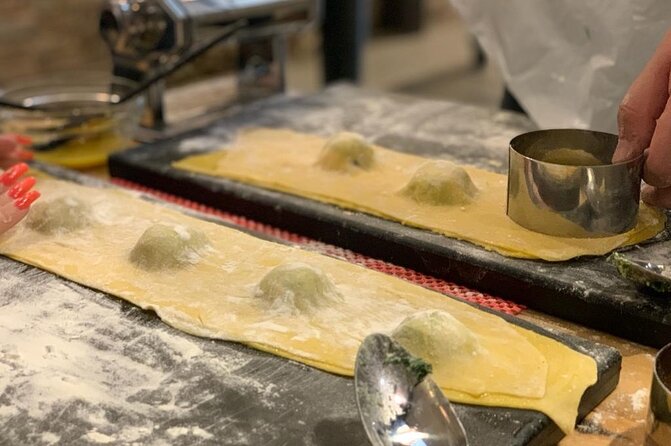
- From dough to fresh pasta: fettuccine and ravioli (with classic fillings)
- The tiramisu portion: making the dessert that seals the deal
- Lunch and wine pairing: what’s included, and what to watch
- The group vibe: 12 people max and the instructor style
- Timing, pace, and how to plan your evening
- Value check: is $71.38 worth it in Bologna?
- Dietary needs: eggs, dairy, gluten, and cross-contamination reality
- Who should book this Bologna cooking class, and who shouldn’t
- Should you book it?
- FAQ
- How long is the Bologna pasta and tiramisu cooking class?
- What does the price include?
- What dishes will I learn to make?
- Is the class offered in English?
- Is wine actually included?
- How big is the group?
- Is this cooking class suitable for people with egg allergies or gluten intolerance?
- Are vegan or lactose-free substitutes available?
- Can I cancel for free?
Key highlights to know before you go
- Welcome Prosecco first, then a quick look at how an authentic Italian restaurant runs
- Pasta dough lessons with practical tips on flour and fresh vs dried pasta
- You make the meal, including fresh pasta and a classic tiramisu
- Shared sit-down lunch or dinner with fine wine included
- Small group size (max 12) with English instruction and a mobile ticket
- Dietary limits matter: substitutions exist, but the traditional recipe still guides the class
Casa Altabella and the Prosecco welcome
The experience starts at Casa Altabella (Via Altabella, 12a, 40126 Bologna). It’s close to public transportation, so you’re not stuck hunting for a parking spot after a day of walking.
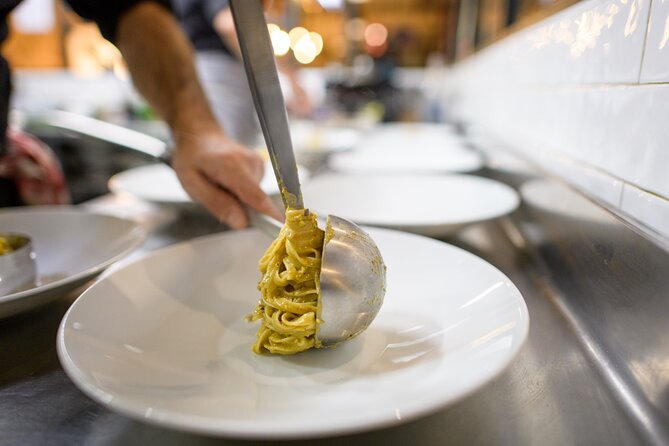
When you arrive, you step inside and get a welcome glass of Prosecco. Then you’ll go behind the scenes to see how the restaurant operation works before you take over the kitchen area with your apron.
This setup matters. It turns the class from a demo into something closer to learning inside an active workplace.
You can also read our reviews of more tours and experiences in Bologna.

What happens in the kitchen: pasta dough, flour, and fresca vs secca
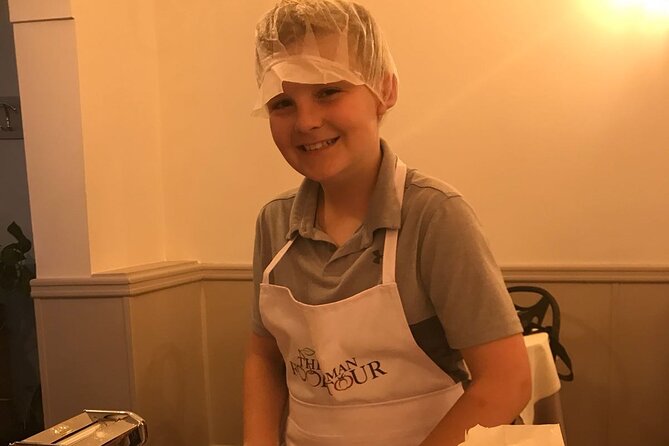
Once you’re at your station, the focus gets very hands-on. You’ll learn the art of making the perfect pasta dough for Bologna-style fresh pasta, with guidance that covers ingredients and technique.
You also learn a key concept: the difference between pasta fresca and pasta secca. In plain terms, fresh pasta and dried pasta behave differently, and the dough you make today is built for that fresh, tender bite.
The class includes practical flour talk too. You’ll learn which type of flour to use and how that choice affects the dough consistency as you work it.
If you like learning by doing, this is where the class earns its money. You’re not just watching. You’re shaping dough, adjusting as you go, and getting direct feedback while the clock is still friendly.
From dough to fresh pasta: fettuccine and ravioli (with classic fillings)
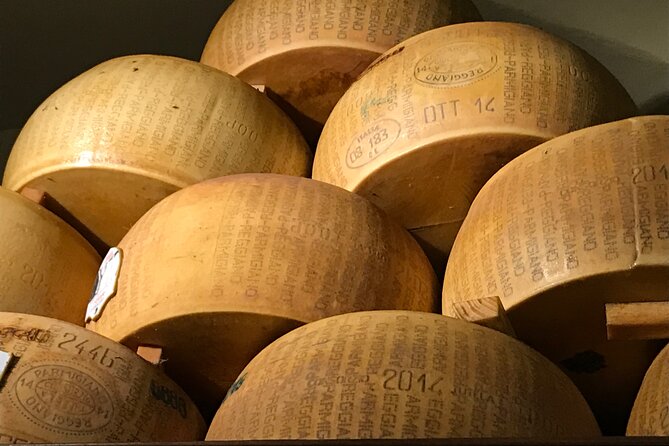
After your dough is ready, the menu takes shape. You’ll work toward pasta dishes that match what Bologna is known for, including fettuccine and ravioli.
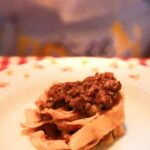
The sample menu shows the sauces and pairings used around your cooking: tomato sauce, plus ravioli with ricotta and spinach, finished with butter and sage. You’ll also see prosecco and wines connected to the meal, so your work in the kitchen links directly to what’s served at the table.
This is the part that helps you later at home. When you understand what the dough is supposed to feel like, it’s easier to repeat the process rather than chasing a recipe blindly.
Small-group cooking is also a realism check. Someone has to roll, someone has to fill, someone has to handle timing. In a group capped at 12, it’s usually more workable than the big classes that feel like a conveyor belt.
The tiramisu portion: making the dessert that seals the deal
Then it’s dessert time: tiramisù. The class teaches you how to prepare it step by step, with the goal of getting you a finished dessert that tastes like the real thing, not like a “good effort” experiment.
Tiramisu is a great choice for a cooking class because it’s not just about mixing. It’s about texture and timing—what you do affects how it sets and how it tastes when served.
You’ll learn how to build the dessert properly, then you’ll get to sit down and enjoy it as part of the shared meal. That closing step is underrated. You get instant feedback on whether your method worked.
Lunch and wine pairing: what’s included, and what to watch
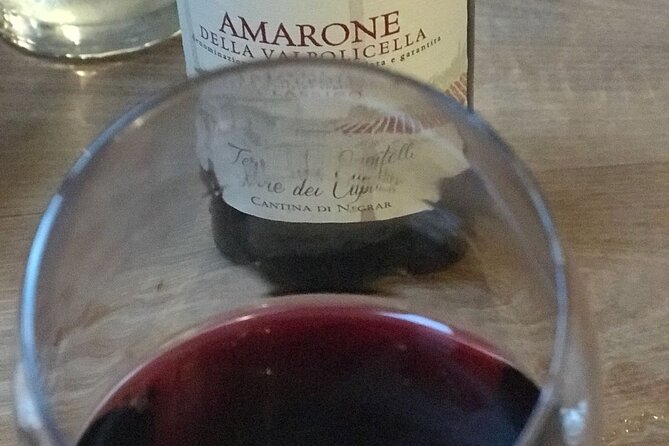
This class includes lunch with fresh pasta, tiramisù, and fine wine. You’ll sit down together as a group for lunch or dinner while sipping wine that pairs with your meal.
In theory, that means the meal part feels relaxed and satisfying, not like another rushed stop. And a lot of the feedback highlights exactly that wine-and-food combo.
That said, there are a few past issues worth flagging. Some groups reported wine not arriving as expected, or needing to ask. So if you’re the type who hates awkwardness, I’d simply make sure the host understands you want wine with your meal early on—before you’re already settled and hungry.
The group vibe: 12 people max and the instructor style
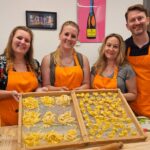
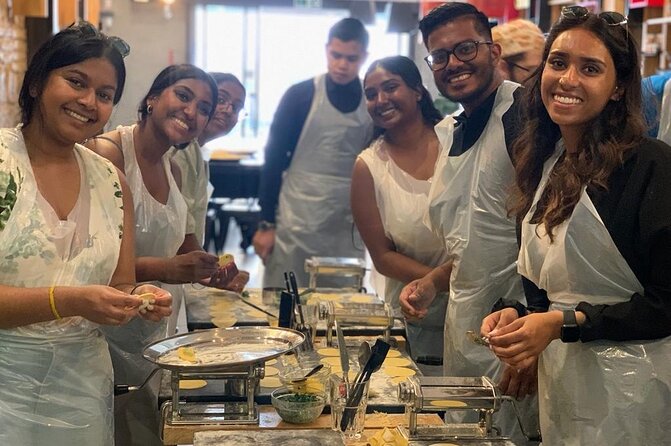
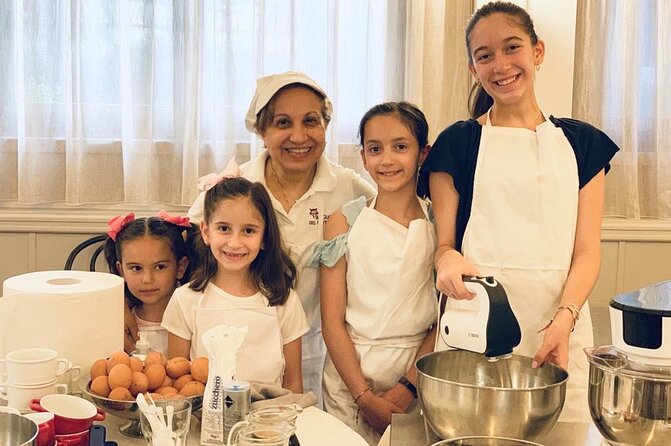
The group maximum is 12 travelers, which usually keeps things from turning into chaos. You’ll have your own workstation, and you’re actively cooking rather than standing on the sidelines.
Instructor names show up often in the comments, and it paints a clear pattern: people rave about hosts like Luca, Steven, Pete, Neha, Maria, and Al for keeping the mood friendly while teaching the technique. When an instructor is hands-on, you waste less time guessing what to do next.
A family-friendly note also shows up. Some families said the class works well even with kids, mainly because everyone can participate at their own pace.
The one caution: if your class runs a little late for any reason, the “tightly timed kitchen” feeling can show up. On the bright side, the class is still designed for about 3 hours, so you’re not stuck half a day in a cooking room.
Timing, pace, and how to plan your evening
The total duration is about 3 hours. That fits nicely into a Bologna day when you want something more fun than another museum ticket.
Still, plan your schedule with a buffer. Cooking takes time, and wine plus dinner-style eating can push you later than you expect. One caution from the feedback: a few people said the meal didn’t start until very late, which can be rough if you’ve got an evening reservation.
So I’d treat this as a “main event” slot on your calendar. Do sightseeing earlier, or save lighter activities for afterward.
Value check: is $71.38 worth it in Bologna?
At $71.38 per person, you’re paying for three things at once: the teaching, the ingredients, and the meal with wine. In a city like Bologna, that matters because many food experiences are either “hands-on but no meal” or “meal but no real instruction.”
Here, you get both: you make fresh pasta and tiramisu, then you sit down to eat them with included wine. For me, that’s the real value. It’s not just the class. It’s the payoff.
Small group size also helps justify the price. When you cap at 12, you’re more likely to get corrected on your dough and filling method instead of just being told to keep going.
If you want to buy food in Bologna and cook nothing, you’ll spend less. But you won’t leave with technique you can recreate, which is the real souvenir here.
Dietary needs: eggs, dairy, gluten, and cross-contamination reality
This class is not recommended for:
- egg allergy
- vegans
- lactose intolerance
- gluten intolerants or gluten allergy
The important detail is this: substitutions may be available, but instructions still focus on the traditional recipe, which includes gluten, dairy, and eggs. And they can’t guarantee 100% freedom from cross contamination.
So what should you do?
If you have serious allergies, I’d skip this unless you can confirm your exact risk level with the operator ahead of time. If you’re only mildly sensitive, you still might find it risky because kitchen environments don’t change just for one group.
If dietary limits are a concern, this is also the kind of experience where choosing a different class can be smarter. Food education is fun, but not at the cost of safety.
Who should book this Bologna cooking class, and who shouldn’t
This works best if you want:
- a practical cooking lesson with real steps
- Bologna staples like fresh pasta and classic tiramisù
- a small-group vibe (max 12) instead of a crowded demo
- a meal with wine included, so your evening doesn’t require extra bookings
It’s not a great fit if you:
- need strict allergy-safe cooking (eggs/dairy/gluten)
- want a fully vegan or lactose-free experience
- hate wine or want a fully non-alcohol dinner (wine is part of the format)
Also, if you dislike anything with wine flowing and a social kitchen atmosphere, you might feel out of place. The experience is designed to be fun, not clinical.
Should you book it?
Yes, if your goal is to leave Bologna with hands-on technique and a finished meal you can actually taste. The combination of Prosecco, fresh pasta instruction, tiramisu making, and a sit-down lunch or dinner with wine is a strong package for the price.
I’d book it especially if you love food and want an experience that’s more than watching. And the small group size helps you learn without feeling lost.
Skip it if dietary restrictions are strict. The class follows traditional recipes, and cross-contamination can’t be fully guaranteed.
If you do book, go hungry, ask about wine early if that part matters to you, and plan for a main-event time block in your day. You’ll get a memorable meal plus a skill you can repeat long after you’ve left Bologna.
FAQ
How long is the Bologna pasta and tiramisu cooking class?
It runs for about 3 hours.
What does the price include?
Lunch or dinner is included, with fresh pasta, tiramisù, and fine wine. Gratuity is not included.
What dishes will I learn to make?
You’ll make fresh pasta (the sample menu includes fettuccine with tomato sauce and ravioli with ricotta and spinach) and you’ll learn tiramisù.
Is the class offered in English?
Yes, the class is offered in English.
Is wine actually included?
Fine wine is included with the meal, and you also get a welcome glass of Prosecco at the start.
How big is the group?
The class has a maximum group size of 12.
Is this cooking class suitable for people with egg allergies or gluten intolerance?
No. It’s not recommended for egg allergy or gluten intolerance/allergy, and it’s also not recommended for lactose intolerance.
Are vegan or lactose-free substitutes available?
Substitutes may be offered for allergies or preferences, but the instruction focuses on the traditional recipe that contains gluten, dairy, and eggs. Cross-contamination cannot be guaranteed.
Can I cancel for free?
Yes. You can cancel for a full refund if you cancel at least 24 hours before the experience’s start time.