REVIEW · CHENGDU
Half-Day Chengdu Cooking Class with a Local Market Visit
Book on Viator →Operated by Chilli Cool China · Bookable on Viator
Spice-market mornings and dumpling nights beat a tour bus. I love the walk through Liangjiaxiang market and the hands-on lessons with Chef Jerry. The cooking is great, but it’s a tight half-day sprint, and the market part runs in all weather.
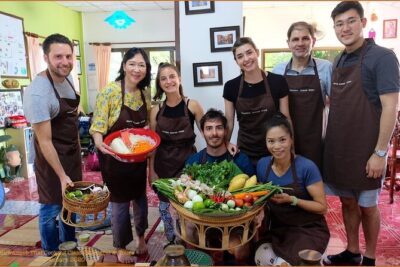
This is one of those Chengdu activities that feels practical, not just performative. You get an English-speaking guide, ingredients, meals, and recipes—plus a small group size (up to 15), so you can actually ask questions. There’s also a vegetarian option, and the team has experience accommodating it.
In This Review
- Key Highlights You’ll Feel Fast
- Why Liangjiaxiang Market Changes How You Cook Sichuan
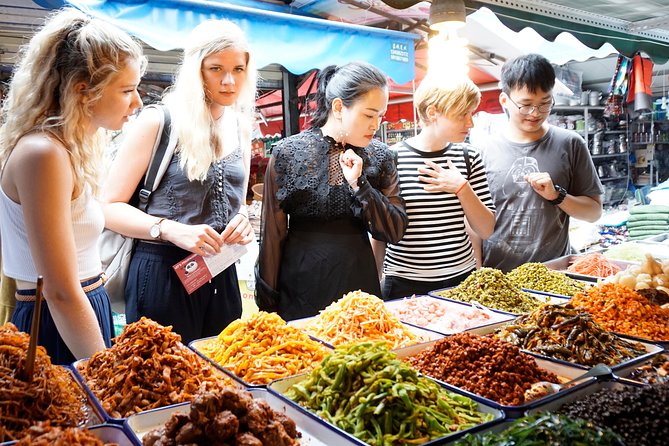
- The Market Walk: Spices, Produce, and Questions You Can Actually Ask
- Tea Break in a Traditional Workshop (A Calm Reset Before the Wok)
- Chilli Cool’s Kitchen: Clean Setup, Clear Instruction, Real Cooking Skills
- What You’ll Cook: Classic Sichuan Dishes and the Techniques Behind Them
- Eating Your Work: Drinks Included and Lunch or Dinner in the Flow
- Price and Value: Why $90 Works Here (If You Want the Skills)
- Group Size and Timing: What the 4 Hours Feels Like
- Vegetarian Option: Real Accommodation, Not an Afterthought
- Meeting Point and Getting There Without Stress
- Who Should Book This Class (And Who Might Skip It)
- Should You Book This Chengdu Cooking Class?
- FAQ
- How long is the cooking class?
- Where does the experience start?
- Is there an English-speaking guide?
- What’s included in the price?
- Is it vegetarian-friendly?
- What’s the minimum age?
- How big are the groups?
- Does it run in bad weather?
- Do I need passport details for booking?
- What should I wear?
Key Highlights You’ll Feel Fast
- Liangjiaxiang market time first, so spices and produce make sense before the wok starts
- Spice-focused explanations tied to real dishes, not generic food history
- Chef-led hands-on cooking with step-by-step technique and tasting as you go
- Tea and drinks included, so the meal feels like a full experience, not a rushed snack
- Up to 15 people max, which keeps the class from turning into a conveyor belt
Why Liangjiaxiang Market Changes How You Cook Sichuan
Chengdu’s food isn’t just spicy because it’s spicy. It’s spicy because of ingredients that behave in a pan—chiles, aromatics, fermented bits, and Sichuan pepper effects that start in the nose and then land on the tongue.
I like that this class begins at Liangjiaxiang market. You see what people actually buy, and your guide can point out what’s used and why. Once you’ve handled the ingredients (and heard what to look for), the cooking class stops being a “watch and hope” situation.
Also, the market sets the tone. The guide might introduce stalls, explain how locals pick ingredients, and share how spice mixes get built. You’re not just eating Sichuan—you’re learning the shopping logic behind it.
The Market Walk: Spices, Produce, and Questions You Can Actually Ask
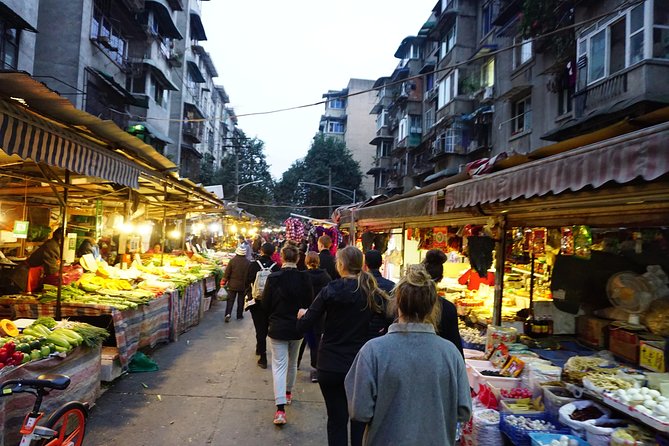
Expect a real market stroll with an English-speaking guide. Some sessions pair you with guides like Lance, while others have you with market helpers such as Litchichi—both styles aim at the same thing: explain what you’re seeing and link it to cooking.
This is where you’ll get the most out of it if you’re curious. You can ask what a certain dried chili is for, what a fresh ingredient adds to texture, and how spice intensity gets managed in Sichuan dishes. The group gets interactive challenges too, so you’re not passively following someone around.
One practical note: markets involve walking, standing, and close quarters. Wear comfortable walking shoes, and plan for the fact that it can be busy and active. Also, since the experience runs in all weather, bring a light rain layer if rain is possible.
Tea Break in a Traditional Workshop (A Calm Reset Before the Wok)
After the market, you shift gears. The experience includes authentic tea in a traditional workshop setting, which gives you a breather from the shopping pace.
This matters because Sichuan cooking rewards attention. Before you start chopping and stirring, you’re more alert. You’ll also get context on how tea fits into everyday food culture—small, quiet moments that make the later meal feel less like a class and more like a full ritual.
If you’re sensitive to strong flavors, the tea also helps you reset your palate before the spice hits again.
Chilli Cool’s Kitchen: Clean Setup, Clear Instruction, Real Cooking Skills
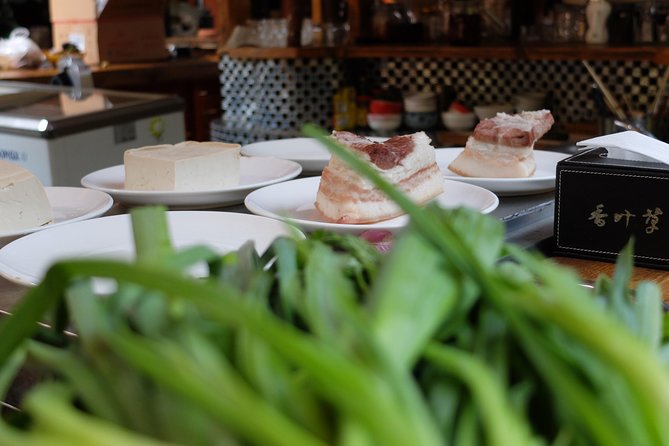
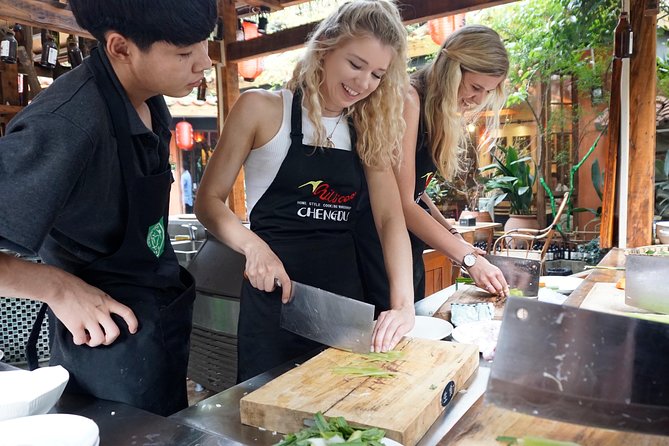
Then you move to Chilli Cool’s Kitchen, the cooking space where the hands-on part happens. One thing I appreciate here is the structure: ingredients are provided, and the chef walks you through technique step by step.
You may cook with chefs such as Chef Jerry, Chef Lei, or other instructors like Auntie Lee (different sessions can feature different chefs). The point is the same: you get a real teacher, not just a translator reading off a screen.
The kitchen itself is designed for group work. That means you’ll spend less time waiting and more time doing. You’ll typically chop, manage heat, and learn timing—three skills that translate back home.
What You’ll Cook: Classic Sichuan Dishes and the Techniques Behind Them
The class is built around making multiple dishes, and the menu can vary by schedule. But across the program, you’ll commonly see Sichuan favorites showing up, like:
- Mapo tofu (often mentioned for its balance of heat and savory richness)
- Kung pao chicken (a stir-fry with bold sauce flavor)
- Dumplings such as chaoshou-style dumplings and/or wontons
- Twice-cooked pork and other stir-fry dishes
- Stir-fried vegetables and simple side items like cucumber salad
What you’re really training, though, is technique. You learn how to heat a wok properly, how to handle oil, how to move through the sequence so ingredients go in when they should, and how to adjust taste as you go.
If you’ve tried to cook Sichuan at home, you know the common problem: the dish looks right in your head, but the flavor timing doesn’t land. This class helps you fix that by giving you a process you can repeat.
And yes—everyone fumbles once. I like that the pace still feels supportive. You’re making real food in a real kitchen, not acting out a recipe from a book.
Eating Your Work: Drinks Included and Lunch or Dinner in the Flow
At the end, you eat what you make. The experience includes food tasting during the cooking process and then a shared meal when the dishes are ready.
Beverages are included too, and some sessions mention beer. It makes the whole thing feel like a meal with friends, not a class where you disappear with a plastic container and a recipe card.
Depending on your class schedule, you’ll have lunch or dinner included. Either way, you’re not just sampling a bite—you’re sitting down and actually tasting your Sichuan output as a group.
This is the moment where the market visit clicks. Ingredients you handled earlier suddenly make sense in sauce form, stir-fry texture, or chili balance.
Price and Value: Why $90 Works Here (If You Want the Skills)
At $90 per person, this isn’t a budget cooking sampler. But it also isn’t just a 4-hour lecture with snacks.
You’re paying for:
- Market time with an English-speaking guide
- Ingredients used in the cooking class
- A meal (lunch or dinner depending on timing)
- Beverages/beer and light refreshments
- Recipes you can take home
In other words, your money goes into doing the whole arc: see the ingredients, cook with them, and eat them. If your priority is learning how to make Sichuan dishes you can repeat, this format usually offers better value than “cook one dish” classes that leave you with nothing but a photo.
If you mainly want casual food tasting and don’t care about technique, you might find the cost harder to justify. But if you’re even a little hands-on, it’s a strong use of a half-day.
Group Size and Timing: What the 4 Hours Feels Like
The experience runs about 4 hours and caps at 15 travelers. That size is ideal. It’s small enough for questions and translation support, but big enough to keep energy up in both the market and the kitchen.
The pacing is quick by design. You’re moving from market exploration to tea to cooking to eating. That’s fun, but it also means you should plan your day so you’re not rushing across town with no buffer.
Also: the activity operates in all weather conditions. So if Chengdu weather is acting up, you’ll still go. Dress appropriately and treat this as a walking experience first, cooking second.
Vegetarian Option: Real Accommodation, Not an Afterthought
If you’re vegetarian, you’ll want to book with the vegetarian option. The experience states it’s available if you advise during booking.
In practice, the team has shown they can adjust for vegetarian diets. Hosts like Lance and instructors have accommodated vegetarian participants while still teaching the Sichuan cooking logic behind the dishes.
That’s a big deal. Some vegetarian adaptations end up tasting like plain tofu and hope. Here, the goal is to keep you in the Sichuan flavor world.
If you have allergies or additional restrictions, advise them at booking so they can plan accordingly.
Meeting Point and Getting There Without Stress
The meeting point is at:
163-11 Yi Huan Lu Bei San Duan, Jin Niu Qu, Cheng Du Shi, Si Chuan Sheng, China, 610051.
The activity is listed as being near public transportation. In real life, that often means you can connect via subway/metro and then walk a short distance. For most people, this is easier than trying to coordinate taxis during busy hours.
Still, don’t underestimate the time it takes to find the exact entrance. Bring your booking details and arrive a few minutes early so you start the market walk without friction.
Who Should Book This Class (And Who Might Skip It)
I’d book this if you:
- Want hands-on Sichuan cooking you can repeat at home
- Like market experiences where you learn what to buy and how to choose
- Enjoy guided flavor explanations tied to ingredients
- Are traveling with a small group or solo and still want personal attention
I’d think twice if you:
- Want a slow, sit-down meal with zero walking
- Prefer cooking from a cookbook over learning technique
- Don’t eat much spicy food and are hoping for a mild, flavor-light session (the class is Sichuan-focused, and that implies heat and aromatics are part of the deal)
Should You Book This Chengdu Cooking Class?
Yes—if you want the full market-to-wok-to-meal arc. This tour is built for people who like doing things, not just watching. The ingredient education at the Liangjiaxiang market and the hands-on cooking with chefs like Jerry or Lei make it feel like you’re learning a system, not memorizing a recipe.
If you’re short on time, it’s still perfect. A half-day is enough to get a memorable meal and walk away with practical steps you can use later. Just come prepared for walking and weather, and you’ll get your money’s worth.
FAQ
How long is the cooking class?
It runs for about 4 hours.
Where does the experience start?
It starts at 163-11 Yi Huan Lu Bei San Duan, Jin Niu Qu, Cheng Du Shi, Si Chuan Sheng, China, 610051, and it ends back at the meeting point.
Is there an English-speaking guide?
Yes. The experience includes an English speaking guide.
What’s included in the price?
Food ingredients, a market tour, food tasting, beverages/beer, light refreshments, and lunch or dinner based on your class schedule. Recipes are also included.
Is it vegetarian-friendly?
Yes. A vegetarian option is available if you advise at booking.
What’s the minimum age?
The minimum age is 5 years.
How big are the groups?
The maximum group size is 15 travelers.
Does it run in bad weather?
Yes, it operates in all weather conditions. You should dress appropriately.
Do I need passport details for booking?
Yes. You’ll need the passport name, number, expiry, and country for all participants.
What should I wear?
Wear comfortable walking shoes, since there’s a market walk.