REVIEW · TBILISI
Join a Local for a Market Tour, Cooking Class and Meal in her Tbilisi Home
Book on Viator →Operated by Traveling Spoon · Bookable on Viator
Tbilisi food starts at the market. This experience pairs a guided walk through the Dezerter Bazaar with hands-on home cooking led by Tina, then you sit down to a proper Georgian meal with local alcohol. I love the market-to-kitchen flow (you buy ingredients, then cook them) and the feeling that you’re eating like a friend of the family, not a student in a studio. One thing to consider: the schedule can feel more relaxed than a strict “class timetable,” so come ready to chat and move with the day.
You’ll spend about four hours total, and it’s set up as a private, personalized outing in English. The menu can shift by season, but the core is consistent: you’ll learn a couple of typical Georgian dishes and finish with dessert or dried fruits.
In This Review
- Key highlights worth your attention
- Dezerter Bazaar: where Georgian flavors start
- Tina’s Tbilisi home: a cooking class that feels like a visit
- What you’ll cook: khachapuri, khinkali, chakhokhbili, and choices
- The meal and local drinks: what’s included, and how it should feel
- Time, setting, and what to expect from the flow
- Price and logistics: is $189 good value?
- Who this tour is best for (and who should think twice)
- Practical tips to make your class go smoothly
- Should you book this Tbilisi market tour and home cooking class?
- FAQ
- How long is the market tour and cooking class?
- What does the tour cost?
- Is the experience private?
- Where does it start and where does it end?
- Do I get picked up from my hotel?
- What’s included in the class?
- Do I cook dishes during the class?
- What dishes are included as examples?
- Are there alcohol drinks included?
- What if I have dietary restrictions or allergies?
Key highlights worth your attention
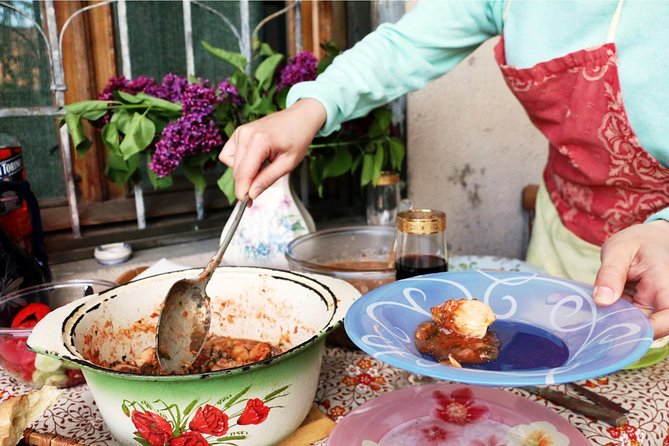
- Dezerter Bazaar shopping for fruits, vegetables, and spices you’ll actually use in class
- Private home cooking with Tina and her family, with a warm, informal vibe
- Cook 2–3 Georgian dishes, often including items like khachapuri, khinkali, and chakhokhbili
- Lunch or dinner options (your timing depends on what’s available)
- Local alcohol included with the meal (typically 1–2 glasses)
- No hotel pickup, so you’ll want to plan an easy arrival near Tbilisi Mall
Dezerter Bazaar: where Georgian flavors start
Dezerter Bazaar is the kind of indoor market that makes you hungry before you even find a cart. The stalls are packed close together, and you’ll see the ingredients Georgians treat as daily staples: bright produce, fragrant piles of spices, and pantry items that don’t look like “tour food” at all.
With Tina, the market tour isn’t just a photo stop. The value is practical. You get a guided sense of what to look for—what’s worth buying, what pairs well, and how these ingredients show up in Georgian dishes. It also gives you a fun advantage: you can purchase a few fresh items that you’ll later cook at home, which makes the class feel rooted in real shopping habits.
One more reason this stop lands well: it helps you understand why Georgian cooking tastes the way it does. Georgia’s flavor profile relies heavily on herbs, spices, and sauces that taste different depending on the season and the household. Seeing the ingredients in person makes the cooking steps easier to follow once you’re back in the kitchen.
You can also read our reviews of more tours and experiences in Tbilisi.


Tina’s Tbilisi home: a cooking class that feels like a visit
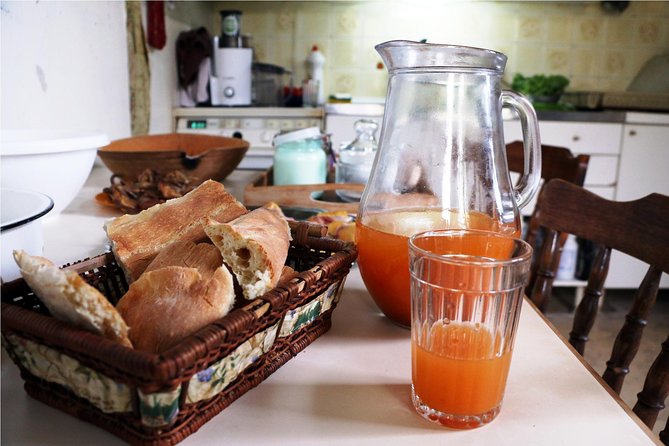
After the market, you head to Tina’s modest family home. The meeting point ends near Tbilisi Mall, so it’s easier to connect the day to the rest of your itinerary afterward.
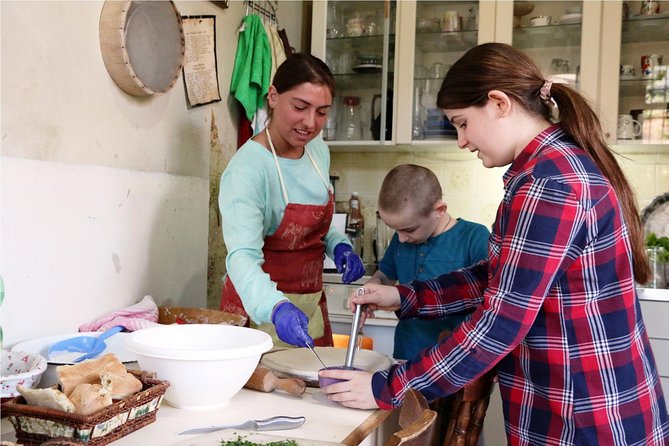
What I like about this setup is that it’s not presented like a performance. You’re welcomed into a real home rhythm—family conversation, meal prep, and cooking in the background while you learn key steps. Several people highlight that they felt treated like family friends, not like paying customers watching from the edge of the counter.
Also, it’s private for your group, which matters more than it sounds. You can ask questions, adjust at the stove, and move at a comfortable pace without competing with a big classroom dynamic.
Possible drawback: because it’s a home experience, the structure can be a little more fluid. If you prefer a very rigid, minute-by-minute program, keep your expectations flexible and let the day breathe.
What you’ll cook: khachapuri, khinkali, chakhokhbili, and choices
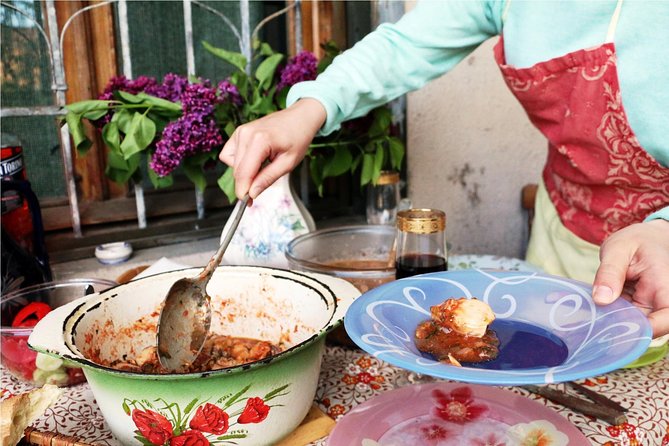
The experience is built around learning two to three Georgian dishes. The exact menu can vary by season, so don’t expect every class to match a single fixed script. Still, the dishes you’ll see most often are classic Georgian staples.
Here are the common dishes listed for the experience:
- Khachapuri: cheese-filled bread, often the kind of comfort food that makes you instantly understand why Georgians love this style of baking
- Chakhokhbili: a chicken stew with fresh herbs, usually punchy and fragrant
- Khinkali: Georgian dumplings, the kind you learn with attention to technique, timing, and folding
- Dessert or dried fruits, depending on what’s seasonally available
From additional dish examples, you might also cook other Georgian favorites such as:
- Mchadi (corn flatbread)
- Lobio (bean dish)
- Walnut dip (often made from walnuts and served with bread or as a side)
- Tkhemali, a plum sauce that shows up in Georgian meals
- Other chicken or herb-based dishes mentioned include Shkmeruli, and other sides like ghomi
One of the smartest features is that you may be able to influence what you cook. Some classes work so that Tina helps you decide what to make based on your preferences, then you shop accordingly at the market. If you’re picky about what you like (or you want to focus on dumplings or chicken dishes only), that flexibility can make the whole experience feel more personal.
The meal and local drinks: what’s included, and how it should feel
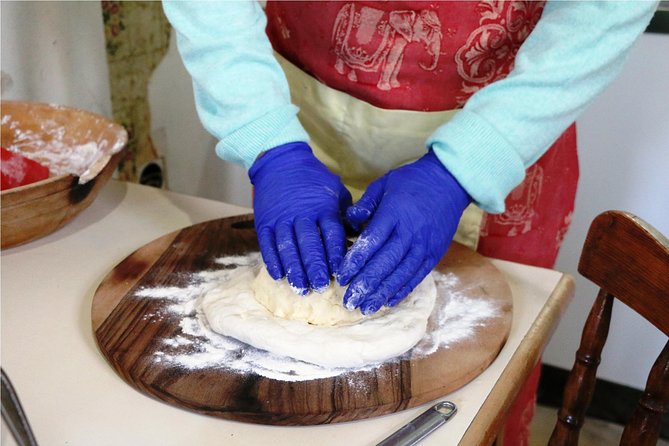
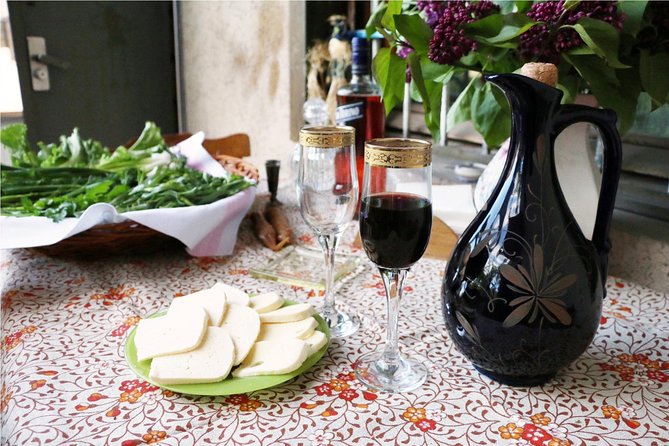
This isn’t just a “taste and run” meal. You’ll cook, sit down, and eat a homecooked Georgian lunch or dinner, plus dessert or dried fruits.
Alcohol is included with the meal: you’ll get 1–2 glasses of local alcohol, along with non-alcoholic beverages. One account notes homemade red wine, which gives you a sense that the drink can feel like part of the household table, not a bottled add-on.
How you should plan your day: treat this as a full meal experience, even if the cooking portion is only part of the total four hours. If you’re doing other sightseeing afterward, have a light plan next—maybe something nearby—because you’ll likely leave fed and slow-walking in a food-coma way.
Dietary needs are handled as long as you tell the organizer at booking. If you have allergies, dietary restrictions, or a cooking preference, it’s on you to share it in advance so Tina can adjust what’s possible.
Time, setting, and what to expect from the flow
The tour is about four hours from market to meal at home. The market stop is around one hour, and then you’ll shift into cooking and eating.
The overall flow tends to follow a sensible arc:
1) Walk the market, identify ingredients, and pick what you’ll need
2) Return to the home kitchen
3) Cook the dishes with guidance and hands-on involvement
4) Eat together, with drinks included
In practical terms, expect to be more active than in a demo class. You’ll likely chop, stir, assemble, and learn technique while Tina guides the process. People describe it as closer to cooking with family than taking a formal course, and that’s the point here. It’s also why some evenings feel more lively than tightly scheduled.
Price and logistics: is $189 good value?
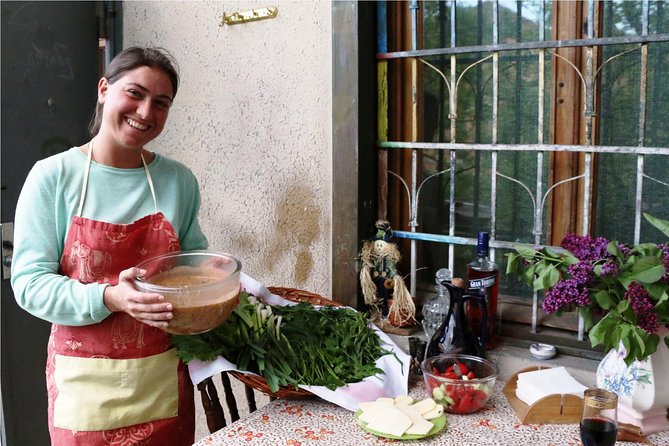
At $189 per person, you’re paying for something that costs more than it looks: private time with a household cook, market guidance, ingredients you’ll use, and a full meal with local alcohol. In many cities, you can find cheaper cooking classes, but they often come with tradeoffs like a group size that limits your participation, fewer real ingredients, or a meal that feels like a snack.
Here, the value is the combination:
- The market shopping is part of the teaching, not decoration
- The private format helps you learn by doing
- The home meal and included drink make it feel like a full cultural experience
There are also savings baked in. The experience notes group discounts, which can make a big difference if you’re traveling with a friend or two. If you’re solo, it’s still a fair deal for what you’re getting, but the “best value” angle usually hits when you split the cost within a small group.
Logistics you need to know upfront:
- No hotel pickup or drop-off
- Start at Dezerter Bazaar, 5 Abastumani St, Tbilisi
- Your experience ends near Tbilisi Mall at Tina’s home area
- It’s offered in English
- You’ll receive a confirmation at booking, and you’ll likely use a mobile ticket
Because there’s no pickup, plan your arrival like you would for any local activity. Give yourself a little buffer so you can find the market entrance and meet Tina without stress.
Who this tour is best for (and who should think twice)
This is ideal if you want Georgian food through real habits, not just through recipes on paper. You’ll probably enjoy it most if you:
- Like markets and want to see spices and produce used in cooking
- Prefer learning by doing—kneading, folding, chopping, tasting
- Want a genuine home-to-table meal, complete with local drink
- Travel as a couple or small group and want privacy
It may be less ideal if you want:
- A strict classroom schedule with zero flexibility
- A large-group “watch and snack” format
- A class that ignores household pace and conversation
If you’re the type who values warmth and interaction, you’re exactly the traveler this is built for.
Practical tips to make your class go smoothly
A few small choices can make the experience feel effortless:
- Arrive a bit early to Dezerter Bazaar so your market hour starts on time
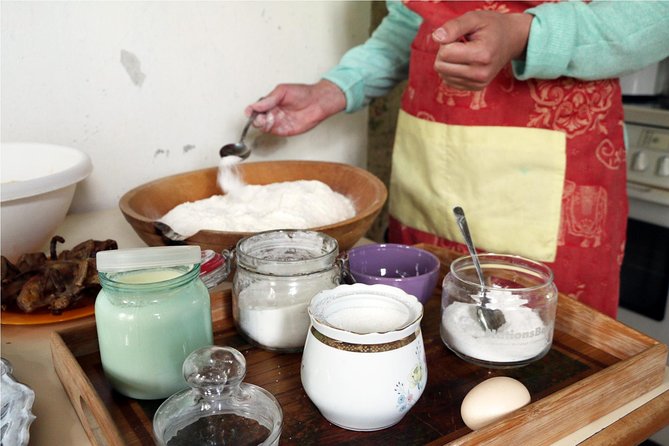
- Think about what you want to cook. If you’re drawn to dumplings or chicken stews, let that guide your ingredient choices
- If you have allergies or dietary restrictions, send them at booking so Tina can adjust the menu
- Wear shoes you can stand in, both at the market and in a home kitchen
- Bring curiosity. Georgian food often balances herbs, sauces, and technique in ways that take one good explanation to click
One more practical note: service animals are allowed, and it’s near public transportation, which makes it easier to plan without needing a complicated ride setup.
Should you book this Tbilisi market tour and home cooking class?
I think you should book if you’re aiming for an authentic Georgian day that includes both shopping and eating, and you don’t mind a home-style pace. The best part is the logic: you buy ingredients in the market, then cook with the same flavors in front of you. Add a private format, a real family table feel, and included local drinks, and the $189 cost starts to make sense.
I’d skip it if you want a highly structured “cookbook performance” with a predictable timetable. In a home setting, conversation and rhythm matter, and the experience is built around that.
If your goal is a memorable, tasty cultural connection in Tbilisi, this is the kind of plan you’ll talk about long after you’re back home.
FAQ
How long is the market tour and cooking class?
The experience runs about 4 hours total, with the market tour taking around 1 hour.
What does the tour cost?
It costs $189.00 per person.
Is the experience private?
Yes. It’s private for your group only.
Where does it start and where does it end?
It starts at Dezerter Bazaar, 5 Abastumani St, Tbilisi. It ends at Tina’s home near Tbilisi Mall.
Do I get picked up from my hotel?
No. Hotel pickup and drop-off are not included.
What’s included in the class?
You get a private market tour and cooking class with Tina, plus a homecooked meal. Local alcohol (1–2 glasses) and non-alcoholic beverages are included, along with all taxes and gratuities.
Do I cook dishes during the class?
Yes. You learn to cook 2–3 typical Georgian dishes. The menu can vary by season.
What dishes are included as examples?
Examples include khachapuri, chakhokhbili (chicken with herbs), khinkali (Georgian dumplings), and dessert such as traditional sweets or dried fruits.
Are there alcohol drinks included?
Yes. Local alcohol is included with the meal, typically 1–2 glasses.
What if I have dietary restrictions or allergies?
You should advise any allergies, dietary restrictions, or cooking preferences at the time of booking so Tina can plan accordingly.