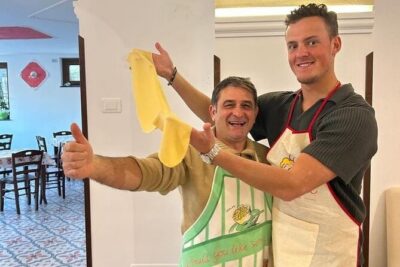
Cooking at a real Kutaisi table is different. This traditional Georgian class is hands-on, in a family home kitchen, where you cook iconic dishes like khinkali and khachapuri and finish by eating what you made with homemade wine.
I especially like the way the teaching feels personal. The host family support is warm and practical, with people like Luca and his grandparents helping you along, and you also get to use local ingredients in a real cooking setup, not a staged demo. One drawback to plan for: Google Maps can show the wrong spot, so you’ll want to search the specific house address.
In This Review
- Key things to know before you go
- A Kutaisi family kitchen beats a restaurant meal
- Finding the meeting point (and why you should trust the address)
- What the 2-hour cooking session feels like
- Nigvziani Badrijani: eggplant rolls with walnut paste
- Khinkali dumplings: how the class makes them feel doable
- Khachapuri and seasonal pkhali: building a real Georgian plate
- Homemade wine and the shared meal moment
- Price and value: is $35 worth it?
- Who this Kutaisi class is perfect for (and who should skip it)
- Should you book this Georgian cooking class in Kutaisi?
- FAQ
- How long is the Traditional Georgian Cooking Class in Kutaisi?
- What dishes will I learn to cook?
- Is the class offered in English?
- Is this a private tour or shared group?
- Will I eat what I cook?
- Where is the meeting point?
- What if Google Maps shows the wrong location?
- When will I receive confirmation?
- Can most travelers participate?
- What is the cancellation policy?
Key things to know before you go
- You cook the classics: nigvziani badrijani, khinkali, khachapuri, and a seasonal pkhali spread (spinach or leek).
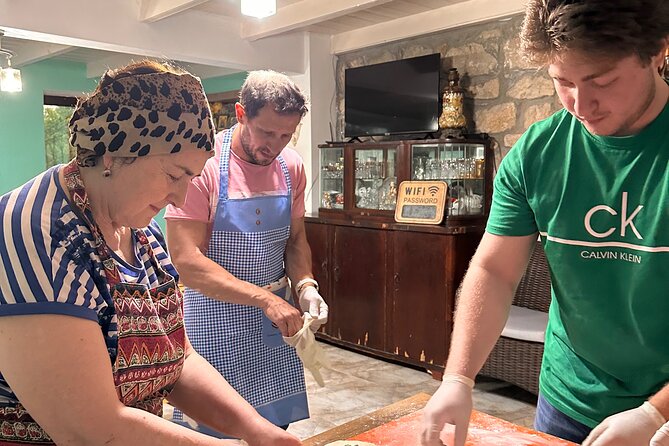
- It’s in a real home kitchen: expect a friendly, lived-in setting where you do the work.
- Host-family teaching: help comes from the family, including Luca and his grandparents (based on prior groups).
- You eat the results together: homemade wine plus the dishes you just made.
- Private group for your party: only your group participates, so it feels less like a production.
- Google Maps may be off: double-check the house location you’re given.
A Kutaisi family kitchen beats a restaurant meal

If you want to understand Georgian food, watching it happen is only half the story. This class is built so you’re not just eating; you’re cooking the dishes that locals actually make and talk about, using the ingredients you’d expect in western Georgia.
What I like most is the mix of dishes. You get a starter that teaches technique (eggplant rolls with walnut paste), a dumpling that teaches timing and shaping, and a cheese bread that feels forgiving even when you’re new to it. You’ll also add a fresh seasonal pkhali spread, choosing between spinach or leek, so the table ends up feeling balanced rather than repetitive.
The other big plus is the family feel. It’s not a formal studio class where you’re herded through steps. You’re welcomed into their home, and the atmosphere stays relaxed while you learn.
Finding the meeting point (and why you should trust the address)
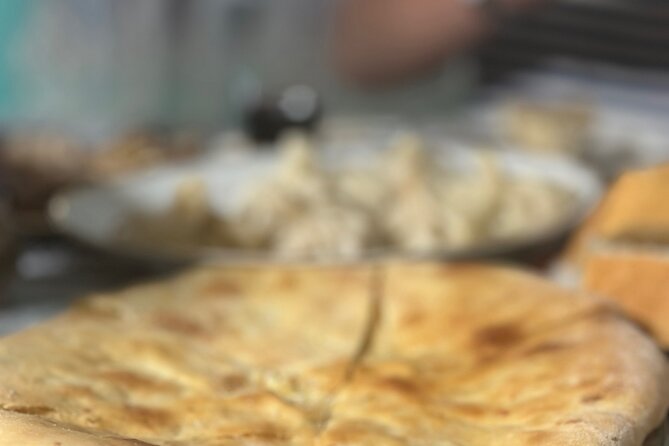
The start point is near 7PGJ+46 Kutaisi. That’s helpful if you’re using a phone map and want a quick pin, and it also means you’re generally in an area that’s reachable without complicated transfers.
That said, here’s the practical catch: Google Maps does not always display the address correctly. The best move is to search the specific house address you’re given rather than relying on the map pin. If you’ve ever arrived somewhere and thought, this isn’t right, this will save you time and stress.
Also note the practical detail that it ends back at the meeting point. That makes planning easier because you don’t have to figure out a new route after the class.
What the 2-hour cooking session feels like
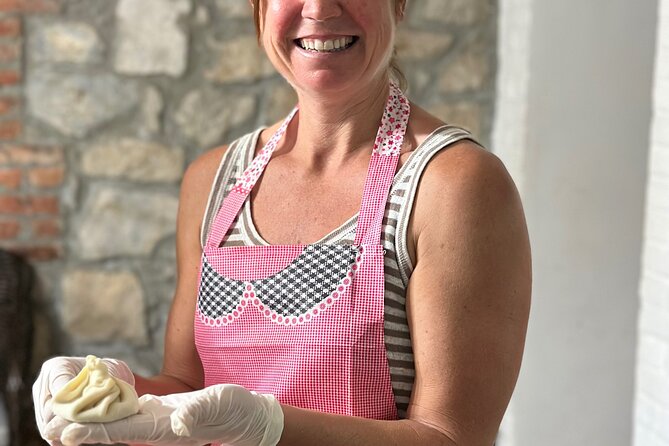
This is scheduled for about 2 hours, and the whole flow is designed to keep you moving. You’ll start with the foods you came for, then work through multiple dishes rather than spending all your time on just one.
In a home setup like this, you’ll typically rotate between stations as the cooking progresses. That matters because Georgian dishes can involve different textures and timings: eggplant softens, dumpling filling gets portioned, and bread needs the right handling so it doesn’t end up dense.
The payoff is that the end of class is also the meal. You’ll sit down to enjoy what you make together, with homemade wine as part of the experience. It’s not just a class where you take home a neat plate. You get the full social moment: cooking, eating, and chatting at the same table.
Nigvziani Badrijani: eggplant rolls with walnut paste
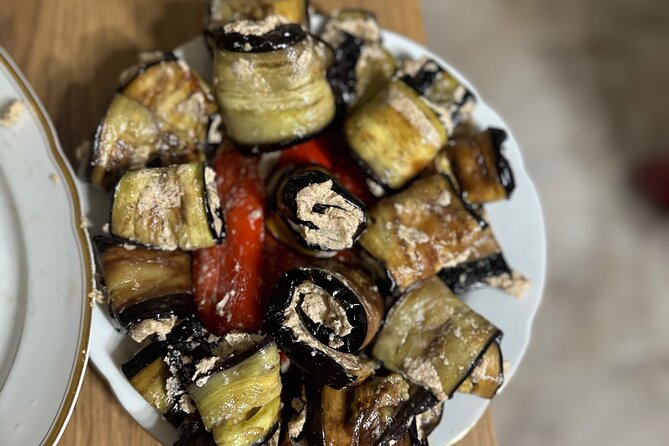
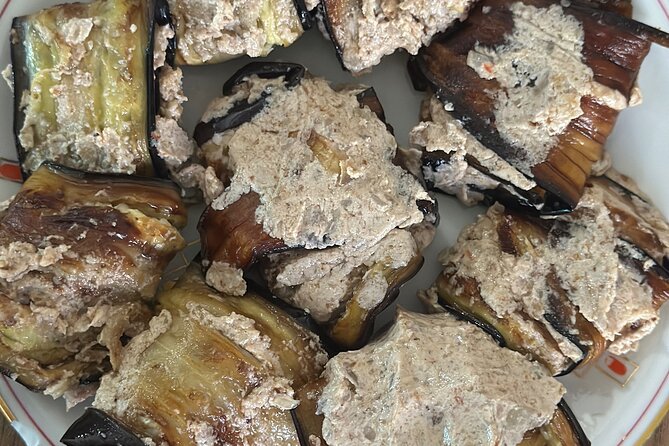
Nigvziani badrijani is the starter, and it’s a great choice for first-timers because it teaches a core Georgian flavor pattern: nutty, savory, and herb-forward.
Here’s what to pay attention to. Eggplant needs softness so you can roll it without tearing. Then the walnut paste does the heavy lifting, so getting the texture right is key. You’re working with local ingredients, and in a home kitchen that often means the paste tastes fresher than what you might expect from jarred versions.
This starter also sets the tone for the rest of the evening. Once you taste it, the dumplings and bread start to make more sense. You get a feel for how Georgian meals build from one strong idea to the next: texture, herbs, and comfort.
If you like foods that aren’t just bread-and-butter comfort, this one delivers. It’s not bland, and it’s not complicated in a way that requires special equipment.
Khinkali dumplings: how the class makes them feel doable
Khinkali are the headline dish for a reason. They’re juicy Georgian dumplings, and they can look intimidating at first glance, especially if you’re new to folding dough.
The good news is that a class like this turns intimidation into a step-by-step routine. You’ll learn the process as part of the group experience, guided by the host family, so you’re not left to figure it out on your own.
What you should expect during dumpling time:
- Dough handling so the dough supports the filling rather than leaking.
- Filling portioning so every dumpling is consistent.
- Shaping that helps you cook evenly.
Also, plan to slow down during this part. Dumplings are one of those foods where your early pace matters more than your speed later. The goal isn’t perfection; it’s getting the dumplings cooked well and tasting the difference when you follow the steps.
After cooking, you’ll eat them as part of the shared dinner. That’s the moment the lesson sticks. You don’t just learn a method; you taste it right away.
Khachapuri and seasonal pkhali: building a real Georgian plate
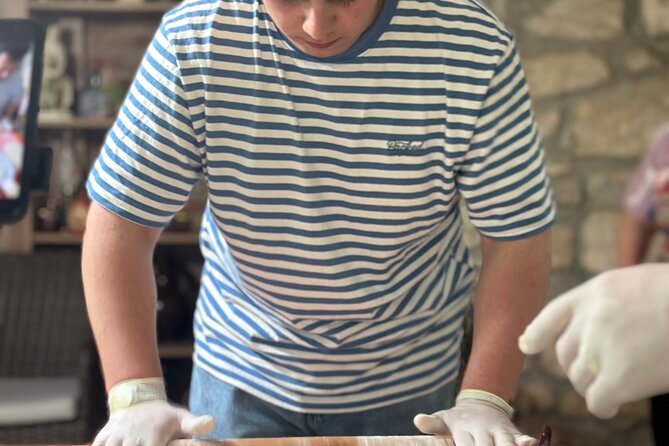
Khachapuri is the cheese-filled bread on the menu, and it’s one of the most satisfying things to learn in a short class. Bread feels approachable because it’s forgiving, and cheese does a lot of work for you.
One detail that really helps your understanding: you’re cooking in a family home where the ingredients taste like they came from their local routine. In prior experiences, people noted homemade cheese as part of the setup, which you can take as a sign that this isn’t based on bland, prepackaged ingredients.
You’ll also make fresh seasonal pkhali. This is a vegetable-and-walnut spread, and your choice is spinach or leek. That choice matters because pkhali isn’t just a side. It brings a different texture and a bright flavor to balance the heavier dumplings and bread.
If you want a full Georgian dinner feeling, this combination is smart. The table ends up with:
- one dish that’s nutty and savory (walnut paste starter),
- one that’s filling and juicy (khinkali),
- one that’s warm and comforting (khachapuri),
- and one that adds freshness (seasonal pkhali).
Homemade wine and the shared meal moment
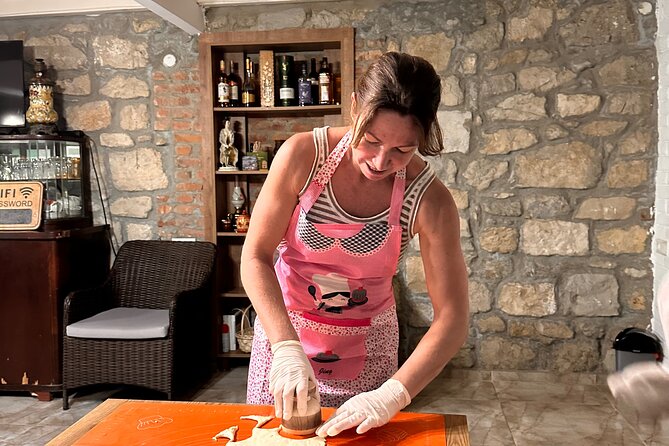
A lot of cooking classes end with you leaving before you actually experience the meal. Here, you cook and then sit down to enjoy what you made together, with homemade wine included.
That changes the vibe. It becomes less like a workshop and more like an evening in someone’s home. You get the chance to ask questions while food is on the table, and you also learn which parts of the dishes the family thinks are most important.
It’s also the time when the evening’s story clicks. When you taste nigvziani badrijani right after shaping the components, you understand the role of the walnut paste. When khachapuri hits the table warm, you understand why Georgian comfort bread is worth learning even if you’re not a bread person at home.
If you’re coming in hungry, do yourself a favor and keep that energy. You’ll likely leave stuffed, not because the food is excessive, but because it’s a real multi-dish dinner you helped prepare.
Price and value: is $35 worth it?
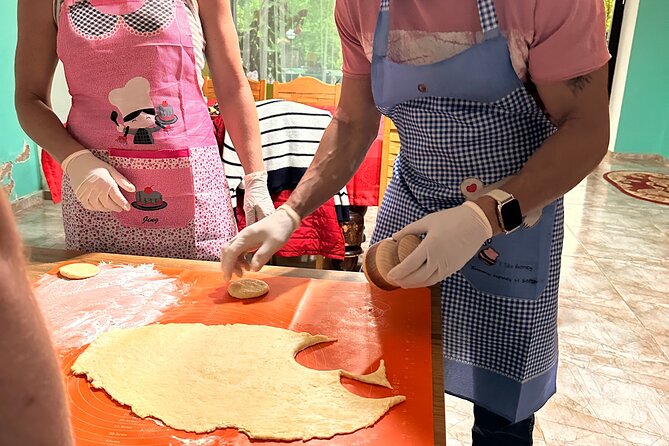
At $35 per person for about two hours, the value makes sense when you consider what’s included and what you actually do.
You’re not paying just for instruction. You’re paying for:
- a hands-on cooking experience for several signature dishes,
- a sit-down meal,
- and homemade wine as part of the evening.
In many places, the cheaper cooking classes feel like demonstrations. This one is designed around participation—so you leave with a clearer idea of how to recreate flavors and textures rather than just having eaten a nice dinner.
Private setup is another value point. This is a private tour/activity, meaning only your group participates. That usually means more attention and a calmer pace than a mixed group session.
One more value angle: learning in a home kitchen often means you pick up small practical cues you’d miss in a restaurant. That makes it easier to remember the key steps later.
Who this Kutaisi class is perfect for (and who should skip it)
This is a great fit if you want Georgian food culture without the guesswork. It’s especially good for:
- couples or small groups who want a shared activity in Kutaisi,
- solo travelers who like social warmth but still want a private setup,
- food lovers who enjoy hands-on cooking more than watching.
You should consider skipping if you hate close-up kitchen work or you want a purely sightseeing-focused evening. This is about the kitchen and the table, not about walking around town or visiting landmarks during the class time.
Also, since the class includes wine, it can be a mellow, relaxing evening rather than a high-energy tour.
Should you book this Georgian cooking class in Kutaisi?
Yes, if you want a real Georgian dinner experience where you cook the main dishes and eat them with the people teaching you. The price is fair for the amount of food work and the included meal plus homemade wine. It’s also a smart way to learn flavors and techniques you can actually repeat, starting with nigvziani badrijani and moving through khinkali and khachapuri.
Before you book, plan one thing: double-check the exact house address because Google Maps can mislead you. If you’re good with that, you’ll get an evening that feels like more than a ticketed activity.
FAQ
How long is the Traditional Georgian Cooking Class in Kutaisi?
It runs for about 2 hours.
What dishes will I learn to cook?
You’ll learn to prepare nigvziani badrijani (eggplant rolls with walnut paste), khinkali (Georgian dumplings), khachapuri (cheese-filled bread), and fresh seasonal pkhali (vegetable & walnut spreads, such as spinach or leek based on your choice).
Is the class offered in English?
Yes. The experience is offered in English.
Is this a private tour or shared group?
It’s private. Only your group will participate.
Will I eat what I cook?
Yes. After cooking together, you’ll enjoy the food you make as a shared meal, along with homemade wine.
Where is the meeting point?
The start point is listed near 7PGJ+46 Kutaisi, Georgia, and the activity ends back at the meeting point.
What if Google Maps shows the wrong location?
This experience notes that Google Maps does not display the address correctly. You should search for the specific house address.
When will I receive confirmation?
You’ll receive confirmation at the time of booking unless you book within 2 hours of travel. In that case, confirmation is sent as soon as possible, subject to availability.
Can most travelers participate?
Most travelers can participate.
What is the cancellation policy?
Free cancellation is available. You can cancel up to 24 hours in advance for a full refund.