REVIEW · TANGIER
Tangier Cooking Class With a Local Family
Book on Viator →Operated by Tangier Private Tours&Activeties _Day Trips · Bookable on Viator
Cooking for dinner is one thing. Cooking it with Tangier’s people is another. This private class takes you from the medina market to a traditional Berber pharmacy stop, then into Bilal and Sanae’s home kitchen to cook and eat a full Moroccan meal.
I love how hands-on it is: you’re not just watching, you’re making your own tagine and learning how the flavors get built. You also get a guided feel for daily life, not a staged performance. One thing to plan for: it runs about 4 hours, so it’s a real block of your day, and you’ll be on your feet and moving between stops.
In This Review
- Key highlights you should care about
- A Tangier cooking class that starts at the source
- The medina market stop: more than picking ingredients
- The Berber pharmacy visit: spices, mixtures, and argan oil
- Entering the family kitchen: cook, taste, repeat
- What you’ll actually cook: tagine, couscous, khobz, and mint tea
- Tagine
- Couscous
- KHOBZ bread
- Mint tea with the Moroccan style
- What you’ll eat afterward
- Drinks and lunch: budgeting without surprises
- How private transportation changes the day
- Who this Tangier cooking class is best for
- Price and logistics: is $87.11 a good deal?
- Should you book this cooking class in Tangier?
- FAQ
- How long is the Tangier cooking class?
- Is pickup included?
- Is this a private experience?
- What’s included in the price?
- What do we cook and make during the class?
- Where does the experience start?
- Is a mobile ticket used?
- When should I book?
- Are tips included?
Key highlights you should care about
- Market shopping first so you start with fresh ingredients you actually plan to cook with
- Berber pharmacy visit for practical spice knowledge, including argan oil
- Private transportation plus a guide, so you’re not coordinating the day yourself
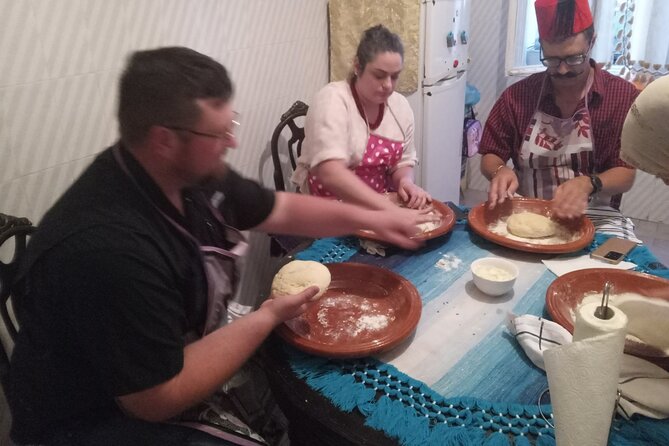
- Cooking at home with Bilal and family, which changes the whole vibe from “tour” to “meal”
- You’ll make key Moroccan staples: tagine, couscous, khobz bread, and mint tea
- Lunch is included, along with drinks, so you’re not doing math mid-experience
A Tangier cooking class that starts at the source
If your goal is to understand Moroccan food, you need to see it at the moment ingredients matter. This experience starts with a guided market walk where you buy the products that will become your meal. That first stage is more than shopping. It’s where you learn how cooks think: what looks fresh, what pairs well, and how spices fit into everyday cooking.
Your guide is Bilal, and the tone of the day stays friendly and human. In the home setting, the experience feels less like a workshop and more like being invited to help cook. That is a big part of why this kind of Tangier experience scores so well for people who want authenticity.
The day stays structured, though. Expect a steady flow: market, then the spice stop, then your cooking at home, then the meal.
You can also read our reviews of more tours and experiences in Tangier.
The medina market stop: more than picking ingredients
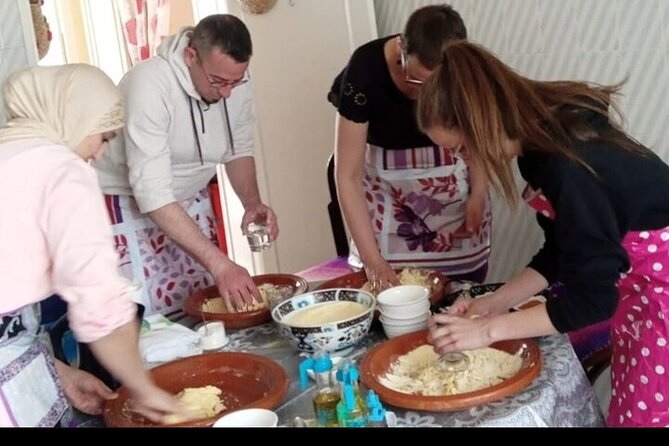
The market segment is designed around one simple idea: you cook better when you know what you’re buying. You’ll take a daily guided market tour to grab fresh items for your class. That means you’re not arriving with pre-packed mystery ingredients.
Here’s what you should pay attention to, even if you’re not a cook:
- Ask what each ingredient is used for in Moroccan dishes
- Notice how common vegetables and aromatics show up in multiple recipes
- Watch the way the vendor and guide talk about freshness and readiness
In this class, you’re not just learning what to cook. You’re learning how people shop for real life meals. That gives you something to take home: a framework for buying ingredients for Moroccan-style cooking later, even if you don’t copy every dish exactly.
Also, because the group stays private, you can move at a pace that fits your questions. That matters in markets where things can feel fast.
The Berber pharmacy visit: spices, mixtures, and argan oil
After the market, you’ll visit a traditional Berber pharmacy. This part is focused on flavor-building. You’ll get a small idea about spices in general, and you’ll learn how Moroccan cooking often relies on mixes rather than single-seasoning tricks.
The experience specifically includes learning about:
- The spices commonly used in Moroccan cuisine
- Argan oil, which shows up in Morocco’s culinary culture in a few important ways
- How spices combine to create the end result you taste in tagine and couscous
This is one of the best value parts of the day because it changes how you think about the meal. A lot of cooking classes give you a recipe. This one tries to help you understand why the recipe works. When you know the role of spices and oil, you can adjust later if you’re cooking far from Morocco.
If you’re the type of traveler who likes taking notes, this stop is where your brain will start ticking. If you’re more hands-on and less analytical, it still helps because it clarifies what you’re doing at the stove.
Entering the family kitchen: cook, taste, repeat
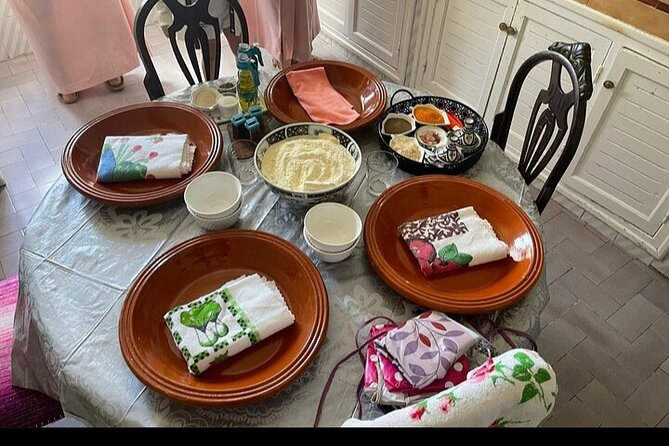
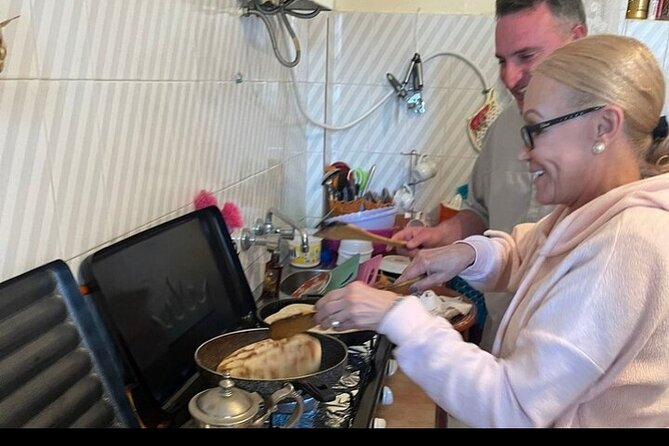
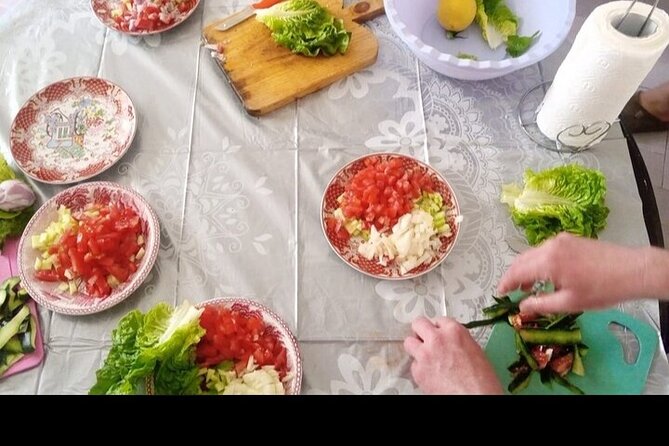
Then you head back to the home where the class becomes real cooking. This is where the experience earns its reputation. The structure is simple: you’re guided step-by-step, you cook what you’re making, and then you sit down and enjoy it.
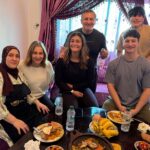
The host team includes Bilal and his family, including his wife Sanae. That matters because Moroccan cooking at home tends to be shared. You’re not trapped in a demonstration-only role. The day is built around the idea that you’ll become the chef for a while.
A practical note: you’ll likely be moving through different stages of cooking—prep, mixing, seasoning, and cooking—while also tasting along the way. That’s fun, but it’s also why comfy shoes help. The class is for everyone, but you’ll still be participating.
And if you’re traveling solo, or your group is small, the private setup is an advantage. One big reason people rate this so highly is that the welcome doesn’t feel diluted. It’s focused attention.
What you’ll actually cook: tagine, couscous, khobz, and mint tea
The menu is built around Moroccan daily staples. You’ll learn and prepare:
Tagine
You’ll prepare your own tagine, following the steps from the chef. Tagine isn’t only about a pot. It’s about layering flavors and understanding seasoning. In this class, spices from the Berber pharmacy step feed directly into what you cook.
Couscous
You’ll also prepare couscous. Couscous often looks straightforward on a plate, but it’s all about texture and balance. That’s why it’s a smart choice for a cooking class: you learn skills you can reuse later with different toppings and sauces.
KHOBZ bread
The class includes traditional khobz bread. Bread is one of those things that makes you feel like you really joined the table. Even if you’ve never worked with dough before, learning the basics of khobz gives you a stronger sense of how meals come together in Morocco.
Mint tea with the Moroccan style
You’ll make local mint tea. In Moroccan culture, tea isn’t just a drink. It’s part of the hospitality rhythm. This matters because it turns your cooking session into a full meal experience, not just a food lesson.
What you’ll eat afterward
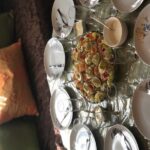
Once everything is ready, you’ll enjoy the meal made by your hands. Lunch is included, along with coffee and/or tea, soda/pop, and all fees and taxes. That keeps the cost predictable and means you can focus on the experience.
Drinks and lunch: budgeting without surprises
At $87.11 per person, it’s natural to wonder what you get for the money. Here, the biggest value is that the price bundles key parts of the day that add up on your own:
- private transportation
- a private guide
- market shopping time plus the Berber pharmacy visit
- lunch plus drinks
Because lunch is included, you don’t need to plan a separate meal afterward. That’s not always the case with cooking classes. Here, the meal is the finish line.
Also, tips aren’t included. That’s common, but it’s worth noting so you don’t get surprised at checkout.
How private transportation changes the day
This experience includes private transportation and ends back at the meeting point. That reduces friction. You’re not bouncing between transit options or trying to decode routes while your cooking day is already starting.
The meeting point is Place 9 Avril 1947 (Pl. du 9 Avril 1947) in Tangier, and the activity starts and ends there. The listing also notes that it’s near public transportation, which is helpful if you want flexibility before or after.
The time you gain with private transport also matters for markets. Markets reward quick choices, and the day is built around that.
Who this Tangier cooking class is best for
This class is recommended for everyone, and the private format makes it especially appealing if you want a personal experience instead of a large group.
It’s a strong fit if you:
- Want to learn Moroccan cooking in a real home setting
- Care about learning spices and flavor logic, not only copying a dish
- Prefer a guided day with a set menu and included meal
- Like traveling with local hosts who answer questions casually
If you’re looking for a hands-off, sit-and-watch lesson, you might find this less relaxing than you expect. The point is that you cook.
Price and logistics: is $87.11 a good deal?
For a private cooking class in Tangier, $87.11 per person lands in the “do I want the convenience?” zone. The value comes from what’s included: guide, transport, market stop, Berber pharmacy visit, lunch, and drinks.
You’re also paying for time. The experience runs about 4 hours, which is enough to shop, learn spice basics, cook multiple items, and sit down to eat.
Where the price might feel steep is if you’re simply trying to fill time with a light snack. This is a real meal experience. You should plan to treat it like lunch plus a cooking lesson, not like a quick activity between sights.
Should you book this cooking class in Tangier?
Book it if you want Moroccan food with context. The combination of market shopping, a Berber pharmacy spice lesson, and then cooking at home gives you more than a list of recipes. You leave with skills you can actually use, plus the warm, social feel that comes from being welcomed into a family kitchen.
Skip it only if your schedule can’t handle a tight 4-hour block or if you’d rather attend a show than cook. Otherwise, it’s a solid choice for authentic Moroccan flavor learning, served with mint tea and real hospitality.
FAQ
How long is the Tangier cooking class?
It lasts about 4 hours.
Is pickup included?
Yes, pickup is offered.
Is this a private experience?
Yes. It’s private, and only your group participates.
What’s included in the price?
The price includes private transportation, coffee and/or tea, lunch, soda/pop, a private guide, a Berber pharmacy visit, and all fees and taxes.
What do we cook and make during the class?
You prepare your own tagine, couscous, traditional bread (khobz), and Moroccan mint tea.
Where does the experience start?
It starts at Place 9 Avril 1947 (Pl. du 9 Avril 1947), Tangier, and it ends back at the meeting point.
Is a mobile ticket used?
Yes, the experience includes a mobile ticket.
When should I book?
On average, it’s booked about 7 days in advance.
Are tips included?
No. Tips and extras are not included.