REVIEW · ROME
Rome: Roman Master Chef Cooking Class with Wine
Book on GetYourGuide →Operated by The Roman Food Tour · Bookable on GetYourGuide
Homemade pasta in Rome beats a meal out. I love the hands-on Roman fettuccine made from scratch and the layered tiramisu with coffee and cocoa, all paired with Italian wine and limoncello. One practical thing to keep in mind: the class can start a little later than the posted time.
You’ll cook inside a Roman restaurant, then sit down right after to enjoy what you made on a locally loved dining setup (often indoors or on an outdoor terrace). The English instruction is structured for success, and the recipe take-home element is what helps this stay more than a one-time activity.
In This Review
- Key highlights you’ll feel right away
- A Roman restaurant setting, not a demo kitchen
- Handmade fettuccine from scratch: the skill that sticks
- Tiramisu the Roman way: coffee, cocoa, and clean layers
- Wine, limoncello, and a timing rhythm that makes sense
- Eating what you made: the built-in payoff
- Dietary options and English-led instruction
- Price and value: why $32 can work in Rome
- Practical tips before you book
- Should you book this Roman pasta and tiramisu class?
- FAQ
- How long is the Rome Roman Master Chef cooking class?
- What’s included in the class besides cooking?
- Is the instruction offered in English?
- Can the class accommodate dietary restrictions?
- Where do I meet the group?
- What’s the cancellation policy?
Key highlights you’ll feel right away
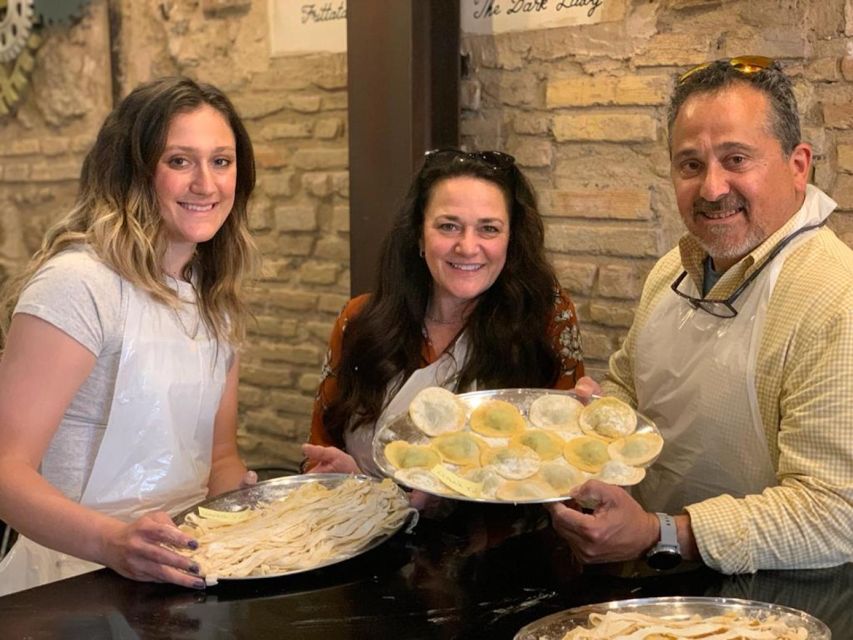
- Hands-on Roman pasta basics: you roll and shape fresh fettuccine from scratch
- Tiramisu you assemble yourself: layered coffee flavor with cocoa
- Drinks are part of the experience: fine wine, limoncello, coffee, soft drinks, and water
- Small-group feel: the format supports lots of interaction, usually around a dozen people
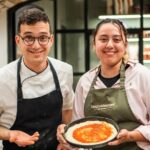
- Hosts who keep it lively: English-speaking instructors and guides including Sid, Eleonor, Eddie, Giacomo, and Mathilde
A Roman restaurant setting, not a demo kitchen
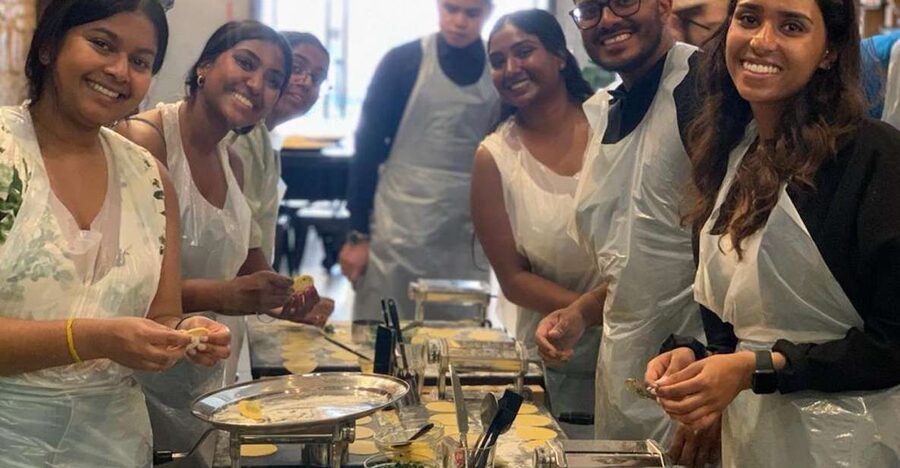
This class is built around a simple idea: cooking feels better when you’re doing it in the middle of real life in Rome. You meet at a location that can vary by booked option, and from there you move into a Roman restaurant space where the staff runs a tight, friendly operation.
What I like is that the meal doesn’t end with the last stir. After the hands-on cooking, you sit down to eat your food in the same spirit as locals do it: not rushed, not performative. Some groups end up on an outdoor terrace, depending on how the setting is arranged that day.
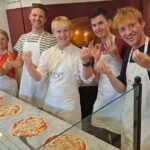
A second big plus is the tone. The instructors use clear steps, then keep things light with jokes and guest interaction. That matters because pasta and tiramisu are easy to mess up when you’re nervous. Here, you’re guided in a way that aims for success, not perfection.
Who this fits best: couples, friends, and solo travelers who want an activity that feels authentically Italian without needing any cooking background.
You can also read our reviews of more tours and experiences in Rome.
Handmade fettuccine from scratch: the skill that sticks
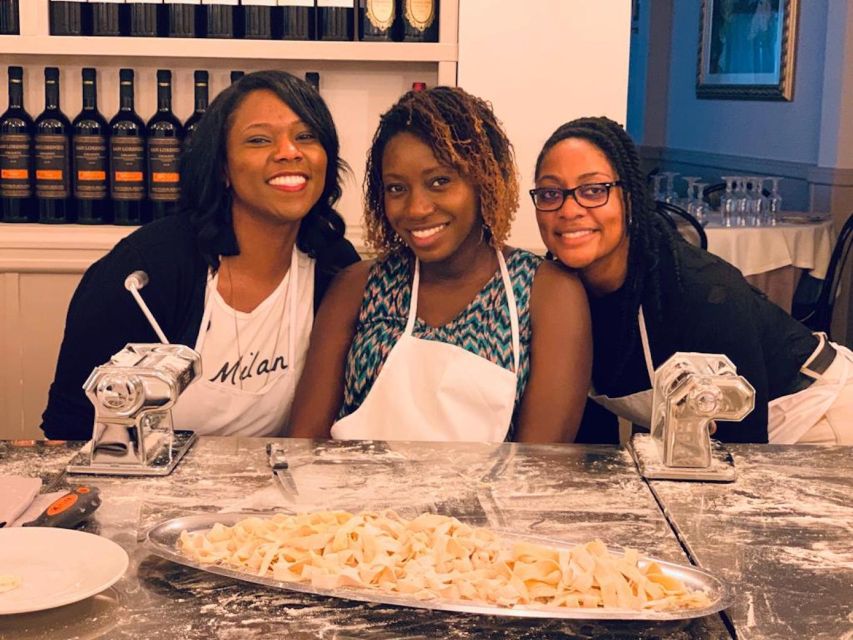
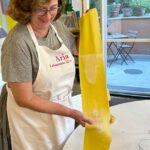
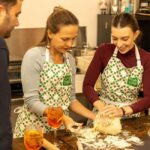
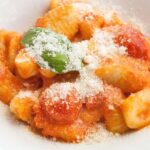
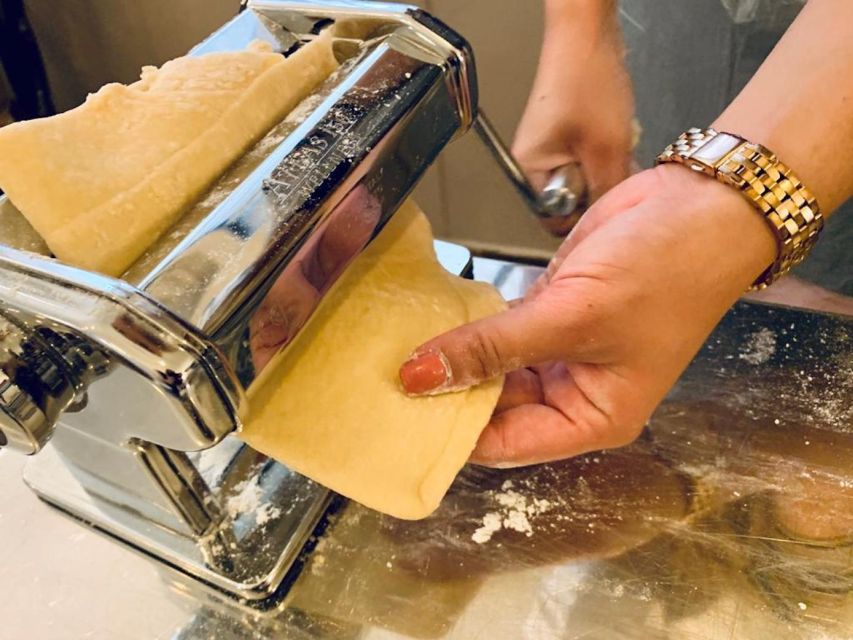
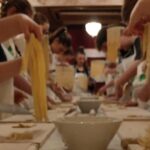
The main course focus is classic Roman pasta work: fresh fettuccine made entirely from scratch. You start by gathering the tools and ingredients, then the chef shows you how the dough comes together, how to work it, and how to handle the shaping process so you end up with something you can actually cook and plate.
If you’ve only had pasta that comes from a box, the first lesson is how much texture and feel matters. Fresh dough moves differently. The guidance here helps you avoid the two common problems: dough that’s too dry to roll smoothly, and dough that gets sticky and loses its structure.
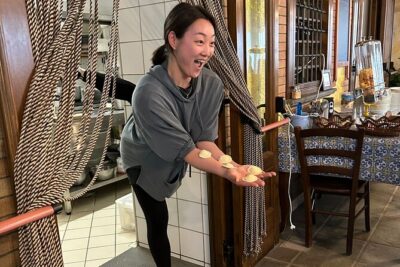
One more useful detail: the class is set up so you’re not just watching. You’re doing the steps as you learn them. In that way, this isn’t a lecture disguised as cooking. It’s hands-on training in a Roman style you can repeat later.
Also, don’t be surprised if your session includes more than just fettuccine. Some classes have included an additional pasta element like ravioli, depending on the day and how the menu is structured. The reliable core is fettuccine plus tiramisu, but an extra pasta component can happen.
Possible drawback: if your heart is set on learning everything about sauces too, you might wish the menu went deeper. There’s at least one moment where you may learn the pasta and dessert more fully than the full sauce workflow.
Tiramisu the Roman way: coffee, cocoa, and clean layers
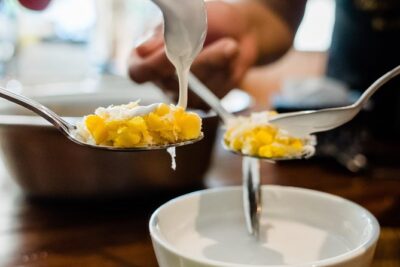
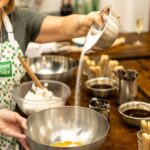
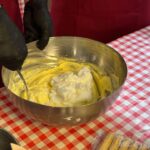
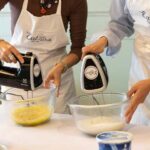
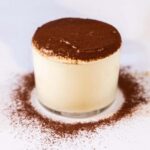
Then comes the part most people remember: making tiramisu yourself. This is a dessert with real technique behind it, but the class approach keeps it approachable. You work through building the layers so the dessert tastes balanced, not soggy or lopsided.
Tiramisu is basically a rhythm game: mix, layer, pause, then let it set enough to hold its shape and flavor. The instructions help you understand when to stop and how to keep the texture right. That’s the difference between tiramisu that tastes like coffee and mascarpone and tiramisu that tastes like whipped chaos.
The dessert flavor profile you’ll be working with includes coffee notes and cocoa finish. Even if you’ve eaten tiramisu many times in Rome, it’s a different experience to build it yourself while the chef explains what’s happening at each step.
Pro tip for your takeaway: after the class, actually save the recipe steps and ingredient ratios. The taste depends on how each layer is assembled. That’s the part you’ll want to replicate when you try it at home.
Wine, limoncello, and a timing rhythm that makes sense
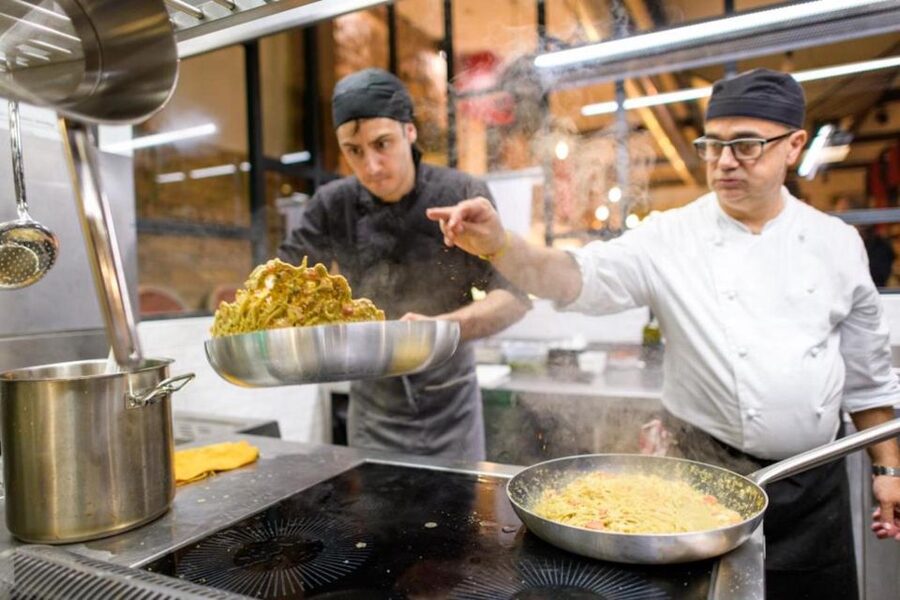
Food classes in Rome can go two ways. Either they feel like a long workshop with no relief, or they feel like a quick snack with no real learning. This one lands in the middle by treating drinks as part of the meal flow rather than an afterthought.
Included in your experience: fine wine and limoncello, plus coffee, soft drinks, and water. Some sessions may include an additional drink step at the start (like prosecco or a hot beverage), depending on how that particular group is served. The core promise is still the wine-and-limoncello pairing with your cooking and tasting.
Timing is also part of the value. The duration is about 2.5 to 3 hours, which is long enough to get real hands-on work done without swallowing your whole morning or afternoon. One review note that can help you plan: the start time can run a little late, so it’s smart to leave some breathing room in your schedule.
Why drinks matter here: wine and limoncello aren’t just for fun. They make the break points feel natural, which helps you stay relaxed while handling dough and dessert assembly.
Eating what you made: the built-in payoff
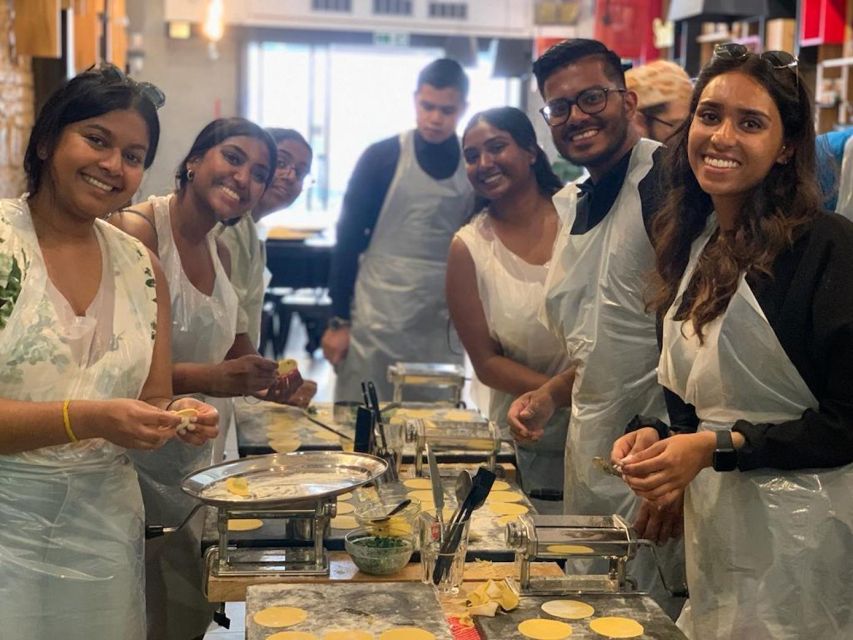
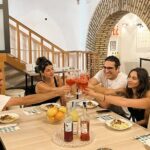
Once you finish cooking, you don’t just leave with a few photos and a vague recipe note. You sit down and enjoy the meal in a locally loved Roman restaurant setting, either indoors or outdoors.
This is where the class earns its keep. Making fresh pasta is work. Making tiramisu is detail work. Eating afterward turns it into a full experience: learn, cook, taste, and then actually appreciate the result while it’s still fresh.
If you’re visiting Rome for a short stay, this matters even more. You get an activity that doubles as part of your day’s food story, instead of forcing you to fit another sit-down meal afterward.

Dietary options and English-led instruction
The class supports dietary needs, including vegetarian, vegan, and lactose intolerant options, with other diets supported too. The key is simple: you need to inform the activity provider when booking. That helps the kitchen plan the ingredients properly rather than improvising at the last minute.
Instruction is in English, and the teaching style is built around clear guidance plus interaction. That combination matters for two reasons:
- You won’t have to decode culinary jargon on the fly.
- You get chances to ask questions as you work, which helps you avoid mistakes early.
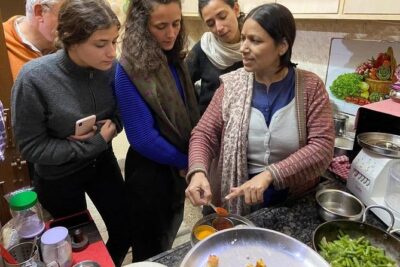
A small-group format also supports that kind of back-and-forth. One session size reference you may come across is about a dozen people, which keeps things personal enough to feel guided rather than rushed.
Price and value: why $32 can work in Rome
At about $32 per person, this class can feel like one of the better-value food experiences you can book in Rome—mainly because it bundles three things that usually cost extra when purchased separately:
- a chef-led hands-on lesson (not a quick tasting),
- food you make and eat (fettuccine and tiramisu),
- and drinks (wine, limoncello, plus coffee, soft drinks, water).
If you compare it to paying separately for a meal, adding alcohol, and then trying to do a cooking workshop where you only watch, this setup is unusually efficient. You’re paying for instruction, ingredients, and the full dining moment in a single package.
Is it perfect value for everyone? No. If you already cook and you want a deep dive into advanced techniques, sauces, and timing precision beyond the basics, you may want a longer or more specialized workshop. But for most people, it’s a fair price for a memorable, skill-based experience.
Practical tips before you book
Here’s how to set yourself up for an easy win in Rome:
- Plan for a little scheduling slack. The class can start later than expected, so don’t stack it right beside another time-sensitive reservation.
- Arrive ready to work. You’ll be rolling and assembling items, so wear something comfortable that you don’t mind getting a little pasta-dough life on it.
- Tell them your dietary needs early. Vegetarian, vegan, lactose intolerance, and other diets can be supported, but you’ll want the kitchen prepared.
- Think about your take-home use. The class includes recipes you can recreate at home. If you actually want to use them, grab a notebook or save notes on your phone right after tasting while details are fresh.
Should you book this Roman pasta and tiramisu class?
You should book it if you want a Rome experience that checks several boxes at once: hands-on cooking, classic Roman dishes (fettuccine and tiramisu), included wine and limoncello, and a sit-down payoff right after you finish. It’s especially good for first-timers who want something more meaningful than another walking tour, and for food lovers who like learning a repeatable recipe rather than collecting restaurant names.
I’d skip it if your travel style is mostly passive or if you already know the basics and want a longer, more advanced curriculum with deeper sauce training every step of the way.
FAQ
How long is the Rome Roman Master Chef cooking class?
It lasts about 2.5 to 3 hours. Exact starting times depend on availability.
What’s included in the class besides cooking?
You get the cooking class with a local chef guide and host, plus the ingredients for fettucine and tiramisu. Drinks included are fine wine and limoncello, along with coffee, soft drinks, and water.
Is the instruction offered in English?
Yes. The instructor speaks English.
Can the class accommodate dietary restrictions?
Yes. Vegetarian, vegan, lactose intolerant, and other diets are supported. You should inform the activity provider when booking about your needs.
Where do I meet the group?
The meeting point may vary depending on the option you book.
What’s the cancellation policy?
You can cancel up to 24 hours in advance for a full refund. You can also use the reserve now & pay later option, where you book your spot and pay nothing today.