REVIEW · BANGALORE
Traditional Gowda Cooking Class and Meal in a Bangalore Home
Book on Viator →Operated by Traveling Spoon · Bookable on Viator
Cooking in someone’s home beats any restaurant. This Bangalore class with hands-on Gowda dishes lets you learn 2–3 local recipes with Archana and her family, then eat the results as a banana-leaf family meal. The setup is warm and practical, but one thing to plan for is that there’s no hotel pickup and the meal is served on the floor.
I also like that you get real teaching, not just watching: you’ll be in the kitchen working through the steps, with plenty of guidance while everything smells like home cooking. It’s a private, about-3-hour experience in a residential area near public transport, and you can request a vegetarian option when you book.
In This Review
- Key highlights you’ll actually care about
- Cooking in a Bangalore Home, Not a Classroom
- What You’ll Cook: The Gowda Dishes You’ll Learn Step-by-Step
- From Starter to Sweet: The Banana-Leaf Meal Experience
- The Teaching Style: Lots of Help and Real House-Recipe Context
- Practical Logistics in Rajajinagar (So You Don’t Stress the Start)
- Price and Value: Where the $74 Actually Goes
- Who This Is Best For (And Who Should Think Twice)
- Tips to Make Your Experience Smoother
- Should You Book This Bangalore Gowda Cooking Class?
- FAQ
- How much does the Traditional Gowda Cooking Class and Meal cost?
- How long is the experience?
- Where does the class start?
- Where does the experience end?
- What dishes will I learn to cook?
- What will I eat during the meal?
- Is there a vegetarian option?
- Is pickup and drop-off included?
- Is this a private experience?
- When will I get confirmation after booking?
Key highlights you’ll actually care about
- Cook 2–3 Gowda dishes with real step-by-step help (not a quick demo)
- Welcome paanaka and starters before you start cooking in earnest
- Dinner on a banana leaf on the floor as part of the full meal
- Archana and her family share the why, not just the how (food habits, household life)
- Herbs and ingredients may come from a rooftop garden, when the schedule allows
- No hotel pickup means you should budget time to reach Rajajinagar
Cooking in a Bangalore Home, Not a Classroom
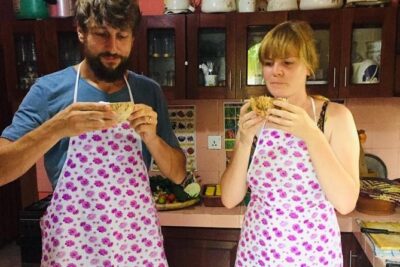
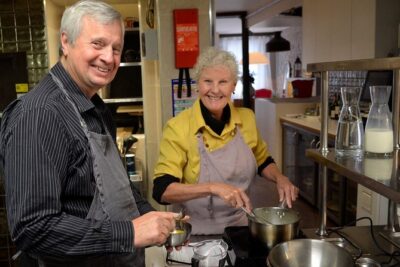
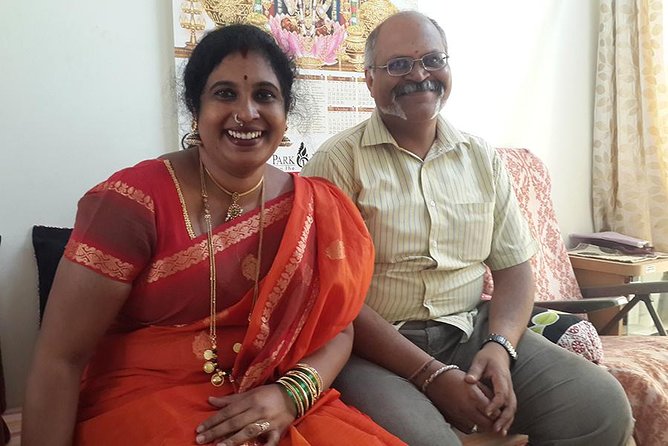
In Bangalore, food experiences can fall into two buckets: studio-style cooking classes, or the real deal in a family home. This one sits firmly in the second bucket. You show up to a calm residential area, meet your chef-instructor Archana and her family, and you’re pulled into their daily rhythm rather than being funneled through a scripted show.
What I like most is that you’re not just tasting. You’re making. You get hands-on help throughout, and the teaching style feels built for regular household cooks, not just visitors. It also helps that the host’s background is deeply rooted in the city. Archana is a 5th-generation Bangalorean, and that comes across in how she explains ingredients and family recipe habits.
The atmosphere is also part of the value. One of the nicest parts is the conversation side: you’re invited to ask questions about what you’re eating, and the answers come with context about family life and local food traditions. If you want a meal that comes with stories you can actually remember, this delivers.
You can also read our reviews of more tours and experiences in Bangalore.
What You’ll Cook: The Gowda Dishes You’ll Learn Step-by-Step
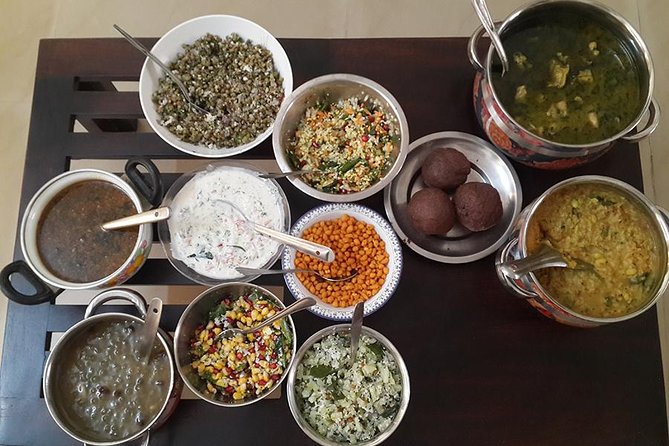
The class is about three hours total, and the goal is simple: you’ll prepare 2–3 traditional Gowda dishes, then sit down and eat what you made. The exact mix can vary, but the dishes you’re likely to encounter include:
- Bisi bele huli anna: rice with vegetables and lentils in a savory preparation
- Ragi mudde: millet flour balls, typically eaten in rural Karnataka
- Holige: lentil-stuffed flatbread
- Mamsada saaru: stewed mutton
Even if you only have a basic cooking comfort level, the structure is designed to keep you busy without feeling lost. You’re doing real prep and cooking tasks, not just standing nearby with a spoon. And because it’s private for your group, you’re less likely to get rushed when you ask a question.
There’s also something quietly useful here: you learn how multiple staple foods connect in one meal. Lentils show up in more than one dish, rice anchors the meal, and ragi becomes its own star when you shape the mudde. It’s the kind of practical pattern recognition that helps you recreate the flavor profile later, even if you don’t follow every step perfectly.
If you’re traveling with someone who eats meat, you’ll want to be ready for dishes like mamsada saaru. If that’s not your thing, you can ask about your dietary preferences ahead of time, since a vegetarian option is available when you book.
From Starter to Sweet: The Banana-Leaf Meal Experience
Cooking is only half the deal. The other half is eating your way through a traditional Gowda spread that matches the work you just did.
Before the main cooking ramps up, you’ll start with a welcome drink of paanaka, which is a lemonade sweetened with sugar. Then you’ll snack while you get oriented. Starters you might see include:
- Kosambari (a lentil salad)
- Neruli bajji (fried onion fritters)
- crisp snack options such as nippat, chakli, or usli
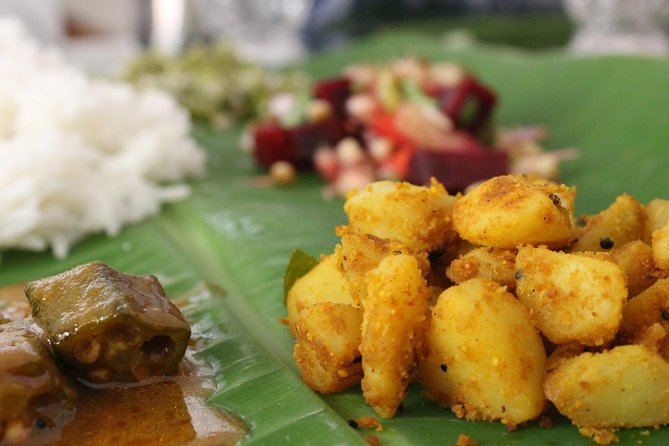
When it’s time to eat, the meal is served on a banana leaf. You’ll sit on the floor to eat, which is a big part of the experience. It’s not just presentation; it’s how the meal is meant to be enjoyed—slower, more communal, and closer to everyday family dining habits.
Expect a full sequence: the appetizers and snacks up front, the main dishes from your cooking project (plus other items as part of the household-style spread), and then traditional Gowda sweets for dessert. You also get beverages with the meal.
Practical note: if you have knee or back issues, floor seating can be uncomfortable. The class is still worth considering for the food knowledge, but you should think about whether you can sit comfortably for a meal.
The Teaching Style: Lots of Help and Real House-Recipe Context
Some cooking classes teach you recipes. This one teaches you habits.
Archana’s approach comes through in the way she shares what things mean in her home—values behind ingredients, how families handle everyday cooking, and why certain dishes belong together. That matters because it helps you move beyond copying a dish once. You start understanding how a meal gets built.
One extra detail you might experience: a quick walk that includes herbs and ingredients from a rooftop garden, where the household gathers items used in the dishes. Not every cooking class offers that kind of ingredient-to-plate story, and it’s the sort of thing that makes the food feel tangible.
Timing-wise, you’ll spend the chunk of the session cooking 2–3 dishes, then shift into dining while everything is still clearly connected. It’s not a long class followed by a random meal. The meal is what you made, plus matching sides and sweets.
And because it’s in a family home, you’re also living in the same space where the food is made. That changes your expectations in a good way. You stop thinking of cooking as a performance and start thinking of it as a process you can actually do.
Practical Logistics in Rajajinagar (So You Don’t Stress the Start)
The activity begins at Rajajinagar, Bengaluru, and it ends back at the same meeting point. There’s no hotel pickup or drop-off, so you’ll need to plan how you’ll get there.
Good news: it’s listed as being near public transportation, so you can usually make it work with metro or bus plus a short ride or walk, depending on where you’re staying. If you’re using a rideshare, build in buffer time. Bangalore traffic can be unpredictable, and arriving late can tighten the cooking flow.
The tour is private, meaning only your group participates. That helps with comfort and pace. It also means you won’t be squeezed into a crowded kitchen with strangers.
You’ll also use a mobile ticket, and you should receive confirmation within 48 hours of booking based on availability.
Price note: the experience is $74 per person and average booking is about 15 days in advance. If you’re traveling in a busy season or with a group, booking earlier is smart.
Price and Value: Where the $74 Actually Goes
At $74 per person for an approximately 3-hour private cooking class and full meal, the value comes from three things:
First, you get a real home-cooking experience, including a full meal that matches what you cooked. This isn’t just a snack-and-learn scenario.
Second, it’s instruction-heavy. The class is structured so you get hands-on help, which is usually where cheaper experiences fall short. If you want actual skill transfer, this format gives you more than a demonstration.
Third, you’re paying for access: being in a family home, meeting the household, and hearing explanations that go with recipes rather than generic cooking facts. That connection is hard to recreate in restaurants or standard group tours.
If you’re traveling solo, it’s still a fair way to spend time, especially if you’re the type who likes food learning. If you’re traveling with friends or family, ask about group discounts, since the experience includes that feature.
Who This Is Best For (And Who Should Think Twice)
This is a great fit if you:
- want a food experience that feels personal and lived-in
- enjoy hands-on cooking rather than just watching
- like learning why dishes show up in a full meal, not just how to make one item
- are comfortable dining in a home setting and sitting on the floor for the banana-leaf meal
It may be less ideal if:
- you need hotel pickup or very simple, low-effort logistics
- floor seating is a problem for you
- you have strict dietary needs and haven’t communicated them ahead of time (a vegetarian option exists, but you should share requirements during booking)
Also, if you’re short on time in Bangalore, three hours can feel like a commitment. But it’s a well-packed block: snack welcome, cooking, then a full family-style meal.
Tips to Make Your Experience Smoother
A few practical moves can help you enjoy it even more:
- Tell them your dietary needs when booking. A vegetarian option is available, and you should communicate any requirements early.
- Wear comfortable clothes. You’ll be in a home kitchen and then sitting for the meal.
- Arrive a bit early. Since there’s no pickup, being on time helps the cooking flow.
- Be ready to ask questions. If you want cultural food context, this is one of those experiences where questions get answered in a friendly way.
- Bring an open mind about spices and textures. South Indian dishes like lentil salads, fried snacks, rice-lentil dishes, and ragi-based items can feel different from what you’re used to.
And yes, you can still treat it like a vacation. You’re not training for a cooking show. You’re learning from people who cook the way they live.
Should You Book This Bangalore Gowda Cooking Class?
Book it if you want a true kitchen-to-table experience with a family host. The hands-on cooking, the full banana-leaf meal, and the fact that you’ll get plenty of guidance add up to a meal that’s more memorable than a one-time restaurant stop.
Skip or reconsider if you strongly prefer restaurant comfort, you need pick-up service, or you can’t handle floor dining. In that case, you may prefer a different style of food tour.
If you’re on the fence, here’s an easy way to decide: if you’d rather learn recipes and meal-building than just eat, this is a strong yes. For food learning that feels like Bangalore life, not just tourism, it’s one of the better bets around.
FAQ
How much does the Traditional Gowda Cooking Class and Meal cost?
It costs $74.00 per person.
How long is the experience?
The duration is about 3 hours.
Where does the class start?
The start location is Rajajinagar, Bengaluru, Karnataka, India.
Where does the experience end?
It ends back at the meeting point.
What dishes will I learn to cook?
You will cook 2–3 traditional Gowda dishes. Examples include bisi bele huli anna, holige, ragi mudde, and mamsada saaru.
What will I eat during the meal?
You’ll enjoy a traditional Gowda meal served on a banana leaf on the floor, along with starters, dessert, and beverages.
Is there a vegetarian option?
Yes, a vegetarian option is available. You should advise them at the time of booking.
Is pickup and drop-off included?
No, hotel pickup and drop-off is not included.
Is this a private experience?
Yes. Only your group participates.
When will I get confirmation after booking?
Confirmation is received within 48 hours of booking, subject to availability.