REVIEW · TOKYO
Okonomiyaki & Gyoza Cooking Class with Local Supermarket Visit
Book on Viator →Operated by YUCa's Japanese Cooking · Bookable on Viator
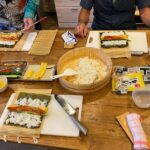
One big reason this class works is the combo: hands-on cooking plus a real supermarket stop. I love that you make two iconic dishes—okonomiyaki and gyoza—and eat what you cook without waiting around. I also like the small group vibe (max 7), which makes it easier to ask questions when you’re rolling dumplings or spreading batter. One thing to consider: the supermarket portion is optional, so your day’s focus may depend on whether you choose it.
This runs for about 2 hours 30 minutes, and it’s built around a short food culture talk before you start cooking. You’ll meet at YUCa’s Japanese Cooking in Arakawa City, and you’ll also get an included one-way taxi ride that helps keep the day stress-free.
In This Review
- Quick Highlights
- Where This Class Feels Most “Tokyo”: Home Kitchen + Real Ingredients
- Meeting at YUCa’s Japanese Cooking (Arakawa City) and Getting Set Up
- The 10:15 Food Culture Lecture: Short, Useful, Not a Lecture Marathon
- Cooking Okonomiyaki: Japanese Savory Pancake Skills You Can Repeat
- Making Gyoza: Folding, Pan Technique, and That Crisp-Bottom Texture
- Lunch and Tasting: Eating What You Make (No Waiting, No Sad Plates)
- Optional Supermarket Tour: Shop Smarter for Japanese Ingredients
- Taxi Ride Included: Small Benefit, Big Stress Saver
- Price and Value: What $121.89 Buys You in Real Terms
- Who This Works Best For (And Who Might Want to Skip)
- Final Verdict: Should You Book YUCa’s Okonomiyaki & Gyoza Class?
- FAQ
- What dishes do I learn to cook in this class?
- How long is the cooking class experience?
- Is lunch included?
- Is the supermarket tour included?
- Do I get any transportation help?
- How many people are in each group?
- What’s the cancellation policy?
Quick Highlights
- Learn two Tokyo staples: okonomiyaki and gyoza, both made hands-on.
- Small group, max 7: more instruction time and less crowding in a home kitchen.
- No hunger pangs: a delicious lunch is included after the cooking and tasting.
- Optional supermarket tour: shop ingredients you might not notice on your own.
- One-way taxi included: less logistics friction in a busy city.
- Strong track record: a 5.0 average rating from 31 reviews and 100% recommendation.
Where This Class Feels Most “Tokyo”: Home Kitchen + Real Ingredients
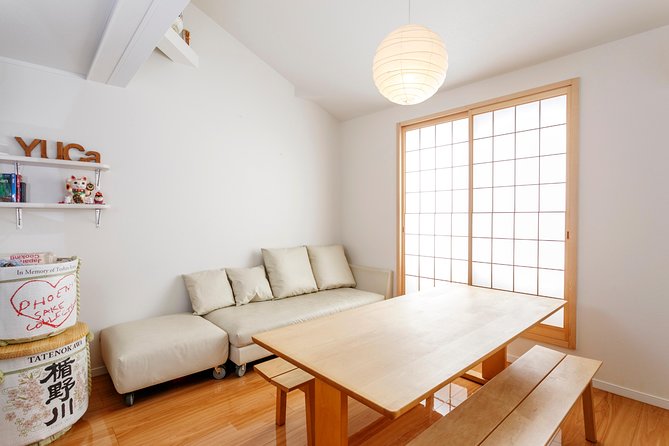
If you’ve eaten your way through Tokyo, you already know the city has food everywhere. What’s different here is that you’re not just tasting—you’re learning how the flavors are built, then shopping for the building blocks like a local.
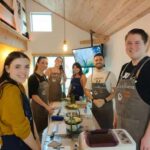
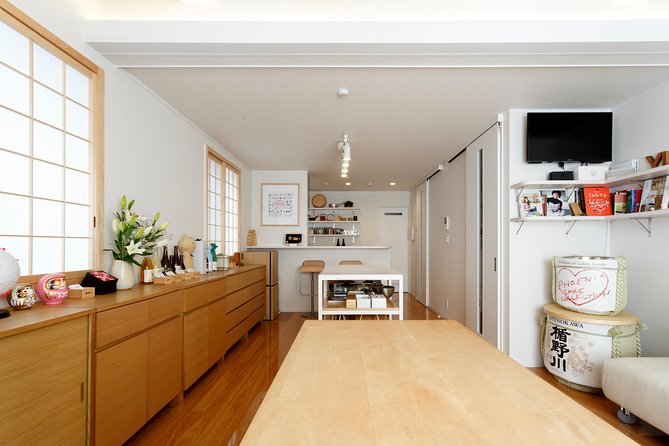
The setting matters. This is in YUCa’s home, in a residential neighborhood, not a big commercial studio. That makes the whole day feel casual and practical, like you’re borrowing someone’s kitchen skills for the afternoon—well organized, but still human.
Also, you get a clear output: you’ll leave with the ability to re-create two dishes. Okonomiyaki teaches you how Japanese savory pancake batter behaves and how toppings work together. Gyoza teaches folding, pan technique, and how to aim for that crisp-bottom dumpling texture.
You can also read our reviews of more tours and experiences in Tokyo.

Meeting at YUCa’s Japanese Cooking (Arakawa City) and Getting Set Up
You’ll meet at YUCa’s Japanese Cooking in Arakawa City, Tokyo. The meeting window is tight—9:50 to 10:00, with the start time listed as 10:00 am—so I’d treat it like a train connection and arrive a few minutes early.
The location is described as near public transportation, which is helpful if you want to pair this with other neighborhood exploring afterward. You’ll also receive a mobile ticket, which cuts down on the usual “find your confirmation” chaos.
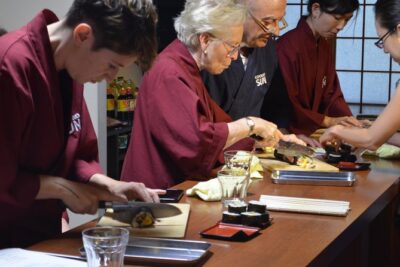
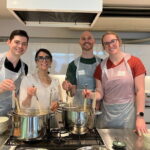
This is a small group experience (maximum 7 travelers). For you, that means you’re more likely to get direct attention when your batter is too thick or when your gyoza circles won’t seal properly. For the host, it means the class can stay hands-on instead of turning into a demo.
And yes, there’s an included one-way taxi ride. Even if you’re comfortable using transit, Tokyo’s neighborhoods can be sneaky with walking time. This takes one moving part off your plate.
The 10:15 Food Culture Lecture: Short, Useful, Not a Lecture Marathon
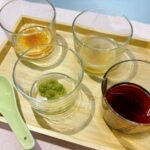
After you arrive and settle in, there’s a 10:15 to 10:30 talk about Japanese food culture and ingredients. It’s only 15 minutes, so it’s not trying to cover Japan’s whole culinary history. It’s more like a fast orientation so you know what to look for while you cook.
This kind of pre-game matters because okonomiyaki and gyoza aren’t just recipes. They’re ingredient logic. You learn what flavors to expect, what textures matter, and why certain ingredients show up in Japanese home cooking again and again.
If you’ve ever had okonomiyaki that tasted “different” from what you expected—sometimes too eggy, sometimes too heavy, sometimes bland—the answer is usually in ingredient balance and technique. This early talk helps you connect the dots before you start.
Cooking Okonomiyaki: Japanese Savory Pancake Skills You Can Repeat
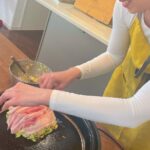
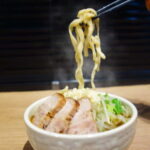
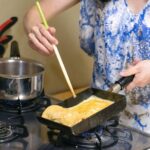
Okonomiyaki is often described as a Japanese savory pancake, but the key is the toppings and how everything cooks together. In class, you’ll make a version that includes vegetables, pork, and egg noodles, then cook it in a way that aims for a tender inside with a satisfying finish.
What I like about learning okonomiyaki in a real class setting is that you get feedback. Batter thickness, pan heat, flipping timing—these aren’t “maybe” skills. You learn them by doing, then adjusting as you go.
Here’s what you’ll likely pay attention to during your cooking:
- How the batter sets and how it behaves when spread.
- How heat affects the browning and texture.
- How toppings layer flavor without turning into mush.
You’ll also get to taste what you make. That’s important because it tells you immediately what “good” tastes like in this style—not just what it looks like on a plate.
Making Gyoza: Folding, Pan Technique, and That Crisp-Bottom Texture
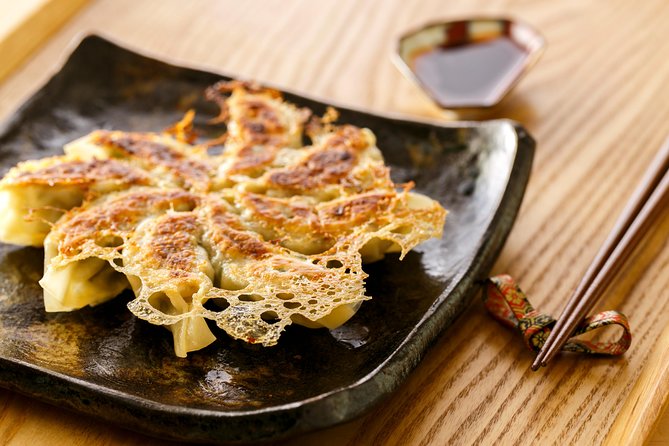
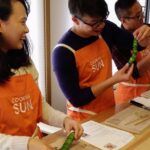
Gyoza is where a class really becomes skills training. You’re working with dumplings filled with minced pork and vegetables, and the focus shifts to folding, sealing, and pan timing.
This is the dish most people associate with “I can’t do it,” mostly because making dumplings sounds fiddly. In a class like this, it’s not about perfection. It’s about learning the process so you can repeat it at home.
A few practical skills tend to make the biggest difference with gyoza:
- Getting the wrapper sealed so the filling stays inside.
- Keeping dumplings from sticking or tearing.
- Managing heat so the bottom gets crisp while the inside cooks through.
In the reviews, people consistently describe how approachable the instructions feel—even when cooking is new to them. I’d take that seriously: a strong host doesn’t just explain. They make it feel doable.

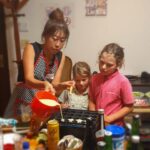
Lunch and Tasting: Eating What You Make (No Waiting, No Sad Plates)
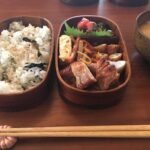
One of the most underrated parts of cooking classes is lunch. This one includes a delicious lunch, and the day is structured so you’re not left standing around hungry while others finish cooking.
After you cook, you’ll do tasting. That’s where your learning locks in. Taste is fast feedback. If something is under-seasoned, you notice it right away. If a texture is off—too soft, not browned enough—you can connect it to heat or timing.
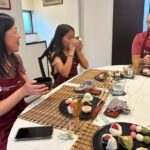
Also, because this happens in a home setting, the meal feels less like a food court and more like a shared table. You’ll likely leave feeling full in the best way: not just stuffed, but satisfied because you created the food yourself.
Optional Supermarket Tour: Shop Smarter for Japanese Ingredients
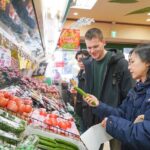
After cooking and lunch, there’s a supermarket tour that’s optional, listed around 12:30 to 13:00.
If you choose it, this part is about momentum. It takes you from the classroom to the real world of Japanese ingredient shopping—so you’re not just carrying recipes home. You’re learning what to buy and how to recognize it.
What makes this valuable is the element of discovery. The tour is designed so you find ingredients you might not know about before. That can mean:
- sauces or seasonings you’ve never seen outside Japan,
- pantry staples that show up in Japanese home cooking,
- or specific products linked to okonomiyaki and gyoza.
Even if you don’t go, you still walk away with cooking skills. But if you do go, you’ll likely feel more confident recreating these dishes later, because your shopping list becomes real instead of theoretical.
Taxi Ride Included: Small Benefit, Big Stress Saver
This experience includes a one-way taxi ride. The details of pickup/drop-off aren’t spelled out here, but the practical value is clear: Tokyo walking distances can be longer than you expect, and getting caught in wrong-turn transit loops wastes time.
So think of the taxi as permission to keep your energy for cooking. You’re there for hands-on learning, not an endurance test of “how well can I navigate neighborhood streets in unfamiliar Japanese.”
Price and Value: What $121.89 Buys You in Real Terms
At $121.89 per person, you’re paying for more than a recipe. You’re paying for:
- a small-group, hands-on setup in a home kitchen,
- instruction plus tasting,
- a lunch included,
- and an included one-way taxi ride,
- plus an optional supermarket segment.
Is it the cheapest thing you can do in Tokyo? No. But it’s also not “just pay and watch.” In Tokyo, experiences with real food prep, capped group size, and included meals usually cost more than you expect—so this price starts to look fair once you count everything that’s included.
Another value point: it’s booked in advance on average about 47 days out. That usually signals demand and steady quality, especially for a home-based class where scheduling matters.
Who This Works Best For (And Who Might Want to Skip)
This is a great match if you want a genuine food day that doesn’t stop at tasting.
You’ll probably love it if:
- you enjoy cooking and want skills you can repeat,
- you like small-group instruction (not a big crowd experience),
- you want lunch handled for you,
- you’d like to shop for Japanese pantry items with guidance,
- you’re traveling with family or someone who learns best by doing.
It may be less ideal if:
- you dislike kitchens in residential neighborhoods,
- you only want to eat out and aren’t interested in learning technique,
- you’re trying to keep your schedule super rigid (the class has a set meeting window and a defined flow).
Final Verdict: Should You Book YUCa’s Okonomiyaki & Gyoza Class?
If your goal is to come home with actual cooking confidence, I’d book it. The strongest part is the pairing of hands-on okonomiyaki + gyoza with a day structure that includes lunch and (optionally) the supermarket tour.
The biggest reason to trust it is simple: the feedback points to warmth, clear instruction, and delicious results—plus the small group size that makes the experience feel personal.
If you’re on the fence, choose the supermarket add-on if you want the most “useful after you leave Japan” value. And if you’re mainly there to cook and eat, you’ll still get your money’s worth in the kitchen.
FAQ
What dishes do I learn to cook in this class?
You’ll learn to make okonomiyaki and gyoza.
How long is the cooking class experience?
The experience lasts about 2 hours 30 minutes.
Is lunch included?
Yes. A delicious lunch is included, so you won’t be hungry afterward.
Is the supermarket tour included?
The supermarket tour is listed as optional and runs around 12:30 to 13:00.
Do I get any transportation help?
You get an included one-way taxi ride as part of the experience.
How many people are in each group?
The experience has a maximum of 7 travelers.
What’s the cancellation policy?
You can cancel for a full refund if you cancel at least 24 hours before the experience starts. If you cancel less than 24 hours before, the amount paid is not refunded.