REVIEW · HANOI
Private cooking class and rural market visit with chef
Book on Viator →Operated by Roll with locals · Bookable on Viator
Morning markets beat any grocery run with a chef. I love how this experience pairs a non-touristy market walk with a hands-on four-course meal you cook yourself, then eat family-style in the end. It also has that personal, low-drama feel when the guide is Rose, and Sammy pops up in the same circle of well-organized food experiences.
One thing to consider: you are active for the whole session, and the exact hotel pickup details can take a quick confirmation. Pickup is mentioned as offered, but hotel pickup and drop-off are also marked as not included, so you’ll want to verify what happens on your day.
In This Review
- Key highlights you’ll actually care about
- Entering the local market with a chef, not a crowd
- Getting there: meeting point vs pickup (and why it matters)
- What you choose: lunch or dinner and how that changes the feel
- The hands-on cooking part: private, flexible, and actually practical
- Your four-course Hanoi menu: what you’ll make and why it works
- Banana blossom salad with chicken
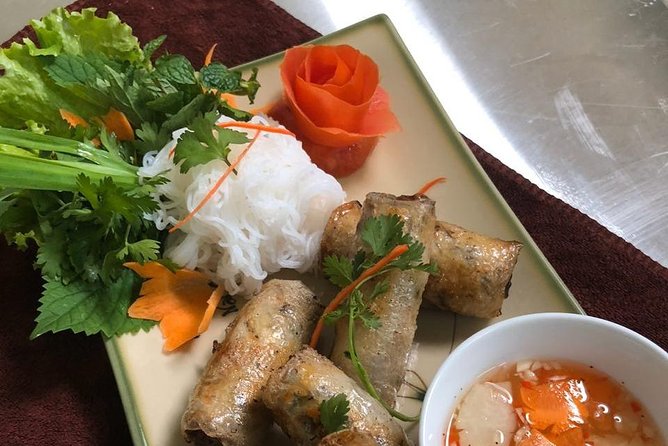
- Fresh spring rolls with mushrooms, carrot, herbs, and noodles (with dipping sauce)
- BBQ pork with noodles and dipping sauce
- Egg coffee as the final course
- The value question: why $110 can make sense here
- Who should book this class in Hanoi
- Small tips for making the day go smoothly
- Should you book it?
- FAQ
- FAQ
- Is this class lunch or dinner?
- How long does the experience last?
- Is it a private experience?
- Do I get picked up from my hotel?
- Where do we meet?
- What food will I cook and eat?
- Is the market visit part of the experience?
- What about allergies or dietary requests?
Key highlights you’ll actually care about
- Non-tourist market sourcing so you see ingredients before they become dinner
- Choose lunch or dinner based on your schedule
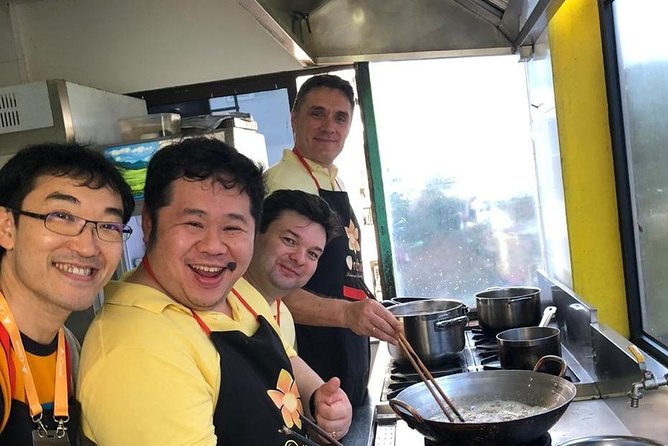
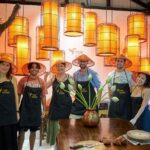
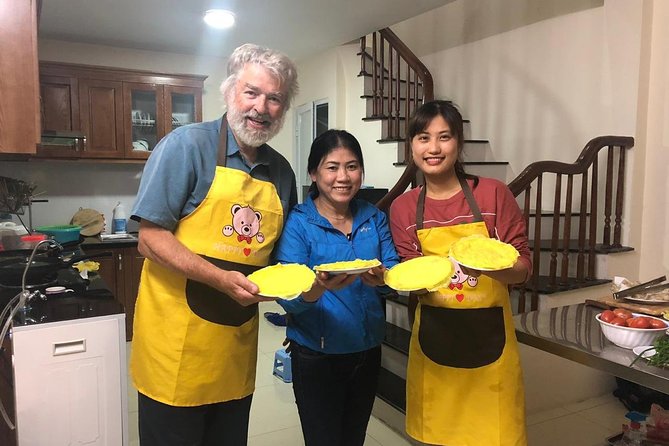
- Fully hands-on, private class with a chef and assistant
- Allergies and food requests respected while you build your menu
- A 4-course set you cook and eat, including egg coffee
Entering the local market with a chef, not a crowd
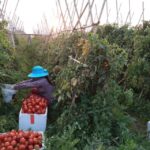
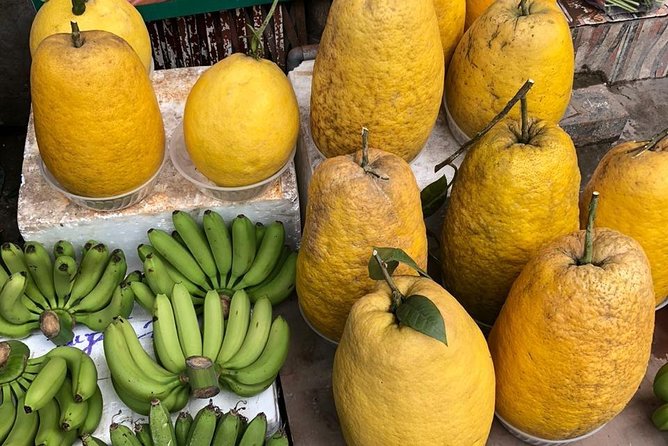
This is the kind of food experience that starts by answering the question you didn’t know you had: where do the ingredients really come from?
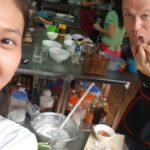
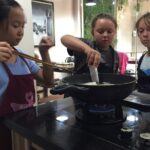
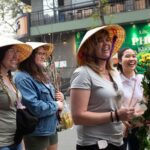
You meet at a village hall in the Phú Đô area (Nam Từ Liêm), then head out for a temple visit and market stop to pick up fresh items. Before the cooking begins, you get welcomed with homemade tea, which sets the tone: calm, local, and focused on real everyday food. If you like seeing how Vietnamese cooking is built, this part matters more than people expect. It’s one thing to follow a recipe; it’s another to understand what’s seasonal, how herbs are handled, and why certain flavors show up again and again.
A big plus here is that the market vibe is described as non-tourist. That usually means shorter waits, more normal conversations, and more chances to ask questions without feeling like you’re in a demo. It also means you’re more likely to notice the small details that make Vietnamese food taste right: fresh herbs, sauces that smell different from jar versions, and ingredients that look simple but aren’t.
If you’re the type who likes to take notes or ask how things work, you’ll fit in well here. The chef and assistant are part of the experience, not just there to run the show. And in Hanoi, that’s how you get better cooking outcomes at home later.
You can also read our reviews of more tours and experiences in Hanoi.
Getting there: meeting point vs pickup (and why it matters)
This experience begins at a specific meeting point around Phú Đô Village Hall, and it ends back there. The schedule is set for a morning start time (around 7:30 am), and the session runs about 4 hours.
Here’s what you should plan for: even though pickup is listed as offered, hotel pickup and drop-off are also marked as not included. That mismatch is worth treating like a checklist item. If you’re staying far from Nam Từ Liêm, ask ahead what pickup looks like for your booking date and whether it applies to your exact hotel.
The practical takeaway:
- If you want zero stress, confirm pickup before you lock in other plans.
- If you’re okay using a taxi or ride-hail, you’ll be fine because you can still base everything around the known meeting point.
Also note that the tour doesn’t include an air-conditioned vehicle. Depending on the day and how warm it gets, that can matter. The good news is the core activity is outside at the start and then in a cooking space, so you’re not stuck in a long commute the whole time.
What you choose: lunch or dinner and how that changes the feel
You can pick either a lunch or dinner class. That’s not just about what time you eat. It changes the mood of the market and the pacing of the meal, because ingredients and energy levels tend to shift across the day.
What stays consistent is the format:
1) market sourcing with local context
2) hands-on prep
3) cook your four-course family-style meal
4) eat together at the end
If you’re traveling with kids or you just like a relaxed schedule, lunch can be easier. Dinner can be great if you want to swap a late meal for another restaurant stop. Either way, you’re not just watching. You’re doing.
The hands-on cooking part: private, flexible, and actually practical
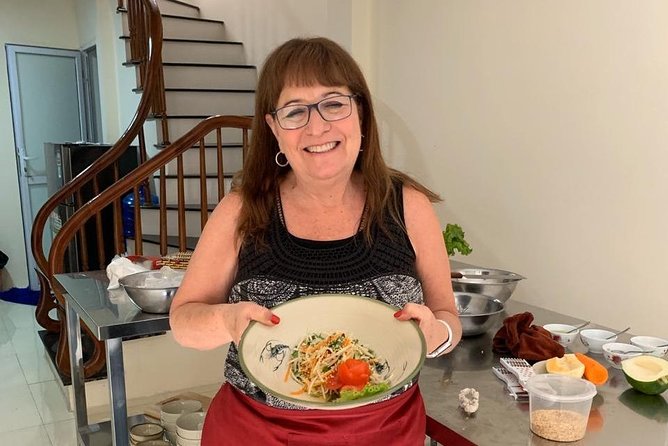
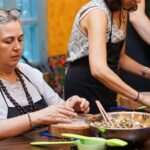
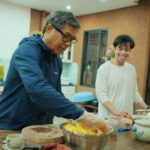
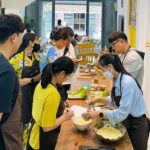
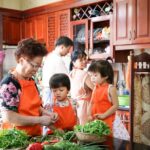
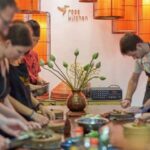
The cooking setup is described as professional, with flexible menu choices and personalized attention. In plain terms: you’re not limited to some rigid script.
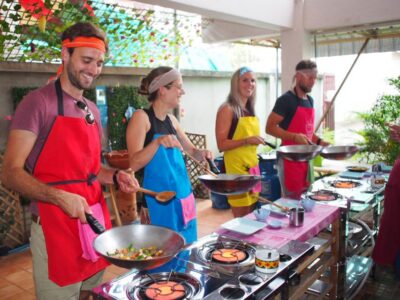
The session is fully hands-on, and it’s private, meaning it’s only your group. That matters if you want:
- more speaking time with the chef
- slower pacing for questions
- help adjusting techniques when your confidence level is low
A standout detail is that food allergies and food requests are respected. The meal options are listed with specific dishes, but the overall setup suggests the chef can work with dietary needs while keeping the experience intact. If you have allergies, don’t keep it vague. Share them clearly in advance so the chef can plan.
One more detail that adds comfort: you have a chef and assistant, so tasks don’t pile up. For a four-course meal, that’s the difference between cooking feeling fun versus chaotic.
And yes, you’ll be cooking enough that your hands will remember it later. Vietnamese cooking relies on fresh herbs, balance in sauces, and timing. This format helps you practice all three.
Your four-course Hanoi menu: what you’ll make and why it works
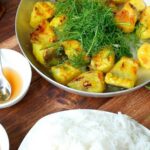
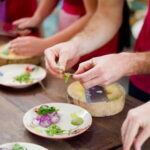
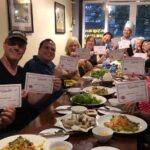
This class is built around a four-course Vietnamese family-style meal. The menu includes:

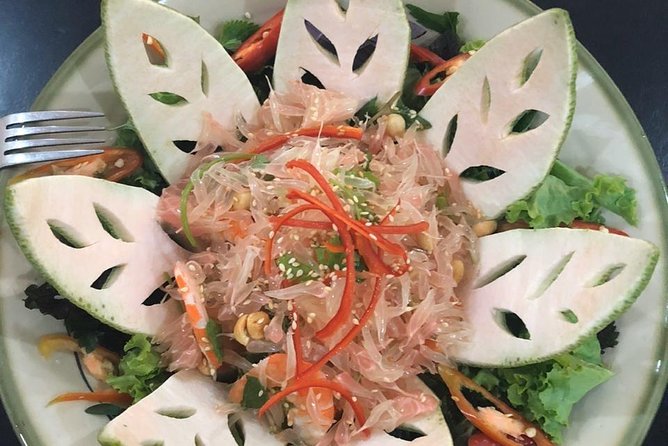
Banana blossom salad with chicken
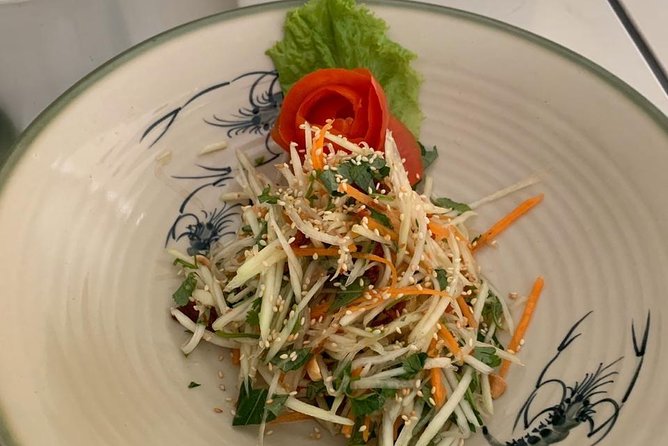
This is a strong first course because banana blossom offers a fresh, slightly crisp texture that doesn’t feel heavy. Chicken adds comfort and a steady protein base. What you learn here is how Vietnamese salads balance:
- freshness and texture
- seasoning that doesn’t hide the main ingredients
- simple techniques that still taste layered
If you enjoy light but flavorful starters, this is a good anchor dish.
Fresh spring rolls with mushrooms, carrot, herbs, and noodles (with dipping sauce)
This course is often where people realize how much flavor comes from the filling mix and the dipping sauce. The listed components include mushrooms, carrot, herbs, and noodles, so you’re not just wrapping something plain. You’re assembling multiple flavors into one clean bite.
Also, spring rolls are great for learning because the method is straightforward, but the outcome depends on how you handle herbs and the balance of filling. You’ll see how Vietnam treats herbs as a main character, not garnish.
BBQ pork with noodles and dipping sauce
This is your satisfying, deeper-flavor course. BBQ pork typically brings smoky-sweet notes, and pairing it with noodles turns the meal into something you’d realistically order at home.
What you’ll take away isn’t just the taste, but the technique behind building a sauce that clings without turning greasy. The dipping sauce matters here. It’s often where the dish becomes unmistakably Vietnamese.
Egg coffee as the final course
Egg coffee is a fun way to end because it’s distinctively Hanoi. The “unique egg coffee” is listed as part of the class, so you get the full circle: savory courses, then a drink that feels like a dessert experience.
You’ll likely appreciate this more if you like trying local specialties beyond street food. Egg coffee also gives you a take-home impression of Vietnam’s café culture without adding another stop to your day.
The value question: why $110 can make sense here
$110 per person for a private 4-hour experience sounds pricey until you break down what’s included.
You’re paying for:
- a chef and assistant
- a market visit for ingredient sourcing
- cooking instruction and hands-on support
- the full four-course meal
- soft drinks
- a private format (your group only)
In many cities, cooking classes either stay inside a kitchen with supermarket ingredients, or they offer a tour that doesn’t connect to what you cook. Here, the market and the cooking are linked. That connection is what makes the price feel more reasonable.
It’s especially good value if you:
- care about allergies or customization
- want a guided explanation of ingredients and how they’re used
- prefer doing a full meal experience in one sitting
It’s less of a bargain if you’re mainly looking for a quick snack lesson. This is a real meal, not a tasting.
Another practical value detail: the experience tends to get booked about 16 days in advance. If your dates are firm, don’t wait until the last minute.
Who should book this class in Hanoi
This fits best if you’re at least mildly excited to cook. It’s also ideal for:
- Food lovers who want real sourcing and not just a restaurant critique
- Couples or friends who want a private, low-pressure group activity
- Anyone with dietary needs, because allergies and requests are respected
- Families who want an active experience with a chef-led plan (this format works well with kids when the guide keeps it friendly)
If you hate getting your hands dirty, or you want a passive activity with mostly sightseeing, you might find the hands-on nature a bit much.
Also, if you have mobility concerns, keep in mind you’ll visit a temple and market area before cooking. The class lasts about 4 hours, so plan for that active time.
Small tips for making the day go smoothly
You’ll have the best experience if you:
- Ask about pickup clearly when you book, since details appear inconsistent
- Share allergies and preferences early so the chef can adjust confidently
- Plan for a morning start if you choose the lunch option around the listed time
- Bring curiosity, not perfection. The goal is learning and eating, not turning into a Hanoi chef overnight
If it’s raining, the market portion still tends to be part of the plan in this style of class. Come prepared with a light layer and something for damp weather.
Should you book it?
Yes, I’d book this if you want a Hanoi food experience that connects market ingredients to what you cook and eat. The private format, the hands-on method, and the fact that allergies are respected make it feel more like a tailored class than a standard group activity.
I’d think twice only if you’re mainly after passive sightseeing, or if your schedule can’t handle the set meeting point and morning start. And if you care about door-to-door convenience, confirm the pickup piece before you go.
FAQ
FAQ
Is this class lunch or dinner?
You can choose either a lunch or a dinner class, based on what fits your schedule.
How long does the experience last?
It runs for about 4 hours.
Is it a private experience?
Yes. It’s private, and only your group participates.
Do I get picked up from my hotel?
Pickup is listed as offered, but hotel pickup and drop-off are also marked as not included. Confirm what applies to your booking.
Where do we meet?
You meet at Phú Đô Village Hall (meeting point listed around No. 110 Phu Do street, Nam Từ Liêm district). The activity ends back at the meeting point.
What food will I cook and eat?
You’ll prepare a four-course family-style meal. The dishes listed are banana blossom salad with chicken, fresh spring rolls with mushrooms/carrot/herbs/noodles and dipping sauce, BBQ pork with noodles and dipping sauce, and egg coffee.
Is the market visit part of the experience?
Yes. You visit a local temple and market to pick up fresh ingredients before cooking.
What about allergies or dietary requests?
Food allergies or food requests are respected, and you can make choices for what sounds good to you when the menu options are discussed.