REVIEW · NAIROBI
Traditional Kenyan Cooking Class & Local Market Tour
Book on Viator →Operated by Local Experience Tours · Bookable on Viator
A local Nairobi meal starts with a market stop. This traditional cooking class blends a farmers market tour, a real matatu public-transport ride, and then cooking a full Kenyan meal at the host’s home, with the option to skip the market if you just want to eat. I like that it’s not a canned demo: you shop for fresh produce first, then cook what you bought, and you end up eating together in a home setting. I also love the small-group feel (up to 15 people) because it keeps the pace human and the conversation going.
One thing to consider: you should be ready for a hands-on experience and a lively matatu ride. If you want quiet, controlled sightseeing only, this may feel a bit messy or loud, and it also depends on good weather.
In This Review
- Key Highlights You’ll Actually Feel
- Why This Nairobi Cooking Class Starts at a Real Market
- Westlands Square Meetup and the Matatu Ride Reality Check
- Farmers Market Shopping: What to Look For and Why It Matters
- Cooking Kenyan Cuisine at Nimoh’s Home (Lifts Included)
- What You’ll Make and How Dietary Needs Fit In
- Price and Logistics: Getting Real Value From $50
- Timing, Weather, and What to Wear (So You Don’t Regret It)
- Who Should Book This (and Who Might Want a Different Plan)
- Should You Book This Nairobi Market-and-Cooking Experience?
- FAQ
- How long is the Traditional Kenyan Cooking Class & Local Market Tour?
- Do I have to go to the local farmers market?
- Are vegetarian, pescatarian, or gluten-free options available?
- Can I take the food home after the cooking class?
- What is the cancellation policy?
- What happens if the tour can’t run due to weather?
Key Highlights You’ll Actually Feel
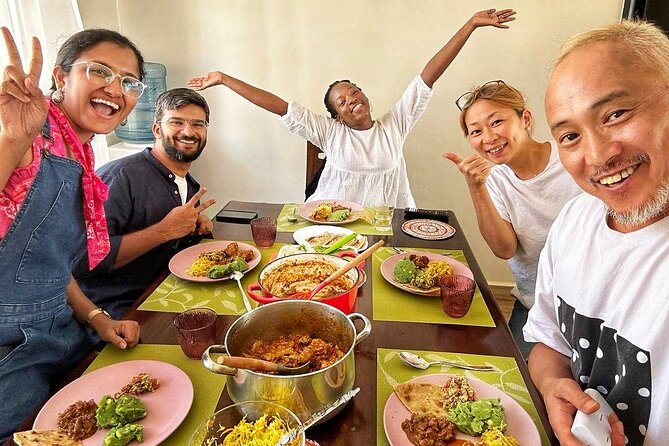
- Farmers market shopping that turns ingredients into a story you can taste
- Matatu public transport experience that shows Nairobi’s everyday rhythm
- Cooking at the host’s home using fresh produce sourced for your meal
- A full Kenyan meal from scratch, not just a single dish
- Dietary options available (vegetarian, pescatarian, gluten-free) when you request ahead
Why This Nairobi Cooking Class Starts at a Real Market
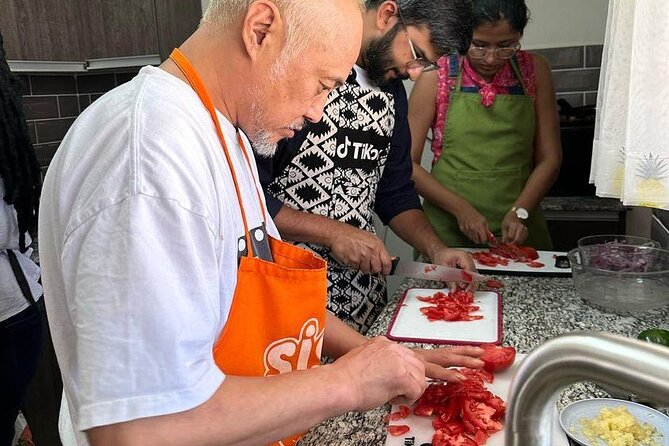
The smart part of this experience is the order. You don’t start in a kitchen. You start where Nairobi’s food culture lives: at a local farmers market where people pick ingredients daily. That changes how you think about cooking. Instead of following a recipe from memory, you’re learning what fresh produce looks like, how spices get chosen, and how cooks build flavor from what’s available.
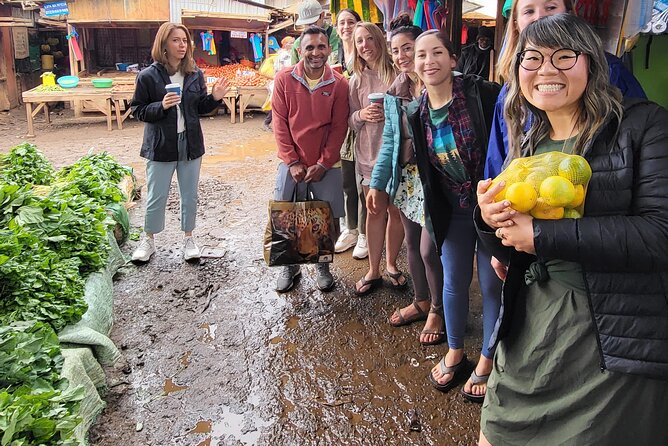
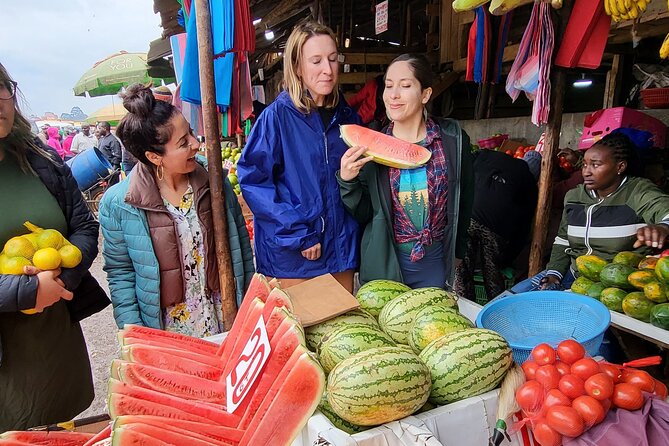
You’ll also get the chance to interact with locals during the shopping part, not just stand behind glass. In Nairobi, markets are where you can see value fast: fresh, seasonal items; cuts of meat; produce that looks different from what you’re used to at home. And yes, it’s sensory. Expect sights, sounds, and smells.
If you’re the type who loves food but also wants the context, this is a strong combo. You’re not just learning how to cook. You’re learning how people feed themselves here.
Westlands Square Meetup and the Matatu Ride Reality Check
The tour starts and ends at Westlands Square, Ring Rd Parklands. That matters because it makes the experience easier to plug into a travel day without complicated transfers. The timing runs about 3 hours 30 minutes (roughly), with the activity returning back to the meeting point.
Then comes the matatu experience. A matatu is public transport—shared, fast-moving, and very Nairobi. From the way people describe it, you should expect a ride with strong local character, including music that can be loud and an energy that feels less like a bus and more like a moving community. This is one of the reasons the day feels authentic: you’re not only seeing food culture, you’re riding through local daily life.
Practical tip: if you’re sensitive to noise or crowds, plan for that now. The good news is that you’re doing it with a guide who prioritizes safety and helps keep the experience comfortable.
Farmers Market Shopping: What to Look For and Why It Matters
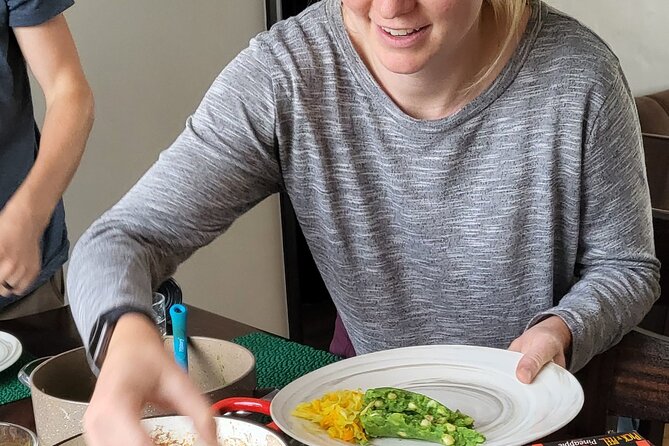
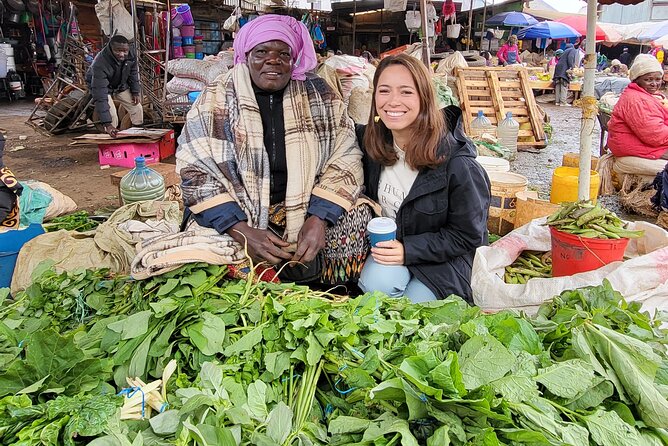
This part is not just a stop to take photos. You’re doing grocery shopping for the meal you’ll cook later, and the point is to learn how to select quality ingredients.
You’ll look for fresh produce that matches what you’ll cook—so your dinner isn’t a mystery. When the ingredients are fresh from the farm, the flavors are different than what you may find in a supermarket. Things taste more alive, and even simple cooking steps can become a lot more interesting because the base is good.
One reason this market segment gets such strong praise is the guidance. The host explains what to look for to get the best taste, and you’ll hear ideas about street food and how locals approach meals. That turns the market into a mini food school.
Important detail: you can totally skip the market if you don’t feel like shopping. You’ll still be welcomed to enjoy the home cooked meal, so the tour isn’t an all-or-nothing thing.
Cooking Kenyan Cuisine at Nimoh’s Home (Lifts Included)
After the market and transport segment, you’ll head to the cooking location: the host’s home. The cooking class location has lifts and is wheelchair accessible, which is a real plus if you’re traveling with mobility needs.
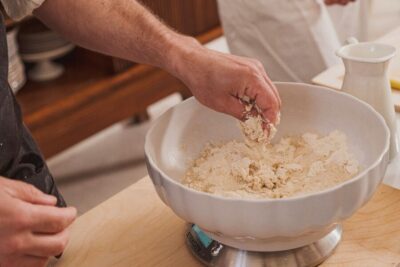
Here’s what makes the cooking part work: you’re not passively watching. You’ll help with preparing the meal and then sit down to eat together. That shared work is part of the value. You’ll learn the steps, but you’ll also learn the why—how flavors build, how to season, and how Kenyan meals tend to balance a main dish with a side (often including vegetables).
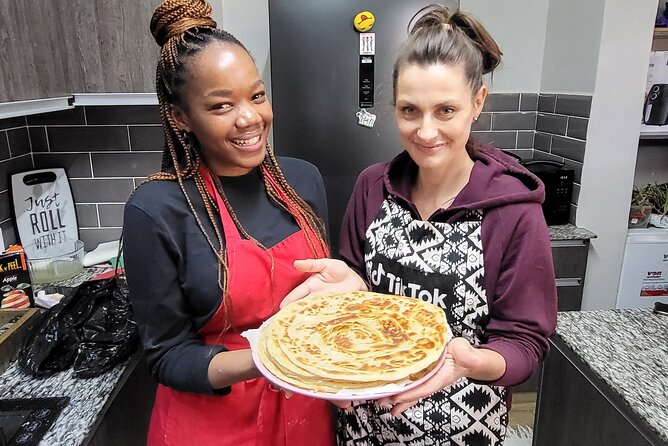
Some dishes you might see described include things like chapati and stewed goat with side dishes. The exact menu can vary, but the structure is consistent: a main dish plus a side dish with veggies, made from scratch during the session.
A small but meaningful point: after the experience, you can carry the foods prepared. That means you’re not just paying for a meal experience. You’re leaving with extra food for later, which is great if you’re trying to stretch your food budget while still eating well.
What You’ll Make and How Dietary Needs Fit In
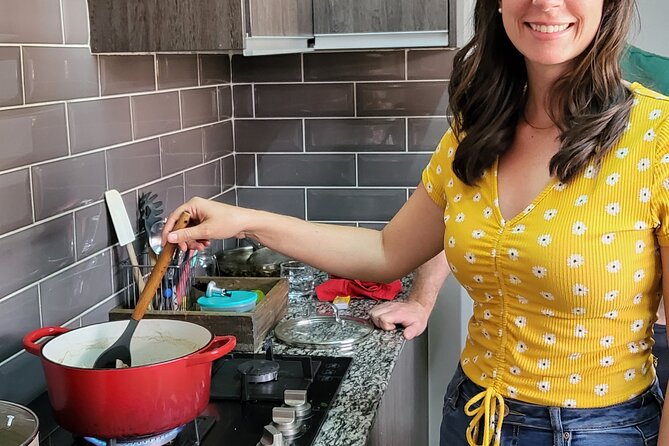
The day is built around creating a complete Kenyan meal. You’ll make both a main and a side with vegetables, and you’ll eat what you cook over conversation time.
If you travel with dietary restrictions, this tour is set up to handle them. Vegetarian, pescatarian, and gluten-free options are available when you request on booking. That matters because cooking classes often assume everyone eats the same thing. Here, the plan explicitly includes alternative dietary approaches.
One practical way to get the best result: tell the host your restrictions clearly when you book. The more specific you are, the easier it is for the shopping plan and recipe choices to match your needs. You’ll also want to share whether you want to avoid certain ingredients completely or just prefer substitutions.
Price and Logistics: Getting Real Value From $50
At $50 per person, the big value isn’t just the lesson. It’s what’s included.
This price includes grocery shopping. That’s a big deal. Markets can add up fast, especially when you’re buying fresh items needed for a full meal. When grocery costs are covered, you get a clearer sense of what you’re paying for: guidance, shopping time, cooking time, transport experience, and the meal itself.
The group size is also capped at 15 travelers, which helps keep the experience from turning into a long waiting line. In cooking classes, time matters. A smaller group usually means you get more hands-on attention and more real conversation.
One more logistics note: you’ll receive a mobile ticket, and you’ll get confirmation at booking. The tour is also designed to be close to public transport, which can help if you’re adjusting plans while in Nairobi.
Timing, Weather, and What to Wear (So You Don’t Regret It)
The activity runs about 3 to 3.5 hours and ends back where you started. It’s long enough to include market shopping, the matatu ride, and cooking plus eating. It’s not so long that you lose half your day.
Weather matters here. The experience requires good weather, and if it’s canceled due to poor weather, you’ll be offered a different date or a full refund. Nairobi plans can shift quickly, so it’s smart to keep some flexibility around this day.
What to wear: think practical. You’ll be near markets, handling ingredients, and doing hands-on cooking. Comfortable shoes help. If you’re worried about getting messy, you can still watch—there’s space for both participation and observation—but the experience is built around the hands-on vibe. Bring a mindset for fun, not perfection.
Who Should Book This (and Who Might Want a Different Plan)
You should book this if you want a Nairobi experience that feels like local life rather than a staged show. It’s especially strong for people who:
- love food and want to understand ingredients before cooking
- want to see Nairobi beyond the main tourist strip
- enjoy public transport as part of the story, not just a means to an end
- like small-group experiences with real conversation
You might think twice if you prefer calm, quiet activities, or if you’re uncomfortable with a lively public transport ride and market chaos. Also, if you’re traveling on a super tight schedule, the full 3 to 3.5 hours plus the market segment might be too much.
Should You Book This Nairobi Market-and-Cooking Experience?
If you’re torn, I’d decide based on one question: do you want Nairobi food culture with context? If yes, this is a great fit. You’ll get fresh-market shopping, a matatu ride that shows day-to-day Nairobi energy, and a real cooking session that ends with a full meal—and food you can take with you.
If your top priority is a quick, low-effort dinner, you may be happier skipping the market segment and going straight for the home-cooked meal option. The fact that you can adjust that part gives you control.
Overall, the value is strongest when you treat it as a mini day out: market senses, transport texture, cooking participation, and a meal that feels earned.
FAQ
How long is the Traditional Kenyan Cooking Class & Local Market Tour?
It runs about 3 hours 30 minutes (approximately), including the market segment, matatu public transport experience, and the cooking class with a meal.
Do I have to go to the local farmers market?
No. You can totally skip the market if you don’t feel like grocery shopping. You’ll still be welcomed to enjoy the home cooked meal.
Are vegetarian, pescatarian, or gluten-free options available?
Yes. Vegetarian, pescatarian, and gluten-free options are available on notice when you book.
Can I take the food home after the cooking class?
Yes. After the experience, you can carry the foods prepared.
What is the cancellation policy?
Free cancellation is available. You can cancel up to 24 hours in advance for a full refund. If you cancel less than 24 hours before the start time, the amount paid is not refunded.
What happens if the tour can’t run due to weather?
The experience requires good weather. If it’s canceled due to poor weather, you’ll be offered a different date or a full refund.