REVIEW · NAIROBI
Private Kenyan Cooking Class in Nairobi with a Local
Book on Viator →Operated by Traveling Spoon · Bookable on Viator
A Nairobi kitchen beats any food tour. The private session with Grace turns a hearty Kenyan menu into a real home lesson, built around dishes like mukimo, ugali, spiced rice, and local vegetables, then you sit down to share the meal. I love how welcoming and talkative she is, and how the food is taught in a way you can actually recreate later. One thing to weigh: Grace’s kitchen is very small, so it’s more of a cooking demonstration than full-on, constant hands-on work.
You start at 11:00 am and spend about 3 hours total. The real focus is that one-hour cooking demo, followed by eating what’s made. If you enjoy learning flavors and techniques through someone’s everyday routines, this is a great fit. If you need a hands-on cooking “lab” where you do most steps yourself, you’ll want to set expectations up front.
In This Review
- Key Points Worth Knowing Before You Go
- Nairobi Household Cooking: Why This Feels Different
- The 11:00 am Flow in Grace’s Kitchen (About 3 Hours Total)
- Mukimo and Ugali: The Kenyan Staples You’ll Learn First
- Mukimo (Mashed Potatoes and Greens)
- Ugali (Mashed Corn Flour Mixed With Water)
- Pilau Rice and Local Vegetables: Building a Full Plate
- Spiced Rice (Pilau)
- Local Vegetables
- Stories From Grace’s Grandmother: When the Lesson Has Roots
- How Hands-On It Really Is (And How to Make It Count)
- Price and Value: Is $76 a Good Deal for This Nairobi Experience?
- Practical Tips: Making the Most of Your 11:00 am Cooking Session
- Who Should Book This Cooking Workshop (And Who Might Not Enjoy It)
- Should You Book This Nairobi Cooking Class With Grace?
- FAQ
- What dishes will I learn to cook in this Nairobi cooking experience?
- How long is the cooking class in total?
- Is this a hands-on cooking class?
- Where does the experience take place?
- What time does the experience start?
- Is it a private experience?
- How much does it cost?
- When will I get confirmation after booking?
- Can I cancel for a full refund?
- Are service animals allowed?
Key Points Worth Knowing Before You Go
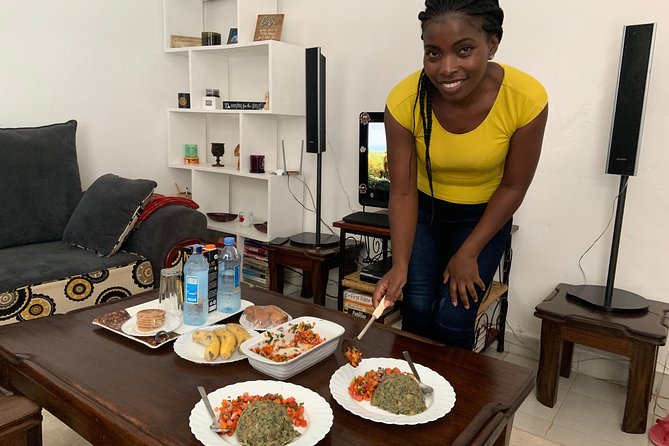
- Private and home-based: You’re not rotating with strangers in a commercial kitchen.
- A one-hour cooking demonstration: Grace cooks most of the food, and you help when the space allows.
- A practical Kenyan menu: You’ll learn core comfort dishes like mukimo/ugali plus pilau and local vegetables.
- Recipe carry-home energy: You’ll hear variations you can make later with pantry ingredients.
- Story time with family context: Grace shares memories of her grandmother making mukimo for over 100 years of life experience.
- You eat what you cook: The meal is part of the experience, not an afterthought.
Nairobi Household Cooking: Why This Feels Different
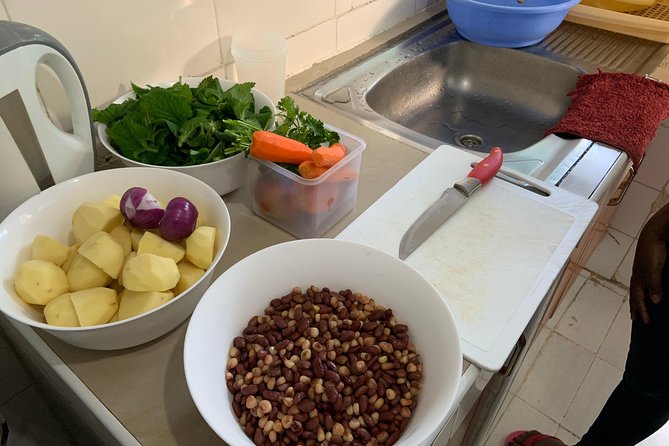
Kenya’s food is about more than spices and portion sizes. It’s about routine—what gets cooked on a regular day, what stretches ingredients, and how one dish can shift depending on what greens or staples are available. This class leans hard into that everyday reality by taking you into a typical Kenyan home kitchen with Grace.
What I like most is that you’re not just watching cooking. You’re getting the logic behind it. Kenyan dishes like ugali and mukimo rely on technique and timing, not just a list of ingredients. Even if you’ve never cooked these at home, you’ll come away with a clearer sense of what matters—texture, heat level, and how you balance salt, aromatics, and the right “body” for each dish.
Second, the cultural connection is built into the meal itself. Grace doesn’t treat cooking like a performance. She frames dishes through family memories, including stories about her grandmother who made mukimo for the family for decades. That kind of context makes the food feel anchored, not touristy.
The only drawback is the kitchen space. Since the kitchen is very small, Grace does most of the cooking while you watch. You will help whenever possible, but the structure is closer to a guided home demonstration than a you-do-every-step cooking class.
You can also read our reviews of more tours and experiences in Nairobi.


The 11:00 am Flow in Grace’s Kitchen (About 3 Hours Total)
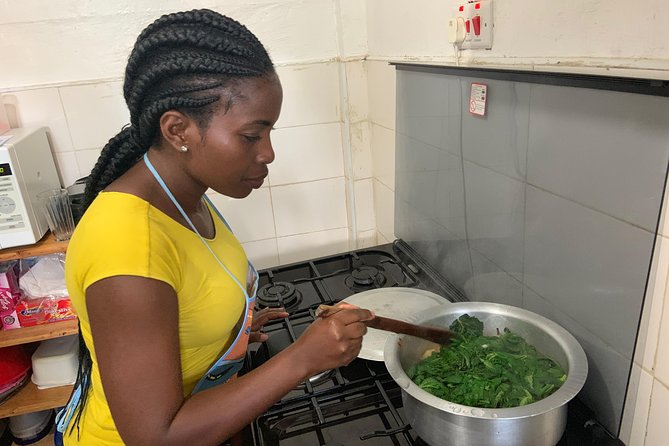
The experience starts at 11:00 am in Nairobi and ends back at the meeting point. Total time is about 3 hours, with the cooking demo described as about one hour.
That schedule matters more than it sounds. Many cooking classes run long because there’s constant chopping and multiple stations. Here, you’re spending your time on two things: (1) learning the dish process while Grace works around the limited space, and (2) enjoying the meal together afterward.
In practice, expect the timeline to feel like a slow, friendly lesson. Grace teaches as she goes, and she’s willing to answer questions. Since she has a small workspace, she’s likely to guide you in the steps that make sense for you to do—those “help when you can” moments that still teach technique, even if you aren’t doing every action.
Also, because this is a private activity, only your group participates. That means you’re not stuck waiting your turn to ask something or hoping the instructor notices you. If you come with food questions—about texture, timing, substitutions, or how certain greens are selected—this setup is a big advantage.
Mukimo and Ugali: The Kenyan Staples You’ll Learn First
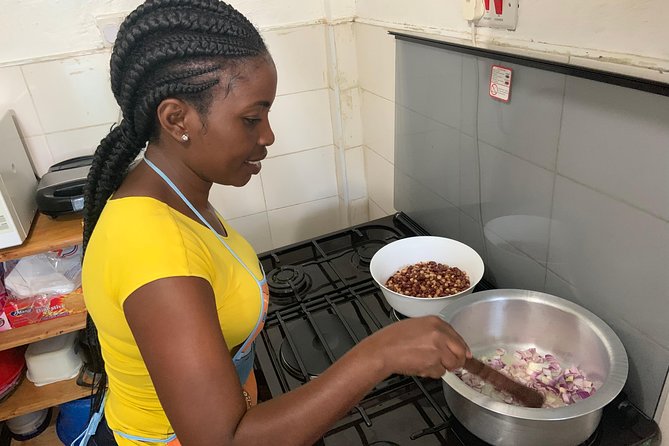
If you want one reason to book, it’s the chance to learn mukimo or ugali as part of a real menu, not just a side dish. These are foundational foods in many Kenyan households, and they teach you the “how” behind the “what.”
Mukimo (Mashed Potatoes and Greens)
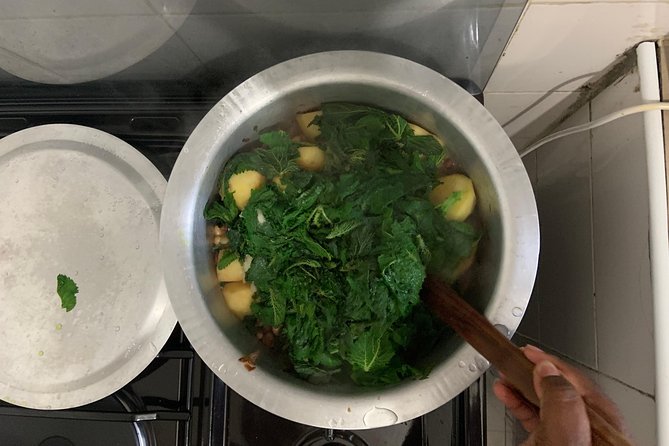
Mukimo is described as mashed potatoes and greens. What you’ll likely learn here is the basic transformation: cooking the potatoes until they’re soft enough to mash, then adding and cooking greens so they fold into the mash. The goal is a thick, cohesive dish that feels like comfort food, not a watery mash.
One of the most useful parts is how Grace shares family variations. She talks about how her grandmother made mukimo and mentions other ways to prepare it, including variations you can make using pantry ingredients later. That’s practical. Not everyone can find the exact same greens or potato type wherever they live. Learning the concept—soft starch + cooked greens + seasoning balance—helps you adapt.
Ugali (Mashed Corn Flour Mixed With Water)
Ugali is described as mashed corn flour mixed with water. This dish is all about texture control. The key learning point is what “right” feels like: firm enough to hold together, cooked through properly, and not crumbly or paste-like.
This is also a dish where watching matters. With a small kitchen, Grace can’t hand you every tool, but she can guide you through what changes as the mixture heats and thickens. If you like understanding food science through real-world cooking, ugali is an excellent lesson.
Pilau Rice and Local Vegetables: Building a Full Plate
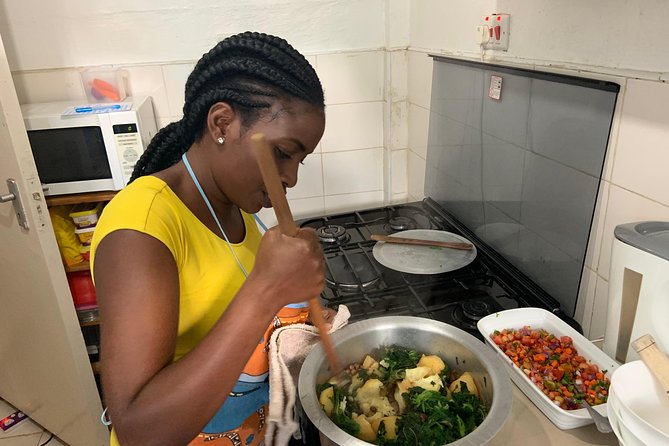
A big part of why this experience works is that it teaches you more than one item. You’ll learn spiced rice (pilau) and local vegetables alongside mukimo or ugali. That makes the meal feel complete, and it also helps you think like a home cook—how dishes support each other.
Spiced Rice (Pilau)
Pilau is spiced rice, and the workshop includes it as part of the menu you’ll cook. Even without exact recipe details listed here, the value is that you’ll learn how the dish fits into a Kenyan meal rhythm. Rice is often the base that balances thicker starch dishes and vegetables.
If you cook at home, this is where you’ll start connecting dots. Once you understand how ugali or mukimo functions on the plate, it’s easier to see how pilau brings aroma and spice that make the meal more varied.
Local Vegetables
Local vegetables are part of what you’ll prepare during the demo. Again, the exact vegetable types aren’t specified, but the approach is the point. You’ll learn how vegetables fit into a Kenyan household plate—often cooked until tender but still flavorful, usually seasoned simply enough to let the ingredients show up.
One small but important insight from the shared cooking vibe: Grace’s approach reportedly keeps seasoning straightforward, with focus on basics like salt and onions. That means the recipes are more likely to be repeatable for you at home, where ingredient access may be limited.
Stories From Grace’s Grandmother: When the Lesson Has Roots

Food lessons land best when there’s a reason behind them. Grace adds that through storytelling, especially her grandmother, who made mukimo for the family for over 100 years of life. That’s not just a fun fact—it shapes how the dish is explained.
When someone explains a recipe through generational practice, you tend to learn more than steps. You learn what gets prioritized. For example, you may hear about how families keep mukimo consistent, how to adjust when greens differ, or what makes the final mash satisfying. Even if your ingredients change, those principles help you reproduce the dish’s core feel.
It also makes the experience warmer. Cooking isn’t only about output. It’s about care, and Grace’s stories make it clear that these foods are tied to family habits, not a one-time event.
How Hands-On It Really Is (And How to Make It Count)
Let’s set the expectation clearly: because Grace’s kitchen is small, she will do most of the cooking while you watch. She will have you help whenever possible, but the pace and workflow are limited by space.
That said, the “demonstration vs. hands-on” label doesn’t mean you’ll be passive the whole time. In a guided home kitchen, help can mean doing the moments that matter—stirring a mixture, assisting with prep, tasting or checking texture at the right time, and asking questions as she works.
Your best move is to show up ready with questions. Ask about texture (“How should ugali look when it’s right?”), seasoning balance (“What makes the difference between bland and good here?”), and substitutions (“If I can’t find the same greens later, what’s the concept I should keep?”). A private format helps because you can get direct answers without time pressure.
If you want a cooking class where you’re chopping and cooking constantly, you might feel shortchanged. If you want authentic learning in a real home setting, this is a strong match.
Price and Value: Is $76 a Good Deal for This Nairobi Experience?
At $76 per person for about 3 hours in Nairobi, this sits in the “small-group quality” range rather than the “budget street food” range. The main question is whether the experience delivers something you can’t easily get elsewhere.
Here’s how I judge the value:
- Private home access is usually the expensive part. You’re not paying mainly for ingredients. You’re paying for Grace’s time, her kitchen access, and the personal attention that comes with a private setup.
- You learn repeatable dishes: mukimo, ugali, spiced rice, and local vegetables. If you genuinely plan to cook these again at home, that learning becomes a long-term payoff.
- You eat what you cook. The meal isn’t a separate add-on. You end the session by sharing the food together, which is part of the overall value.
- You get cultural context through family stories. That emotional ingredient is hard to price, but it’s often what makes these experiences memorable.
Would I call it cheap? No. But I think it’s fair if your goal is authentic, home-based food knowledge rather than a quick tasting stop.
One more practical note: the experience mentions group discounts. If you’re traveling with friends or want to book as a small group, you can often improve the value per person.
Practical Tips: Making the Most of Your 11:00 am Cooking Session

A few small, smart choices will help you enjoy this more:
- Arrive early enough to settle in before the cooking demo starts at 11:00 am. Small kitchens and tight schedules mean you don’t want to be late.
- Wear comfortable clothes you don’t mind getting a little busy. Even when you watch, home cooking can get active.
- Bring an appetite for texture. Ugali and mukimo are about consistency. If you’re the type who loves understanding why food feels the way it does, you’ll get a lot from the lesson.
- Ask about pantry substitutions. Grace shares variations for mukimo using pantry ingredients. If you want this to be useful at home, make sure you ask what swaps she recommends.
- Plan for a demo format. Don’t expect a large, station-based class. Think guided cooking lesson, then a shared meal.
Also, because service animals are allowed and the area is near public transportation, the experience is set up to be accessible for a range of needs. Just plan your route so you’re at the meeting point on time.
Who Should Book This Cooking Workshop (And Who Might Not Enjoy It)
This is best for you if:
- You want a private Kenyan home experience, not a restaurant meal.
- You enjoy learning staple dishes and want the “repeat at home” factor.
- You like conversation and cultural context, especially family stories connected to recipes.
- You’re okay with a demonstration-first format and want to help when the space allows.
It may feel less satisfying if:
- You’re looking for a hands-on class where you do most steps.
- You prefer large kitchens, multiple workstations, and constant task rotation.
If you’re a solo traveler who wants a personal cultural connection, the private nature helps. If you’re a couple or a small group, you’ll likely enjoy the extra comfort of asking questions without a crowd.
Should You Book This Nairobi Cooking Class With Grace?
I’d book this if your main goal is genuine, home-style Kenyan cooking knowledge. You’re learning dishes that are central to Kenyan food culture—mukimo, ugali, pilau, and vegetables—then you eat the results. Grace’s welcoming style and her stories about her grandmother add meaning to the meal, and they also make the recipes easier to remember.
Only hold off if you need a heavily hands-on kitchen experience. With a very small kitchen, you’ll watch most of the cooking and help when possible. If that trade-off sounds acceptable, this is a smart way to spend half a day in Nairobi that pays off long after the meal.
FAQ
What dishes will I learn to cook in this Nairobi cooking experience?
The class includes a cooking demonstration of traditional Kenyan dishes such as mukimo (mashed potatoes and greens), ugali (mashed corn flour mixed with water), spiced rice (pilau), and local vegetables.
How long is the cooking class in total?
The experience is about 3 hours total.
Is this a hands-on cooking class?
Because the host’s kitchen is very small, this is more of a cooking demonstration than a fully hands-on class. You will help whenever possible, but Grace will do most of the cooking.
Where does the experience take place?
It takes place in Nairobi, and you’ll visit a typical Kenyan household kitchen with the local host.
What time does the experience start?
The start time is 11:00 am.
Is it a private experience?
Yes. It’s a private tour/activity, and only your group will participate.
How much does it cost?
The price is $76.00 per person.
When will I get confirmation after booking?
Confirmation is received within 48 hours of booking, subject to availability.
Can I cancel for a full refund?
Yes, you can cancel up to 24 hours in advance for a full refund, based on the experience’s local time.
Are service animals allowed?
Yes, service animals are allowed.