REVIEW · NAIROBI
Market Tour and Traditional Kenyan Cooking Class in Nairobi
Book on GetYourGuide →Operated by Evaline Mbugua · Bookable on GetYourGuide
Cooking in Nairobi is where the smells win.
This 4-hour experience pairs a local market run with a traditional home cooking lesson, so you don’t just watch food happen—you see where ingredients come from and how they get turned into a proper meal. I like the focus on real everyday dishes, especially the Kenyan staples made from scratch.
Two things I really like: you’ll get a private session (just your party), and you’ll learn Kenyan and Indian-influenced classics like ugali, chapati, and curries. One thing to consider is the cooking setup is limited by space at the host’s home, so the host does most of the actual cooking while you learn and help where you can.
In This Review
- Key things I’d circle in Nairobi
- Nairobi market to home kitchen: why this format works
- Getting started at K Mall Komarock (and what to bring mentally)
- The market run: shopping like a Nairobi household
- Cooking at the host home: ugali and chapati in real conditions
- What you’ll make (and why these dishes are the core)
- The one-to-one guidance you actually feel during the lesson
- Included food and drinks: what you’re getting for the price
- Price and Logistics: Is $55 worth it here?
- Who this Nairobi cooking class suits best
- Final call: should you book this Nairobi experience?
- FAQ
- How long is the Market Tour and Traditional Kenyan Cooking Class?
- Where do I meet the group?
- Is this a private experience?
- What languages is the guide available in?
- What do I do during the tour?
- What dishes are included?
- What’s included in the price?
- What is not included?
- Can I cancel for a refund?
Key things I’d circle in Nairobi
- K Mall Komarock meeting point makes it easy to start without guesswork
- Market ingredient shopping so you understand what goes into the meal, not just the recipe
- Home cooking, from scratch with Kenyan and Indian influences
- UGALI + chapati practice, the heart of many Kenyan meals
- Small-group feel: one-to-one guidance in a private format
- Included food and drinks (plus transport to and from the market) for one simple price
Nairobi market to home kitchen: why this format works
Kenya’s food culture isn’t only about flavors. It’s about process—choosing produce, handling spices, and cooking the way households actually do it. This tour does that well because it starts where ingredients are bought, then shifts to the home where the meals are made and eaten.
I also like that you’re not stuck in a huge group. Private means the guide can explain more clearly and you can ask practical questions while you’re there, not after. And because it’s only 4 hours, it feels focused. No half-day drag, no awkward waiting around.
A small heads-up: because the cooking is done in a real home kitchen with limited room, you should expect a mix of hands-on help and watching. You’ll still learn how things come together, but you won’t be stationed at a fryer for the whole time.
You can also read our reviews of more tours and experiences in Nairobi.


Getting started at K Mall Komarock (and what to bring mentally)
You meet at the K Mall Komarock parking lot. From there, the plan is straightforward: head to the market first, then go back to the host’s home to cook and eat.
That first step matters. A market tour can be either super educational or mostly sightseeing. Here, the point is ingredient shopping for your actual meal. So go in with an open mind. Notice how items look and smell, and pay attention to what the guide explains about which ingredients matter most for Kenyan home cooking.
What I’d bring with me for comfort: closed-toe shoes (markets can be uneven), and a water mindset. You’ll have water included, but you’ll still want to pace yourself during the walk and shopping.
The market run: shopping like a Nairobi household
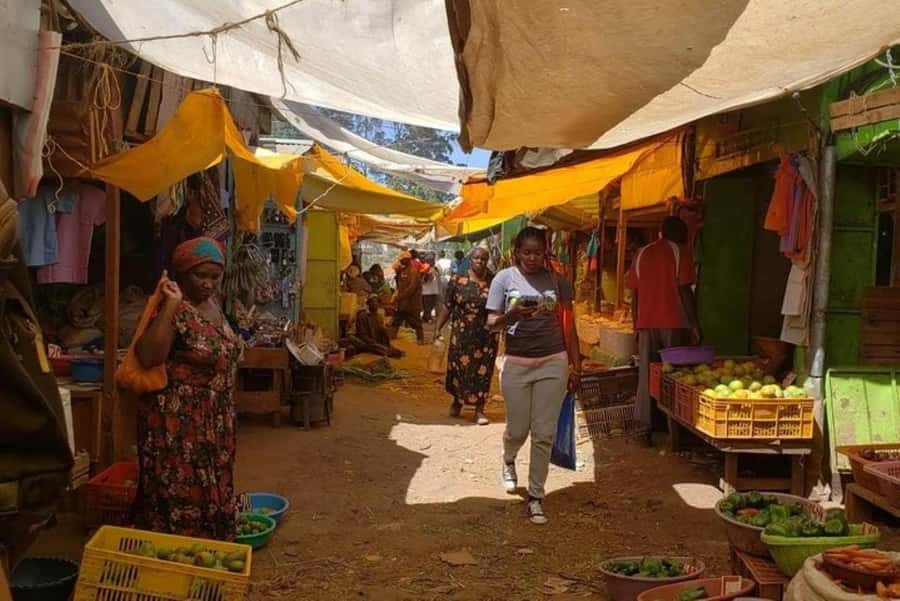
The market visit is where the lesson starts to feel real. You’ll buy fresh local organic supplies for the meals you’ll cook later. That turns the cooking class from theory into something you can connect with what you see.
This is also where you’ll pick up practical food instincts—things like what ingredients are used in daily cooking, and why certain items are chosen over others. The experience is designed around building meals from scratch, so the shopping isn’t a side quest. It’s part of the kitchen plan.
Depending on what’s available that day, you may notice how flexible home cooking can be. Even with a menu in mind, markets can shift what’s freshest. That’s how you learn the skill behind the dish, not just the steps.
Also, there’s a guide with you for the whole process. The tour is offered with a live guide in English and Swahili, which helps a lot if you want to ask questions about ingredients, spice use, or cooking techniques.
Cooking at the host home: ugali and chapati in real conditions
After the market, you head to the host’s home. This is the big shift—from public spaces to a small kitchen environment where cooking is done for family-style eating. It’s not a staged studio, and that’s the point.
Because of space constraints, the host does most of the cooking. You’re not just watching from far away, though. The experience is built so you can help with key steps and learn the flow of how dishes are made. Expect guidance while you take part where it’s feasible—like handling ingredients, assisting with prep, and understanding how timing matters once heat is on.
One detail that stood out in the feedback: the kitchen can be surprisingly efficient despite being small. That’s useful for you to know. The takeaway isn’t that you need a big kitchen to cook well. It’s that you need the right sequence and confidence in simple ingredients.
If you’re someone who learns by doing, you’ll likely appreciate the private setting. You can focus on the lesson without the “everyone move on” pressure that happens in larger classes.
What you’ll make (and why these dishes are the core)
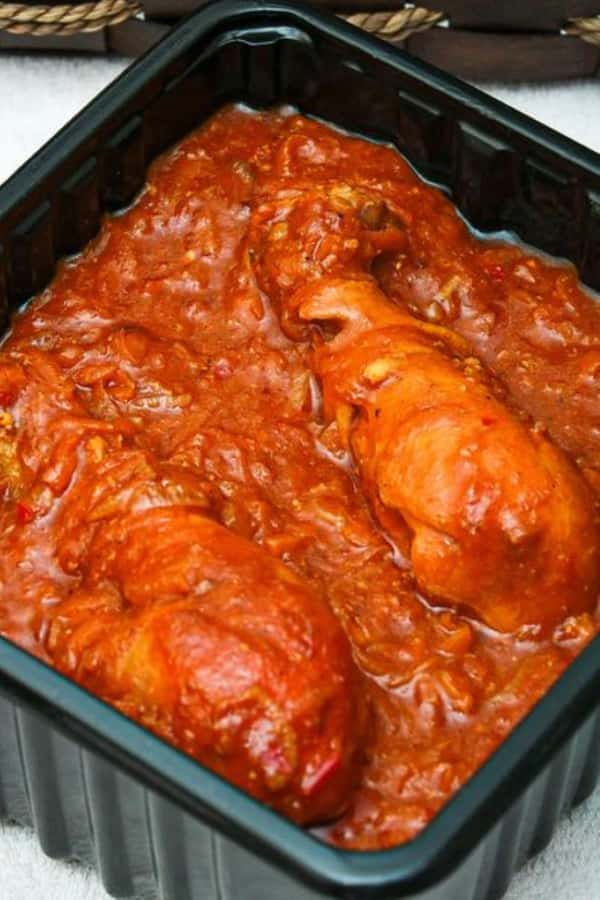
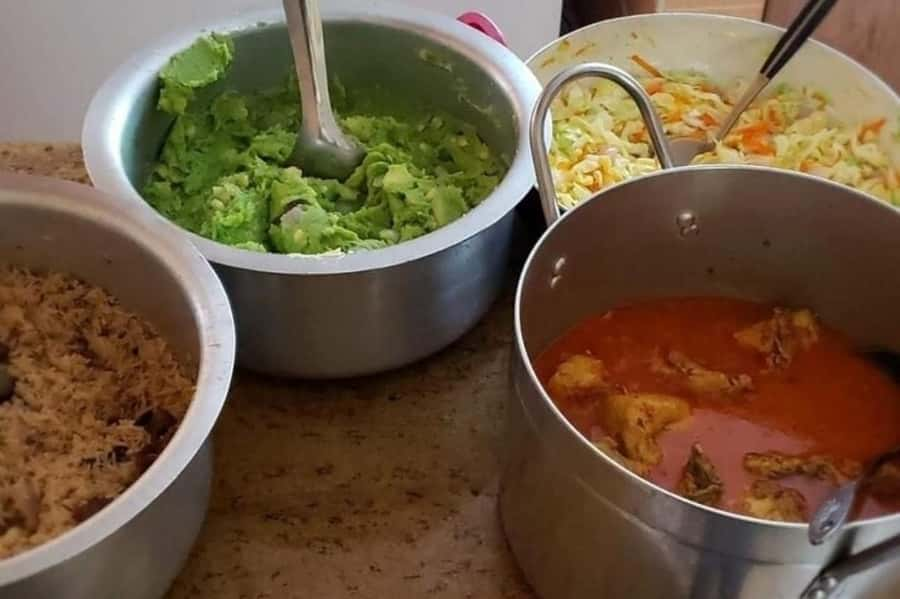
This isn’t a random sampler. It’s centered on Kenyan staples, with Kenyan and Indian influences showing up in the curries and bread-style components.
Here are the main dishes you should expect:
- Ugali (cornmeal)
Ugali is one of those dishes that can sound simple until you try it. The method matters—how it’s mixed and cooked until it reaches the right texture. It’s filling, plain in a good way, and it sets the stage for sauces and sides.
- Chapati
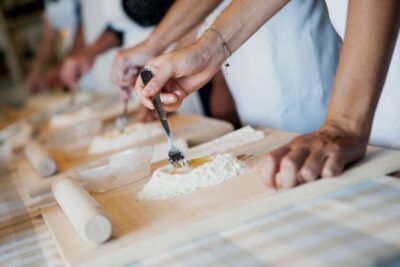
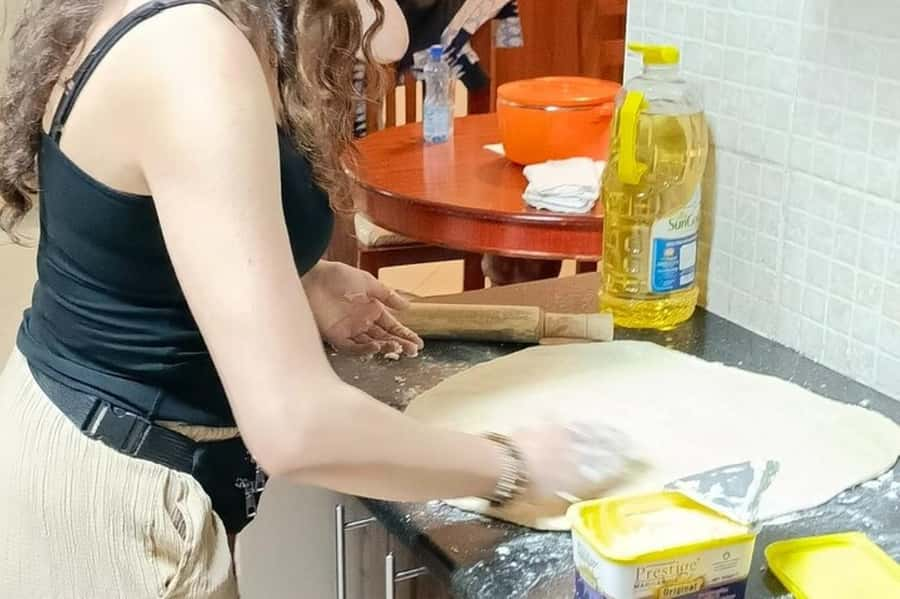
Chapati is a favorite because it’s comforting and flexible. It also gives you a look at how bread-making works in everyday cooking, not restaurant shortcuts.
- Curries
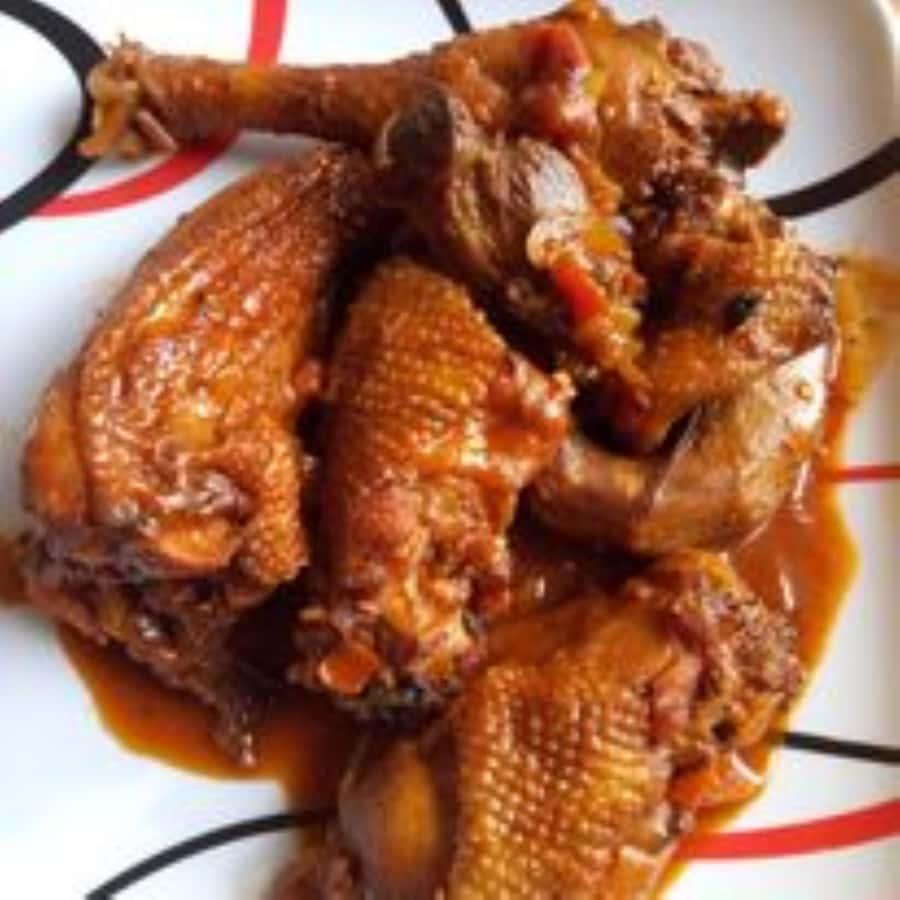
The curries bring in the Indian influence you’ll hear about across East African food cultures. The focus is on flavor building with spices and combining ingredients into a meal you can eat with your sides.
- Pilau
Pilau typically shows up as part of the meal experience, giving you a rice dish that’s more flavorful than plain rice.
Why this mix makes sense: ugali and chapati are staples you’ll see across many Kenyan homes, while curries and pilau add the “big flavor” part of the meal. You get the full spectrum—base + sauce + spice-driven comfort.
The one-to-one guidance you actually feel during the lesson
This is sold as a private session for just your party, and that matters once you’re in the kitchen. Instead of learning from a script with a crowd, you can get more personalized coaching as you help with steps.
In practical terms, you’ll likely spend more time clarifying the stuff that trips people up:
- How to judge texture for ugali
- When and how chapati dough behaves
- How spice flavors change as they cook
- How the dishes fit together on the table
And because the guide speaks English and Swahili, you’re not stuck guessing. Even if your Swahili is basic, you can still follow along and ask questions in a language you’re comfortable with.
One more nice detail: the experience doesn’t feel like a lecture-only setup. There’s space for conversation as well, which makes the whole thing feel less like training and more like being invited into a real home routine.
Included food and drinks: what you’re getting for the price
For $55 per person, you’re not just paying for a class. You get the meal experience, plus key comforts.
Included:
- Food
- Soda
- Fruits
- Water
- Transport to and from the market
That’s a big part of the value. In Nairobi, getting around can be a separate cost and mental load, especially if you’re already planning activities for the day. Having transport handled for the market portion reduces friction.
What’s not included is Uber fees. That’s not a dealbreaker, but it means you should plan your ride strategy accordingly. If you’re coming from elsewhere, you’ll want to factor in how you’ll reach the meeting point at K Mall Komarock.
Price and Logistics: Is $55 worth it here?
At $55 for 4 hours, this lands in the “worth it if you care about food” category. Why? Because you’re paying for three things that are hard to replicate on your own:
- Local market navigation for ingredients that match the meal plan
- A home setting where you can learn how staples like ugali and chapati are made
- The meal itself, with drinks and fruit included
If all you wanted was a cooking demonstration with no shopping component, you’d probably find cheaper options. But the market-to-home flow is what turns this into a cultural food experience rather than a generic lesson.
The private format also boosts the value. It’s easier to get instructions that match your pace, and the group size stays comfortable. For couples, small groups, or anyone who prefers a more personal learning style, that matters.
Who this Nairobi cooking class suits best
I think this tour fits best if you want:
- A hands-on food experience without needing to be a serious cook
- Kenyan staples like ugali and chapati, plus curry-style dishes
- A market shopping component that makes cooking feel connected to everyday life
- A private setup with one-to-one guidance and less crowd pressure
It’s also a good choice for people who like talking with hosts and learning through questions. The experience naturally supports that because it happens in a home setting and isn’t a big group performance.
If you’re someone who needs to do every cooking step yourself, remember the host does most of the cooking due to space limits. You’ll help where possible, but this is more about learning the process with guidance than about being the head chef the whole time.
Final call: should you book this Nairobi experience?
Book it if your ideal travel day includes three things: real food, a local market stop, and learning how classic dishes actually get made at home. For $55, the included meal, drinks, fruit, and transport make it feel like a complete experience rather than just a quick activity.
Skip it (or at least adjust expectations) if you want a large group class where everyone cooks continuously. This is a private home-based setup, and the kitchen space means the host leads much of the cooking.
If you’re hoping to leave Nairobi with more than photos—if you want the rhythm of Kenyan home cooking in your head—this one is a strong pick.
FAQ
How long is the Market Tour and Traditional Kenyan Cooking Class?
The experience lasts 4 hours.
Where do I meet the group?
You meet at the K Mall Komarock parking lot.
Is this a private experience?
Yes. It’s a private group for just your party.
What languages is the guide available in?
The live guide speaks English and Swahili.
What do I do during the tour?
You start with a local market to source ingredients, then you go to the host’s home to prepare and cook meals from scratch with guidance.
What dishes are included?
The meal includes Kenyan dishes such as ugali (cornmeal) and chapati, and you’ll also cook items like curries and pilau.
What’s included in the price?
Included items are food, soda, fruits, water, and transport to and from the market.
What is not included?
Uber fees are not included.
Can I cancel for a refund?
Yes. You can cancel up to 24 hours in advance for a full refund.