REVIEW · KHIVA
Traditional Khiva Cooking Class with Market Visit & Lunch
Book on GetYourGuide →Operated by Sarvar Bobojonov · Bookable on GetYourGuide
Cooking with a Khiva family feels different.
You start in the local market, pick fresh ingredients, then cook either Plov or Shivit Oshi in a real home instead of a restaurant kitchen. I also like how the host, Sarvar Bobojonov, brings the cooking down to practical steps you can repeat, not just a show. One thing to consider: it’s hands-on, and the rules are strict about clothing and what you can bring, so plan to dress modestly.
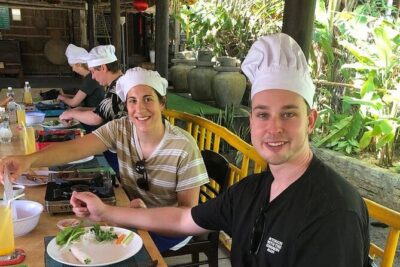
This is one of those experiences where the meal is the main event, but the people are the point. You’re treated as a short-term family friend, with conversation during shopping and cooking, plus a sit-down homemade lunch with tea. The slight drawback is that the group is private but still small, so if you want a crowd atmosphere or lots of downtime, this is more focused and active than laid-back.
In This Review
- Key highlights you’ll remember from this Khiva cooking class
- Why a Khiva cooking class starts with the market
- Pickup and timing: fitting 2.5 hours into your day
- Cooking in a local home: what the hands-on part really means
- Plov vs Shivit Oshi: two Khorezm classics, taught step by step
- Plov: the comfort dish that rewards attention
- Shivit Oshi: another way to experience Uzbek flavors
- The lunch table: tea, fruit dessert, and how hosts finish the meal
- English instruction that stays practical (not just talk)
- Price and value: $150 per group up to 3
- What you should know before you go (rules and expectations)
- Who this Khiva cooking class suits best
- Should you book this Khiva market and cooking class?
- FAQ
- How long is the cooking class experience?
- What dish will I cook?
- Is the class private or shared?
- What’s included in the price?
- Do you offer English instruction?
- Where are pickup and drop-off locations?
- Are there any restrictions on clothing or items?
Key highlights you’ll remember from this Khiva cooking class
- Market visit that teaches shopping tricks, not just walking around
- Hands-on Plov or Shivit Oshi cooking in a local home
- Home lunch with the family, including Uzbek tea and seasonal fruit dessert
- Recipes to take home, so your cooking doesn’t end when the tour does
- English instruction with Sarvar Bobojonov as your guide and host contact
Why a Khiva cooking class starts with the market
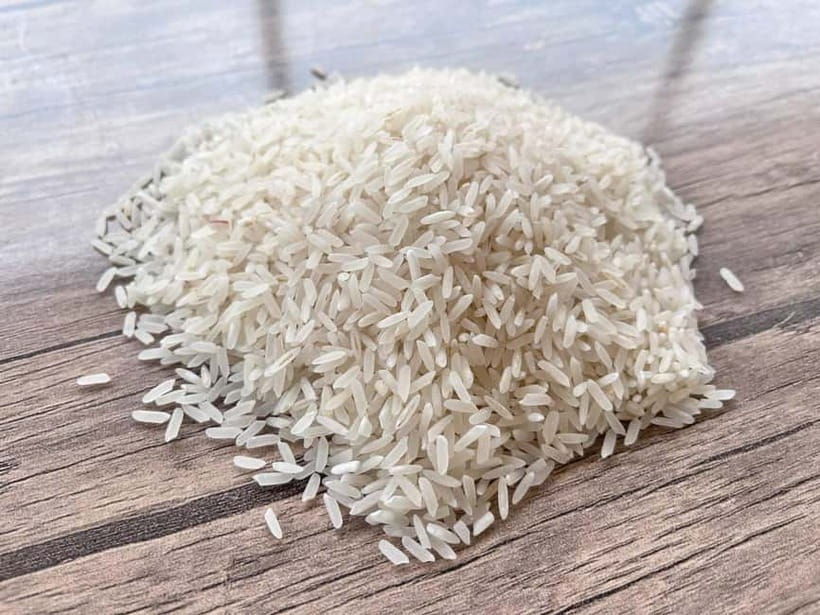
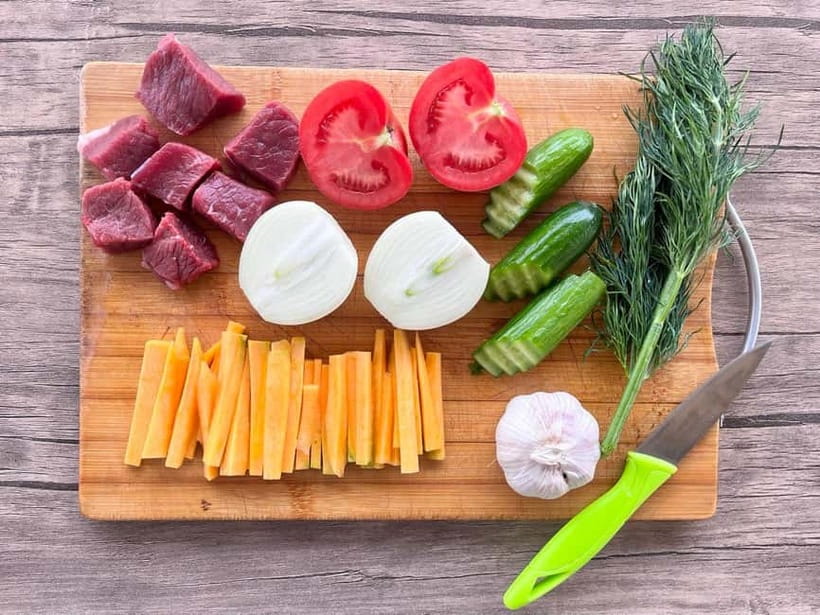
In Khiva, food begins with what you can spot and buy that day. That’s why this experience doesn’t dump you into a classroom first. You’re picked up and brought to the local Khiva market, where you learn how locals shop—what to look for, what seems fresh, and how ingredient choices affect the final taste.
This part is more useful than it sounds. When you see how people pick produce and talk with vendors, you stop guessing later when you try to cook at home. You also get context for why Uzbek flavors taste the way they do—oil, spices, rice (for plov), and the overall rhythm of cooking.
The market stop is also where the tone sets in. From the start, you’re not treated like a ticket number. You’re in the middle of everyday life, and the experience feels practical rather than staged.
Pickup and timing: fitting 2.5 hours into your day
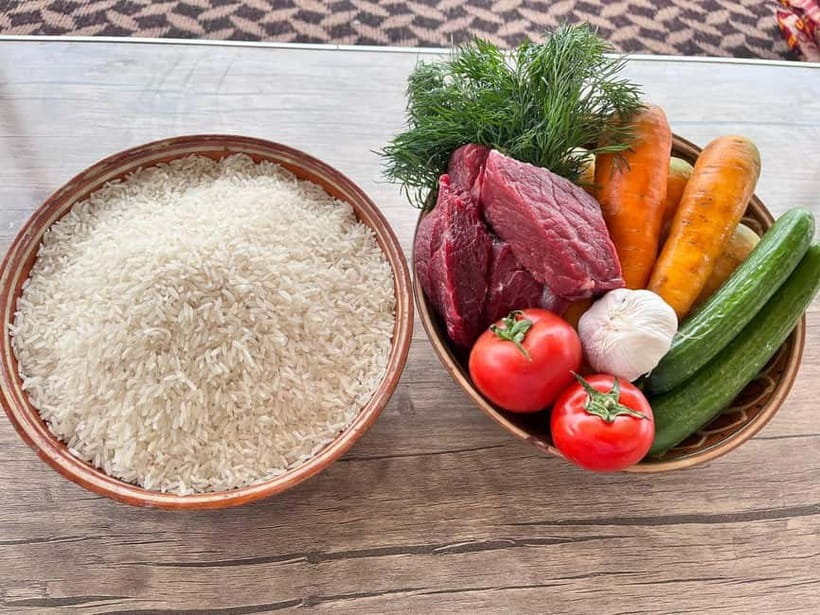
The experience runs about 2.5 hours, with around 2 hours focused on cooking. That timing is realistic if you’re sightseeing around Khiva’s historic core and want food to anchor the day without stealing your whole schedule.
You’ll get hotel pickup in a white sedan (156NAA). Pickup options include Polvon darvoza, Stone Gate (Itchan Kala South Gate), Khiva, Bakcha Darvoza, and Itchan Kala west gate. After lunch, the drop-off brings you back near the same area: Itchan Kala west gate, Bakcha Darvoza, Khiva, Polvon darvoza, and Stone Gate (Itchan Kala South Gate).
Because pickup and drop-off locations are inside the Khiva area, you’re not wasting time crossing the region. The main time commitment is the cooking itself, plus the shopping leg that makes everything taste more authentic later.
Cooking in a local home: what the hands-on part really means
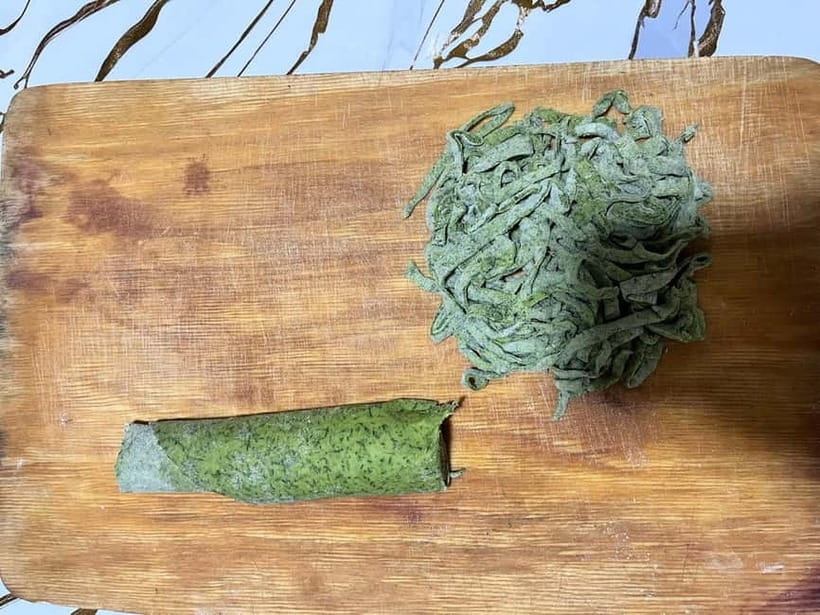
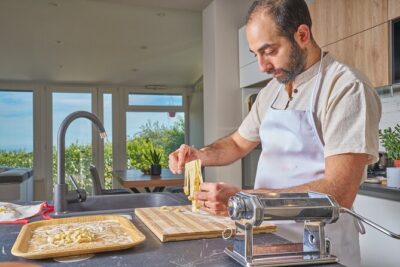
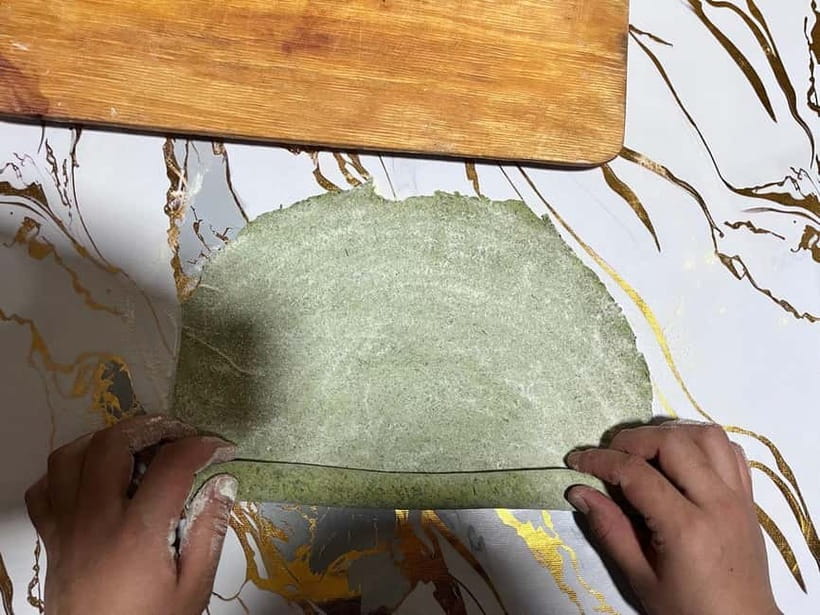
The core of the experience happens in a traditional home. You don’t just watch from a safe distance. You cook as part of the flow—helping where you can, learning from your host, and picking up techniques that don’t come from a cookbook.
Sarvar Bobojonov guides you through the process in English, with explanations tied directly to the dish. In reviews, people highlight how detailed the guidance is and how relaxed the family feels. You’ll often get the sense you’re visiting a friend, not checking off a workshop.
A strong feature here is family involvement. The cooking isn’t limited to one person. In multiple accounts, Sarvar’s mother and family members are part of the meal and instruction, so you see how traditions get carried through a household—not just taught as a performance.
This also matters for food quality. Plov and Shivit Oshi are the kind of dishes where timing and feel matter. When the kitchen isn’t rushed and the family understands your questions, you learn faster and eat better.
Plov vs Shivit Oshi: two Khorezm classics, taught step by step
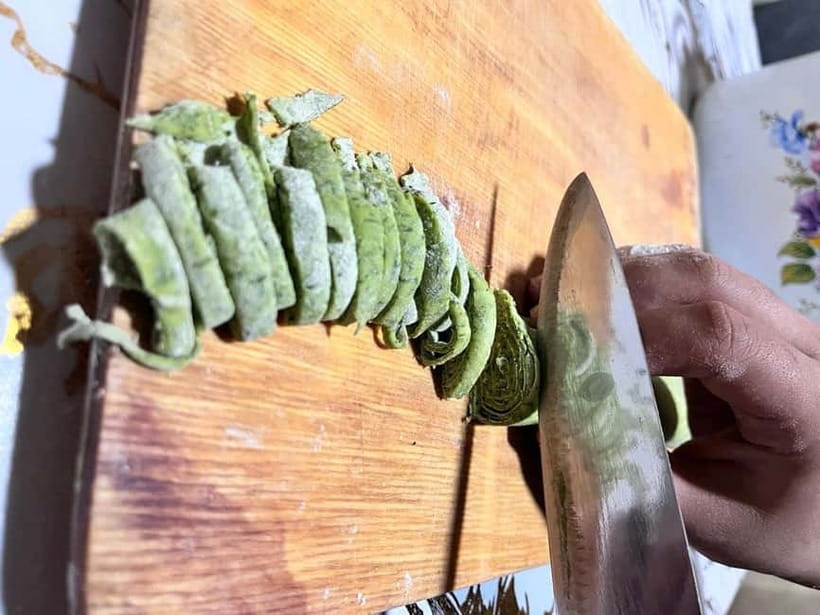
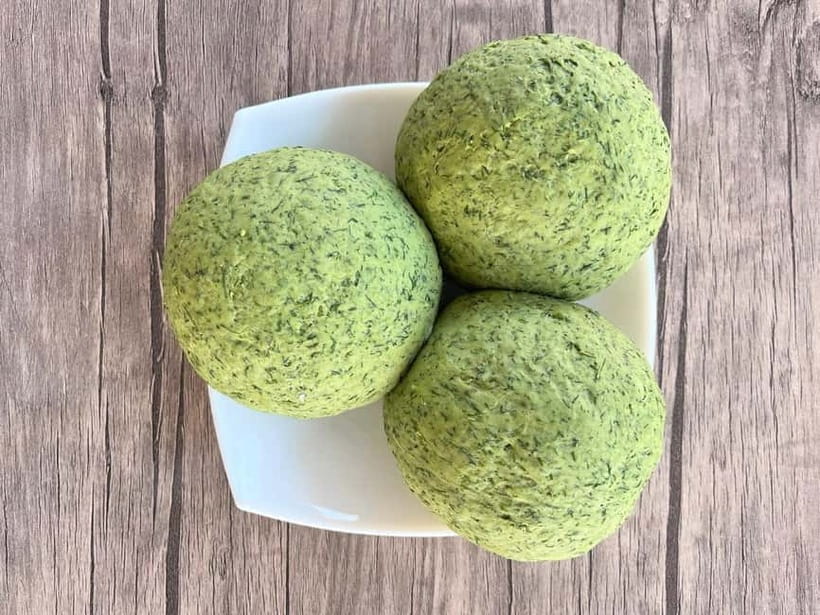
This class centers on Plov or Shivit Oshi. The dish you cook may depend on how the session is arranged, but you can count on learning the method and core decisions that make Uzbek home cooking taste right.
Plov: the comfort dish that rewards attention
Plov is famous for a reason: it’s flavorful, filling, and built around balance. In reviews connected to this experience, Plov repeatedly comes up as the best people had in Uzbekistan during their trip.
What you’re learning is more than ingredients. You’re learning how the cooking process shapes texture and taste—what to do first, what to watch while it cooks, and how the final plate should come together.
If you’ve ever tried plov at home and felt like it was either bland or heavy, you’ll appreciate the practical lessons you get here. Even if you forget every detail, the general approach sticks.
Shivit Oshi: another way to experience Uzbek flavors
Shivit Oshi is less common in tourist food planning, which is exactly why this class can feel special. Instead of defaulting to the same dishes everyone eats in Uzbekistan, you get a chance to cook something that’s part of Khiva’s everyday flavor life.
The class approach is similar: hands-on steps, explanation in English, and a home-kitchen context that helps the dish make sense. If your goal is variety—true regional cooking rather than repeat restaurant meals—this option can be a smart pick.
The lunch table: tea, fruit dessert, and how hosts finish the meal
A cooking class is only half the experience. The other half is what happens after the food is ready.
You’ll sit down to enjoy your homemade lunch in the home setting, with traditional Uzbek tea served with the meal. In reviews, people also mention seasonal melons and watermelons as a sweet finish. That’s a small detail, but it fits the bigger story: this isn’t just about cooking. It’s about how families eat together.
You may also notice the garden side of Khiva hospitality. One review mentions fruits growing from a garden area you could taste. If your day needs a mental reset, that kind of detail makes the meal feel human and lived-in.
The practical upside: you learn how the meal is served and paced. That helps when you recreate it later, because Uzbek dishes often depend on the order you eat and the way tea fits into the overall rhythm.
English instruction that stays practical (not just talk)
The instruction is in English, and that matters. This is the kind of class where you want to understand why you’re doing each step, not only what the final dish should look like.
Sarvar Bobojonov’s explanations are described as detailed, and conversations go beyond the kitchen. People mention talking about food, history, and local culture during the market and cooking stages. That turns the class into more of a cultural lesson than a purely culinary one.
Still, this isn’t a lecture. The best part is that your questions connect to real cooking actions in real time. If you learn best by doing, you’ll click with this format.
Price and value: $150 per group up to 3
At $150 per group up to 3, this is priced for a small private experience. For solo travelers, it may feel steep compared to larger group food tours. For couples or a small group, it’s easier to justify.
Here’s the value logic I use:
- You’re paying for a private home experience, not a shared restaurant class.
- You get a market visit with ingredient selection guidance.
- You receive recipes to take home, which can turn this into repeatable value.
Also, the hands-on part and family involvement tend to deliver better “memory per hour” than many generic cooking demos. If your goal is to learn how to cook in an Uzbek way, not just to eat a nice lunch, this price is more reasonable than it first appears.
If you’re deciding between a group cooking class and a private home visit, ask yourself what you want most: companionship and conversation, or a cheaper ticket with less personal attention. This one is built for the personal side.
What you should know before you go (rules and expectations)
This experience has clear restrictions. You can’t wear shorts or sleeveless shirts, and you should avoid backpacks. Smoking and any alcohol or drugs are not allowed. Audio recording also isn’t allowed. Baby strollers and baby carriages aren’t allowed either.
So plan your outfit accordingly. Think modest, comfortable, and easy to move in. Cooking can get hands-on, so choose clothes that won’t fuss about minor mess.
Another expectation: the session is small and structured. You’re not likely to linger in the market for shopping shopping. The market visit is part of learning and ingredient gathering for the meal.
Finally, bring curiosity. The most satisfying moments are often the conversational ones—why ingredients matter, how families cook, and what makes Khiva taste like itself.
Who this Khiva cooking class suits best
This is a great fit if you want:
- Authentic local life through a real home visit
- A focused cooking lesson tied to a real meal
- A private setting with English guidance
- A dish you’ll actually want to cook again after you leave
It’s also a strong choice if you care about ingredients. The market stop is where you start understanding what you’re buying, not just what you’re eating.
If you’re traveling with kids or you need accessibility accommodations, you’ll want to check the practical rules early. The restrictions around strollers and clothing may affect how the day works.
Should you book this Khiva market and cooking class?
I’d book it if you want the “Khiva tastes like this” experience—market shopping, home cooking, and a meal with a family vibe. The repeated praise for the Plov, the warmth of Sarvar’s family, and the usefulness of the recipes all point to solid value for the format.
I’d hesitate only if you’re expecting a casual, wandering food tour with lots of free time. This is active, structured, and focused on cooking. Plan for hands-on work and modest attire, and you’ll get more out of it.
If you like your travel memories practical—something you can recreate—this class fits that goal well. And for a small group, the price becomes easier to swallow because you’re getting a private home experience plus shopping guidance plus recipes in one package.
FAQ
How long is the cooking class experience?
The total duration is about 2.5 hours, with approximately 2 hours spent on the cooking class.
What dish will I cook?
The class includes hands-on cooking featuring Plov and Shivit Oshi. The exact dish you cook in your session is presented as Plov or Shivit Oshi.
Is the class private or shared?
It’s a private group experience.
What’s included in the price?
Included are hotel pickup and drop-off, a guided market visit, all fresh ingredients, the hands-on cooking class, traditional Uzbek tea, recipes to take home, and seasonal fruits for dessert.
Do you offer English instruction?
Yes, the instructor is listed as English.
Where are pickup and drop-off locations?
Pickup options include Polvon darvoza, Stone Gate (Itchan Kala South Gate), Khiva, Bakcha Darvoza, and Itchan Kala west gate. Drop-off options include Itchan Kala west gate, Bakcha Darvoza, Khiva, Polvon darvoza, and Stone Gate (Itchan Kala South Gate).
Are there any restrictions on clothing or items?
Yes. Shorts and sleeveless shirts are not allowed. You also can’t bring backpacks, and smoking, alcohol, and audio recording aren’t allowed. Baby strollers and baby carriages are also not allowed.