REVIEW · HOI AN
Hoi An Cooking Class with Local Chef
Book on Viator →Operated by Happy Tour · Bookable on Viator
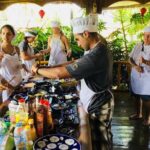
Vietnamese cooking classes in Hoi An are one thing. Getting to cook and eat what you make is the real plan. In this 3-hour session in the Cam Thanh area, a friendly local chef guides you through Hoi An favorites like bánh xèo and papaya salad, then you sit down for lunch or dinner.
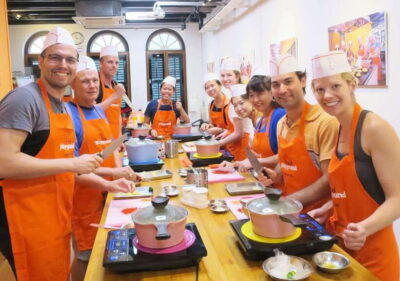
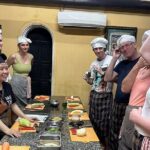
I really like how the chef handles the heavy prep, so you spend your energy cooking, not hunting ingredients. I also like the small-group feel, with a max of 10 people, which makes it easier to ask questions and get hands-on help.
One thing to consider: the class setup can feel more like a guided meal prep session than a fully “picture-perfect” street-food production, depending on the day and kitchen flow. If you’re expecting constant table-side theatre, keep your expectations flexible.
In This Review
- Key highlights
- Why 3 hours in Cam Thanh actually works
- Meet the chef style: hands-on, but not chaotic
- What you’ll cook: Hoi An menu staples (and how the session flows)
- Day or night menu changes
- Vegetarian options (real swaps, not an afterthought)
- Stop-by-stop feel: your time in the Cam Thanh area
- Bánh xèo: the rice pancake you’ll actually want to remake
- Papaya salad: freshness, crunch, and the right kind of sour
- Fried spring rolls: technique over mystery
- Clay pot main or lemongrass chicken: the warm finish
- The part you’ll be happiest about: eating lunch or dinner
- Price and value: what $22 buys you (and what it doesn’t)
- Logistics that matter: timing, weather, and keeping it smooth
- Who should book this cooking class
- Should you book it? My straight answer
- FAQ
- How long is the cooking class?
- What dishes will I learn to make?
- Is lunch or dinner included?
- Are vegetarian options available?
- Do they include pick-up and drop-off?
- How many people are in the group?
- Where do I meet for the class?
Key highlights
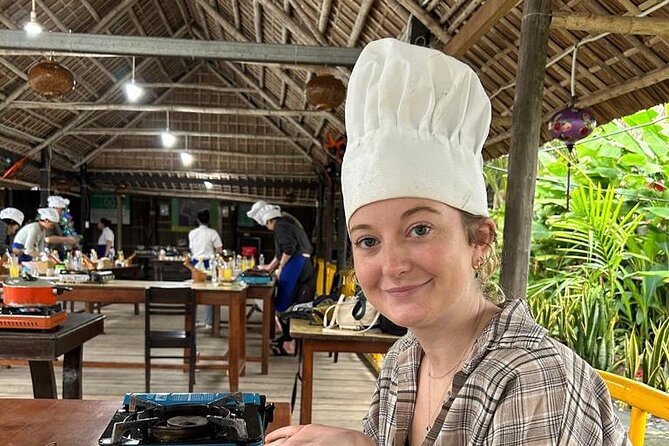
- Small group (max 10) means more time with the chef and less waiting
- Bánh xèo + papaya salad + fried spring rolls cover the Hoi An classics people talk about
- Chef-prepped ingredients keeps the pace moving in just two hours of cooking
- Recipe book included so you can remake your favorites at home
- Vegetarian substitutions offered with veggies like tofu, eggplant, and mushrooms
Why 3 hours in Cam Thanh actually works
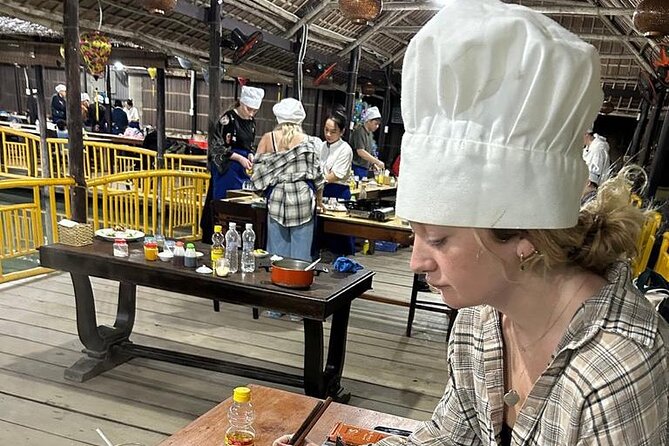
You don’t need a full day to learn Vietnamese cooking in Hoi An. This class is built around a fast pace: about two hours of cooking, then you eat what you made for lunch or dinner. At $22 per person, it’s one of the more practical ways to get a real culinary skill instead of just watching from the sidelines.
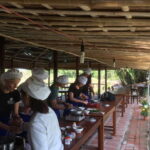
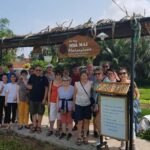
The vibe is casual and local. You’re in the Cam Thanh area, with the meeting point at Villa Hoa Vừng (Bartonia Villa) (V9M9+C6R, Cẩm Thanh, Hội An). You’ll start there and finish back at the same spot, which keeps the whole day simple.
And yes, you’ll get the satisfaction that comes from making food you can actually name and explain. The chef doesn’t just toss instructions at you. You’re taught why ingredients matter, including how to recognize quality and even the Vietnamese names for key components.
You can also read our reviews of more tours and experiences in Hoi An.

Meet the chef style: hands-on, but not chaotic
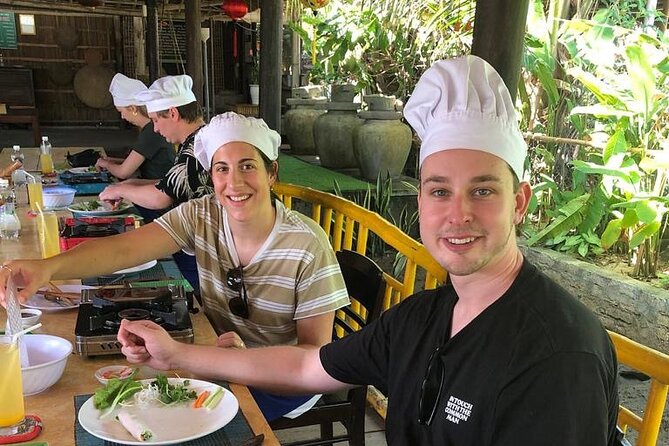
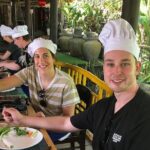
The chef prepares all the ingredients ahead of time. That sounds like cheating, but it makes the class actually enjoyable. You can focus on technique—mixing, assembling, frying, seasoning—without spending half the session chopping or sorting.
Expect an instructor who’s friendly and enthusiastic, and who talks through both cooking steps and cuisine culture. In other words, you’re learning more than a recipe card. You’re picking up the logic behind Vietnamese flavor: balance, texture, and freshness.
If you’re lucky enough to get an instructor named Ms Nhung, you’ll probably notice the energy and clear step-by-step teaching style mentioned by past participants. Even without that specific name, the teaching approach is still the same: practical steps, lots of encouragement, and real guidance when your hands are doing something new.
What you’ll cook: Hoi An menu staples (and how the session flows)
The class revolves around a set menu of Hoi An favorites. A sample lineup includes:
- Bánh xèo (rice pancake with fresh salad)
- Papaya salad with shrimp cracker
- Fried spring roll
- Chicken with lemongrass
- Seasonal fresh fruits
Even more helpful: the structure is designed so you’re not waiting forever for one station. In addition to the menu above, the class description also points to dishes like pork or fish in a clay pot with steamed rice. So you may see a clay-pot main depending on the session and what your chef is preparing that day.
Day or night menu changes
If you’re going for the night session (around 18:00), the menu changes and is confirmed one day in advance. That’s good news if you like flexibility. It also means you should check what’s scheduled when you book, so you know what you’ll cook and eat that evening.
Vegetarian options (real swaps, not an afterthought)
If you’re vegetarian, the cooking ingredients are changed to veggies such as mushrooms, tofu, and eggplant. That matters because Vietnamese cooking relies heavily on textures and aroma. A good substitution keeps the dishes satisfying instead of turning them into a sad side course.
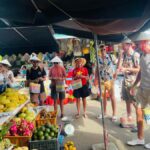
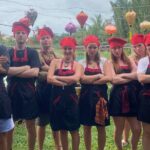
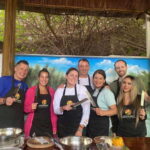
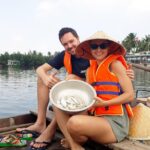
Stop-by-stop feel: your time in the Cam Thanh area
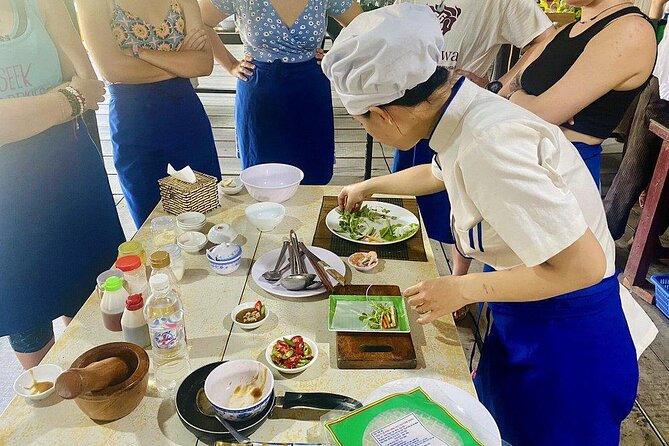
The program lists Cam Thanh as the key stop. In plain terms, you’re not trekking all over town. You’re meeting in the Cam Thanh zone and staying close by so you can focus on the class.
That locality can be a plus. Hoi An is spread out, and travel time can quietly eat your energy. Keeping the start and end at the same meeting point helps you control your day—especially if you’re fitting the class between beach time, lantern browsing, or a cycling loop.
Bánh xèo: the rice pancake you’ll actually want to remake
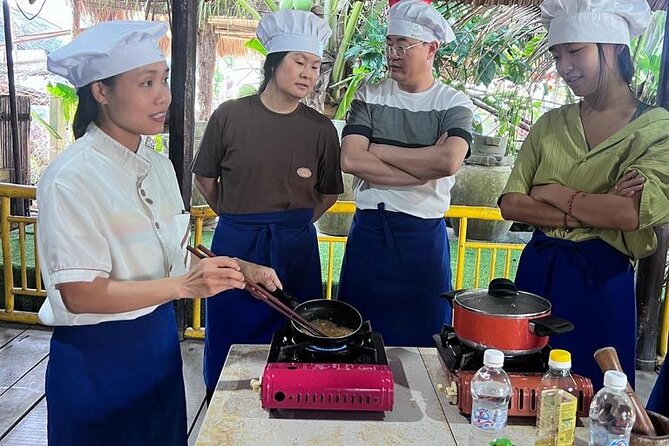
Let’s talk about the one dish you’ll remember: bánh xèo. This is a rice pancake with a fresh herb-and-salad side, and it’s one of the best “learning wins” in Vietnamese cooking.
What makes this practical is that it’s not just assembling. You learn the core technique behind the pancake and how to balance it with the fresh salad components. If you’ve only had bánh xèo in restaurants, this is the moment you understand why the texture matters. A properly cooked pancake is crisp at the edges and light in the middle. That takes attention, not luck.
In a short class, this dish gives you maximum payoff: you end up with something dramatic on the plate, and you learn a skill that can become your at-home Vietnamese dinner routine.
Papaya salad: freshness, crunch, and the right kind of sour
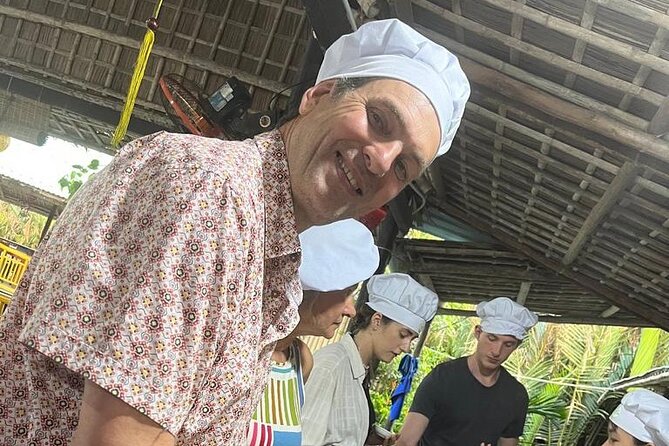
Next up: papaya salad. Expect a recipe that depends on crunch, acidity, and seasoning. This dish also comes with shrimp cracker, which adds that salty crackle you only notice when it’s missing.
Why I like teaching-style classes for this: the chef can steer you away from the most common home-kitchen mistake—making it too bland or too sour. Vietnamese papaya salad is about balance. You’re taught how ingredients behave together so you can adjust when your taste buds say it needs a nudge.
Also, papaya salad translates really well to home cooking. Even if you can’t buy the exact same papaya variety every time, you’ll understand the method and the flavor targets.
Fried spring rolls: technique over mystery
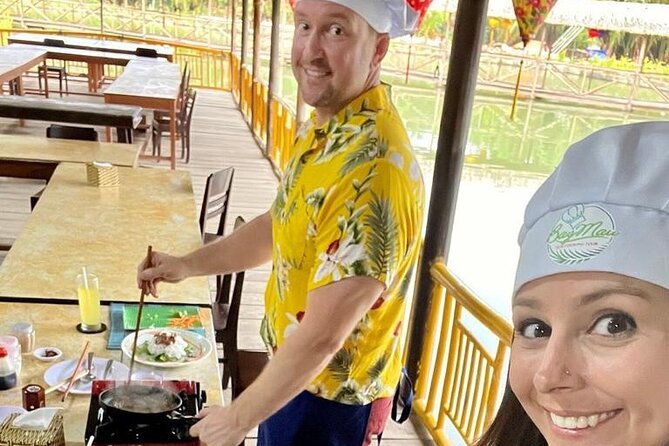
Then comes fried spring rolls. Deep-fried can sound scary, but the class format keeps it manageable. The chef preps the ingredients, and you focus on assembly and frying.
The goal is not just frying until it looks golden. You’re learning how to get crisp texture without burning the outside or leaving the inside undercooked. That’s the kind of technique that makes a difference when you cook later.
If you’re the type who likes savory, crunchy results, this is your dish. It’s also a great “teach-it-to-friends” item. You can impress people quickly because the process feels clear once you’ve done it.
Clay pot main or lemongrass chicken: the warm finish
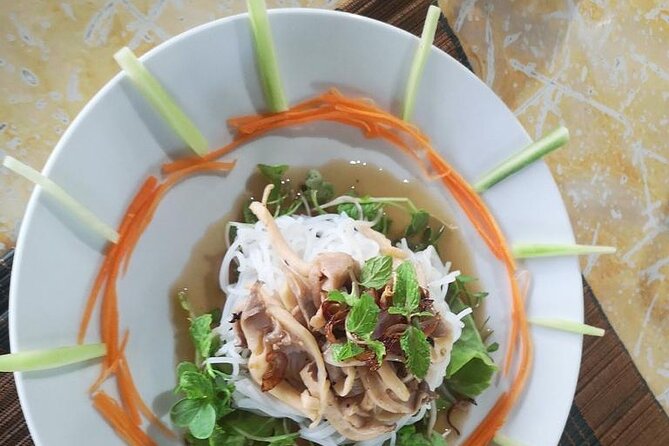
A Vietnamese meal needs something warm and saucy. This class can include pork or fish in a clay pot with steamed rice. Another menu option is chicken with lemongrass.
Here’s the value: you’re seeing how Vietnamese cooks build flavor with aromatics and gentle cooking. Clay-pot cooking (when included) is all about steady heat and flavor staying together. Lemongrass chicken is about fragrance and savory balance. Both help you understand that Vietnamese seasoning isn’t one big sauce dump—it’s controlled layering.
Don’t underestimate the steamed rice component. In many Vietnamese meals, rice is the “reset button” that keeps flavors working instead of overwhelming each other. When you cook the main alongside rice, you understand the full meal equation.
The part you’ll be happiest about: eating lunch or dinner
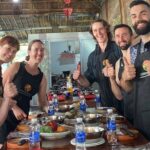
After cooking, you eat your results—local lunch or dinner included. This is where the class earns its keep. A lot of cooking tours stop at the cooking. This one makes the meal part of the experience, so you get closure instead of just photos.
And you’re not stuck eating one sad plate. The menu sample also includes seasonal fresh fruits, so you end the meal with something light and clean after frying.
Pro tip: go in hungry, but not starving. If you come in too full, you’ll miss the moment when the food tastes best—right after it’s made.
Price and value: what $22 buys you (and what it doesn’t)
At $22 per person for about 3 hours, this is strong value for Hoi An. You’re paying for:
- hands-on cooking instruction
- chef-prepped ingredients
- a meal you can actually eat afterward
- a recipe book
- a small group size (max 10)
What’s not included: drinks. So if you want water, soda, or something else, plan on buying it separately. Also, pick-up and drop-off aren’t included, so you’ll need to get yourself to the meeting point at Villa Hoa Vừng (Bartonia Villa).
If you’re comparing costs, don’t only look at the dollar amount. Look at the structure: two hours of guided cooking plus a full lunch/dinner. That combination is what makes this feel like a complete experience rather than a quick snack class.
Logistics that matter: timing, weather, and keeping it smooth
The tour ends back at the meeting point, so you can plan your afternoon or evening without guessing. The only real schedule note is that you should confirm which menu you’ll cook, especially for the 18:00 session where the menu is confirmed one day in advance.
This experience also depends on weather. If it’s canceled due to poor weather, you should expect either a different date or a full refund offered by the operator.
One more practical note: this experience is non-refundable and can’t be changed. That means you’ll want to book with confidence in your plans.
Finally, the setting is described as near public transportation, so you shouldn’t have to solve complicated rides to reach the starting point.
Who should book this cooking class
This is a great pick if you:
- want a hands-on way to learn Hoi An favorites in a short time
- like small groups and direct feedback while cooking
- enjoy learning the “why” behind flavors, not only steps
- want a practical takeaway with a recipe book
It’s also a good fit for couples and families. The class format is paced for beginners because the chef preps the ingredients and guides you through the steps.
If you’re someone who expects a highly choreographed, all-day market-to-pan experience, you might find the pace more structured than you hoped. But if your main goal is to leave with real cooking knowledge—and a full meal—you’ll likely feel satisfied.
Should you book it? My straight answer
Book it if you want real Hoi An cooking skills in about 3 hours, with a small group and an included meal that’s part of the learning payoff. The combination of dishes like bánh xèo, papaya salad, and fried spring rolls, plus the included recipe book, makes it one of those experiences that pays you back later when you cook at home.
Skip it only if you need a very specific “vibe” from day one—because the setup can vary and the class is designed around practical instruction and timing more than big showmanship.
If you’re flexible and hungry for technique, this is a solid choice in Hoi An.
FAQ
How long is the cooking class?
It runs for about 3 hours total, with about 2 hours dedicated to cooking.
What dishes will I learn to make?
You can expect dishes such as bánh xèo, papaya salad, and fried spring rolls. The menu sample also includes chicken with lemongrass, and the class description mentions clay pot pork or fish with steamed rice.
Is lunch or dinner included?
Yes. The tour includes a local lunch or dinner after the cooking.
Are vegetarian options available?
Yes. If you’re vegetarian, ingredients are changed to vegetables like mushrooms, tofu, and eggplant.
Do they include pick-up and drop-off?
No. Pick-up and drop-off are not included, so you’ll need to make your own way to the meeting point.
How many people are in the group?
The group size is capped at a maximum of 10 travelers.
Where do I meet for the class?
You meet at Villa Hoa Vừng (Bartonia Villa), located at V9M9+C6R, Cẩm Thanh, Hội An, Quảng Nam, Vietnam.