REVIEW · MUMBAI
Private Mumbai Home Cooking Lesson and Grant Road Market Tour
Book on Viator →Bookable on Viator
A market-to-kitchen day in Mumbai. This private experience pairs Grand Road Market shopping with a home cooking lesson led by Mahrukh, complete with a Parsi welcome drink and a real lunch at the family table. You get the feel of South Mumbai cuisine from the inside, not from a demo.
I love that the day is hands-on: you help choose ingredients, then learn how to cook Parsi favorites like akuri and chicken pulao. I also like the value angle because ingredients, lunch, non-alcoholic drinks, and take-home recipes are part of the price.
One thing to consider: this is a home kitchen experience with no vegetarian alternatives, and you’ll climb one flight of stairs since the elevator only goes to the 5th floor.
In This Review
- Key highlights you can plan around
- Meeting Mahrukh in South Mumbai and the First Parsi Sip
- Grand Road Market: How You Pick Ingredients for Parsi Food
- Inside the Apartment Kitchen: The Practical Cooking Lesson
- Your Parsi Lunch Spread: Akuri, Chicken Pulao, Jardalu na Gosht
- What the Price Includes (and the One Thing It Does Not)
- Logistics and Practical Tips for a Smooth 4 Hours
- Who This Private Experience Is Best For
- Should You Book This Mumbai Home Cooking and Market Tour?
- FAQ
- How long is the tour?
- Is this tour private?
- Where does the tour start and end?
- What will I cook during the class?
- Is the meal vegetarian?
- Are drinks included?
- Is hotel pickup included?
- What’s the apartment access like?
- Is free cancellation available?
Key highlights you can plan around
- Grand Road Market shopping with Mahrukh so you know what to look for and why
- A small private group (up to eight people) for a calmer, more personal pace
- Hands-on Parsi cooking including akuri, chicken pulao, and daal
- A full in-home lunch spread that can include jardalu na gosht and akuri-style eggs
- Take-home recipes so you can reproduce the flavors later
- You’ll drink Parsi raspberry soda at the start and eat a meat-based meal
Meeting Mahrukh in South Mumbai and the First Parsi Sip
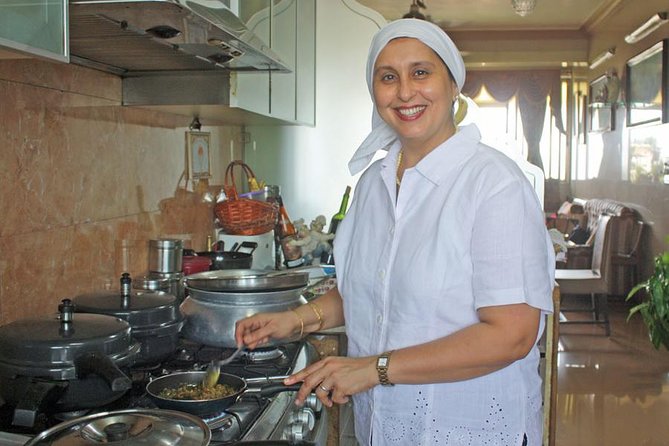
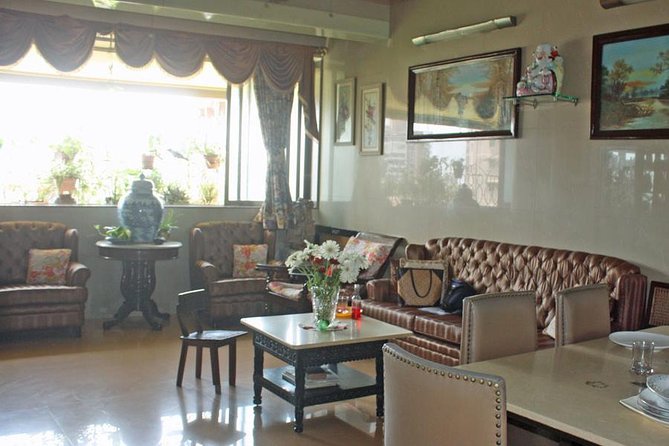
The experience starts in South Mumbai at Mahrukh’s apartment, and that matters more than it sounds. You’re not rushing from a vehicle to a classroom. You ease into Mumbai life in a small home space where people actually cook and eat.
When I read about this start, the detail that hooked me is the welcome drink: Parsi raspberry soda. It sets the tone right away. It’s a quick introduction to the flavors and the social rhythm of Parsi dining, and it also gives you a moment to settle before you start shopping.
Mahrukh also talks about her family and culinary heritage while you’re at her place. You should expect a real conversation about how food travels across communities—especially British and Gujarati influences in Parsi cooking. That context helps once you get to the kitchen, because you’ll understand why certain spices and techniques show up in familiar-but-not-identical ways compared to other Indian cuisines.
You’ll also get your first sense of the practical setup. Mahrukh’s apartment is on the 6th floor, and the elevator only goes to the 5th floor. Plan on one flight of stairs. If you’re someone who hates stairs after a long travel day, this is the kind of thing to factor in early.
You can also read our reviews of more tours and experiences in Mumbai.
Grand Road Market: How You Pick Ingredients for Parsi Food
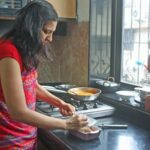
After the welcome, you head out to nearby Grand Road Market to shop for your meal. This part is the bridge between theory and food reality. Market shopping in Mumbai is fast, crowded, and sensory, and that’s exactly why it’s useful: you’ll learn how cooks choose ingredients day-to-day.
Grand Road Market is a mass of stalls selling fruits, vegetables, meat, fish, and other specialties. In practice, that means you’ll see the range of ingredients that Parsi kitchens rely on—everything from aromatics to proteins, plus the produce and pantry items that turn a dish into something that tastes like itself.
One of the best parts here is that Mahrukh picks out ingredients with you and explains what matters. You’re not just staring at piles of goods. You’re learning patterns:
- what to look for when selecting ingredients for specific dishes
- how freshness and texture affect the final outcome
- how local cooking traditions connect to older influences
This is also where the cultural angle earns its keep. The British and Gujarati influence story becomes more than trivia once you start matching spices, cooking styles, and meal structure to what you see in the market.
Do note: the overall experience is meat-based. There are no vegetarian alternatives offered, so the market shopping is oriented around that reality. If you eat meat, you’ll probably enjoy the variety. If you don’t, this is the wrong format.
Inside the Apartment Kitchen: The Practical Cooking Lesson
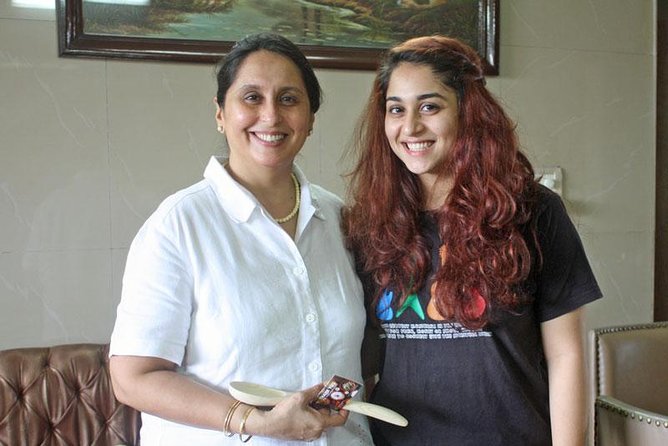
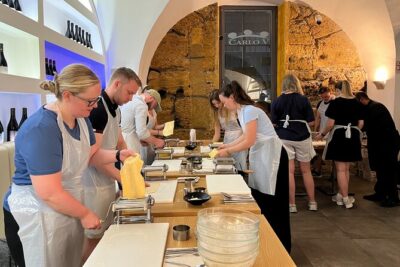
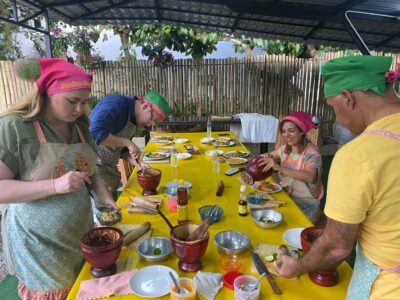
Back at the apartment, the cooking class starts. And here’s the key thing to understand: this is not a professional cooking school. It’s a home kitchen teaching a family-style skill. That usually makes it more relaxed and more personal, but it can also mean the pace and setup feel more like cooking with a friend than following a strict timetable.
You’ll learn to prepare signature dishes such as akuri, chicken pulao, and daal. Even if you’ve cooked Indian food before, Parsi versions can surprise you with the balance of spice, sweetness, and the way eggs and gravies are handled.
A practical way to think about the lesson is this: you’re not just memorizing recipes. You’re learning technique. For example, akuri is a spicy scrambled egg dish—so you’ll likely focus on getting eggs to the right texture while managing heat and spices. Chicken pulao and daal are more forgiving, but still require timing and seasoning control so they don’t turn bland or heavy.
Throughout, expect Mahrukh to guide you with family knowledge. The goal is that you leave able to cook again, not just eat once. That’s why take-home recipes are included. The recipes matter most if you want to recreate the dishes at home without relying on memory.
Group size is limited to a maximum of eight people. In a home kitchen, that’s what keeps the class from feeling chaotic. If you’re used to big group tours, you’ll likely appreciate the smaller scale.
Your Parsi Lunch Spread: Akuri, Chicken Pulao, Jardalu na Gosht
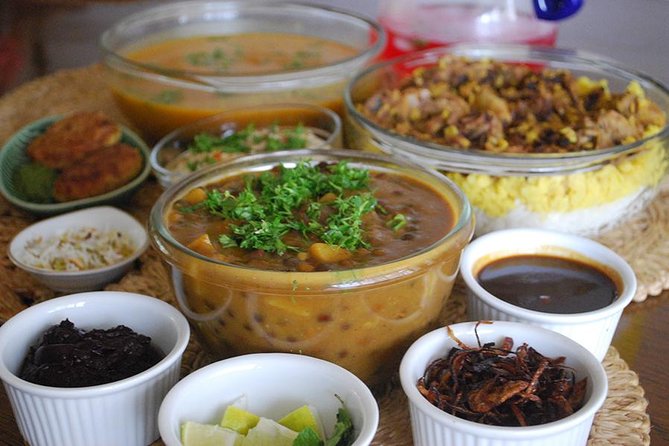
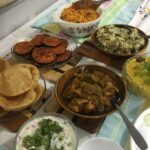
Lunch is the payoff, and it’s served at the apartment after the cooking. The experience notes that the meal may include a mix of classic Parsi dishes. Based on what’s described, you could find items like saria with lagan nu achaar, tam tamata prawns, jardalu na gosht, roast chicken, and lagan nu custard.
Here’s what those dishes suggest about the cooking style:
- Akuri (spicy scrambled eggs): You’ll recognize it as a comfort dish with a kick. It’s also a great example of how Parsi food can be hearty without being overly complicated.
- Chicken pulao / chicken pilau: This is the kind of rice dish that feels like a full meal. The key is getting the chicken cooked through and the rice seasoned so everything works together.
- Daal (lentils): In many Indian meals, daal can either support the main dish or steal the show. In a Parsi meal context, it tends to round out the flavors and balance the heavier gravies.
- Jardalu na gosht (lamb in apricot sauce): This is the standout for many people because apricot sauce brings sweetness and tang into a slow-cooked meat dish. It’s not just sweet for sweetness’ sake; it helps the spices feel smoother and more rounded.
- Laggan nu achaar (rice crisps with date pickle): This sounds small, but it adds a crunchy, sharp contrast that keeps rich food from feeling too heavy.
- Lagan nu custard (nut-topped caramel custard with vermicelli and yogurt): Dessert here follows the same logic as the rest of the meal—creamy, spiced/sweet, and built around familiar Indian ingredients used in a Parsi way.
Drinks are also part of the inclusion. You’ll start with the Parsi raspberry soda. Non-alcoholic drinks are included with the meal. One part of the information also lists local beer as included, while another note says no alcoholic drinks are included. Because that’s inconsistent, the practical move is to confirm what’s offered when you book. Either way, you’re not going to leave without something to drink.
Finally, you’ll get to eat what you cooked. That might sound obvious, but in real terms it’s the difference between learning and living. You’ll taste your choices—spice levels, texture, and seasoning decisions—rather than watching someone else do it.
What the Price Includes (and the One Thing It Does Not)
At $97.16 per person for about 4 hours, this is priced like a private food experience rather than a standard tour. You should judge value based on what’s covered, not just the headline cost.
What’s included:
- the private market visit and cooking class with Mahrukh
- ingredients and the dishes made
- non-alcoholic drinks with lunch
- bottled water
- take-home recipes
- a small-group private format (maximum of eight)
One list also mentions gratuities and local beer. If you want to know exactly what drinks you’ll get, check your booking details, since there’s conflicting info between sections. But the big picture stays the same: the food and recipe value is the main draw, and it’s included.
What’s not included:
- hotel pickup and drop-off
Also, the tour ends back at the meeting point after you leave the apartment. So you’ll want to plan your return to wherever you’re staying. If you’re staying in South Mumbai, this may be easier. If you’re farther out, budget time for commuting.
When this kind of experience works, it’s because you’re paying for access: a local cook’s home, market knowledge, and a meal that’s more than a snack. If you’re the type who likes to learn cooking from real people, $97 for a full lunch experience plus take-home recipes is often a fair deal.




Logistics and Practical Tips for a Smooth 4 Hours
This tour’s biggest practical considerations are about movement, time, and expectations.
First: stairs. The elevator only operates up to the 5th floor, so you’ll walk up one flight to reach the 6th-floor apartment. If you’re traveling with heavy bags or you have mobility limits, plan accordingly.
Second: dietary expectations. The experience is meat-based, and the host does not serve vegetarian food. There’s also no mention of vegetarian substitutions. If you’re cooking curiosity-only but eat vegetarian, you’ll likely be disappointed.
Third: the pace is home-style. The information notes it’s not a professional cooking class. Translation: don’t expect the tight structure of a studio workshop. Instead, expect family-style teaching, conversation, and a practical cook-along.
Fourth: timing. It’s roughly 4 hours. Market shopping can run fast, especially in busy areas, so show up on time at the meeting point. This also helps you get the full cooking and lunch flow.
Fifth: group feel. It’s private for your group, with a maximum of eight people. That small limit matters because market shopping and a home kitchen can both feel crowded otherwise. You’ll get more attention than you would on a big tour bus.
Finally: bring a curious appetite. If you like trying dishes with a mix of spice and sweetness, Parsi cuisine is a great fit.
Who This Private Experience Is Best For
This is ideal if you want Mumbai food the way locals experience it: ingredient-first, then kitchen, then a sit-down meal.
You’ll likely enjoy this most if you:
- love cooking or you want a repeatable skill, not just a meal
- enjoy learning why dishes taste the way they do
- eat meat and are open to classic Parsi flavor combinations (including apricot-based gravies and spiced eggs)
- prefer small group experiences with real conversation
If you’re the kind of traveler who wants a veg-friendly class, skip this one. Also, if you want strict, hands-on technique in a polished classroom setting, this may feel more relaxed than you expect.
Should You Book This Mumbai Home Cooking and Market Tour?
If your travel style includes tasting with context, I think this is an excellent pick. Mahrukh’s combination of market shopping, recipe teaching, and lunch at home is exactly how you learn the flavors behind Mumbai’s Parsi food tradition. The best part is that you don’t just watch; you shop, cook, and eat what you made, then take recipes home.
I’d only hesitate if stairs are an issue for you, if you need vegetarian options, or if you strongly prefer a professional cooking-instructor format. Otherwise, for about 4 hours and a fair per-person price that includes ingredients and lunch, it’s a smart way to spend time in South Mumbai.
FAQ
How long is the tour?
The experience runs for about 4 hours.
Is this tour private?
Yes. It’s private for your group, with a maximum of eight people.
Where does the tour start and end?
It starts at the meeting point in Mumbai and ends back at the meeting point, after you leave the apartment.
What will I cook during the class?
You’ll learn to make dishes such as akuri, chicken pulao, and daal.
Is the meal vegetarian?
No. The host does not serve vegetarian food, and the food during this experience is meat-based.
Are drinks included?
Non-alcoholic drinks are included. Local beer is listed in the inclusions, but there is also a note that no alcoholic drinks are included, so you should confirm what will be served when you book.
Is hotel pickup included?
No. Hotel pickup and drop-off are not included.
What’s the apartment access like?
The apartment is on the 6th floor, and the elevator goes only to the 5th floor, so you’ll need to climb one flight of stairs.
Is free cancellation available?
Yes, free cancellation is available, and you can cancel up to 24 hours in advance for a full refund.