REVIEW · VERONA
Verona: Pasta & Tiramisu Cooking Class at a Local’s Home
Book on GetYourGuide →Operated by Cesarine · Bookable on GetYourGuide
A home kitchen in Verona is a lot more fun than another checklist stop. This small-group cooking class (max 12) teaches you how to roll sfoglia by hand and make two classic pastas from scratch, then you top it off with the iconic tiramisu. You also start with an Italian aperitivo—prosecco plus nibbles—so the whole experience feels like a real evening out, not a rushed demo.
Two things I really like: you get hands-on time with the dough, and you’ll actually sit down to eat what you make, with beverages included. One possible drawback to keep in mind: it’s held in a private home, so it’s not suitable for wheelchair users, and you only get the full address after booking.
In This Review
- Key things you’ll love in Verona’s pasta and tiramisu class
- Verona’s local-home cooking vibe (and why it matters)
- Starting with aperitivo: prosecco and nibbles before the dough
- Rolling sfoglia by hand: the skill that makes everything click
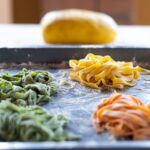
- Making two iconic pasta types from scratch
- Tiramisu lesson: learn it early so it can set
- What the meal feels like: wine, tasting, and a real dinner rhythm
- Group size, instructors, and staying present while you cook
- Duration and pacing: how 3 hours usually feels
- Price and value: is $152.93 per person worth it?
- Who should book this Verona pasta and tiramisu class
- Practical notes before you go (so nothing surprises you)
- Should you book this Verona pasta and tiramisu class?
- FAQ
- How long is the Verona pasta and tiramisu cooking class?
- How many people are in the group?
- What will I learn to cook during the class?
- What’s included with the class price?
- Do I get the full address ahead of time?
- Can I cancel and get a refund?
Key things you’ll love in Verona’s pasta and tiramisu class
- Hands-on sfoglia rolling: learn the technique of fresh pasta dough by hand
- Make two iconic pasta types: you don’t just watch, you produce and taste
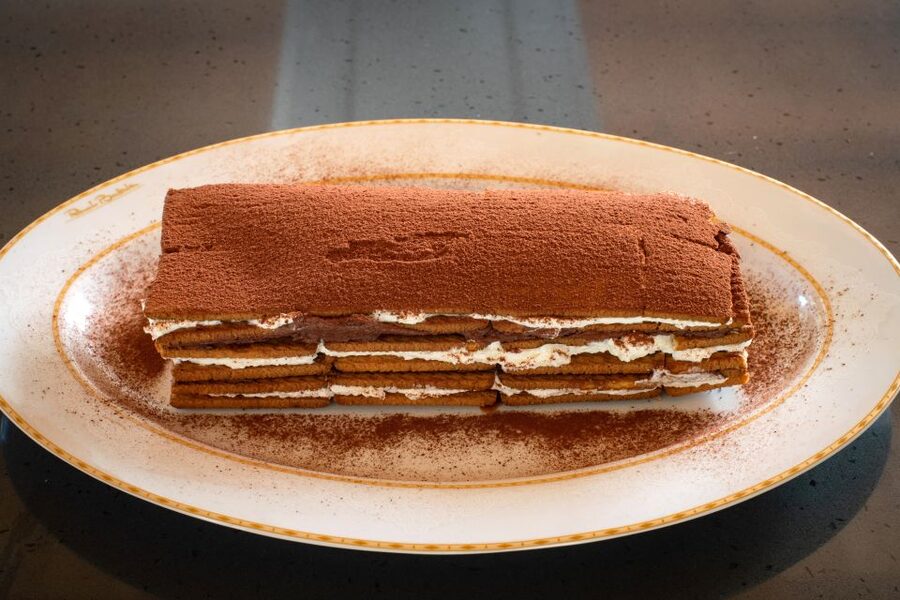
- Tiramisu built into the timing: you’ll learn it and have it as part of the meal
- Small group size (max 12): easier questions, more personal attention
- Italian aperitivo with prosecco: a warm-up before you cook
- Cesarine home-cook network: hospitality in a local’s kitchen rather than a studio
Verona’s local-home cooking vibe (and why it matters)
If you want Verona to feel like more than a pretty postcard, this kind of class does the job. Cooking in a local’s home changes your pace. You’re not bouncing around rooms and crowds—you’re working at a real kitchen rhythm, with the person teaching you part of the experience.
I like that the class is run through Cesarine, Italy’s long-running network of home cooks. In plain terms: the focus tends to be on everyday Italian comfort food skills, explained in a way you can actually repeat at home. That’s exactly what you want from a pasta class—real technique, not just a plate that looks good on Instagram.
One more practical point: you can expect English instruction (the instructor speaks Italian and English). That’s helpful because pasta techniques have small “feel” details—dough texture, thickness, and how to handle it—where misunderstanding even one step can throw you off.
You can also read our reviews of more tours and experiences in Verona.

Starting with aperitivo: prosecco and nibbles before the dough
Before the flour starts flying, you warm up with an Italian aperitivo: prosecco and nibbles. It’s a smart start. You arrive, get settled, and you’re already in “slow down and enjoy” mode before you start learning.
And yes, beverages keep coming. The class includes water, wines, and coffee, plus the aperitivo itself. That matters because fresh pasta and tiramisu are easier to enjoy when the meal isn’t purely about performance. You’re cooking, tasting, and relaxing—like you’d do in a good friend’s kitchen.
In Verona terms, this also keeps the experience grounded in Italian meal culture: you’re not just eating at the end. You’re part of the meal flow.
Rolling sfoglia by hand: the skill that makes everything click
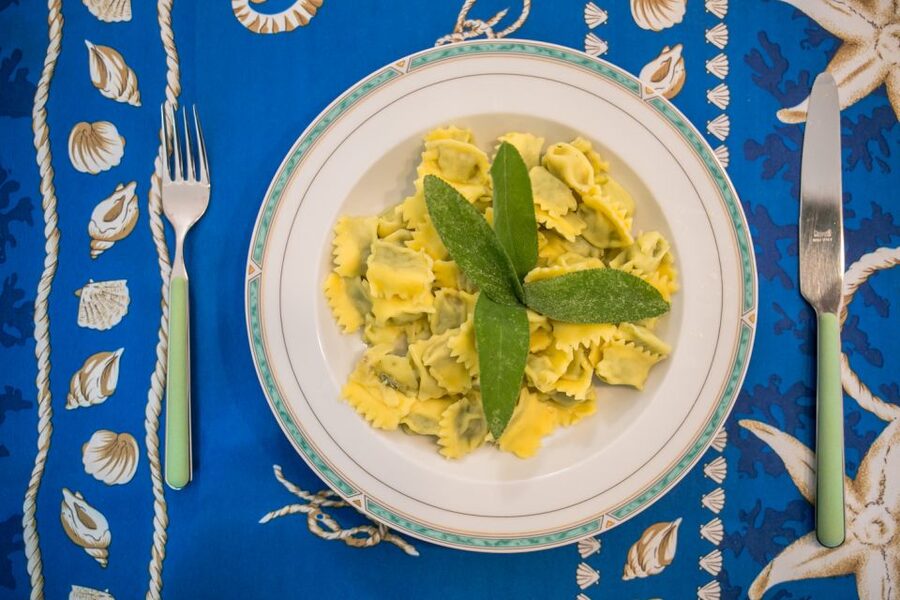
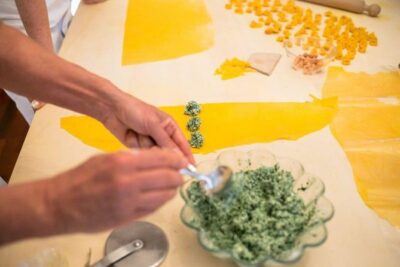
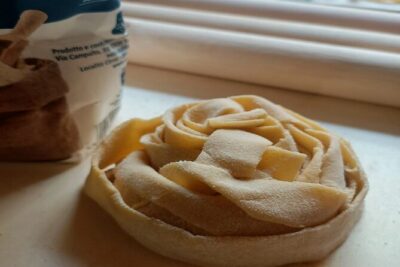
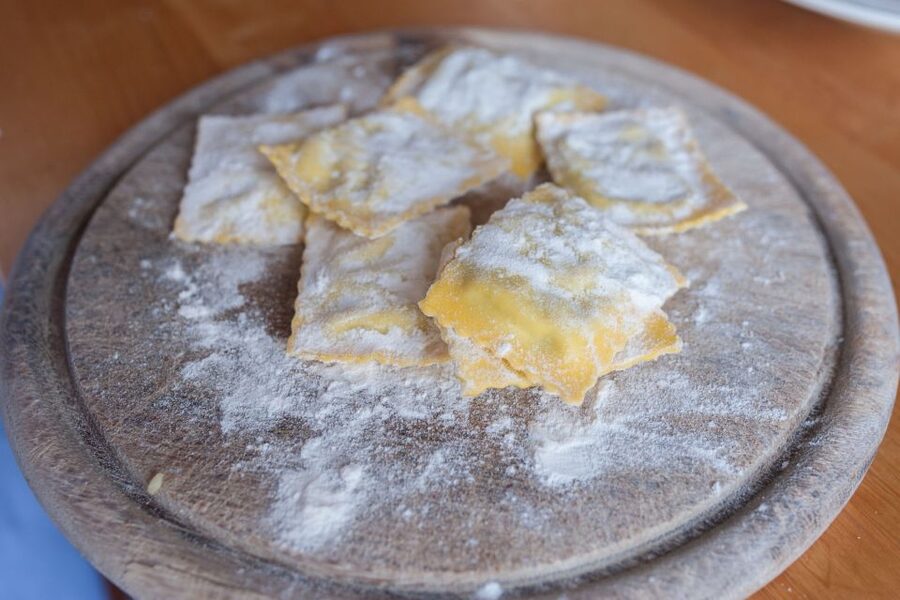
The star lesson is rolling sfoglia (fresh pasta dough) by hand. If you’ve ever tried fresh pasta at home and ended up with thick noodles or ragged sheets, you already know why this is the valuable part. Pasta isn’t only about ingredients. It’s about getting the dough thin and consistent enough that it cooks evenly.
In this class, you learn that technique directly, rather than relying on a machine or a shortcut. That hands-on practice is what turns pasta from a mysterious dish into a repeatable one. You get to feel how the dough moves, how it responds, and how to work the sheet as it stretches.
If you’re the type who likes to understand the “why” behind the steps, sfoglia rolling is where the lesson delivers. If you’re more casual, it’s still the best confidence builder: once you can roll the dough well, the rest of the cooking feels less intimidating.
Making two iconic pasta types from scratch
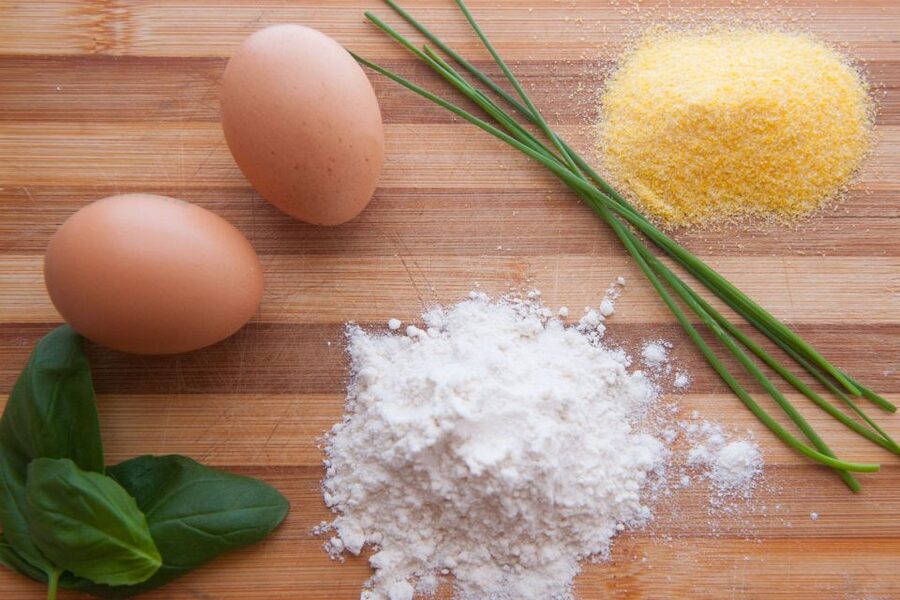
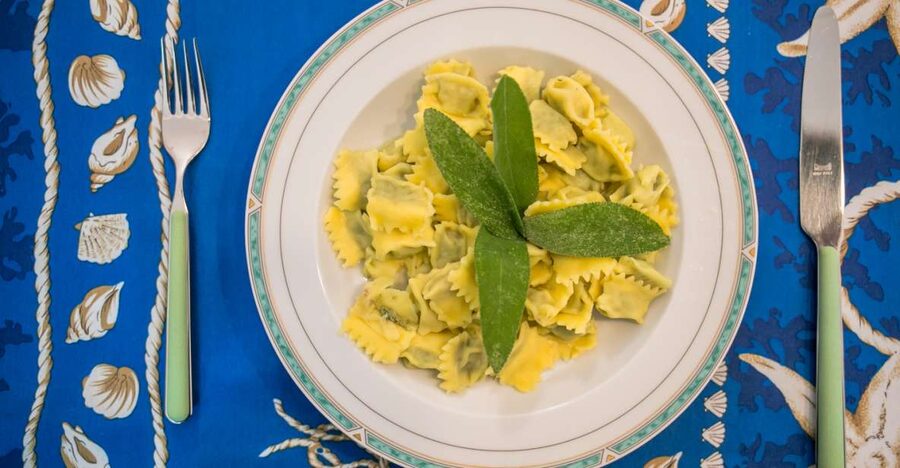
After you’ve got your sfoglia underway, the class shifts into the part most people came for: making two iconic pasta types from scratch.
This is not a class where someone else does all the work and you just plate the food. The whole point is that you leave able to say, I can make pasta again, not just I ate good pasta once.
One of the perks of small group size (max 12) is that you’re more likely to get specific help when your dough or shape isn’t cooperating. And since the instructor speaks both Italian and English, questions don’t have to wait for a lucky translation moment.
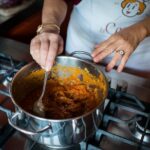
You’ll also have a tasting of the two pasta recipes, plus the meal is served with the beverages included. That turns your cooking practice into an actual learning loop: make it, taste it, adjust your understanding of what “good” feels like.
Tiramisu lesson: learn it early so it can set
Then comes tiramisu—the part many people think is too complicated to learn. Here’s the key detail: you’ll learn how to prepare the iconic tiramisu, and you’ll time it so it has the chance to set as you work through the pasta.
Starting tiramisu at the beginning (so it can firm up while the rest of the meal is happening) is a smart, practical approach. It’s also why this class works as a 3-hour experience instead of a “cook for three hours then eat later” situation.
I like that the tiramisu fits into the class flow instead of feeling bolted on at the end. You’re not rushing the dessert when your hands are tired and your brain is full of dough and timing. You get the lesson, then you get to enjoy the result.
And since coffee is included, it’s a comfortable way to finish—sweet, then a proper Italian-style drink to close things out.
What the meal feels like: wine, tasting, and a real dinner rhythm
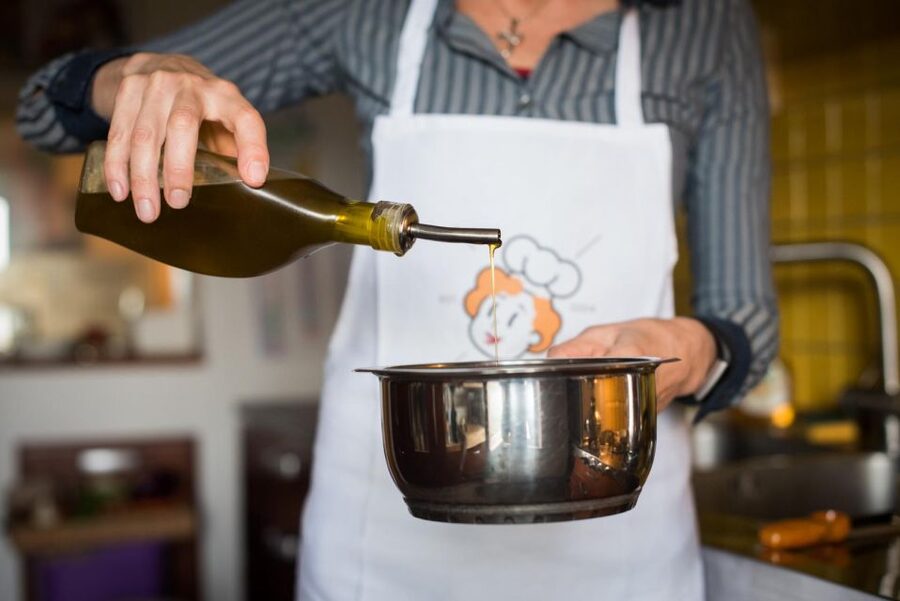
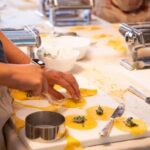
A lot of cooking classes sell themselves with big promises. This one’s value is that you’re not stuck with only “tasting bites.” You make the pastas, you make tiramisu, and you get to taste what you made as part of a meal.
The included beverages matter here: wines, water, coffee, plus the aperitivo prosecco up front. In a small home setting, that transforms the experience into something more social. You’re working with other people, learning together, then sitting down to eat what you produced.
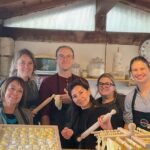
The vibe from the instructors also comes through. Names like Michela and Adele show up in the feedback for being especially welcoming and generous. That’s not a small thing in a home-kitchen class. When the host is relaxed and patient, the cooking lesson becomes easier—especially if you’ve never rolled pasta dough before.
Group size, instructors, and staying present while you cook
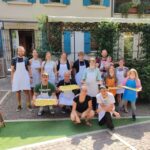
This class runs in a small group (up to 12 people), which is a major reason it doesn’t feel chaotic. Pasta dough needs attention and timing. If you’re in a big crowd, you tend to lose track of the tiny instructions that make the difference.
In a smaller setup, the instructor can correct things sooner—like dough thickness or how you handle the shapes. You also get more room to ask questions without feeling like you’re interrupting.
The teaching format is also very practical. The class highlights are straightforward: learn sfoglia rolling, learn two pasta types, then learn tiramisu. It keeps the experience grounded in real cooking outcomes.
If you’re traveling with family, that’s another reason to consider it. One of the standout points in the feedback is that an instructor made the lesson suitable for kids—so if you’re traveling with children who enjoy hands-on activities, this can work well.
Duration and pacing: how 3 hours usually feels
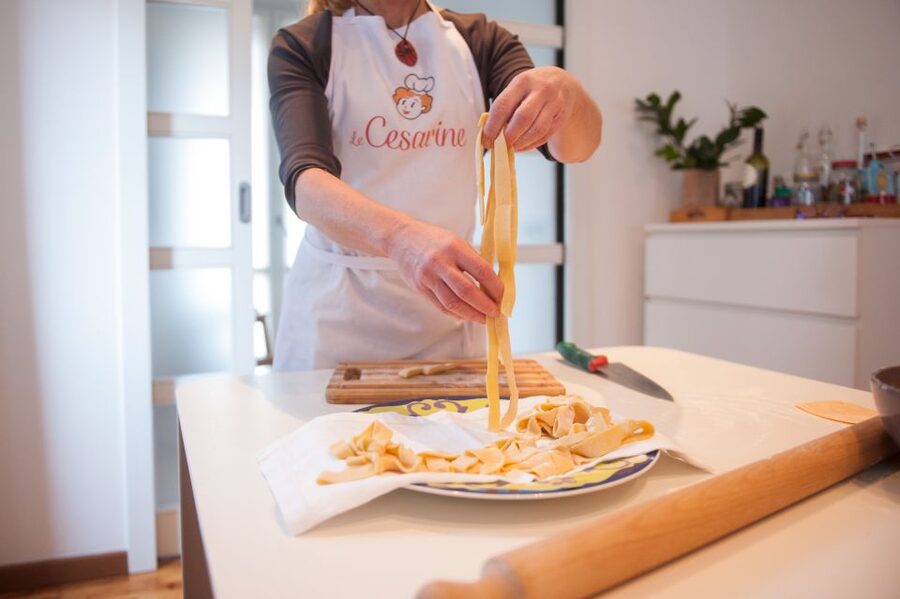
This experience lasts 3 hours. In that time, you should expect an easy arc: warm-up aperitivo, pasta dough learning, making the two pasta types, tiramisu preparation, then eating and tasting.
The schedule matters because fresh food needs time to come together. The tiramisu timing approach—learning it early so it can set—helps the class stay on track and reduces that end-of-session stress where you’re still figuring out the dessert when everyone’s hungry.
You’ll also end back at the meeting point, so you’re not left figuring out transportation after a full meal.
Price and value: is $152.93 per person worth it?
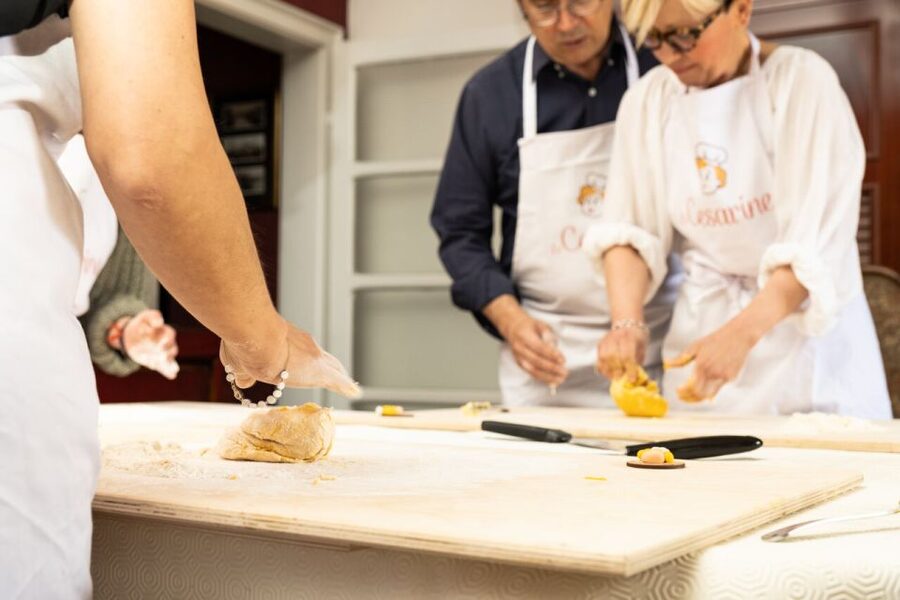
At $152.93 per person, this isn’t the cheapest way to learn pasta in Verona. But it also isn’t priced like a quick tourist workshop.
Here’s what you’re getting for the money:
- A small-group setting (max 12)
- Hands-on sfoglia rolling by hand
- Cooking and tasting two pasta types plus tiramisu
- Italian aperitivo (prosecco and nibbles)
- Included beverages: water, wines, coffee
- Local taxes included
So the value question becomes: would you pay more if the class cost less but left out the wines, coffee, small-group attention, and real meal outcome? For many people, the answer is yes. This is priced like a hosted evening experience, not just a cooking demonstration.
Also, home-based cooking tends to feel more “transferable.” When you learn in a real kitchen environment, with a host who explains steps clearly, you’re more likely to recreate the basics later.
Who should book this Verona pasta and tiramisu class
This is a strong fit if:
- You want a hands-on food experience rather than a sightseeing-only day
- You like learning techniques you can repeat at home (sfoglia rolling is the big one)
- You enjoy small groups and direct instruction
- You’re excited about a proper Italian meal flow: aperitivo, cooking, tasting, then dessert
It may not be the best fit if you need accessibility support, since it’s not suitable for wheelchair users. It also works best for people who are comfortable spending the full 3 hours actively participating.
If you’re traveling with kids, this is one of the better options because at least some instructors are comfortable adapting the lesson so children can participate.
Practical notes before you go (so nothing surprises you)
Because it’s in a local’s home, privacy matters. You won’t see the full address until after you book. Plan for that: don’t assume you can map it in advance the way you would with a hotel or restaurant meeting place.
The meeting point is where you start, and the class ends back there. Since it’s a hosted home experience, the exact feel of the space is part of the charm—but that also means you should come ready for a more personal, kitchen-centered setup rather than a large venue.
Finally, the language setup is listed as Italian and English. So if you only speak English, you should still be able to follow and ask questions.
Should you book this Verona pasta and tiramisu class?
I think you should book it if you want something real to take home from Verona besides photos. The combination of hand-rolled sfoglia, two pasta types you make yourself, and a tiramisu lesson that fits into the meal timing is a great recipe for a memorable day.
Skip it if you’re chasing a low-effort activity or you need accessibility accommodations. And if you’re already confident making fresh pasta at home, you might want to look for a more advanced course—but for most people, this level is exactly right.
If you’re on the fence, this is the kind of class that earns its place in your itinerary because it turns cooking into a story you can repeat long after the trip is over.
FAQ
How long is the Verona pasta and tiramisu cooking class?
The class lasts 3 hours.
How many people are in the group?
It’s a small group with a maximum of 12 people.
What will I learn to cook during the class?
You’ll learn to roll fresh pasta dough (sfoglia) by hand, make two iconic pasta types from scratch, and prepare the iconic tiramisu.
What’s included with the class price?
The price includes water, wines, coffee, an Italian aperitivo (prosecco and nibbles), local taxes, instruction in making the pasta and tiramisu, and tastings of what you make.
Do I get the full address ahead of time?
No. For privacy, you only receive the full address of your host after you have booked.
Can I cancel and get a refund?
Yes. Free cancellation is available up to 24 hours in advance for a full refund.