REVIEW · KANDY
Kandy Budget Cooking Class
Book on Viator →Operated by Kandy Cooking Class by AGS · Bookable on Viator
You cook, then you eat. That simple setup is why this Kandy cooking class feels so real. You’ll get a friendly welcome with tea or coffee, then learn the spices before you start cooking around 10 dishes yourself, with recipes provided at the end. One heads-up: the class does not include an air-conditioned vehicle, so the ride and timing can feel warm in Kandy’s heat.
What I like most is the hands-on style and the calm, family-kitchen setting. The place is described as rustic but functional, with trees and a garden view that makes the whole experience feel peaceful. Another practical thing to consider: it’s a budget class, so you should expect basic logistics rather than luxury comforts like private transport.
In This Review
- Key points before you go
- A Kandy cooking class that feels like a real kitchen
- Price and value: $30 for lunch, dinner, and a real meal-making skill
- Arrival in Kandy: pickup, the meeting point, and how to plan your time
- The welcome: tea or coffee and an instant shift into local rhythm
- Picking ingredients and learning what to cook
- Cooking around 10 Sri Lankan dishes (and actually tasting as you go)
- Lunch and dinner: a full meal, not a few bites
- The spice lesson that sticks: what to remember after you leave
- Allergies and substitutions: how to communicate your needs
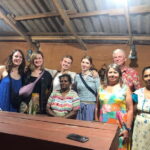
- Group size and the family vibe: easier learning, less pressure
- What’s not included (and how that affects your comfort)
- Who should book this Kandy Budget Cooking Class
- Should you book?
- FAQ
- How long is the Kandy Budget Cooking Class?
- Where does the tour start and end?
- Is pickup available?
- What does the price include?
- How many dishes will I cook?
- Is there a limit on group size?
- What is not included in the price?
- Is there free cancellation?
Key points before you go

- Hands-on Sri Lankan cooking: you actually cook, not just watch.
- Spice-led start: you’ll learn what spices do before you use them.
- Around 10 dishes: enough variety to feel like a real Sri Lanka meal.
- Lunch and dinner included: you’ll eat what you cook.
- Small group (max 10): easier questions, more attention.
- Allergy-aware: the kitchen has experience handling dietary needs.
A Kandy cooking class that feels like a real kitchen
If you’ve ever taken a cooking class that’s mostly narration, this one is different. The rhythm here is straightforward: welcome, spice lesson, ingredient choices, then you get your hands into Sri Lankan cooking for a full block of time.
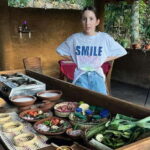
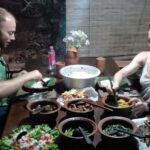
The setting helps a lot. People describe the kitchen yard as peaceful and outdoorsy, with a view among trees and a garden feel. It’s not staged for photos. It’s the kind of place where you can slow down and pay attention to what you’re doing, from chopping to stirring to tasting.
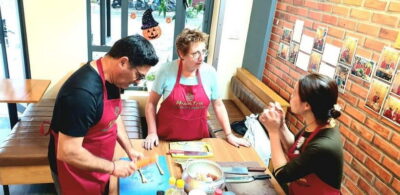
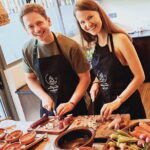
And because the group is capped at 10 travelers, it stays friendly. You can ask practical questions. You can watch your technique without feeling lost in a crowd.
You can also read our reviews of more tours and experiences in Kandy.

Price and value: $30 for lunch, dinner, and a real meal-making skill
At $30 per person, the big value is not just the cooking part. You also get lunch and dinner, plus coffee or tea and bottled water. For many food experiences in Sri Lanka, you either pay for the activity or you pay for the meal. Here, the meal is part of the lesson.
Why that matters for you: you leave with two things. First, you bring home recipes. Second, you bring home a better idea of what Sri Lankan flavors are built from—especially the spice logic behind rice and curry-style dishes. That’s useful even if you never cook the full menu again.
Just don’t expect a private, air-conditioned ride. The class offers pickup, but comfort-level upgrades aren’t part of the package.
Arrival in Kandy: pickup, the meeting point, and how to plan your time
You’ll start at the meeting point listed as Taxi Kandy AGS Tours Sri Lanka, at 47/148 Ogastawaththa, Kandy 20000. Pickup is offered, and several participants mention being picked up in or near Kandy town and then returned to their accommodation, including places outside the center.
Timing is about 3 hours 30 minutes (approx.). That’s long enough to learn the spice basics and still cook multiple dishes without rushing everything.
Practical planning tip: since the tour does not include private transportation and does not mention air-conditioning, dress for warmth. If you’re heat-sensitive, bring a light layer you can peel on arrival, plus a small towel if you’re the type who gets hands-on.
The welcome: tea or coffee and an instant shift into local rhythm
When you arrive, you’re welcomed with tea, coffee, or water. This isn’t just a formality. It sets the tone that you’re stepping into a household routine, not a commercial kitchen with a strict show schedule.
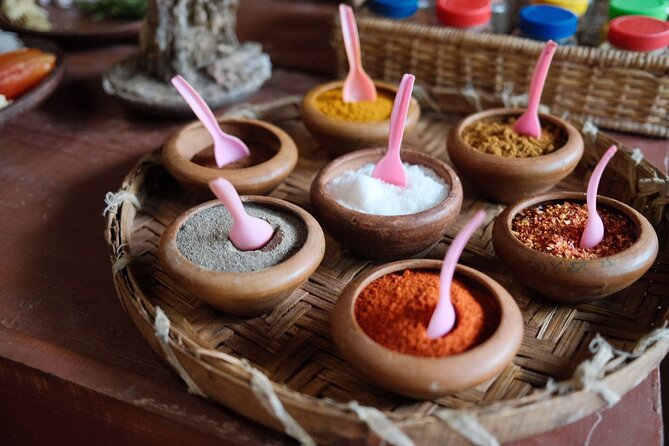
Then the session moves quickly into spices. You get explanations of what the spices are and how they’re used. This is a key part of why the class works for beginners. Instead of memorizing steps, you start to understand the logic: what gets fried, what gets ground, what builds depth, and what supports the curry base.
Picking ingredients and learning what to cook

After the spice talk, you choose what vegetables you want to cook. That matters because Sri Lankan cooking can feel very flexible once you understand the core method. You’re not stuck with a rigid menu. You’re choosing ingredients, and the kitchen guides you through using them with the right flavor foundation.
In the reviews, the class is described as plant-based for many dishes. So if you eat vegetarian (or you want a meal that’s mostly vegetables and lentils), you’ll likely find plenty to enjoy.
If you have dietary needs, take them seriously and tell the organizers. One account specifically notes that the kitchen looked after allergies. That’s a good sign, but it still means you should share details clearly before you start cooking.

Cooking around 10 Sri Lankan dishes (and actually tasting as you go)
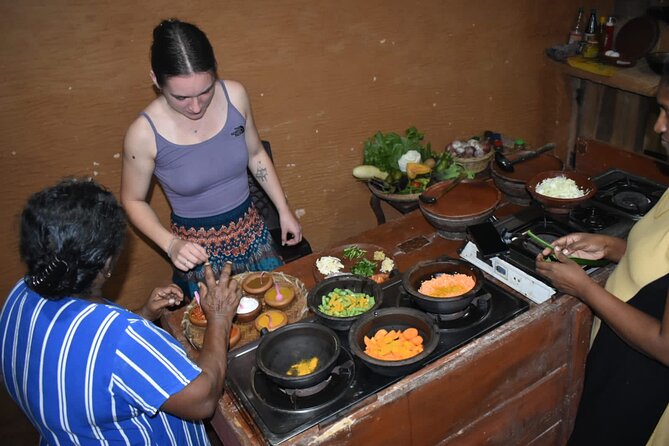
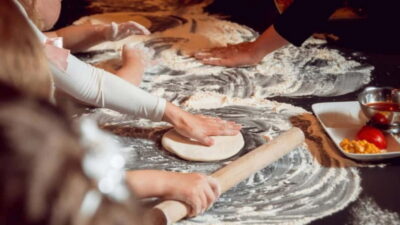
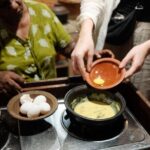
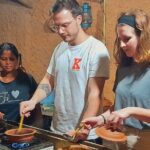
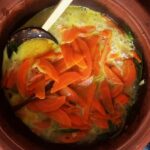
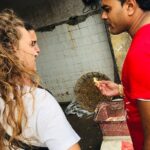
This is the hands-on part where you’ll feel most engaged. You’ll cook yourself while the instructors explain what to do. The class typically covers about 10 dishes, which is a lot for a budget-format workshop.
From the details shared, you may see elements like:
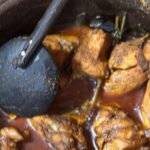
- Sri Lankan-style rice and curry preparation
- Dishes using fresh vegetables you chose
- Coconut-based components, including making coconut milk from scratch
- A dessert included in the meal program
Even if the exact dish lineup shifts, the learning outcome is consistent: you get practice with common Sri Lankan cooking moves. You learn how spice mixes behave in the pan. You learn how curry textures develop. And you learn how different dishes fit together on one plate.
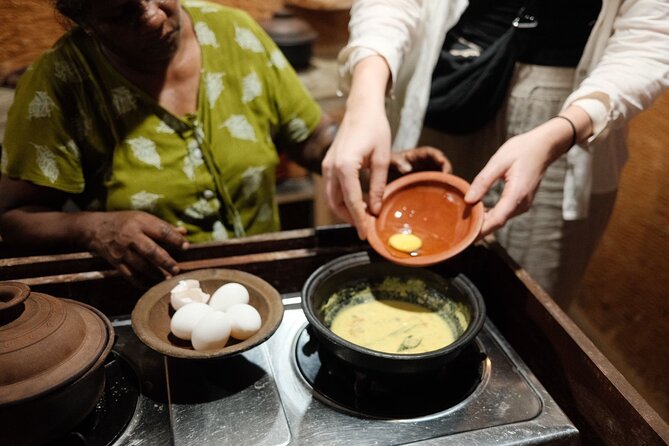
One fun detail: coconut milk is sometimes made from scratch during the session. That’s not just a wow factor. It helps you understand why coconut changes the body and sweetness of curries.
Also, you’ll get recipes at the end. That means your notes won’t be only memories from the smell.
Lunch and dinner: a full meal, not a few bites
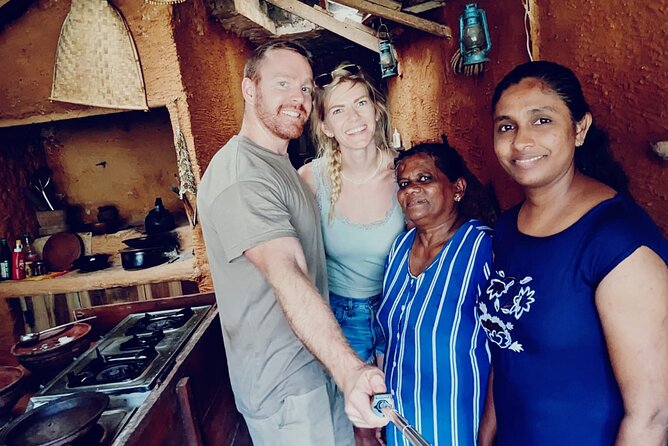
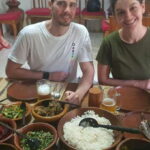
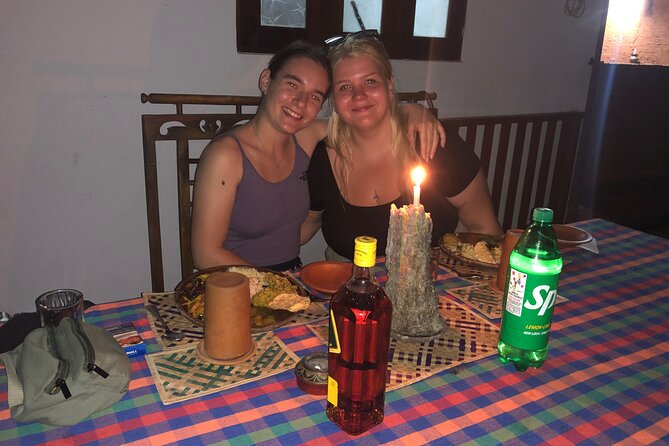
Lunch and dinner are both included. That changes the whole value of the class. You’re not paying $30 for snacks and a single cooked dish. You’re learning a menu, then eating a menu.
Why this is so satisfying: you get to compare what you think you did with how the dish tastes in the bowl. If something seems too spicy, you learn quickly how to correct it next time. If a curry feels flat, you’ll understand what spice step is likely missing.
And because there’s a dessert included, the meal doesn’t stop after savory food. It’s a complete Sri Lankan-style finish.
The spice lesson that sticks: what to remember after you leave
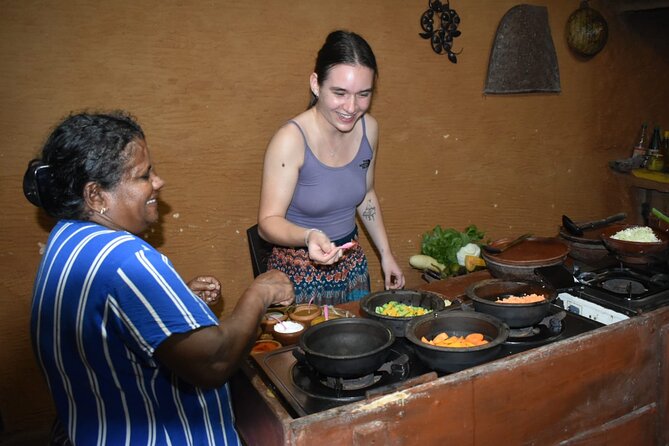
The best classes don’t just teach steps. They teach a mental checklist you can reuse later. This one leans into spice explanations first, then lets you apply them immediately.
Here’s what I’d focus on remembering:
- Which spices get cooked first and why
- How spice mixes smell when they’re freshly toasted vs. after they cook
- How curry thickens and what texture you’re aiming for
- How coconut (when used) affects richness and balance
If you’re cooking later at home, you won’t recreate Sri Lanka perfectly. But if you remember the logic, you can get close.
That’s why the recipes matter too. They let you rebuild the dishes from your notes, not just from a vague memory of a great meal.
Allergies and substitutions: how to communicate your needs
You should always treat allergy handling like a real-life safety topic. The class has experience looking after allergies, which is encouraging.
To get the best result, do this before you arrive:
- Tell the organizers about your allergies or restrictions clearly
- Mention anything you avoid (for example, dairy, specific ingredients, or very spicy food if that’s an issue)
The class includes options like choosing vegetables, which can make substitution easier. Still, the spice base and coconut elements are core parts of many Sri Lankan dishes, so your communication matters.
Group size and the family vibe: easier learning, less pressure
With a maximum of 10 travelers, you can keep a steady pace. You don’t have to wait in long lines for tools or for someone to notice you’re stuck with chopping or stirring.
The reviews also describe the experience as warm and heartwarming, with a family-feeling atmosphere. That tends to mean you’ll get patience instead of speed. And in a cooking class, patience is a real ingredient.
If you like learning in a relaxed setting—where mistakes are part of the process—this style suits you.
What’s not included (and how that affects your comfort)
A few things are explicitly not included:
- Air-conditioned vehicle
- Alcoholic beverages
- Private transportation
So plan your comfort around that. Expect Sri Lankan heat to be part of the experience, at least on the ride to and from the kitchen. If you get cranky when you’re hot, bring a light hat or a small fan from your hotel.
Alcohol isn’t part of the program, but coffee and/or tea are included. Bottled water is included too, which is handy given how much you’ll likely be tasting and cooking.
Who should book this Kandy Budget Cooking Class
This class is a strong fit if you want:
- A hands-on Sri Lankan food experience
- A recipe-backed souvenir you can use later
- A calm setting with trees and a garden view
- A small group experience where you can ask questions
You’ll also enjoy it if you’re comfortable with plant-forward meals, since many dishes may be vegetarian or mostly vegetable-based.
It might be less ideal if you want a fully luxury setup, private car comfort, or a highly structured, tasting-only format.
Should you book?
Yes, you should book it if you’re looking for a real Kandy cooking experience that includes food, not just instruction. For $30, the combination of spice learning, cooking yourself, lunch and dinner, plus recipes makes the value straightforward.
Book this class especially if you want to leave with more than a photo. You’ll go home knowing how Sri Lankan flavors are built—and you’ll have a menu you can recreate.
If you hate heat or need guaranteed private transport, factor that in before you commit. Otherwise, it’s an easy recommendation for anyone who loves learning by doing.
FAQ
How long is the Kandy Budget Cooking Class?
It runs for about 3 hours 30 minutes.
Where does the tour start and end?
It starts at the meeting point listed as Taxi Kandy AGS Tours Sri Lanka (47/148, Ogastawaththa, Kandy 20000) and ends back at the meeting point.
Is pickup available?
Pickup is offered.
What does the price include?
Lunch, dinner, coffee and/or tea, and bottled water are included.
How many dishes will I cook?
You can learn to cook around 10 dishes.
Is there a limit on group size?
Yes. The maximum group size is 10 travelers.
What is not included in the price?
Air-conditioned vehicle, alcoholic beverages, and private transportation are not included.
Is there free cancellation?
Yes. You can cancel up to 24 hours in advance for a full refund.