REVIEW · VIENTIANE
Vientiane Private Lao Cooking Class with Market Tour
Book on GetYourGuide →Operated by Best Lao Travel Sole Co., Ltd · Bookable on GetYourGuide
Cooking Lao food in Vientiane is one of the best ways to understand the country. You get a market tour for real ingredients, then a chef-guided class at Madam Phasouk’s house where you learn how Lao flavors are built. I particularly like the hands-on focus plus the cultural explanations around Lao herbs and plants, not just recipes.
The biggest thing to keep in mind is that the day’s flow can be uneven. One guide-style issue showed up in feedback about the market portion, and you’ll want to pay attention to basics like steaming sticky rice so it’s served hot and soft, not lukewarm.
In This Review
- The Madam Phasouk experience: what this day is really about
- Why the market stop is more than just shopping
- Pickup, van time, and where the day begins in Vientiane
- The local market tour: find the ingredients you’ll actually taste
- How to get the most from the market (without interrupting the whole flow)
- What to watch for in the shopping part
- Madam Phasouk Cooking House: herbs, old equipment, and Red tribe culture
- Lao herbs and plants: how flavor is constructed
- Traditional equipment of ancestors
- Son Phao Thai Daeng (Red tribe) cultural insight
- Cooking session flow: how the class teaches you step by step
- A practical tip: the sticky rice test
- Tasting your food and pairing with Lao beverages
- Eat with a “compare” mindset
- Price and value for a 6-hour small group at $70
- Who this class suits best (and who should skip it)
- What to bring so the day feels easy
- Should you book this Lao cooking class in Vientiane?
- FAQ
- How long is the Vientiane private Lao cooking class with market tour?
- Is the tour private or small group?
- What language is the guide?
- What’s included in the price?
- Where are the pickup and drop-off points?
- What should I bring?
- Is it suitable for kids or people with allergies?
The Madam Phasouk experience: what this day is really about
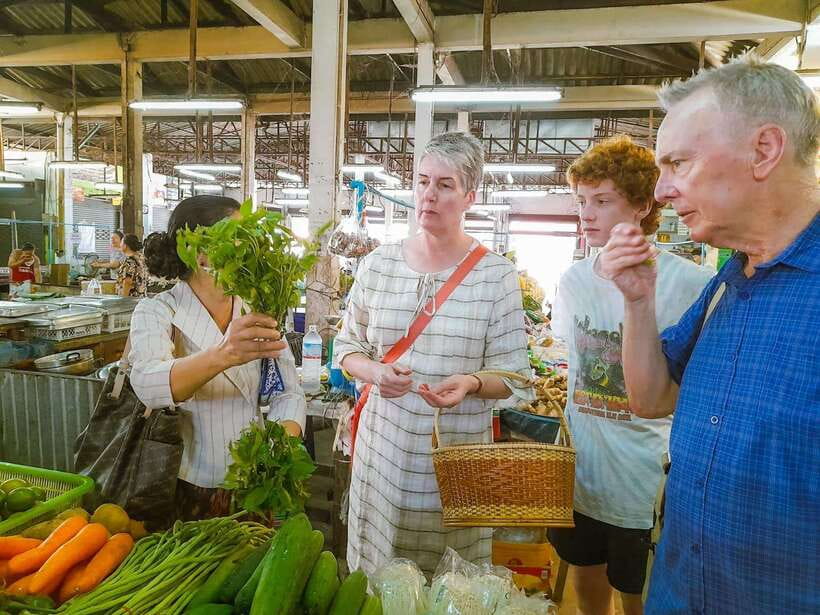
This is a 6-hour food education in Vientiane, built around three moving parts: pickup and transfer, a local market stop for ingredient ideas and buying, and then the actual cooking session at Madam Phasouk Cooking House. The small group size (limited to 4 participants) matters because it keeps the class from turning into a spectator show.
You’ll have an English-speaking guide, plus chef instruction during cooking. The included materials cover more than cutting and cooking: you also get an introduction to Lao herbs and plants, a look at traditional equipment used by ancestors, and cultural context tied to the Red tribe (Son Phao Thai Daeng). That mix is the real value here.
Why the market stop is more than just shopping
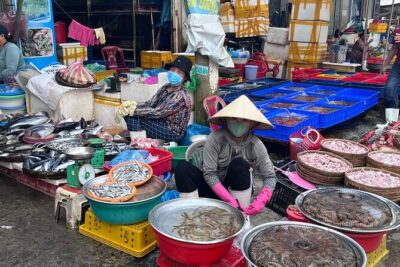
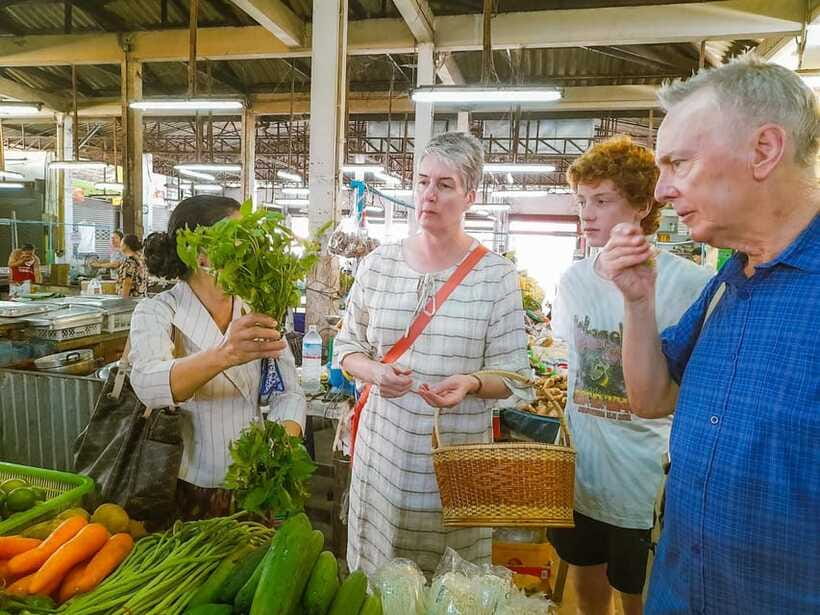
A lot of cooking tours skip the “why” behind ingredients. Here, you’re guided through a local market as a way to understand what Lao cooks reach for and why. Even if you don’t buy much beyond what’s required for the class, the goal is to show you the ingredients and the thinking.
Think of it like learning a language. You can follow a recipe, sure. But when someone points out herbs, greens, or plant-based flavor sources in a market setting, you start tasting the logic.
Pickup, van time, and where the day begins in Vientiane
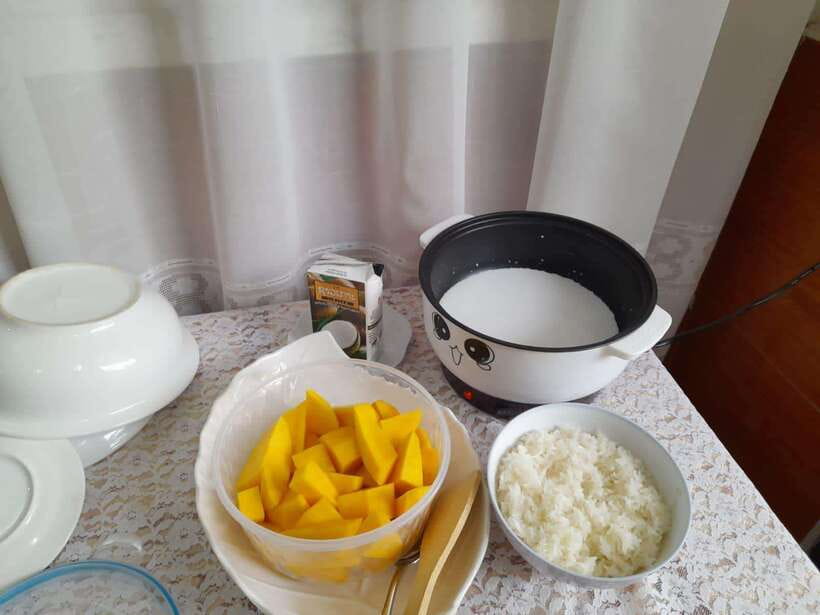
Your day starts with pickup from one of two listed options at COSI Vientiane Nam Phu Laos, or from your hotel location depending on how the provider schedules you. Plan to arrive on time at the meeting point so the cooking house start doesn’t slip.
There’s also transfer time by van in both directions, listed at about 1 hour each way. For many people, that’s a practical tradeoff: you’re spending less energy navigating the city and more energy on the lesson itself. If you’re the type who hates waiting, treat this as the “settle-in” part of the day—have water ready and keep your hat handy for the outdoor stretches.
The local market tour: find the ingredients you’ll actually taste
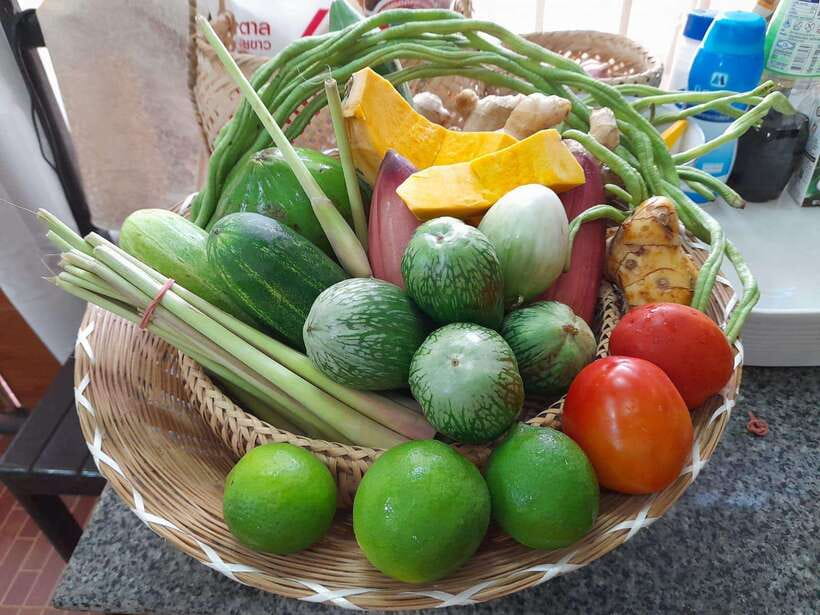
This is where you build confidence for cooking Lao food later at home. The market visit is included, and it’s also where you’ll likely see the herbs and plants that shape Lao flavors. The class promise isn’t just to teach cooking steps; it’s to teach you what the ingredients are doing in the final taste.
In theory, this stop should feel like guided explanation: what to look for, what ingredients are common, and what you should remember when you cook your own Lao meals. One piece of feedback suggested the market portion could use more produce-focused guidance, so you can help yourself by being proactive.
How to get the most from the market (without interrupting the whole flow)
When the guide opens a stall or ingredient group, ask two simple questions:
- What herb or plant is this, and what does it add to taste?
- How do cooks usually use it—raw, pounded, or cooked?
You don’t need a lecture; you need the “taste role” of each item. If you do that, you’ll leave the market with mental flashcards you can use later.
What to watch for in the shopping part
The tour includes ingredients for the cooking class, so you’re not expected to source everything on your own. Still, pay attention to texture and smell. Herbs and leafy ingredients are often about aroma and freshness, so treat that market walk as a freshness lesson, not a souvenir hunt.
And yes, wear comfortable clothes for outdoor walking in the heat. The packing list includes a hat and sunscreen for a reason.
Madam Phasouk Cooking House: herbs, old equipment, and Red tribe culture
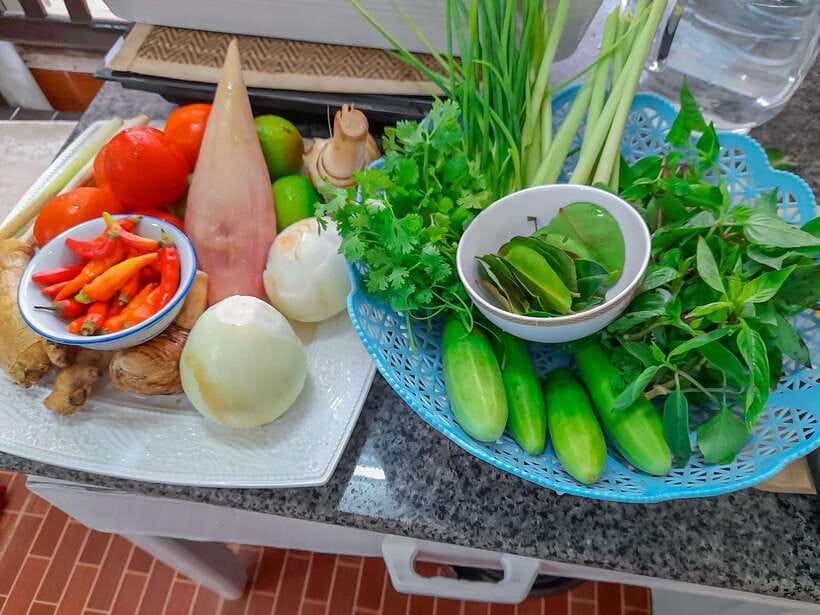
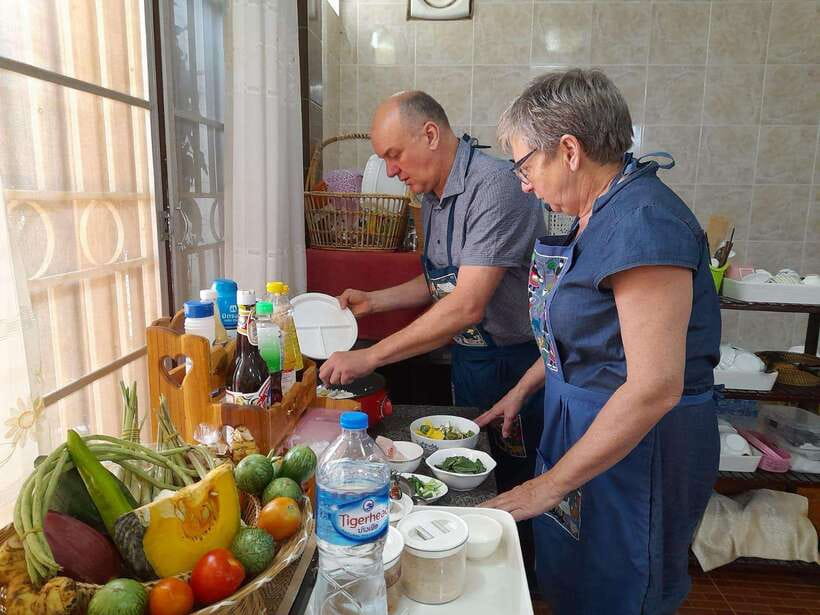
The cooking segment happens at Madam Phasouk Cooking House, where the experience shifts from “learn ingredients” to “learn technique.” You’ll cook with a chef guiding you through steps, and you’ll also learn about traditional Lao herbs and plants and the old equipment used by ancestors.
This is the part I’d call the heart of the day. You’re not just copying someone else’s meal. You’re learning the basic Lao approach: flavor building with herbs and plant-based ingredients, plus respect for traditional tools and methods.
Lao herbs and plants: how flavor is constructed
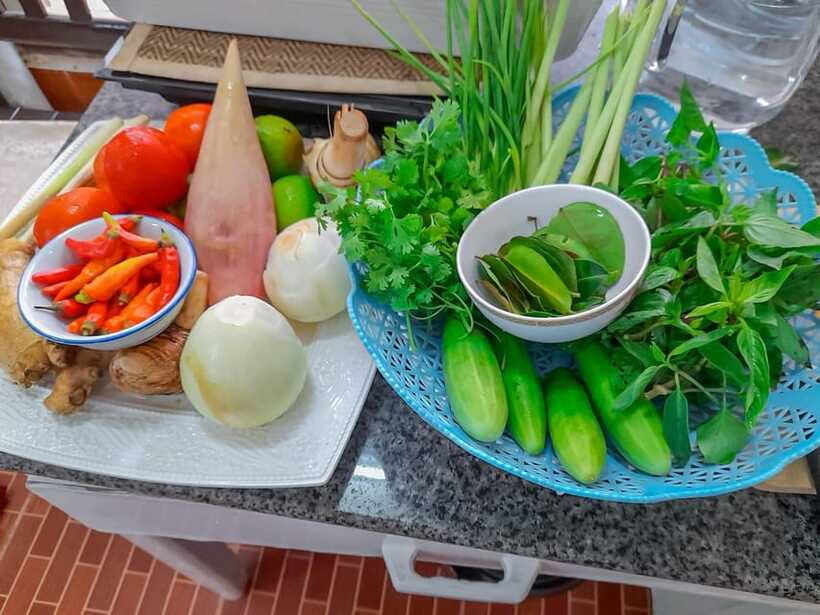
The class explicitly includes an introduction to Lao herbs and plants. That matters because Lao cuisine often depends on fresh greens and aromatic ingredients rather than heavy reliance on sauces alone.
If you’re used to cooking where “seasoning” means salt and spices, Lao cooking can feel different in a good way. The herb knowledge here helps you understand why a dish tastes balanced and fragrant instead of just salty or spicy.
Traditional equipment of ancestors
You’re also taught about traditional Lao equipment. The exact tools aren’t listed in the details you provided, so I won’t invent specifics. But the intent is clear: you’ll see and learn about older-style equipment and how it supports cooking methods.
This is one of those “you’ll remember it later” sections. Even if you don’t own the same tool at home, you’ll understand what the technique was trying to achieve.
Son Phao Thai Daeng (Red tribe) cultural insight
The included cultural piece—insight into the Red tribe (Son Phao Thai Daeng)—adds meaning to the food. Cooking tours that only focus on taste can miss the human side: how food connects to communities, identity, and everyday life.
In practice, this part can help you make sense of why certain ingredients or methods show up where they do. When you leave with cultural context, recipes become more than instructions.
Cooking session flow: how the class teaches you step by step
You’ll spend the main chunk of the day with cooking instruction and food tasting. The description is clear that expert chefs guide you through each step, plus they share techniques and the cultural significance behind meals.
Because the group is limited to 4 participants, you should expect a more “coach-like” pace than a large-group class. That’s a big deal if you’re a beginner. You can ask questions and get answers that actually apply to what you’re doing at that moment.
A practical tip: the sticky rice test
One specific piece of feedback mentioned cold sticky rice with hard bits. That’s a timing and steaming issue, not a deep mystery. If sticky rice is part of your meal, ask yourself one question as you cook and as you serve: is it hot enough and soft enough?
If you’re given any moment to adjust steaming time or serving temperature, pay attention. Hot sticky rice should be soft, not firm. If your portion arrives lukewarm, it will change the whole eating experience.
Tasting your food and pairing with Lao beverages
At the end of the cooking session, you’ll enjoy the dishes you made, paired with authentic Lao beverages. The format is designed so you don’t just cook—you taste what you made while the lesson is still fresh in your brain.
Food tasting is included, so you’ll get a chance to evaluate balance: sour, salty, herbal aroma, and heat level depending on what the chef teaches for your dishes. This is also where your market learning pays off. You’ll know which herb or ingredient made the difference once you taste it in the final plate.
Eat with a “compare” mindset
As you taste, compare against what you normally cook at home. The goal isn’t to rank better or worse. It’s to notice how Lao cooking uses herbs and freshness as structure. That awareness makes it easier to cook Lao-style flavors later without copying blindly.
Price and value for a 6-hour small group at $70
At $70 per person for 6 hours, this isn’t a cheap “just for fun” activity. It also isn’t overpriced for what’s included—especially if you care about learning more than eating.
You’re paying for:
- an English speaking guide
- a local market visit
- a chef-led cooking class
- ingredients for the cooking class
- an intro to Lao herbs and plants
- learning about traditional equipment
- cultural insight into the Red tribe (Son Phao Thai Daeng)
- food tasting and Lao beverages
In other words, the price covers more than a class. It covers the ingredient learning step and the cultural context that helps you understand what you’re doing. If you’re the kind of traveler who enjoys food as a skill—rather than only a meal—this is the kind of value equation that usually works.
Who this class suits best (and who should skip it)
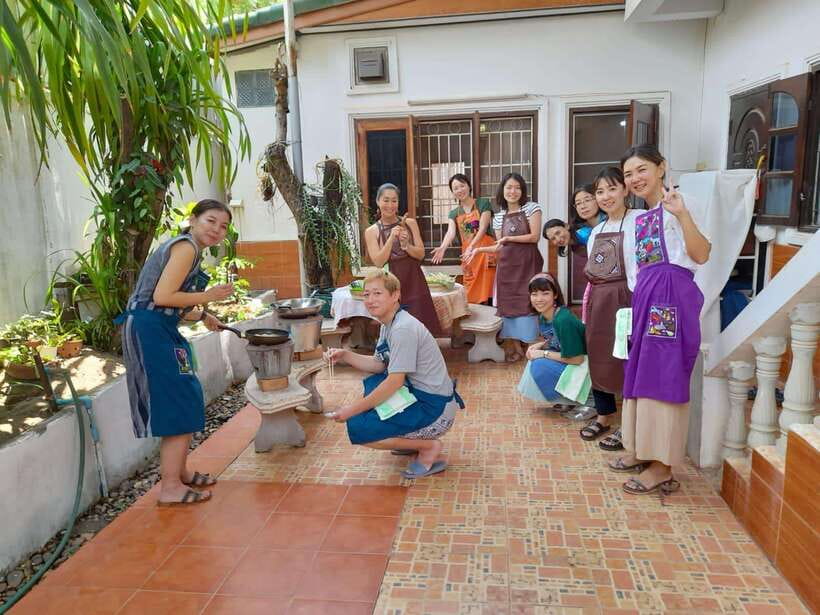
This experience is small-group and interactive. That makes it a great fit for adults and older teens who want hands-on cooking and ingredient education.
It’s not suitable for:
- children under 12
- wheelchair users
- people with food allergies
If you have food allergies, don’t assume the class can safely adjust. The activity info specifically lists allergies as a mismatch, so it’s smart to look for a different option in Vientiane that explicitly handles allergies with care.
What to bring so the day feels easy
The provided guidance is simple and practical. Bring:
- hat
- camera
- sunscreen
- water
- comfortable clothes
The list also mentions ingredients, though most cooking classes provide ingredients as part of the experience. Use common sense here: if the operator asks you to bring anything specific, follow that instruction. Otherwise, treat the list as a packing checklist for the day, not a grocery assignment.
Also remember the rules: smoking is not allowed, alcohol and drugs aren’t allowed, and touching plants isn’t permitted. If you want photos, camera matters—this class includes time in a garden setting, so you’ll likely want pictures of the place and your cooking work.
Should you book this Lao cooking class in Vientiane?
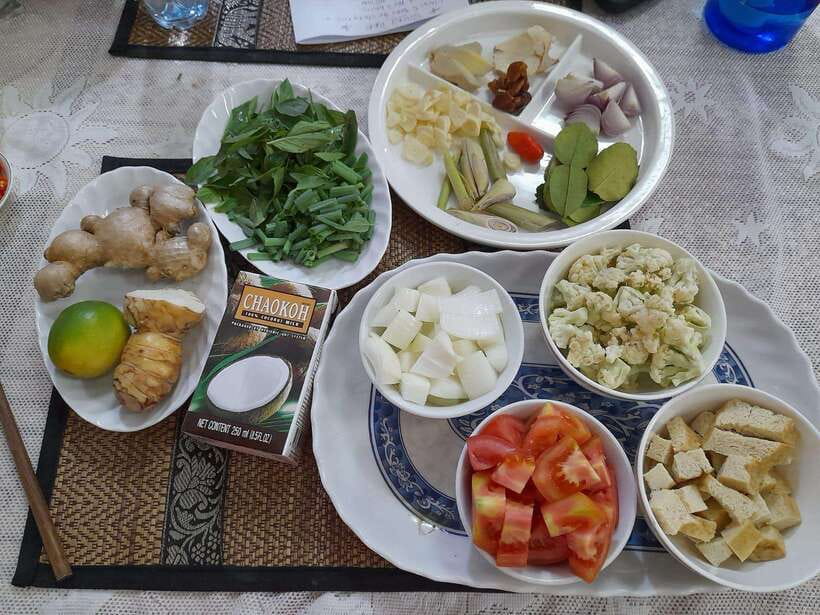
I’d book it if you want a serious Lao food learning day with a market stop, a chef-led cooking session, and cultural context beyond recipes. The small group size helps you actually participate, and the added focus on herbs, plants, and older cooking tools can make this class more useful than a basic cooking demo.
I’d think twice if you hate any chance of a distracted-feeling guide moment during the market walk or if you’re extremely sensitive about how food is served hot and fresh (like sticky rice). You can reduce those risks by asking ingredient questions in the market and paying attention to steaming and serving timing during the cooking session.
FAQ
How long is the Vientiane private Lao cooking class with market tour?
The experience lasts about 6 hours.
Is the tour private or small group?
It is a small group with a maximum of 4 participants.
What language is the guide?
The guide and instruction are in English.
What’s included in the price?
You get an English speaking guide, a local market visit, a cooking class with a chef, ingredients for the cooking class, an introduction to Lao herbs and plants, learning about traditional Lao equipment, and insight into the Red tribe (Son Phao Thai Daeng). Food tasting and Lao beverages are included as part of the class experience.
Where are the pickup and drop-off points?
Pickup is offered from COSI Vientiane Nam Phu Laos, and pickup can also be arranged based on your hotel location. Drop-off is provided at the same listed options.
What should I bring?
Bring a hat, camera, sunscreen, water, and comfortable clothes. The provided list also includes ingredients.
Is it suitable for kids or people with allergies?
It’s not suitable for children under 12, wheelchair users, or people with food allergies.