REVIEW · SEOUL
Seoul: Korean Cooking Class with Local Grocery Shopping
Book on GetYourGuide →Operated by Seoul Foodventure · Bookable on GetYourGuide
Food tastes better after market shopping. In this Seoul Foodventure class, you shop Mangwon Market with a local routine, then cook iconic Korean dishes like bulgogi with help from English-speaking instructors Phoebe and Rachel.
Two things I like a lot: the class is built so beginners can actually finish strong, and the small group size (up to 8) means you get hands-on attention while you cook. You’re not just watching instructions float by.
One thing to consider: the market tour is for morning classes only, and there’s some walking, so wear comfortable shoes and plan your energy accordingly.
In This Review
- Quick hits before you book
- Finding Your Bearings in Mangwon: Market First, Then the Pan
- What you’ll actually do at the market
- A small practical note on timing
- Studio Check-In: Where the Class Clicks for Beginners
- Bulgogi Shopping to Cooking: The Sweet-Savory Backbone
- Why this is valuable for your own cooking
- Gyeran-jjim Steamed Egg: Fluffy Comfort Food You Can Master
- What you should watch for while cooking
- Kimbap Rolling Session: The Picnic Skill Set
- The fun part: you may finish with a second meal plan
- How the 150 Minutes Feel in Real Life
- Meal Time: Lunch or Dinner That Actually Matches the Cooking Work
- Price and Value: Is $89 Worth It in Seoul?
- Who This Cooking Class Suits Best (And Who Might Skip)
- The Details That Make It Work Smoothly
- Should You Book This Seoul Foodventure Class?
- FAQ
- What is the duration of the cooking class?
- How much does it cost?
- What dishes will I learn to make?
- Do we visit a market during the experience?
- Is the market tour available at all times?
- What language is the instruction in?
- How big is the group?
- Where do we meet?
- Is the experience wheelchair accessible?
- What should I wear?
Quick hits before you book
- Mangwon Market shopping: you pick ingredients in a spot with more locals than the usual tourist circuit
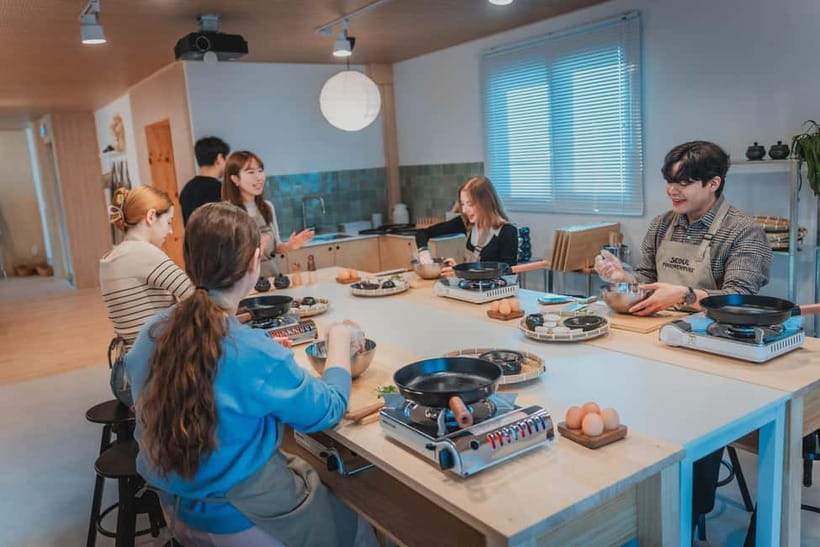
- Three dishes in 150 minutes: bulgogi, gyeran-jjim, and kimbap, with you doing the work
- English guidance: taught by instructors who can explain steps clearly for all skill levels
- Small group, max 8: easier questions, faster corrections, better results
- Han River picnic idea: take leftover kimbap and eat outdoors like locals do
Finding Your Bearings in Mangwon: Market First, Then the Pan
Most cooking classes start at the cutting board. This one starts with the shopping, and that changes everything about what you taste later. You meet at the studio near Mangwon Station Exit 2, steps from Mangwon Market, so it feels like you’re headed into real daily life, not a themed food show.
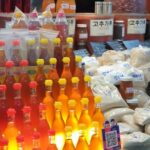
Mangwon Market matters because it skews local. It’s the kind of place you might see homemakers returning to regularly, day after day, which is why the ingredients feel practical and familiar. In contrast, the more famous Gwangjang area can be heavier on tourist crowds, so you may feel less pressure to perform and more freedom to look around.
If you’re the type who wants to understand what you’re eating, the market stops are your shortcut. You learn what to buy, what to look for, and how ingredients come together in Korean home cooking. Even if you only remember a few buying tips, that translates into better grocery shopping later.
You can also read our reviews of more tours and experiences in Seoul.
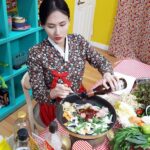
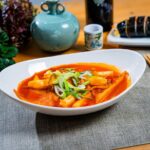
What you’ll actually do at the market
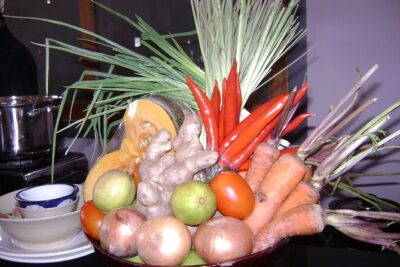
You’ll explore Mangwon Market and pick out fresh ingredients for your class meal. The focus is on day-to-day shopping habits, so you’re not only shopping for the dramatic centerpiece—you’re finding the supporting ingredients that make the dish feel right.
Because you’re given direction tied to the dishes you’ll cook, the market doesn’t feel random. It feels like a shopping list with a story.
A small practical note on timing
The market tour is only available for morning classes. If you’re aiming for a later start time, check schedules before you fall in love with the idea of market shopping.
Studio Check-In: Where the Class Clicks for Beginners
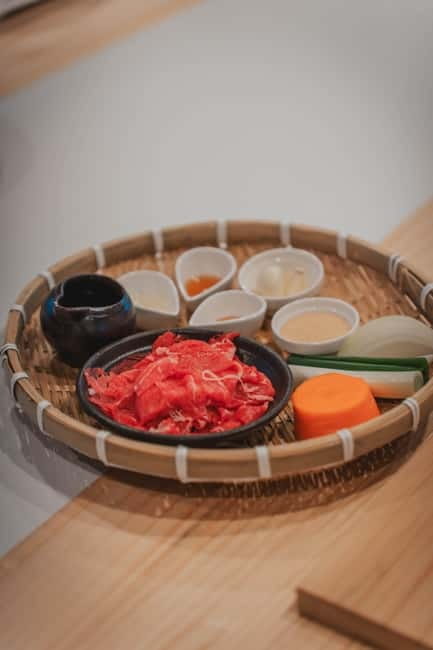
After the market walk, you shift to the cooking studio. The meeting point is on the 4th floor at 8, World Cup-ro 13-gil, Mapo-gu, Seoul, Korea, and you can find it fast by searching Seoul Foodventure on Google or Naver. You’ll be dealing with a little walking on the way in, so comfortable shoes are a wise move.
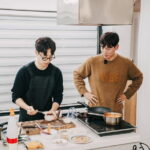
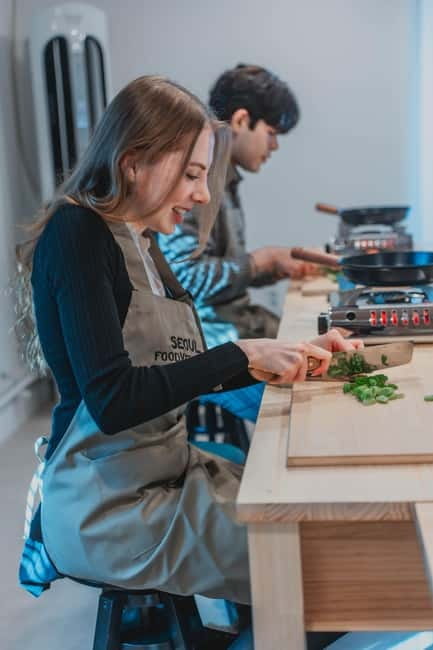
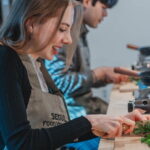
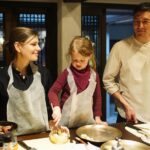
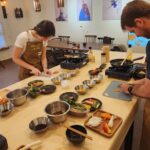
What I like about the studio setup is the class design for everyone. This is not a kitchen where you’re silently expected to already know how to slice, season, and manage heat. You learn by doing, step-by-step, and the pace is meant to work for both first-timers and people who cook often.
The group is limited to 8 participants. That number sounds small because it is. In a room like this, you don’t disappear into the background, and you can ask questions without waiting for a long line.
Phoebe and Rachel are the kind of instructors who keep the steps understandable. One review called out how easy the instructions were, and another highlighted how well they took care of the group, which lines up with what you want from a hands-on class: clarity, plus actual support when you get stuck.
Bulgogi Shopping to Cooking: The Sweet-Savory Backbone
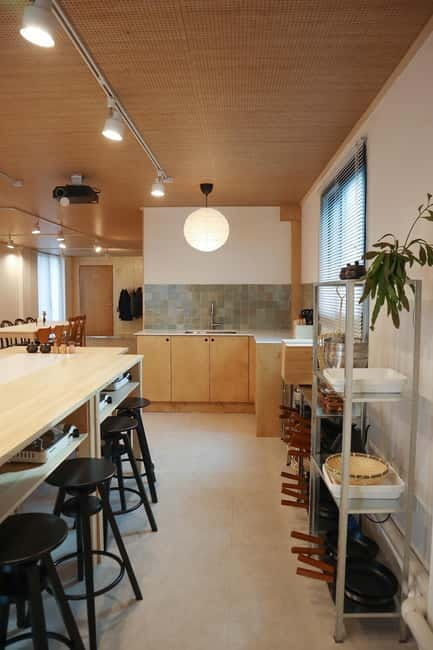
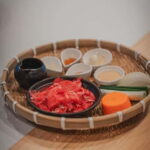
Bulgogi is the dish people recognize, but it’s often the one people get wrong at home. Korean-style bulgogi is all about balance: the marinade should taste flavorful without becoming one-note. In this class, you handle it with ingredients you selected earlier at the market, so the final taste feels connected to the choices you made.
You’ll learn how to prepare bulgogi using marinated beef. You won’t just assemble a bowl and call it done. The teaching focuses on the practical parts of the process that affect flavor, like how the marinade comes together and what to do so the meat cooks well during class.
Why this is valuable for your own cooking
If you’ve ever made bulgogi that tasted flat, the market + guided cooking makes the missing piece obvious. You learn what matters most in the flavor-building stage, not just the final steps. That means you can remake it later with groceries you can actually find back home.
Another smart part: the meal is part of lunch or dinner. You’re cooking for eating, not just producing photos. That keeps your attention on timing and taste.
Gyeran-jjim Steamed Egg: Fluffy Comfort Food You Can Master
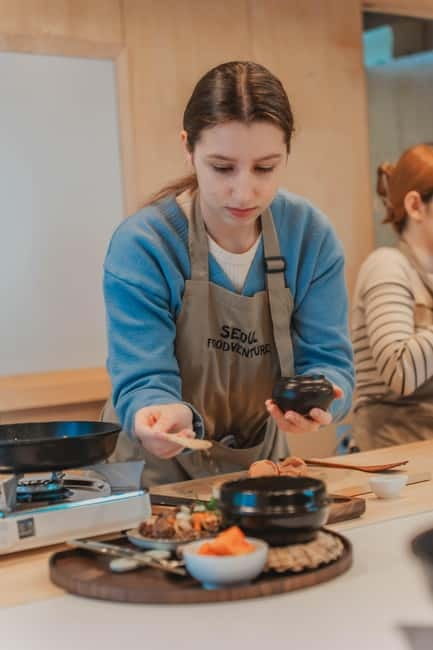
Gyeran-jjim is the dish that surprised a lot of people in a good way. Steamed egg doesn’t sound like a challenge, but it’s one of those comfort foods where texture is the whole point. If your eggs turn out rubbery or watery, the dish loses its charm.
Here, you learn how to make it as a Korean home-cooked favorite: light, fluffy, and soothing. You’ll follow guided steps while you cook, which is the best way to understand how thickness, heat, and handling affect the result.
What you should watch for while cooking
Steamed eggs are sensitive to technique. You don’t need advanced skills, but you do need attention. In a class like this, the instructor can help you adjust so you don’t end up with something that looks right but feels off in texture.
If you cook at home, this lesson is gold because it shows you a repeatable method. Gyeran-jjim is one of those recipes you can rotate into your week without requiring a long shopping trip or fancy tools.
Kimbap Rolling Session: The Picnic Skill Set
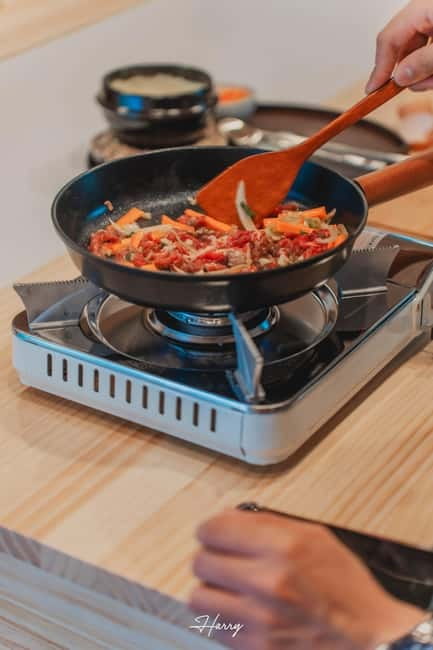
Kimbap is the ultimate Korean picnic snack, and you’ll roll it as part of the class. That means you get real practice with the assembly process, not just a look at the finished roll.
Kimbap is also a great way to understand Korean home meal logic. It’s portable, flexible, and designed for eating with others. In class, you’ll put it together and create something you can actually take beyond the studio.
The fun part: you may finish with a second meal plan
If you have leftover kimbap, the experience suggests taking it to the nearby Han River. The idea is to spread out a mat, relax, and enjoy your picnic in the sun like true locals do.
Even if you’re not planning a full day outing, it’s a handy option. You get a built-in way to turn the cooking class into an easy half-day plan. It’s also a low-stress way to eat what you made, while Seoul does its thing around you.
How the 150 Minutes Feel in Real Life
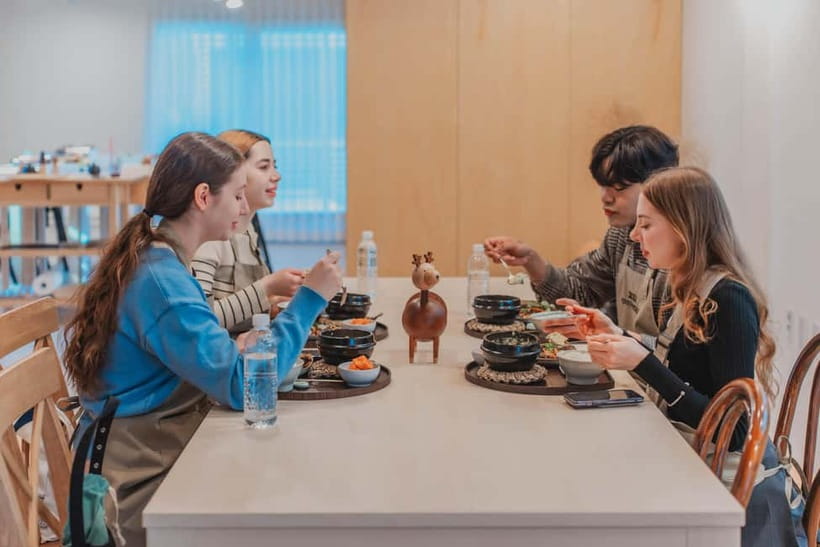
A 150-minute cooking class can either fly by or feel rushed. Here, the structure makes the time feel useful because you have clear anchors: market tour, cooking, eating, then rolling kimbap. You’re not stuck waiting for one long lecture, and you’re not pulled into a dozen unrelated techniques.
Also, because the group is small, your instructor can adjust pacing. If someone needs more time cutting, or if you’re unsure about a step, you can get the correction before it becomes a bigger issue later.
English instruction matters too. You’ll understand what’s happening during the process, which makes it easier to remember for cooking back home.
Meal Time: Lunch or Dinner That Actually Matches the Cooking Work
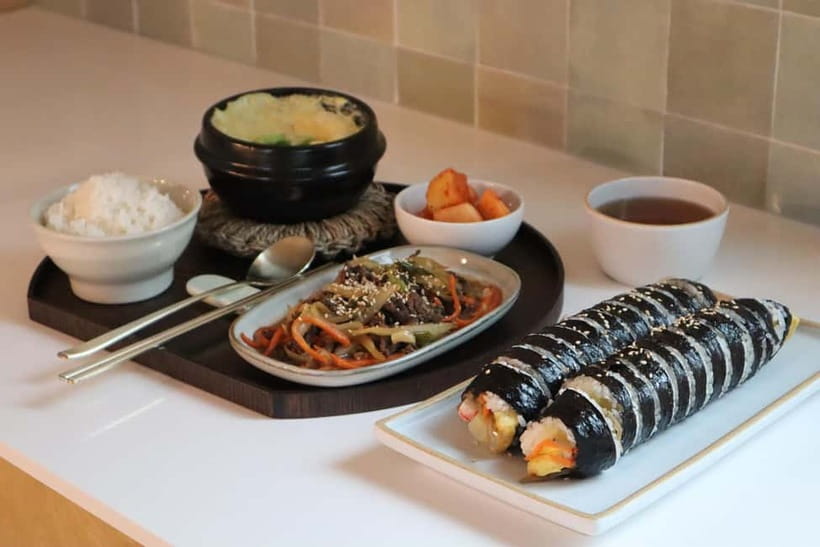
You’ll enjoy the meal as part of the experience, either lunch or dinner depending on the class timing. That’s important because it changes your mindset. You’re cooking with purpose, and you can taste right away what each dish should feel like.
You also get drinks with the meal. That keeps the experience comfortable and complete, so you’re not scrambling for a beverage after finishing the work.
The recipe booklet is another practical inclusion. It’s useful if you want to repeat the dishes at home without relying on memory. Recipes are where cooking classes often fail, but having a booklet gives you a lifeline for the details you’ll forget after the excitement.
Price and Value: Is $89 Worth It in Seoul?
At $89 per person for 150 minutes, you’re paying for three connected things: ingredient shopping in a local market, hands-on instruction for multiple dishes, and a full meal with drinks plus a recipe booklet.
Here’s how I think about value for this kind of class:
- You’re not just paying for cooking. You’re also paying for market guidance that helps you choose better ingredients and understand what those ingredients do in the dish.
- Three dishes is the real differentiator. Learning bulgogi and gyeran-jjim is solid, but adding kimbap means you leave with a portable skill set.
- Small group size helps you get feedback. In a bigger group, you often pay the same price but get less personal correction.
Could it cost less elsewhere? Sometimes, yes. But if you want a class that feels structured, local, and repeatable after you return home, the price starts looking fair. Especially when you consider you’re getting a market tour plus the meal components, not just an instruction session.
Who This Cooking Class Suits Best (And Who Might Skip)
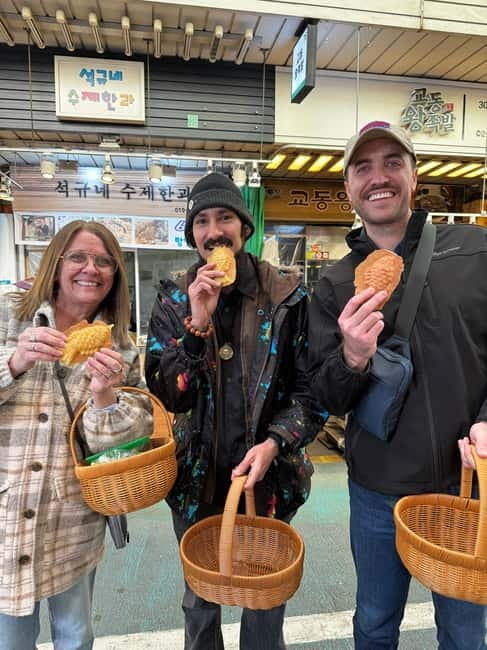
You’ll likely love this experience if:
- you want a hands-on Seoul activity that feels local and practical
- you’re curious about Korean home cooking, not just street food sampling
- you want to learn three recipes you can actually reproduce
- you prefer small groups so your questions don’t get lost
This class may be less ideal if you’re looking for a pure food-tour sprint with lots of stops and constant sightseeing. The focus is cooking and market shopping, so you’re trading breadth for depth in the kitchen.
It’s also worth noting that you should inform the team about dietary restrictions or allergies in advance. That’s the kind of detail that keeps the meal safe and enjoyable for everyone.
The Details That Make It Work Smoothly
A few small items make a real difference in how smooth your day feels:
- The studio is near Mangwon Station Exit 2, so getting there is straightforward.
- The class is wheelchair accessible, which is a real plus if you need that level of support.
- English instruction helps you stay oriented while you cook, not just stand around.
- Wear comfortable shoes because there’s walking tied to the market portion.
Also, flexibility can help when your Seoul schedule is busy. The experience offers free cancellation up to 24 hours in advance for a full refund, and you can reserve now and pay later, which can take pressure off your itinerary planning.
Should You Book This Seoul Foodventure Class?
Book it if you want a Seoul day that turns into skills, not only memories. The combination of Mangwon Market shopping, guided cooking of bulgogi and gyeran-jjim, plus rolling kimbap means you leave with three repeatable dishes and a very doable plan for lunch, dinner, and even a Han River picnic.
Skip it only if you’re set on a non-kitchen style activity or you can’t make a morning class, since the market tour is tied to morning schedules. If that’s your situation, you might still consider the cooking-focused part, but you’d lose the ingredient-hunt value.
If you like practical, hands-on learning with a friendly small-team vibe, this is the kind of class you’ll feel good about long after you close your recipe booklet.
FAQ
What is the duration of the cooking class?
The class runs for 150 minutes.
How much does it cost?
It costs $89 per person.
What dishes will I learn to make?
You’ll learn bulgogi, gyeran-jjim, and kimbap.
Do we visit a market during the experience?
Yes. You’ll do a market tour where you pick ingredients for your meal.
Is the market tour available at all times?
The market tour is only available for morning classes.
What language is the instruction in?
The instructor provides instruction in English.
How big is the group?
The group is small, limited to 8 participants.
Where do we meet?
You meet at the studio at 4th floor, 8, World Cup-ro 13-gil, Mapo-gu, Seoul, Korea. You can find it by searching Seoul Foodventure on Google or Naver.
Is the experience wheelchair accessible?
Yes, it’s wheelchair accessible.
What should I wear?
Wear comfortable shoes because there will be some walking as part of the market visit.