REVIEW · VOLTERRA
Volterra: Pizza Cooking Class in a tuscan farmhouse
Book on GetYourGuide →Operated by Agriturismo Biologico Diacceroni · Bookable on GetYourGuide
Pizza in Tuscany feels like a small miracle. You learn it at a working agriturismo outside Volterra, with a chef guiding you step-by-step. After you make the dough (and later cook your pizza in a wood-burning oven), you sit down to eat what you built—plus sweet treats you also make.
I especially like the hands-on rhythm. You work from your station with an apron, tools, and ingredients laid out for you, and you’ll practice dough preparation in a way that makes the skills feel doable at home. I also love the take-home part: you prepare pizza dough you can bring back, and you make biscuits to taste then take with you.
One consideration: the farm is about 20 minutes north of Volterra, and the cooking/pulling-together happens outdoors even when it rains. If you hate cold air or quick changes in weather, plan for layers.
In This Review
- Key points to know before you go
- A Tuscan farmhouse pizza class near Volterra (not a studio workshop)
- Your station and the chef’s pizza game plan
- Dough you can take home: learning the why, not just the steps
- Wood-burning oven cooking and topping your pizza your way
- Beyond pizza: shortcrust pastry, cake filling, and decorated biscuits
- Dining in Tuscany: Diacceroni wine and the farmhouse lunch feeling
- What’s included—and what you’ll want to budget for
- Price and value: paying for technique, time, and take-home food
- Practical tips for a smooth 2 hours in the hills
- Should you book this Volterra pizza cooking class?
- FAQ
- Where does the class start?
- How long is the Volterra pizza cooking class?
- What languages do the instructors speak?
- Does the class happen indoors?
- What will I cook besides pizza?
- Can I take food home?
- Is wine included with the meal?
- What’s included at your work station?
- What should I do if I have allergies or intolerances?
- What if my plans change?
Key points to know before you go
- Working farmhouse setting: you learn in an agriturismo atmosphere with Tuscan hospitality at the center of the day.
- Chef-led, bilingual teaching: instruction happens in Italian and English, so you’re not stuck guessing.
- You make dough and toppings: expect real prep work, then cooking where you can personalize your pizza.
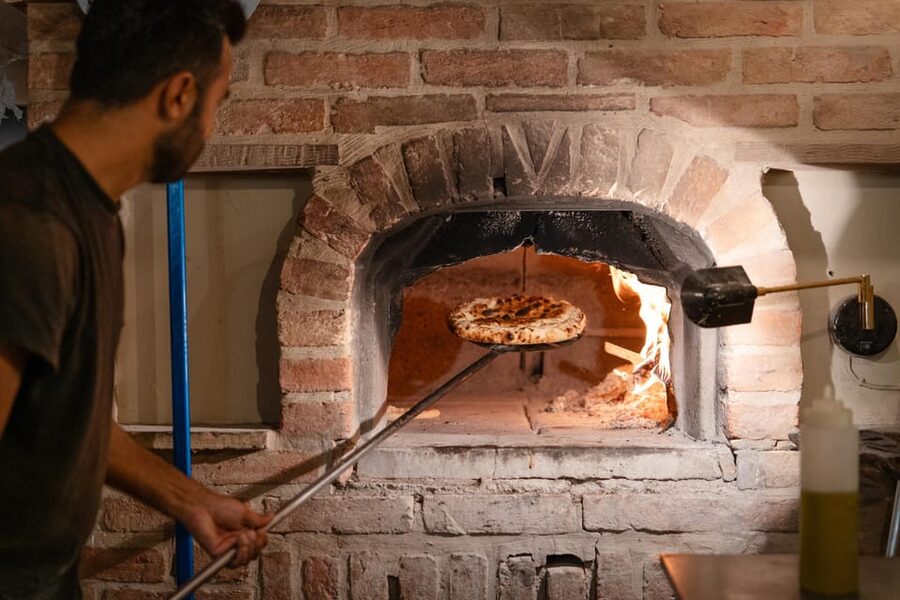
- Wood-fired pizza cooking: the oven is right there, so you can watch the process up close.
- Sweet baking alongside pizza: shortcrust pastry, cake filling, and decorated biscuits aren’t just an afterthought.
- Take-home edible souvenirs: you’ll leave with pizza dough and the biscuits you made.
A Tuscan farmhouse pizza class near Volterra (not a studio workshop)
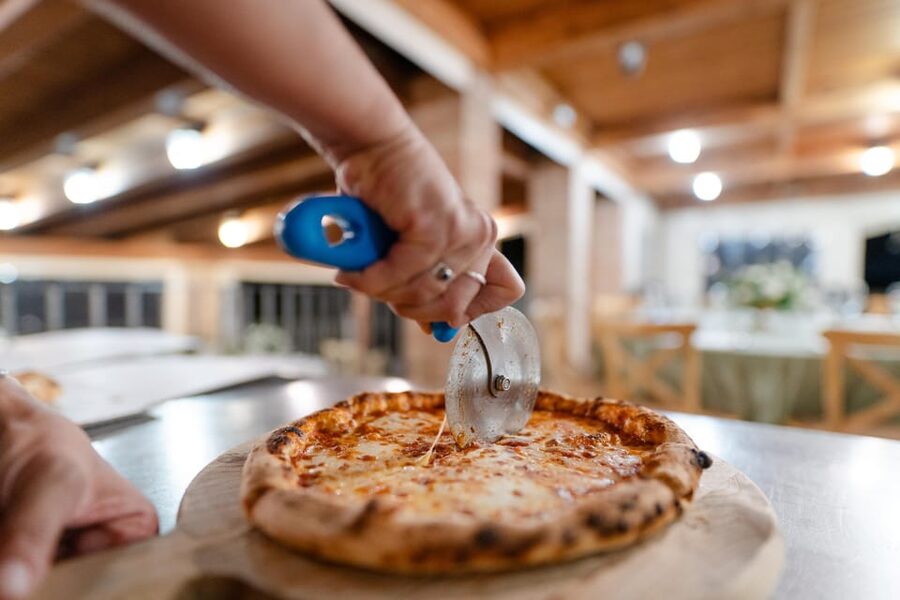
This experience is built around a simple idea: learn pizza in the place Italians actually cook it—on a farm, with a real kitchen setup, and with people who take food seriously. You meet at the reception at the agriturismo, and from there the day has a friendly, family-lunch vibe rather than a stiff classroom feel.
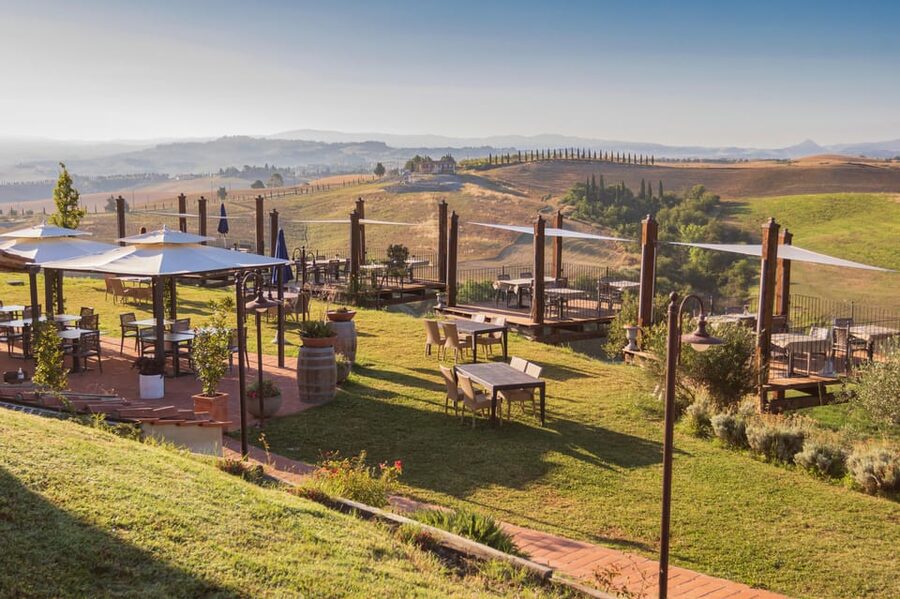
The setting matters. You’re in the rolling hills around Volterra, and the atmosphere stays cheerful from the moment you arrive. One review described a movie-like feeling on the terrace while waiting for the pizza, which lines up with what you’d expect when you’re eating with views and not fluorescent lighting. If you’re traveling for taste and texture—dough, heat, timing—this kind of environment helps you pay attention.
You should also know it runs rain or shine. The cooking prep and work area is described as outside on a covered patio, so you’ll still feel the weather. Bring a light jacket even in pleasant seasons. You’ll thank yourself when you’re waiting for dough steps or watching the oven.
You can also read our reviews of more tours and experiences in Volterra.
Your station and the chef’s pizza game plan
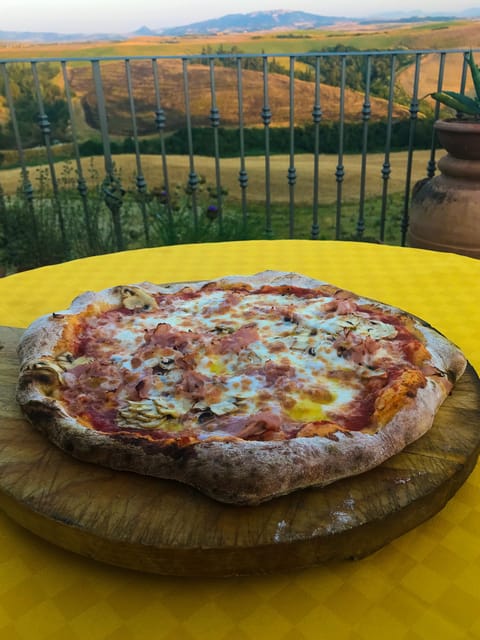
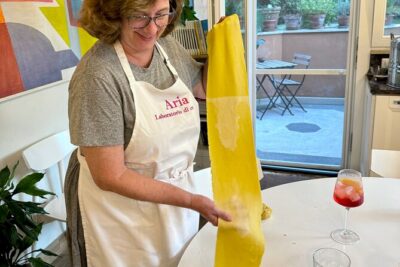
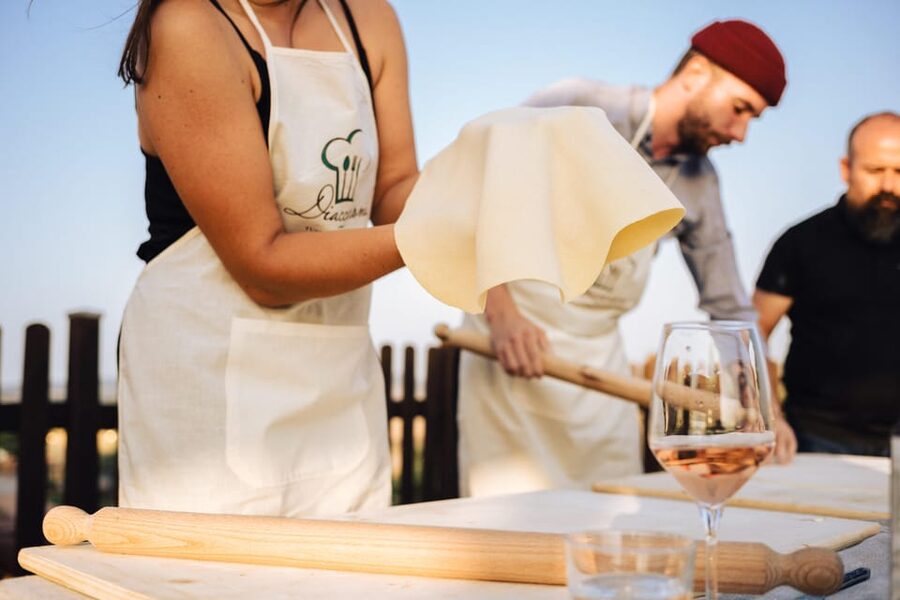
Once you’re checked in, you’re welcomed at your station. This isn’t a “watch and hope” format. Your station includes an apron, tools, and the ingredients you need to make the pizza course. That setup is what keeps the class interactive—everyone can follow along with the same ingredients and pace.
Instruction happens in Italian and English, and the chef’s personality can really shape the experience. In different sessions, chefs named Amir, Ilenia, and Maurizio were highlighted in reviews for teaching with energy and clear technique. You don’t have to understand every word in Italian to follow; the key steps are taught while you’re doing them.
Here’s what you’re working on during the main pizza portion:
- preparing traditional pizza dough
- learning how to handle it (and why dough behavior matters)
- adding garnishes/ingredients once the pizza base is ready
- cooking and serving the pizza you made
A smart detail: the dough you make is intended to be something you can take home. Dough often benefits from resting time, and the process is designed so you can enjoy pizza today and also try your skills again later. One review noted that pre-made dough might be brought out so everyone can eat the pizza during the class, while the dough that needs resting is taken home. That’s a practical way to balance hands-on learning with actually getting dinner on the table.
Dough you can take home: learning the why, not just the steps
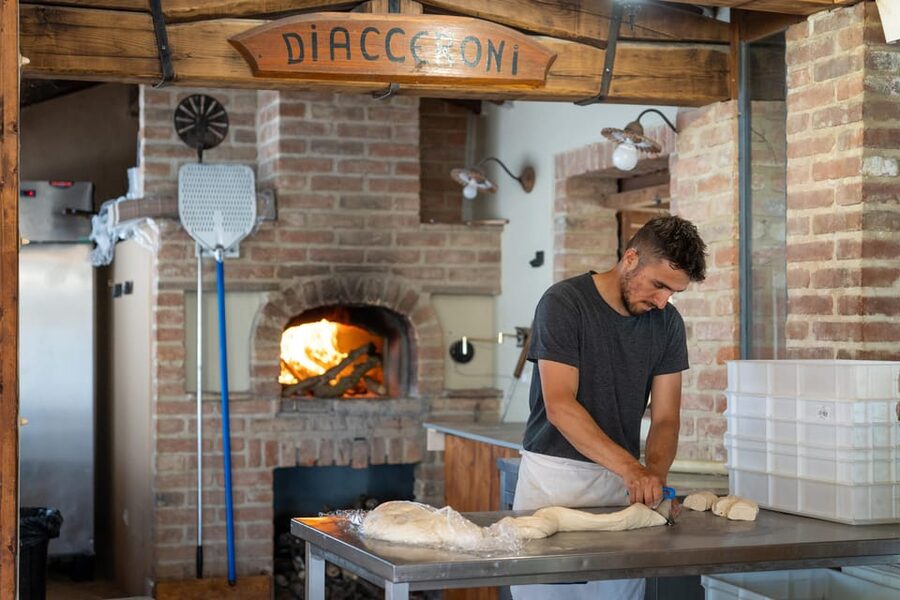
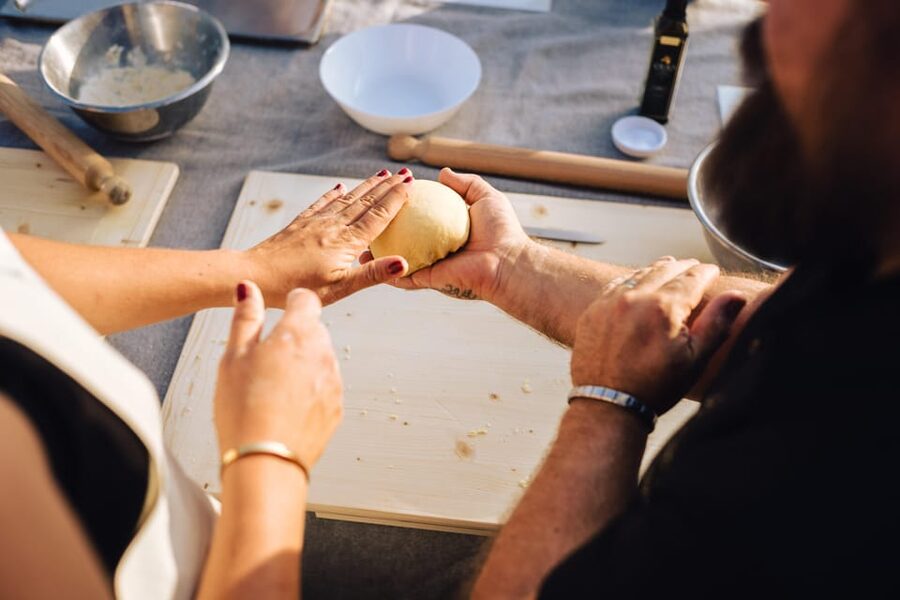
Pizza-making gets easier when you understand the logic behind it, and this course is set up to teach that logic through action. You’ll prepare traditional pizza dough as part of the workshop and receive instructions for taking it home and using it later.
What you gain from this approach is confidence. A lot of cooking classes give you a finished dish and a recipe card. This one asks you to do the most important work yourself: the dough base. Once you’ve handled dough in a guided setting—formed it, worked it, and watched it respond—you can recreate it without feeling like you’re copying a magic trick.
If you’re the kind of traveler who likes to bring home more than photos, take-home dough is a big deal. You’re essentially buying a repeatable skill, not just a meal.
And because the class includes taste and serving right after cooking, you also learn the connection between what happens during prep and what you experience at the table. That link is where the value lives.
Wood-burning oven cooking and topping your pizza your way
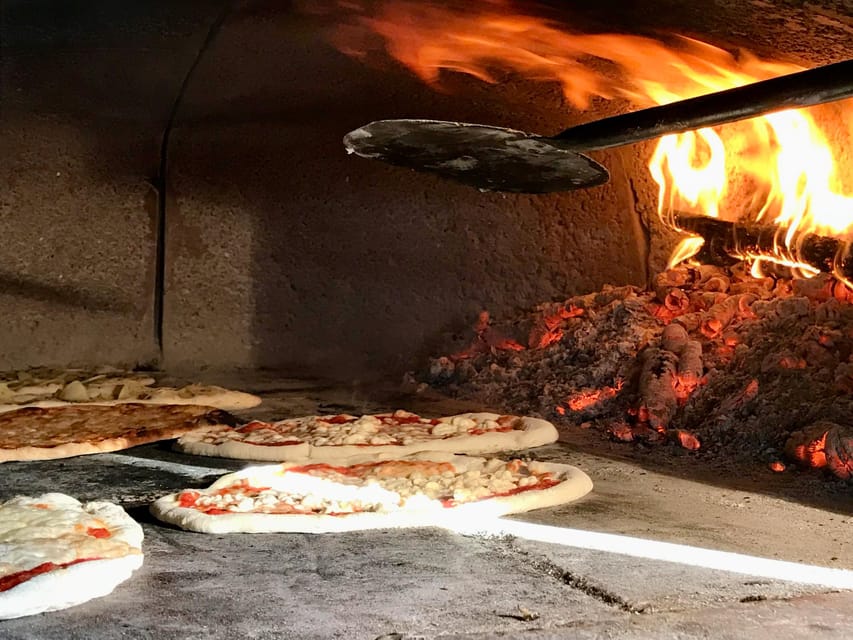
After the dough prep, the workshop moves into cooking. Your pizza is cooked and served already risen, garnished with the ingredients used by the agriturismo. You’re not waiting for a random lineup in a restaurant kitchen. You’re there for the cooking stage, which gives you real insight into heat, timing, and the difference oven energy makes.
In one review, the staff grilled pizzas in a wood-burning oven right in front of the class. That sort of setup helps you see what to look for—when the crust is ready, how the dough transforms, and what “cooked” really means in a stone/wood context.
You also get a say in the experience. One review said everyone could choose every topping they like after the prep portion, and that matches what you’d want from a pizza class: you want the satisfaction of personalizing your own pie, not just eating what someone else decided.
A practical note: if you’re hungry (and you will be), the class structure makes sure the waiting isn’t long and the payoff is immediate. You’re eating your work, with the aromas of wood fire and fresh toppings doing the sales pitch.
Beyond pizza: shortcrust pastry, cake filling, and decorated biscuits
This is not a one-and-done pizza workshop. The class also includes sweet-making elements that feel grounded in Italian home baking rather than “dessert as decoration.”
You’ll prepare shortcrust pastry, make a cake filling, and decorate biscuits. Then you taste the sweet things you’ve made. You also take home the biscuits you made yourself, which turns the class into a sort of edible souvenir kit for later.
One review mentioned tiramisu made from scratch and even a design tiramisu approach with one instructor. That doesn’t change the core class concept here—it reinforces that many sessions include an additional sweet step. The baseline sweet elements listed for the experience remain shortcrust pastry, cake filling, and decorated biscuits.
Why I like this mix: it teaches the contrast between savory and sweet dough work. Dough handling skills carry over, and you get to see how different preparations behave—crispness for biscuits, richness for fillings, and the way sweetness changes the whole flavor story of the day.
Dining in Tuscany: Diacceroni wine and the farmhouse lunch feeling
After cooking, you sit down for the meal. You’ll enjoy the pizza you prepared and the sweet inventions you made. The experience includes excellent Diacceroni wine served with the meal, which is a thoughtful touch: it pairs with the food and keeps the class feeling like an actual Tuscan meal rather than a snack after a demo.
Some reviews also described complimentary espresso and juice as part of the start, which fits the agriturismo rhythm—drink first, then work, then eat. Even if you don’t get the exact same start in every session, the overall flow is designed to keep you comfortable while you learn.
The dining atmosphere is also part of the value. You’re not crammed into a dining room. You’re eating where you cooked, or close to where the oven work is happening, and that makes the experience feel like a real day in the countryside.
What’s included—and what you’ll want to budget for
The practical side of this class is pretty clear, and that’s part of why it feels like good value.
Included:
- your station with tools and ingredients
- an apron
- the pizza course experience plus the sweet-making portion
- pizza you prepare and taste
- Diacceroni wine with the meal
- biscuits you make to take home
- pizza dough you can take home (with instructions)
Not included:
- extra menù (if you want more food beyond the course)
- extra drinks
- hotel pickup and drop-off
That “no pickup” point matters. If you’re staying in Volterra or nearby, you’ll want to plan a short transfer to the agriturismo reception. One review described it as about 20 minutes north of Volterra, so build that travel time into your day.
Price and value: paying for technique, time, and take-home food
At $118.95 per person for about two hours, this isn’t a cheap “hands-on meal.” But it also isn’t just paying for dinner in a rural restaurant.
You’re paying for:
- guided technique (dough prep, handling, and cooking approach)
- real cooking time at your station
- an oven experience (wood fire, visible cooking)
- the sweet course work (pastry, filling, biscuits)
- take-home items (pizza dough + biscuits)
- included wine and included course meal
If you’re trying to squeeze value out of Tuscany, you want experiences that give you something you can’t easily replicate from a cookbook. Dough you make and dough you take home is exactly that. And biscuits you decorate yourself are the kind of practical souvenir you can actually use.
The class is also bilingual (Italian and English), which reduces the risk that you’ll spend your money watching without understanding. The reviews I saw praised chefs like Amir, Ilenia, and Maurizio for teaching clearly and enthusiastically, which matters when the goal is learning rather than just eating.
Practical tips for a smooth 2 hours in the hills
Here’s how to make the most of your time.
- Dress for outdoors: the workshop is rain or shine, and prep/cooking can be outside on a covered patio. Bring layers and comfortable shoes.
- Think about allergies early: you’re asked to inform the team of any food allergies or intolerances when you reserve, so do that upfront to keep things safe and stress-free.
- Arrive ready to work: you’ll be at a station, using ingredients and tools, so don’t show up in clothes you’ll mind getting flour on. The apron helps, but accidents happen.
- Plan your toppings mindset: you’ll be cooking your own pizza, so if you have dietary preferences or strong topping likes, be ready to decide.
- Have a post-class plan for the dough: because pizza dough often needs resting time, keep a little space in your day to store and manage what you take home.
- Use language to your advantage: even if you only know a few Italian words, you’ll get more out of the class by asking simple questions. The instruction is built for Italian and English speakers.
One more logistics note: the experience ends back at the meeting point. So once you finish, you’re not stuck wondering where to go next—just head back from reception.
Should you book this Volterra pizza cooking class?
Book it if you want a hands-on Tuscany food experience with real technique, not a passive tasting. The best fit is for people who like to cook, enjoy savory-and-sweet lessons, and care about leaving with take-home food you actually made.
Skip it if you’re looking for a quick, indoor food stop with zero weather impact. Because it’s rain or shine and the working area is outside on a covered patio, you’ll feel the outdoors more than you would in a city kitchen.
If you’re in Volterra or nearby and you want one standout food activity that combines farmhouse atmosphere, wood-fired pizza, and biscuits you can bring home, this class is an easy yes.
FAQ
Where does the class start?
The activity starts at the Reception Agriturismo. It also ends back at the meeting point.
How long is the Volterra pizza cooking class?
The course runs for about 2 hours (starting times vary, so check availability).
What languages do the instructors speak?
The workshop is taught in Italian and English.
Does the class happen indoors?
It runs rain or shine, and the prep/cooking area is outside on a covered patio.
What will I cook besides pizza?
You’ll also work on shortcrust pastry, make cake filling, and decorate biscuits, then taste what you made.
Can I take food home?
Yes. You can take home the pizza dough that you prepared, and you also take home the biscuits you made.
Is wine included with the meal?
Yes. You’ll enjoy the meal with excellent Diacceroni wine. Extra drinks are not included.
What’s included at your work station?
You’ll find your station set up with an apron, tools, and all the ingredients needed to complete the dish.
What should I do if I have allergies or intolerances?
Inform the team when you make the reservation so they can help you safely.
What if my plans change?
You can cancel up to 24 hours in advance for a full refund, and you can reserve now and pay later.