REVIEW · BANGKOK
Sathon: Hands-on Thai Cooking Class & Market Tour in Bangkok
Book on GetYourGuide →Operated by House of Taste Thai Cooking School · Bookable on GetYourGuide
Fresh curry starts at the market. This Sathon class pairs a Suan Phlu ingredient hunt with hands-on cooking of four Thai dishes plus the sweet finish that Bangkok does so well. You’ll shop with a guide, learn what to look for in herbs and spices, then cook until everything is hot and ready to eat.
I love that you’re not just tasting Thai food here. You’ll make coconut milk and curry paste from scratch, and you’ll leave with the standard recipes so you can repeat it at home. I also really like the vibe in the kitchen: the group feels small and cosy, and the instructor Pitch brings a sense of humor while keeping you moving at a good pace.
One consideration: the dessert is mango sticky rice every day, so if you don’t care for mango or sticky rice, check your comfort level before you book.
In This Review
- Key Highlights at a Glance
- Why Suan Phlu Market Shopping Changes Everything
- Entering The Cooking School Near Sathon (And Getting Set Up)
- Making Coconut Milk and Curry Paste From Scratch
- Your Four-Dish Cooking Sprint (Plus What Each Dish Teaches)
- What I’d watch for as you cook each dish
- Eating What You Cook: Four Courses, Hot and Fresh
- Mango Sticky Rice: The Sweet Finish You’ll Want to Recreate
- Pricing and Value: What $45 Really Gets You
- Instructor Pitch and the Cosy Small-Group Feel
- Dietary Needs and Substitutions (What You Can Expect)
- Getting There: BTS/MRT Options and the Easiest Approach
- Who Should Book This Thai Cooking Class
- Should You Book Sathon: Hands-on Thai Cooking Class & Market Tour?
- FAQ
- FAQ
- How long is the class?
- What does the price include?
- Where do I meet for the Sathon class?
- Is the market tour included?
- What dishes do you cook?
- Can dietary restrictions be accommodated?
- Is alcohol included?
Key Highlights at a Glance
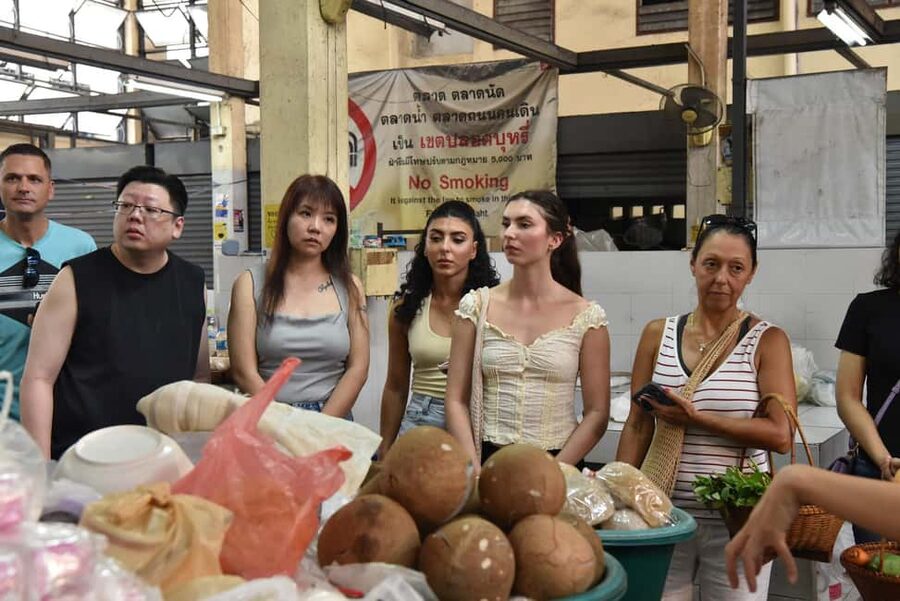
- Suan Phlu market tour: shop for vegetables, herbs, spices, and staples with a guide right by the school
- Coconut milk + curry paste from scratch: you’ll actually do the hands-on prep, not just watch
- Four-course meal in one go: cook and eat four authentic dishes while they’re still hot
- Day-specific menu: the four dishes change from Monday to Sunday, with mango sticky rice included daily
- Small-group energy: reviews highlight a cosy feel and friendly, funny instruction from Pitch
- Dietary accommodations available: substitutes can be provided for vegetarian, halal, kosher, and allergy-sensitive guests
Why Suan Phlu Market Shopping Changes Everything
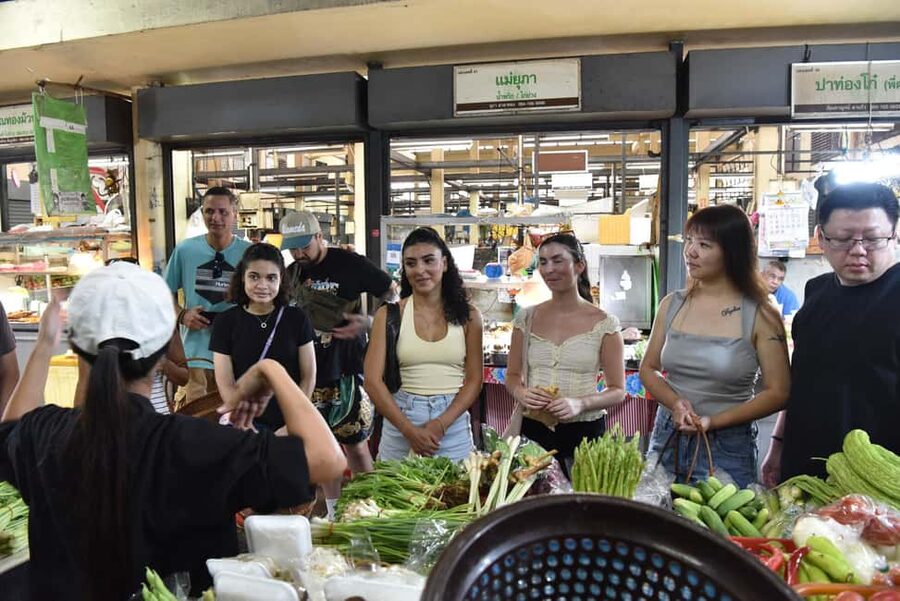
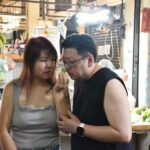
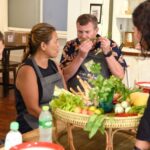
Suan Phlu is the kind of Bangkok neighborhood where food starts with real ingredients. The class meets near Suan Phlu Market, and your guide takes you into the market area so you can pick what goes into your meal. This matters because Thai cooking is ingredient-driven: the quality of herbs, the right type of chili, and fresh aromatics show up in the finished taste.
You’ll learn what to look for while you’re choosing. Expect guidance on vegetables, rice, herbs, and spices, plus how those choices connect to the dishes you’ll cook later. Even if you’re not trying to become a Thai-food nerd, this part helps you understand the logic behind the flavors.
Also, you don’t have to worry about the experience being too formal. Based on how the classes feel in practice, the market tour and cooking time tend to be hands-on and social, with lots of room to ask questions while you shop.
You can also read our reviews of more tours and experiences in Bangkok.
Entering The Cooking School Near Sathon (And Getting Set Up)
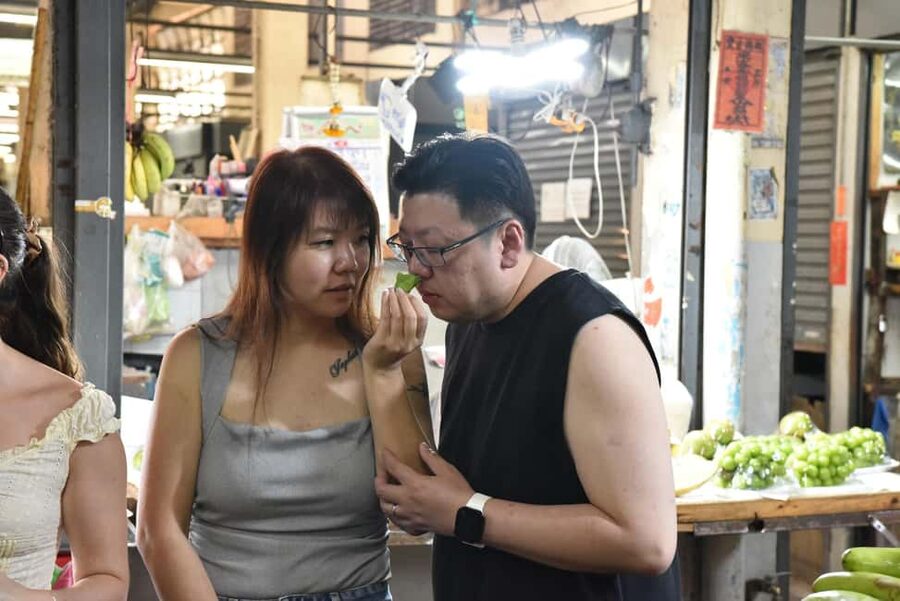
After the market stop, you move to the school area in Suan Phlu, Sathon (near Silom). The meeting point is easy to find if you search the address: 33, Thanon Suan Phlu, behind Suan Phlu Market, Thung Maha Mek, Sathon Bangkok 10120. From there, you’re set up with what you need to cook: ingredients, equipment, and a personal locker for your stuff.
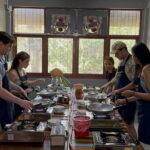
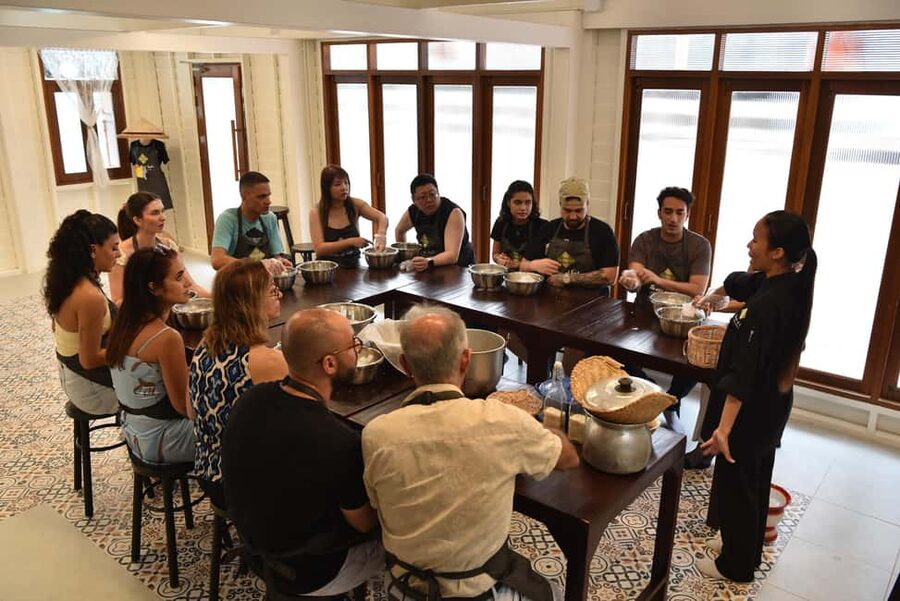
You’ll spend about 210 minutes total. That’s a good length for learning technique without dragging on so long that your kitchen stamina disappears. You’ll work in a small group setup, and you’ll cook multiple dishes as a team, not just one plate.
If you’re planning transport, there are several nearby options: BTS Saint Louise (Exit 1), BTS Chongnonsi (Exit 2), BTS Sala Daeng (Exit 2), MRT Lumphini (Exit 2), and MRT Silom (Exit 2). You can take a taxi or motorcycle to the school if you want to keep it simple.
Making Coconut Milk and Curry Paste From Scratch
This is the part that separates a good cooking class from a fun one. You won’t just learn the names of curry ingredients. You’ll make fresh coconut milk and curry paste from scratch as part of the experience.
Coconut milk is one of those ingredients that can taste flat when it’s processed badly. When you make it yourself, you get a feel for texture and aroma, and you understand why Thai curries taste round and fragrant instead of heavy. Curry paste is the flavor engine. When you grind and combine the aromatics, you can actually taste the differences as you build the base.
From the reviews, the instruction approach helps. People liked that Pitch explains clearly and keeps things moving, with enough humor to keep you relaxed. That matters because curry paste prep can sound intimidating until someone breaks it down into manageable steps.
You’ll also learn about the role of herbs, spices, and vegetables in the cooking process. It’s not only about following directions. It’s about seeing how the Thai flavor system works: sour, salty, sweet, spicy, and aromatic all have jobs to do.
Your Four-Dish Cooking Sprint (Plus What Each Dish Teaches)
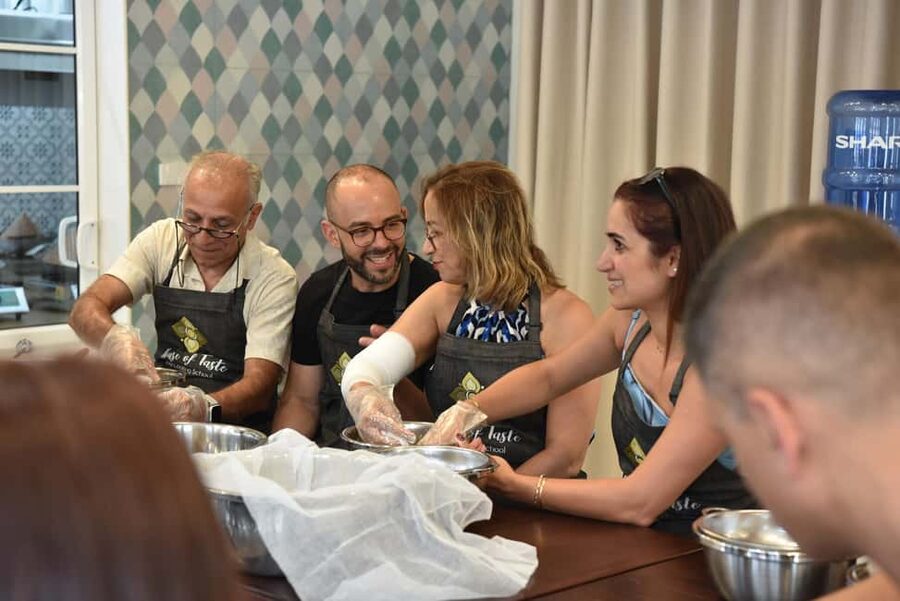
The goal is simple: cook four authentic Thai dishes, eat them while they’re hot, and understand what makes each one taste like it belongs in Thailand. Your menu changes depending on the day, but one thing stays consistent: mango sticky rice is included every day.
Here’s the day-by-day lineup:
- Monday: Thai Papaya Salad (Som Tum), Stir-Fried Noodles with Shrimp (Pad Thai), Green Curry with Chicken, Mango Sticky Rice
- Tuesday: Spicy Coconut Soup with Chicken (Tom Kha Gai), Stir-Fried Thai Basil Chicken (Pad Krapow Gai), Red Curry with Chicken, Mango Sticky Rice
- Wednesday: Hot and Sour Soup with Shrimp (Tom Yum Goong), Stir-Fried Flat Rice Noodles with Chicken (Pad See Ew), Green Curry with Chicken, Mango Sticky Rice
- Thursday: Spicy Minced Chicken Salad (Larb Gai), Stir-Fried Noodles with Shrimp (Pad Thai), Panang Curry with Chicken, Mango Sticky Rice
- Friday: Thai Papaya Salad (Som Tum), Stir-Fried Thai Basil Chicken (Pad Krapow Gai), Red Curry with Chicken, Mango Sticky Rice
- Saturday: Spicy Coconut Soup with Chicken (Tom Kha Gai), Stir-Fried Noodles with Shrimp (Pad Thai), Green Curry with Chicken, Mango Sticky Rice
- Sunday: Hot and Sour Soup with Shrimp (Tom Yum Goong), Stir-Fried Flat Rice Noodles with Chicken (Pad See Ew), Panang Curry with Chicken, Mango Sticky Rice
What I’d watch for as you cook each dish
Even without getting too technical, you’ll notice patterns.
Papaya salad (Som Tum) teaches balance—crunchy, salty-sour, and spicy at the same time. It’s a great dish to learn because the flavor doesn’t hide behind sauce; it’s all front and center.
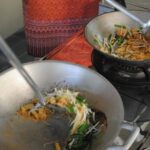
Stir-fried noodles show you how Thai kitchens manage timing. Pad Thai and Pad See Ew have different textures and sauces, so you’ll see how choosing the right noodle and cooking it correctly changes everything.
Curries (Green, Red, Panang) teach curry base control. Since curry paste is made from scratch during the class, you’re able to connect what you did in the prep stage to the final curry flavor. That connection is exactly what makes home cooking more likely to succeed later.
Tom Kha Gai and Tom Yum Goong give you the “Thai soup” language: coconut creaminess versus sharp sour heat. Reviews specifically called the soup among the best parts, which makes sense—soup is where aromatics and acid show up fast.
Pad Krapow Gai and Larb Gai are both about bold flavor and herb power. Pad Krapow’s Thai basil punch is easy to recognize, while Larb’s spicy minced-meat style trains you to appreciate seasoning beyond salt and chili.
Across all four dishes, you’re also learning the practical side: how to work efficiently in a kitchen, how to coordinate prep and cooking, and how to keep food tasting fresh even when you’re cooking multiple dishes back-to-back.

Eating What You Cook: Four Courses, Hot and Fresh
The meal portion is built into the lesson. Instead of cooking and then waiting, you cook and eat the dishes while they’re hot and freshly made. That changes the learning experience because you taste the results while the flavors are at their best.
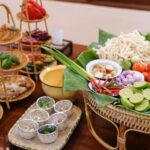
You’ll also understand portion logic. Four dishes isn’t random. It’s a teaching set: salad or soup for brightness, noodles for texture, curry for depth, and mango sticky rice for sweetness. Even if you only plan to use a couple of recipes at home, you still get a bigger picture of Thai cooking style.
If you’re the type who learns best by eating your results, this format is perfect. It’s also a nice social element, since small-group classes tend to feel relaxed while you share food around the table.
Mango Sticky Rice: The Sweet Finish You’ll Want to Recreate
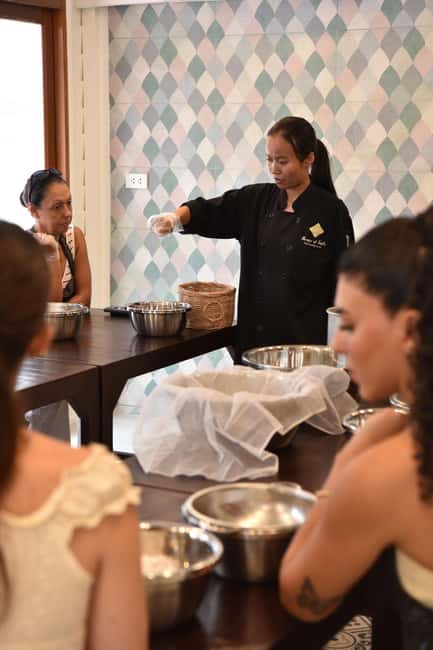
Mango sticky rice is included as the dessert every single day. That’s a simple detail, but it’s also why the class ends on a confident note: you’re going from savory, spicy, and fragrant to sweet and comforting without losing the Thai flavor vibe.
When people talk about why this class is worth it, dessert isn’t the only reason. Still, mango sticky rice is one of the first dishes you’ll think about again after the class because it’s the most memorable home-cook test. You’ll get standard recipes, so you can compare what you made with what you remember tasting in Thailand.
If you’re sensitive to coconut flavors or don’t like sticky rice textures, factor this into your decision. But if mango sticky rice is a favorite, you’ll appreciate that it’s part of every menu.
Pricing and Value: What $45 Really Gets You
At $45 per person for about 210 minutes, the value is strongest in two places: the amount of cooking and the amount of instruction. Many food experiences charge a similar amount for a meal or a short demo. Here, you’re shopping for ingredients, preparing core elements like curry paste and coconut milk, then cooking multiple dishes and eating them right away.
You also get practical extras that help you repeat the food at home:
- standard recipes (free of charge)
- all ingredients and cooking equipment
- four-course meal
- drinking water
- a personal locker
Alcohol isn’t included (it’s available for purchase), which keeps the price focused on food and learning. In plain terms: you’re paying for time in a working kitchen plus the ingredient guidance that makes the dishes taste right.
If you want a Thai cooking experience that leaves you with both skills and recipes, this one offers a lot per dollar.
Instructor Pitch and the Cosy Small-Group Feel
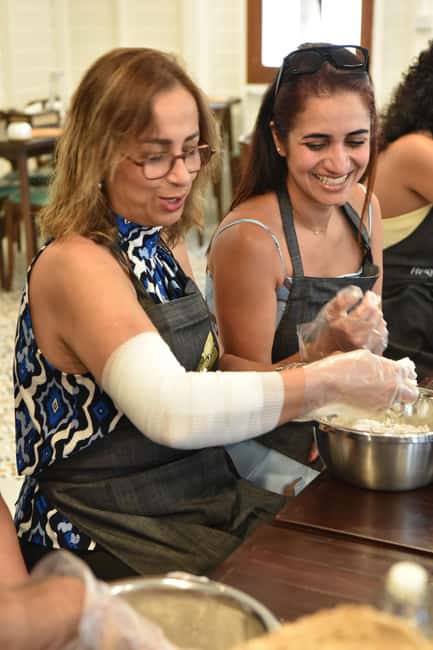
From the reviews, one name comes up again and again: Pitch. People liked that Pitch speaks English and Thai, explains in a way that feels manageable, and keeps the mood light with humor. That matters because Thai cooking often depends on technique. When the instructor is clear, you don’t feel lost, and you actually finish the dishes you started.
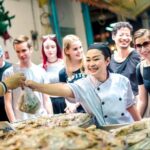
The group size shows up in the atmosphere too. The class is described as cosy and small-group friendly, which usually means better attention and more chances to ask questions. If you’ve ever taken a cooking class where you’re one of twenty people and you can barely see the cutting board, this style is a relief.
Dietary Needs and Substitutions (What You Can Expect)
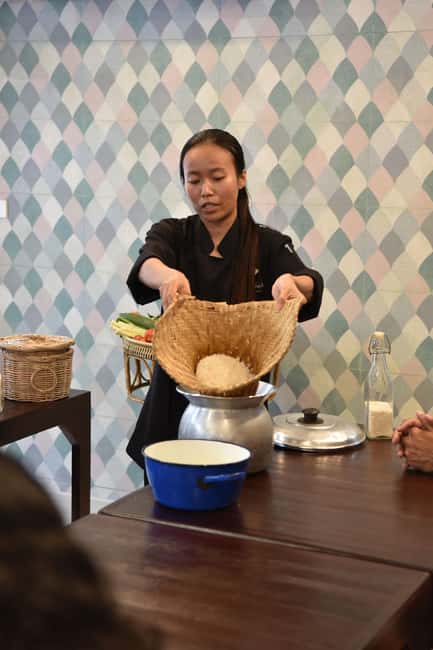
If you have dietary preferences or restrictions, the class states they can accommodate you. Suitable substitutes can be provided for vegetarian, halal, kosher, and allergy-sensitive guests.
This is the kind of detail worth paying attention to when you’re planning food around allergies or specific diets. Since the class includes four dishes, it’s not a tiny side dish adjustment. But the offering is built to support replacements where needed.
If you’re bringing an allergy, be upfront when you book so the kitchen can plan correctly.
Getting There: BTS/MRT Options and the Easiest Approach
The location is in Suan Phlu, Sathon near Silom. The easiest plan is to use the transit that brings you close, then grab a short taxi or motorcycle ride to the school.
Closest listed stops:
- BTS Saint Louise Exit 1
- BTS Chongnonsi Exit 2
- BTS Sala Daeng Exit 2
- MRT Lumphini Exit 2
- MRT Silom Exit 2
If you’re arriving from central Bangkok and want minimal hassle, this keeps you from getting stuck trying to navigate smaller streets while carrying hunger and a tote bag of ingredients-to-be.
Who Should Book This Thai Cooking Class
I think this works best for three types of people:
You want real cooking skills, not just a tasting. Making coconut milk and curry paste from scratch gives you tangible technique, not just memories.
You like structured learning with a fun atmosphere. The schedule and day-specific menu mean you can choose what you’re most interested in, whether that’s soup (Tom Yum Goong or Tom Kha Gai) or curries (Green, Red, or Panang).
You prefer social, smaller-group interaction. Reviews highlight chatting and a cosy feel, which is exactly what makes cooking classes enjoyable instead of stressful.
If you’re traveling with kids or want a party-style night out, this isn’t that. This is a hands-on food lesson first, social time second. You’ll leave fed, but also trained.
Should You Book Sathon: Hands-on Thai Cooking Class & Market Tour?
If your goal is to go beyond tourist Thai food and learn how Thai dishes are built, I’d book it. The market tour makes the ingredient choices meaningful, and the cooking time is long enough to feel like you actually did the work. The best part is the connection: you shop, you make curry paste, you taste the dishes while they’re hot, and you get recipes to take home.
The only strong “pause” reason is mango sticky rice and coconut-heavy dishes: mango sticky rice is included every day, and coconut milk is part of the core curriculum. If those ingredients aren’t your thing, look closely at whether you can enjoy the sweet finish and coconut-based flavors.
Otherwise, this is a solid value buy for a full Thai cooking session in Bangkok, anchored by a real local market and instruction from Pitch.
FAQ
FAQ
How long is the class?
The experience runs for about 210 minutes.
What does the price include?
The price includes a four-course meal, drinking water, all ingredients and cooking equipment, a personal locker, and standard recipes. A market tour is also included in every class.
Where do I meet for the Sathon class?
Meet at 33, Thanon Suan Phlu, behind Suan Phlu Market, Thung Maha Mek, Sathon Bangkok 10120 and search that address in your map app.
Is the market tour included?
Yes. A market tour is included in every class, with morning, afternoon, and evening options.
What dishes do you cook?
You cook four dishes per day. The menu changes by day of the week, and mango sticky rice is included in the meal every day.
Can dietary restrictions be accommodated?
The class can accommodate dietary preferences and restrictions by providing suitable substitute ingredients for vegetarian, halal, kosher, and allergy-sensitive guests.
Is alcohol included?
No. Alcoholic drinks are available for purchase, but they are not included in the class price.