REVIEW · WARSAW
Warsaw’s No 1 cooking class-Polish dumplings with liqueur tasting
Book on Viator →Operated by Maria Oskroba · Bookable on Viator
Learning pierogi feels like magic you can repeat. This small Warsaw cooking class teaches you how to shape Polish dumplings, then you sit down to eat what you made, with Polish liqueur tasting included. It’s built to be practical, not a museum-style food lecture.
I love that you don’t just watch. You get guided through kneading and rolling dough, then you learn folding techniques and cooking steps before the group eats family-style. I also like the size: with a maximum of 10 people, it stays friendly and hands-on, not crowded and chaotic.
One consideration: the room can run hot, so wear something breathable. And if you’re traveling with younger kids, note it’s not suitable for children under 8.
In This Review
- Key takeaways before you go
- Pierogi at Pierogi & More: what the 2 hours feel like
- Start with pierogi origins, then get your hands into dough
- Meat and vegetarian fillings: how the class lets you customize
- Folding techniques and taste hacks that actually help
- Cooking and eating: boiling demo, family-style dinner, and the wow factor
- The Polish liqueur tasting: a playful finish, not a hard sell
- Meeting point near Stawki 3: easy to reach, walkable from central areas
- What you’ll learn (and what you can take home)
- Who this class is best for (and who should skip it)
- Price and value: is $77.97 fair for pierogi plus liqueur?
- Should you book this Warsaw pierogi cooking class?
- FAQ
- How long is the Warsaw pierogi cooking class?
- Where does the class meet in Warsaw?
- What’s the price per person?
- Is the class offered in English?
- Do they offer vegetarian or vegan pierogi?
- What’s included besides cooking?
- What’s the group size limit?
- Is it suitable for kids?
- Will I need a paper ticket?
- If I need to cancel, what happens?
Key takeaways before you go
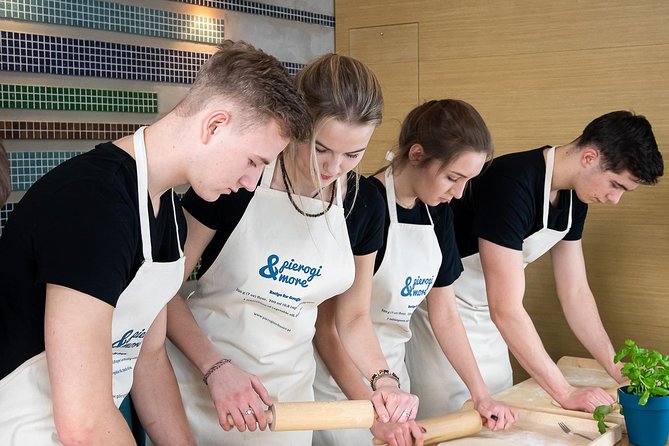
- You’ll make pierogi and eat them right after cooking
- Small groups (max 10) mean real coaching at the stations
- Meat and vegetarian fillings, plus vegan on request
- Folding techniques and flavor hacks are part of the lesson, not just dough work
- Polish liqueur tasting wraps up the meal with a fun finish
Pierogi at Pierogi & More: what the 2 hours feel like
Warsaw’s pierogi tradition is one of those foods that looks simple until you try it. This class at Pierogi & More turns that challenge into something you can actually learn in one evening. The whole experience runs about 2 hours, and it’s offered in English, so you’re not stuck translating cooking steps in your head.
The vibe is casual and focused. You’ll work at stations, get instruction, then cook and eat as a group. In practice, that means you’re not doing a scavenger hunt for information—you’re doing dumplings.
You’ll also get a mobile ticket, and the meeting spot is set at Stawki 3, near public transportation. Even better: the format is designed so singles and couples aren’t left out of the “group meal” moment.
You can also read our reviews of more tours and experiences in Warsaw.
Start with pierogi origins, then get your hands into dough
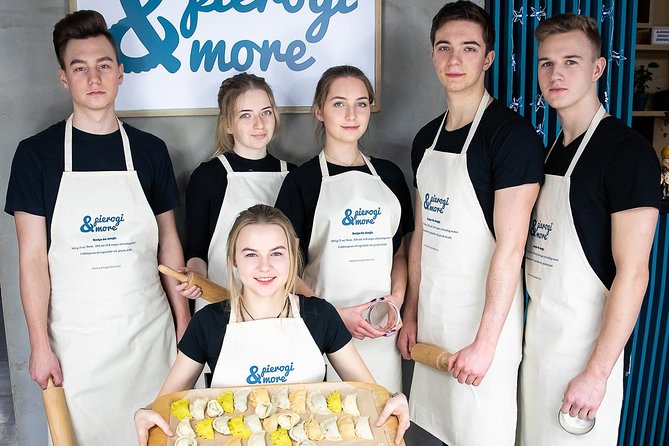
The class begins with a short introduction that includes the origins of pierogi. That matters because pierogi are more than dinner—each region and family tends to treat them like their own signature. When you understand that context, the folding and shaping feels less like a craft project and more like learning a tradition.
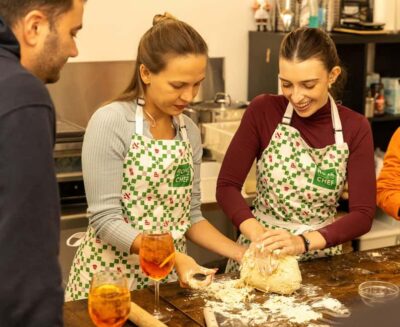
After the intro, the real work starts. You’ll learn how to knead dough and roll it out properly. This is where a lot of people get surprised, because thickness and handling change everything: too thick and the pierogi feel heavy, too thin and they can be tricky to seal.
The instructors build in small checkpoints—so you’re not left wondering if you’re doing it right. Past sessions led by hosts including Maria Oskroba, and instructors such as Daria, Patricia/Patrycya, Ben, Nina, and Zuzia, have emphasized clear pacing and steady coaching.
Meat and vegetarian fillings: how the class lets you customize
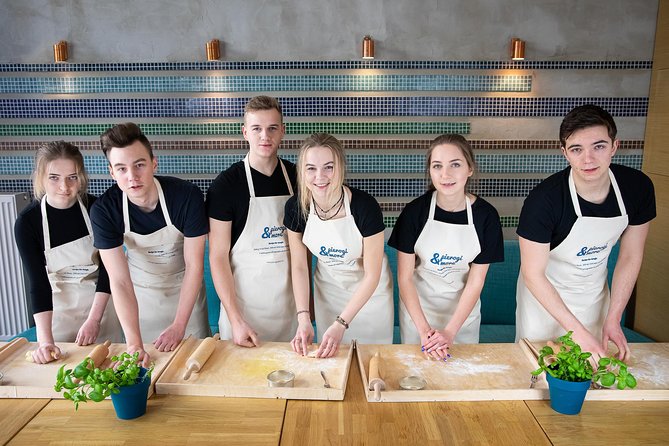
You’ll learn fillings in two main lanes: meat and vegetarian. That’s useful because pierogi are part of a whole Polish meal system—people often mix varieties rather than forcing one flavor theme.
If you request it, you can also do vegan options. The class is set up to accommodate dietary needs, and there’s even been experience with dairy allergy handling—like preparing vegan pierogi first to help prevent cross contamination, then moving to other options.
Here’s the practical point for you: if you have a dietary restriction, don’t wait until the last minute to mention it. This class is built around hands-on assembly, so the earlier they know, the better they can plan fillings and handling.
Also, your station setup means you’re not “competing” with the clock. You’re making choices, getting guided on amounts and assembly, and staying in control of your own dumplings.
Folding techniques and taste hacks that actually help
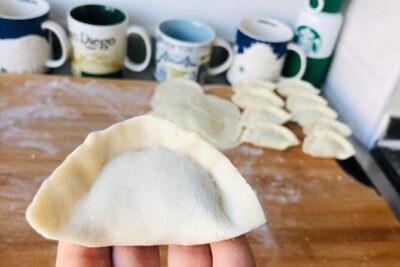
This is the part people underestimate. Pierogi aren’t just shaped; they’re sealed, and sealing affects how they hold together when cooked. In the class, you’ll learn multiple folding techniques, plus hacks the instructors use to make pierogi really tasty.
You’ll typically start by assembling dumplings, then you learn how to handle them so they don’t come apart. That includes timing and gentle pressure—things that sound obvious until you’re holding a piece of dough that wants to misbehave.
A nice feature of the way it’s taught: the instructors don’t treat folding like a one-shot exam. You get corrections and demonstrations as you go. In small groups, that support is easier to deliver, and that’s one reason the class consistently lands at a very high satisfaction level.
And yes, you’ll end up with dumplings that look hand-made. Some will be more polished than others, but that’s part of the charm. You’re not trying to impress a pastry shop—you’re learning what you can reproduce at home.
Cooking and eating: boiling demo, family-style dinner, and the wow factor
The best part is at the end, and the class knows it. After you assemble the pierogi, you’ll get a demonstration on how to prepare them. Then you’ll cook and eat what you made.
Plan to come hungry. The class is structured so the meal feels like dinner, not a token bite. When you sit down family-style, you share the table with everyone’s creations, so you taste a mix of fillings and shapes—not just one standardized plate.
One extra perk: some participants have reported getting photos and a recipe after the class. If that’s important to you, it’s worth knowing this isn’t only a one-night skill transfer—there’s an attempt to help you remember what you learned.
If you’re a bit of a perfectionist, don’t worry. You’ll likely take away the most important lessons: dough feel, filling balance, and the folding rhythm. The rest improves naturally with practice.
The Polish liqueur tasting: a playful finish, not a hard sell
This class doesn’t end when the plates are cleared. There’s a Polish liqueur tasting included, which adds a fun, local-food finishing move.
The tasting is meant to be light. One review noted a little guided game involving two liquors, which fits the overall mood: hands-on cooking, then a social tasting to cap the night. It’s also a good way to understand that Polish eating culture often treats drinks as part of the meal experience, not an afterthought.
Important practical note: you’ll taste alcohol, so if you’re planning a late night after, think about transport home. The good news is the class location is near public transportation.
Meeting point near Stawki 3: easy to reach, walkable from central areas
The class starts and ends at Pierogi & More warsztaty kulinarneStawki 3, 00-193 Warszawa. You won’t be dragged across town to a hidden industrial unit. It’s set up near public transportation, and it’s walkable from central sights for many visitors.
One small heads-up: a couple of people have noted it’s a bit northwest of the Old Town, but still easy enough to reach on foot. So if you’re staying near the center and you like evening plans that don’t require logistics, this works well.
What you’ll learn (and what you can take home)
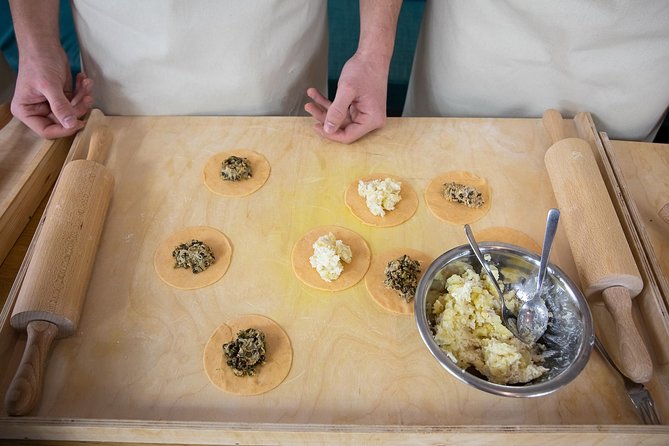
You’re not leaving with theory. You’re leaving with repeatable skills. Here’s what the lesson structure supports:
- Kneading and rolling dough until it behaves well
- Filling assembly for both meat and vegetarian versions
- Folding techniques for sealing and shaping
- Cooking know-how via a boiling prep demonstration
- Liqueur tasting as a cultural add-on
If you’ve ever struggled with homemade dumplings at home, this class is valuable because it teaches the workflow, not just the final dish. The “process” is the souvenir here.
Also, the small class size means you get chances to ask questions and fix mistakes while they’re still easy to correct.
Who this class is best for (and who should skip it)
This works especially well for:
- Couples who want a shared activity that also becomes dinner
- Solo travelers who like meeting people without forced small talk
- Food lovers who want a practical skill tied to local culture
- Anyone who prefers interactive classes over show-and-tell
It may not be ideal if:
- You’re bringing a child under 8 (this class isn’t suitable for kids under that age)
- You’re sensitive to warm rooms (some people reported it can be hot)
- You’re not comfortable with a group meal style where everyone’s food is shared across the table
Also keep in mind: the class is set for hands-on work, so it’s best if you can stay engaged for the full 2 hours.
Price and value: is $77.97 fair for pierogi plus liqueur?
At $77.97 per person for about 2 hours, you’re paying for more than ingredients. You’re paying for guided technique, a small-group setup, the meal you produce, and the included tasting.
For value, consider the “all-in” nature:
- You get coached step-by-step rather than following a recipe at home
- You make multiple dumplings and then eat them as dinner
- You don’t have to sort ingredients and timing afterward
- The liqueur tasting adds a Polish dining experience component
If you’ve done cooking classes before, you know the cheapest ones can end up feeling like a demo with a token seat at a station. This one is different because the process is the point. The max 10 traveler size also supports that value.
One timing tip: the class is often booked ahead (around a month in advance on average), so if you have a narrow travel window, plan early.
Should you book this Warsaw pierogi cooking class?
Yes, if you want a hands-on Warsaw activity that feels like dinner and not a chore. This class gives you a real takeaway skill—dough, filling, folding, and cooking—plus the social payoff of eating together. The included Polish liqueur tasting is a fun bonus that turns the meal into an evening plan, not just a class.
Skip it only if you’re traveling with a child under 8, you’re uncomfortable in warmer rooms, or you’d rather explore Warsaw with zero alcohol involved. If none of those apply, booking this is an easy “learn, eat, repeat” choice.
FAQ
How long is the Warsaw pierogi cooking class?
It runs for about 2 hours (approx.).
Where does the class meet in Warsaw?
You meet at Pierogi & More warsztaty kulinarne, Stawki 3, 00-193 Warszawa, Poland.
What’s the price per person?
The price is $77.97 per person.
Is the class offered in English?
Yes, it’s offered in English.
Do they offer vegetarian or vegan pierogi?
Yes. Vegetarian and vegan options are available on request.
What’s included besides cooking?
You’ll enjoy a tasting of Polish liqueurs included with the experience.
What’s the group size limit?
The class has a maximum of 10 travelers.
Is it suitable for kids?
It is not suitable for kids under 8 years old. If you bring a child, you need at least 1 adult to take care of the child during the class.
Will I need a paper ticket?
No. You’ll use a mobile ticket.
If I need to cancel, what happens?
Free cancellation is allowed up to 24 hours in advance for a full refund. If you cancel less than 24 hours before the start time, the amount paid won’t be refunded.