REVIEW · MILAN
Milan: Pasta and Tiramisu Cooking Class with Wine
Book on GetYourGuide →Operated by The Roman Food Tour · Bookable on GetYourGuide
Fresh pasta night beats another museum stop. This Milan class is all about hands-on cooking in a real restaurant kitchen, with Prosecco to start and wine when you sit down to eat. I love how practical it is: you learn dough basics, then you actually build the meal, not just watch.
The second thing I like a lot is the focus on dessert. You’ll get tiramisu instruction for a classic Italian result, step by step, so it feels doable even if you do not cook much at home. The staff talk you through choices and timing so the end plate feels earned.
One consideration: the group can be about 15–20 people, so if you like lots of one-on-one attention, you may have to work a little to get your exact question answered. Still, the vibe is social and the guidance stays friendly.
In This Review
- Key highlights you will feel immediately
- Prosecco welcome and the kitchen-running-real-life setup
- Your workstation: making fresh pasta dough without guesswork
- Two kinds of pasta plus sauces that taste like they mean business
- Tiramisu workshop: the classic dessert, explained clearly
- Wine with lunch or dinner: included pairing, not a side quest
- Price and what $61 really covers for 3 hours
- The fine print on dietary needs and allergies
- Group size and English instruction: how to get the most from the room
- Who should book this Milan pasta and tiramisu class
- Chef energy: learning from hosts like Chef Mimo and Damiano
- Should you book this pasta and tiramisu class in Milan?
- FAQ
- How long is the Milan pasta and tiramisu cooking class?
- What is included in the price?
- Is the instruction available in English?
- Where do we meet for the class?
- What kinds of food will I make?
- Are vegetarian options available?
- Can the class accommodate allergies or dietary preferences?
- Is this class suitable for vegans or for people with gluten or lactose intolerance?
- What is the minimum age for children?
Key highlights you will feel immediately
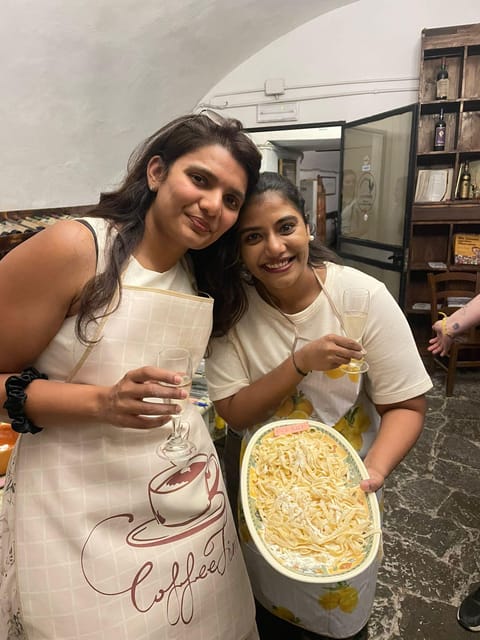
- Fresh pasta dough from scratch with guidance on the right flour and technique
- Pasta fresca vs pasta secca explained in plain terms, so you know what you are doing
- Tiramisu secrets taught as a clear process, not a mystery
- Wine included with a shared lunch or dinner at the end
- English instruction that keeps the cooking steps easy to follow
Prosecco welcome and the kitchen-running-real-life setup
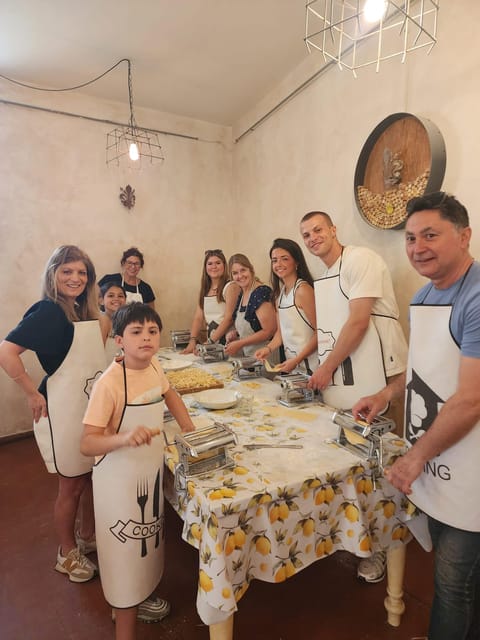
You start at the meeting point, which can vary depending on the option you booked. Then you step inside and get a welcome glass of Prosecco, the kind of small start that makes the whole evening feel like a plan, not a random cooking demo.
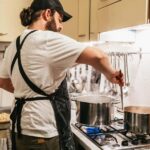
Next comes the behind-the-scenes part. You see how a local Italian restaurant actually runs, from the kitchen workflow to how food moves from prep to service. That matters because it explains the why behind the steps. Instead of learning recipes in a vacuum, you learn them in the rhythm of how Italian kitchens operate day to day.
In this setting, you also get a taste of Milanese food culture. It is not just about eating pasta. It is about making it feel normal and repeatable. That is the real value here.
You can also read our reviews of more tours and experiences in Milan.
Your workstation: making fresh pasta dough without guesswork
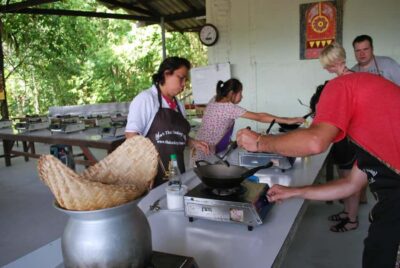
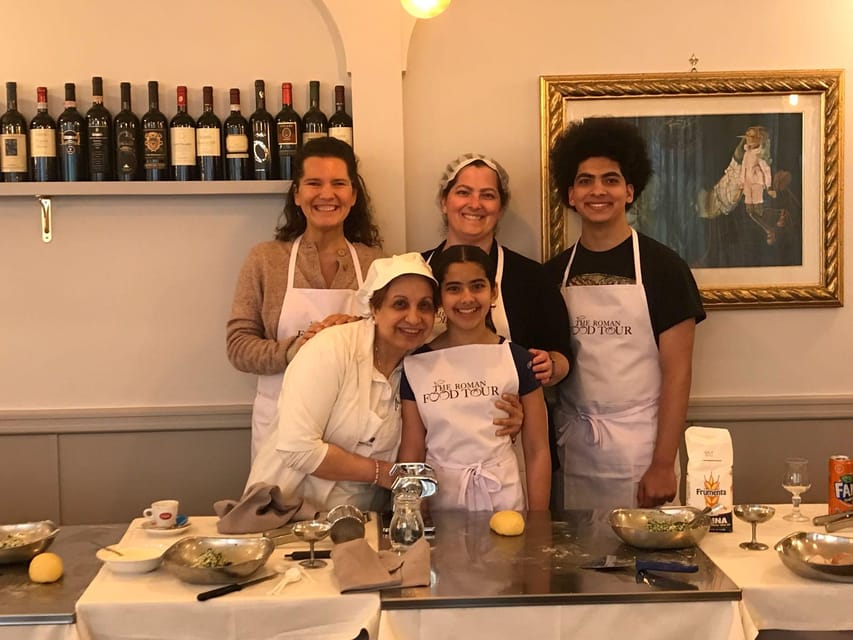
After you tie on your apron, you head into the kitchen to your own workstation. This is one of the most useful parts of the experience because it keeps you actively cooking while the class moves at a human pace.
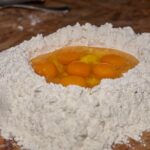
You learn how to make fresh pasta dough from scratch and get specific advice, including which type of flour to use. You also learn the difference between pasta fresca and pasta secca, which is a key Milan/Italy concept that many visitors never really understand. Pasta fresca is made with fresh dough and used soon; pasta secca is dried and behaves differently. When you know that, your future cooking makes more sense.
The staff guide you step by step on preparing the dough so it is not just a list of ingredients. You are learning texture and process. That is what helps you later if you try again at home.
A nice bonus from the way the class is run: you prepare the pasta, then the restaurant team helps finish it. One review noted that the staff cooked the pasta and added sauce before everyone ate, which means you still get the learning and you also get a great final result.
Two kinds of pasta plus sauces that taste like they mean business
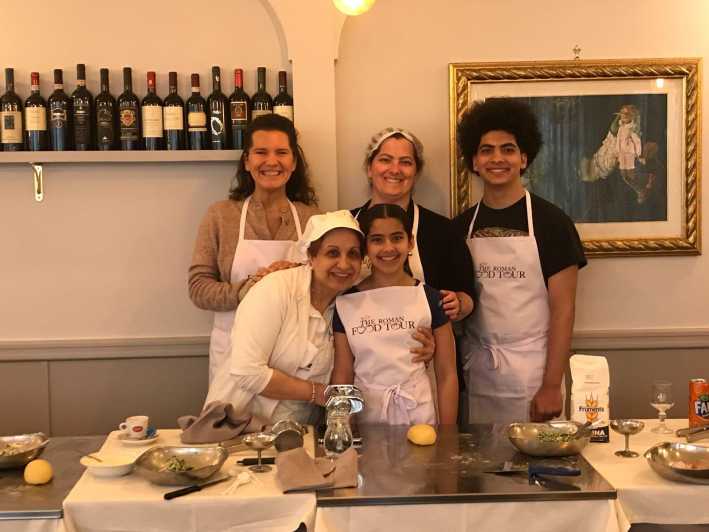
Once your dough is ready, you move on to the pasta dishes for the lesson. The class focuses on the region’s most famous pasta styles, and you end up with more than one type. One diner described making tiramisu first, then two types of pasta, and then eating what the staff cooked and sauced.
That structure is smart. It gives you a wider range of techniques without turning the evening into a marathon. You learn enough to feel confident about basic pasta-making, then you get to taste the results as a complete meal.
Also, the sauces tend to be a highlight. One review mentioned the sauces for the pasta they made were top notch. Even if you think you know what Italian pasta should taste like, tasting the finished plate in that kitchen context is different. It is a practical lesson in balance: sauce thickness, pasta bite, and how everything comes together on the fork.
If you want to recreate this at home, pay attention to the sauce consistency and how much sauce actually clings. That small detail is often where pasta success lives.
Tiramisu workshop: the classic dessert, explained clearly
Then comes tiramisu. This is where the class earns its name. You learn the secrets of Italy’s most loved dessert, and you do not just assemble it and hope.
The instruction is step by step, and you get guidance on how to prepare it properly. What I like about this part is that it shifts the focus from technique-heavy cooking to dessert workflow—mix, layer, set, and serve. For a lot of people, that feels more approachable than bread- or noodle-heavy cooking.
One review mentioned they made tiramisu first, which can be how some sessions run. Even if your order is different, expect that the tiramisu experience stays hands-on and guided, with tasting at the end.
And yes, you do sample what you prepare. You are not waiting until the very end to confirm it worked. You leave with the confidence of having eaten the thing you made.
Wine with lunch or dinner: included pairing, not a side quest
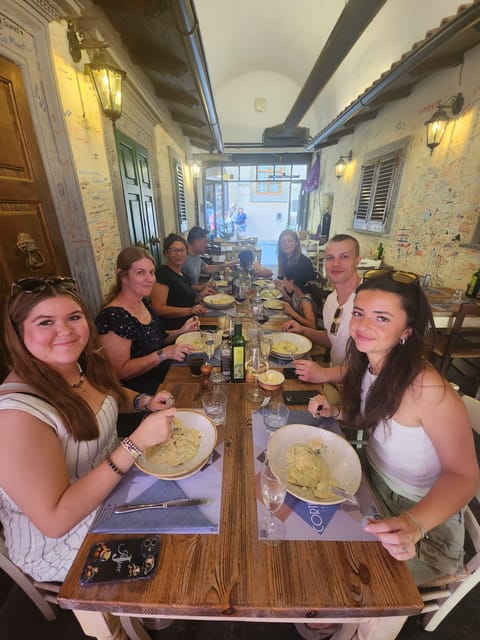
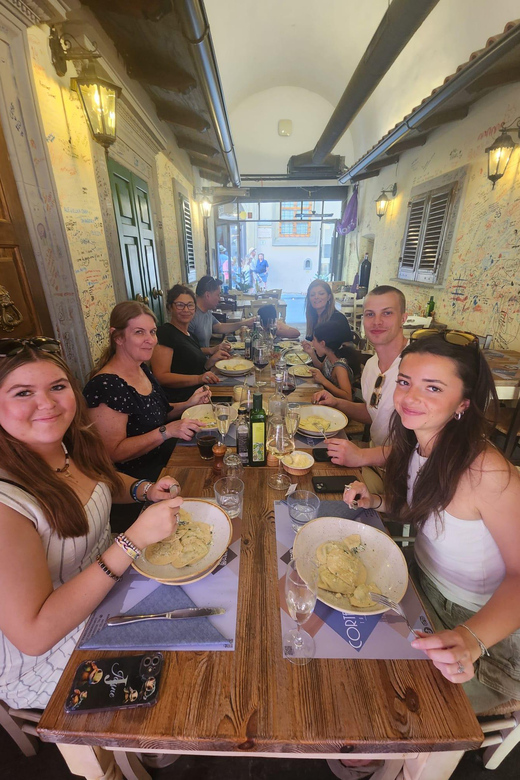
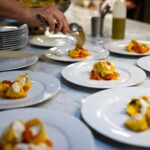
At the end, you all sit down together for lunch or dinner while sipping wine. The wine is included, and the class frames it as pairing perfectly with what you cooked.
This is a big part of why the class feels like value. You are not paying only for ingredients and instruction—you also get a full meal experience. After you spend time making pasta and dessert, the shared table moment turns the lesson into a real night out.
In Milan, it is easy to bounce from one sight to the next. This class breaks that cycle. You get to focus on food, learn in the kitchen, then relax at the table with wine and the results.

Price and what $61 really covers for 3 hours
The price is $61 per person for about 3 hours. For that, you get a chef, fresh pasta, tiramisu, and fine wine, plus English instruction.
That package is usually where cooking classes separate from overpriced meals. Here, you are paying for more than food. You are paying for the guidance—flour choice, process, the difference between pasta fresca and pasta secca, and dessert technique—then you eat what you make.
If you have ever tried to learn pasta from a book or a video, you know how quickly it turns into trial-and-error. Having step-by-step support in the kitchen is the part that saves time and frustration. Even if you do not become a pasta regular after one class, you will likely leave with enough clarity to cook better next time.
And because it lasts 3 hours, it works as a meaningful chunk of your day in Milan without swallowing your entire evening.
The fine print on dietary needs and allergies
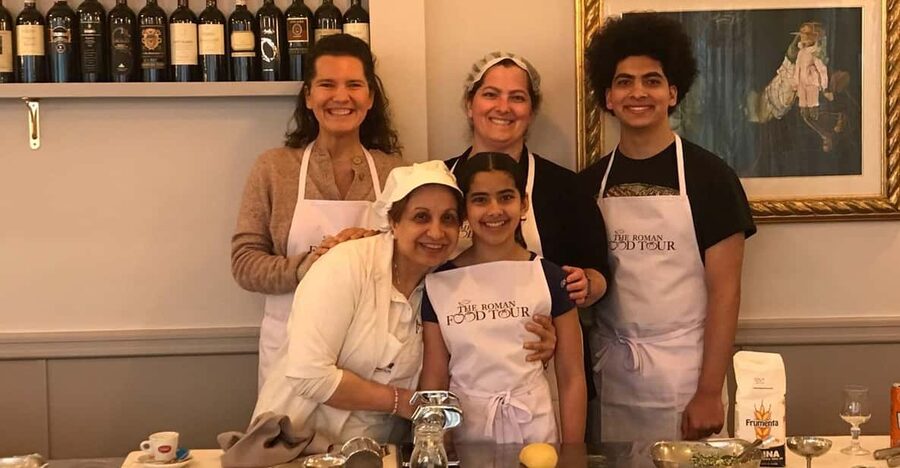
This is the part you should plan around before you go.
The class notes dietary options are available, including vegetarian options on request. But it also lists some limitations: it is not suitable for vegans, and it flags people with gluten intolerance and lactose intolerance as not suitable.
On allergies, the guidance is direct: substitutes may be offered for allergies or food preferences, but the instructions always focus on the traditional recipe, which contains gluten, dairy, and eggs. It also says they cannot guarantee 100% free of cross contamination.
So here is the practical way to handle it: if you have allergies or strict dietary needs, tell the activity provider when booking and ask about your specific situation. Do not assume a substitute automatically makes it safe for you.
If you are vegetarian and can eat dairy and eggs, you will likely have an easier time. If you are vegan or avoiding gluten or lactose, this may not be the right match.
Group size and English instruction: how to get the most from the room
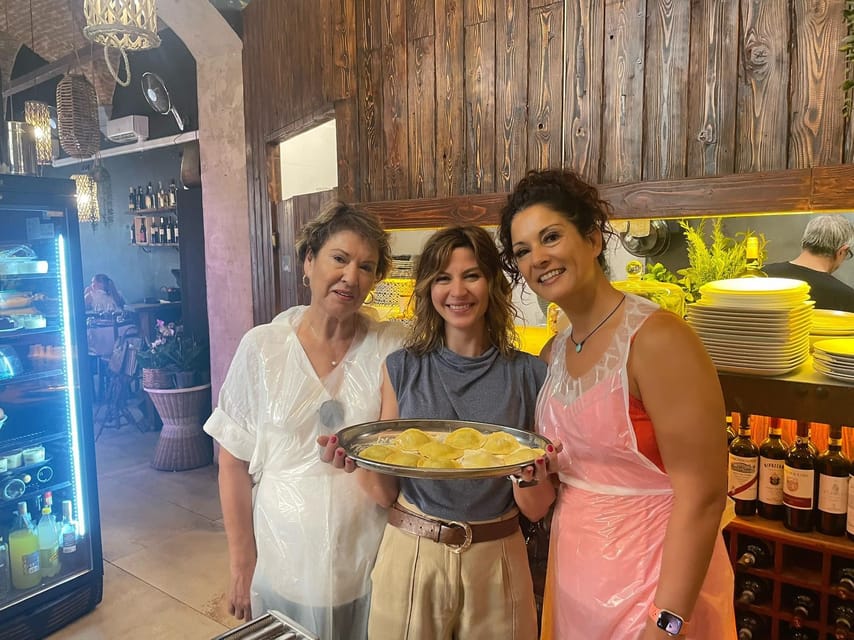
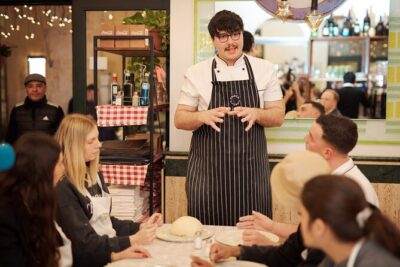
The instruction is in English, which keeps the cooking steps clear. One review mentioned the class was about 15–20 people and said it was tougher to ask questions or get details compared with smaller cooking classes.
That lines up with what I would watch for. With a larger group, the instructor may give general guidance and keep things moving. You still get to work at a workstation, but one-on-one coaching is not guaranteed.
My advice: have your main questions ready before the critical step. If the class covers flour choice or dough consistency, ask while that topic is active. If you wait until later, the pace may not make it easy.
The hosts can still be welcoming and good at explaining things, and reviews mention that too. Just go in knowing the format: guided cooking in a shared kitchen.
Who should book this Milan pasta and tiramisu class
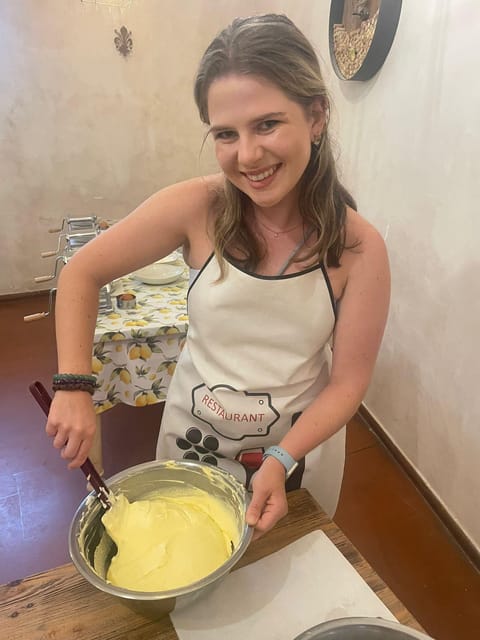
This experience is a great fit if you want a break from sightseeing and prefer learning by doing. I especially think it works well for people who love Italian food but feel unsure about cooking. One review described how taking the class made cooking fun again and led them to try again at home.
It is also a solid social option. Several reviews highlighted the social side and the enjoyment of doing it with friends.
Who might skip it: anyone who needs vegan food, gluten-free, or lactose-free, since the activity lists those as not suitable. Also, if you are traveling with very young kids, note the age guidance: it is not suitable for children under 3 years and babies under 1 year.
Chef energy: learning from hosts like Chef Mimo and Damiano
You are likely to meet talented hosts during the session. Reviews specifically call out Chef Mimo as amazing, and another review mentions Damiano with high praise.
Even without knowing who you will get, the consistent theme is clear: the energy in the kitchen stays friendly, and the explanation style works. That matters, because pasta dough can feel intimidating if you walk in expecting perfection. Here, the tone helps you focus on the steps that actually affect the outcome.
Should you book this pasta and tiramisu class in Milan?
Yes, book it if you want one memorable Milan night where you eat what you make. For the price, you are getting hands-on fresh pasta instruction, a full tiramisu dessert lesson, and a shared meal with Prosecco and wine.
It is also a smart choice if you want an English-taught activity that feels grounded in real local kitchen rhythm, not just a staged cooking show. If you are vegetarian, you should be in good shape—just request your needs.
Hold off or double-check your needs if you are vegan or avoiding gluten or lactose, since the class lists those as not suitable and notes that traditional recipes contain gluten, dairy, and eggs with no guarantee of cross-contamination safety.
If you want flexibility, the booking options include free cancellation up to 24 hours in advance and a reserve now & pay later option.
FAQ
How long is the Milan pasta and tiramisu cooking class?
The class runs for 3 hours.
What is included in the price?
You get a chef, fresh pasta, tiramisu, and fine wine. You also receive a welcome glass of Prosecco on arrival.
Is the instruction available in English?
Yes. The instructor teaches in English.
Where do we meet for the class?
The meeting point may vary depending on the option you booked.
What kinds of food will I make?
You will learn fresh pasta from scratch and prepare tiramisu. Dietary versions are handled based on availability and your requests.
Are vegetarian options available?
Yes. Vegetarian options are available upon request.
Can the class accommodate allergies or dietary preferences?
The class offers substitutes for allergies or food preferences, but the instructions still focus on the traditional recipe that contains gluten, dairy, and eggs. They also cannot guarantee 100% free of cross contamination.
Is this class suitable for vegans or for people with gluten or lactose intolerance?
The class lists vegans, people with gluten intolerance, and people with lactose intolerance as not suitable.
What is the minimum age for children?
It is not suitable for children under 3 years, and it also lists babies under 1 year as not suitable.