REVIEW · LUSAKA
Zambian Food Cooking Class in Lusaka
Book on Viator →Operated by Clare Malata · Bookable on Viator
Zambian food cooking in Lusaka is hands-on learning, not just eating. You’ll make classic dishes like nshima with kalembla and other sides using typical ingredients and utensils, then sit down for the meal you cooked. It’s a simple idea with big payoff: you leave knowing what to buy, how to cook, and what tastes right.
What I like most is the private lesson format—no strangers joining your group. The other big win is that all food is included, so you’re not doing mental math while you’re hungry. One thing to consider: the experience needs good weather, so you should stay flexible if conditions don’t cooperate.
In This Review
- Key highlights worth your attention
- Entering a Lusaka kitchen with purpose
- The 3-hour flow: from prep work to a plate you cooked
- 1) Meet up and get oriented
- 2) Hands-on cooking starts with nshima
- 3) Build out the plate with sides and greens
- 4) Enjoy lunch together
- What you’ll cook: nshima, kalembla, chibwabwa, and more
- A bonus sampling moment
- Tools, utensils, and the techniques you can repeat
- Pickup, mobile ticket, and Lusaka timing that stays sane
- Pickup offered (if you want it)
- Near public transportation
- Mobile ticket
- Self-catering flexibility
- Price and value: is $78 worth it?
- Who should book this cooking class
- Weather and comfort: plan for a smooth afternoon
- Should you book this Zambian cooking class in Lusaka?
- FAQ
- How long is the Lusaka Zambian food cooking class?
- What does the $78 per person price include?
- Is this a private lesson or will I share with other people?
- Is pickup available?
- Can the class be done at my self-catering accommodation?
- What if the weather is bad?
Key highlights worth your attention
- Private lesson in Lusaka: only your group participates, so questions are easy and cooking is unrushed
- Learn staple plus sides: start with nshima and build out with leafy greens and other Zambian favorites
- Traditional ingredients and utensils: you’re not just following steps, you’re learning the basic method
- Lunch is part of it: you cook and then enjoy your meal together with your tutor
- Pickup available: get to the class without adding transport stress to your day
Entering a Lusaka kitchen with purpose
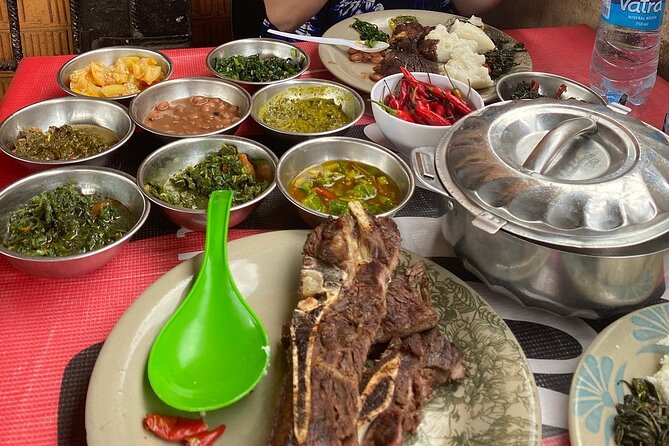
Food classes can be hit or miss. Some feel like a demo where you hover in the corner. This one feels more like you’re stepping into a real home-cooking rhythm—measure, stir, taste, adjust. In about three hours, you get a clear picture of how Zambian flavors come together, from maize-meal staples to leafy vegetables.
The setting is designed for interaction. Participation is encouraged, and questions are welcome. That matters because Zambian cooking is often about feel: thickness, balance, and salt levels. You’ll get those answers in real time, not from a vague recipe you have to guess at later.
And since it’s run as a private lesson with Clare Malata, the pace can match your comfort level. If you want to ask lots of questions, you can. If you just want to learn by doing, you can. Either way, the goal stays the same: leave with practical cooking knowledge you can actually use.
The 3-hour flow: from prep work to a plate you cooked
The timing is straightforward: plan on about 3 hours for the full experience. In that window, you’ll cover the staple, the sides, and the lunch meal.
Here’s the way the flow typically makes sense:
1) Meet up and get oriented
You can have pickup offered, which is a real help in Lusaka when you don’t want to juggle directions before you eat. You’ll meet your tutor and get a feel for the ingredients and the cooking approach before you start.
If you prefer the class at your own place, you can request that too. The tutor is happy to come to your self-catering accommodations if you ask.
2) Hands-on cooking starts with nshima
The class focuses on traditional home cooking, so the meal doesn’t start with something fancy. It starts with the staple—nshima, the maize-meal porridge that anchors a lot of Zambian meals.
This is where you learn the key skill: how to move from dry ingredients to the right texture. Getting nshima right is about consistency, and it’s also about timing—stirring until it thickens and then holding it steady.
3) Build out the plate with sides and greens
While nshima cooks, you’ll work on complementary dishes. The class includes vegetables like chibwabwa (pumpkin leaves) and kalembla (sweet potato leaves). Depending on what’s taught in your session, you may also cook options such as okra and ifisashi as part of the sides.
You’re learning how these greens are prepared and how they behave in a pot—how they soften, how flavors develop, and how they pair with the maize base.
4) Enjoy lunch together
Once the cooking is done, you’ll sit down and eat the meal you prepared. The meal isn’t an afterthought. It’s part of the teaching—taste, compare, and get feedback from your tutor while everything is fresh.
Then your tutor will leave you to enjoy your delicious Zambian meal. That’s important if you like a calm finish instead of a constant stream of questions or forced photos.
What you’ll cook: nshima, kalembla, chibwabwa, and more
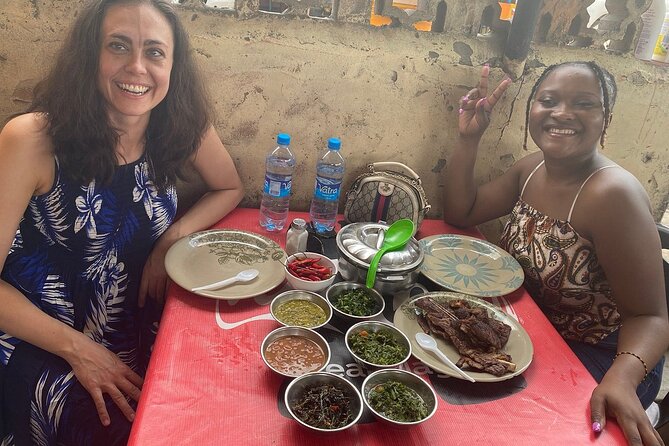
The headline dishes are clear. You’ll cook popular local foods and learn typical ingredient use in Zambian home cooking.
From the information provided, here are the dishes and ingredients that are specifically called out:
- Nshima (maize-meal porridge)
- Kalembla (sweet potato leaves)
- Chibwabwa (pumpkin leaves)
- Chicken and roasted groundnuts
- Cassava
That gives you a useful spread of textures and flavors: a starchy base, leafy greens, a protein element, and sides that can be both filling and comforting.
If your goal is to bring back a “realistic menu” to cook at home, this pairing matters. You’ll understand how to combine maize staples with vegetables, and how to balance a plate so it’s not just one flavor at a time.
A bonus sampling moment
One detail that’s especially nice in practice is that Clare has been known to bring extra local dishes for tasting beyond the core items. That can help you sample more than you expected without turning the class into a full-on food crawl. If you want variety, this is the kind of session where you can come hungry and leave with ideas.
Tools, utensils, and the techniques you can repeat
What makes a cooking class valuable isn’t just the list of foods. It’s the method behind them—how you approach the ingredients.
This class leans into typical Zambian home cooking: traditional utensils and familiar ingredients. That’s a practical detail. If you’re trying to recreate the meal later, you’ll want to know what part of the technique matters most: texture cues, cooking order, and how greens are handled.
Even if you don’t have the exact same tools at home, learning the technique is what lets you adapt. For example:
- If your greens cook down quickly, you learn that timing matters and you don’t treat them like frozen vegetables.
- If nshima thickens to a specific consistency, you learn not to rush or under-stir.
- If roasted groundnuts add nutty depth, you learn where they fit in the flavor story.
And because the lesson is private, you’re more likely to get those “why” answers instead of only following step-by-step instructions. That’s also where questions help. If you’re unsure about thickness, seasoning, or substitutions, ask during the lesson, not after.
Pickup, mobile ticket, and Lusaka timing that stays sane
Lusaka can be easy or stressful depending on your plan. This class tries to keep the stress low.
Pickup offered (if you want it)
Pickup can help you arrive without worrying about how to get there on time—especially if you’re fitting the class into a busy day of sightseeing.
Near public transportation
The class location is noted as being near public transportation. That gives you flexibility if you’d rather go on your own.
Mobile ticket
You’ll receive a mobile ticket, and confirmation comes at booking time. In real life, that means less time chasing details and more time getting ready.
Self-catering flexibility
You can request the lesson in your own accommodation. For some people, that’s the best option because it removes travel friction and lets you settle into the day at your own pace.
Price and value: is $78 worth it?
At $78 per person, the price lands in a straightforward mid-range for a private cooking class. The key is what’s included.
Here’s the value equation that matters:
- Private lesson with only your group
- All food is included
- 3 hours of hands-on learning
- Lunch is part of the experience
- A tutor-led meal finish, with you leaving with cooking knowledge
If you compare this to buying ingredients and trying to copy Zambian dishes from a recipe, you’re paying for time, instruction, and ingredient guidance. Plus, you’re not guessing about texture and timing when you’re cooking under pressure at home.
Also, the booking pattern is pretty telling: it’s often booked around 23 days in advance on average. That suggests demand from visitors who want a planned, structured activity that doesn’t depend on luck.
Bottom line: $78 feels fair when you treat it like both a meal and a skill-building session. It’s less about buying food, more about learning how to make it.
Who should book this cooking class
This is a good fit if you like learning through doing and you want more than a plate of food. It’s especially ideal for:
- Foodie travelers who want to cook, not just sample
- People who enjoy hands-on classes and want to ask questions
- Anyone trying to understand Zambian staples and leafy greens in practical terms
- Small groups who want privacy and a relaxed pace
It might be less ideal if you’re looking for a long walking or sightseeing-heavy program. This is a kitchen-focused experience. The value is in cooking and eating, not in covering lots of sights.
Weather and comfort: plan for a smooth afternoon
The experience requires good weather. That doesn’t mean you should panic. It does mean you should build the class into a part of your schedule where you can swap it if needed.
The session is designed to be interactive and welcoming, and it’s set up so most people can participate. That’s good to know if you’re not sure how hands-on you’ll feel.
If you’re the type who likes to control your comfort, you’ll appreciate the option to have the class in your accommodation. Less time traveling, more time cooking.
Should you book this Zambian cooking class in Lusaka?
Yes—if you want a real cooking skill, not just a meal. The private format with Clare Malata, the inclusion of all food, and the focus on staples like nshima make it a high-value experience for anyone who eats with curiosity.
I’d book it if your goal is to leave Lusaka with a practical menu in your head: maize-meal base, leafy greens like kalembla and chibwabwa, and sides that round out the plate like chicken, roasted groundnuts, and cassava.
I’d think twice only if your schedule is so tight that a weather change would be a headache, or if you prefer sightseeing over kitchen time. Otherwise, this is one of those days where you get to learn, eat, and feel confident enough to try again later.
FAQ
How long is the Lusaka Zambian food cooking class?
It lasts about 3 hours.
What does the $78 per person price include?
The price includes all food used during the experience, and you’ll enjoy the meal you prepare.
Is this a private lesson or will I share with other people?
This is a private tour/activity. Only your group will participate.
Is pickup available?
Yes, pickup is offered.
Can the class be done at my self-catering accommodation?
Yes. Clients may request the class in the comfort of their self-catering accommodations, and the tutor can come to you.
What if the weather is bad?
The experience requires good weather. If it’s canceled due to poor weather, you’ll be offered a different date or a full refund.