REVIEW · MARRAKESH
Marrakech: Moroccan Cooking Class with Local Chef
Book on GetYourGuide →Operated by ACTIVITIES AND EVENTS · Bookable on GetYourGuide
Moroccan cooking starts with one smart errand. This 5-hour Marrakech class pairs local market shopping with a Medina riad meal, and you’ll learn the real mint tea ritual plus how Moroccan chefs build flavor. The only real drawback to plan for is tagines can take a while, so after the prep there may be a stretch of waiting time while everything finishes cooking.
I like how the experience is led by Moroccan Berber chefs such as Marouane and Abdou, in a warm, family-style setting at Riad Black Doors. You’re not just watching. You’re actively chopping, mixing, seasoning, and tasting as the dishes come together, with the guide answering questions as you go.
In This Review
- Quick highlights before you go
- Starting at Café de France, right by Jemaa el-Fnaa
- Souq shopping in Marrakech: ingredients first, rules later
- Riad Black Doors: where the cooking class actually happens
- Moroccan Mint Tea ritual: more than hot water
- The menu: starters, main course, and dessert you’ll taste for real
- The tagine timing issue (and how to handle it)
- Food tasting: turning practice into confidence
- Price and value in Marrakech: what $35 buys you
- Who should book this cooking class?
- Tips to make the experience smoother
- Should you book this Marrakech Moroccan Cooking Class?
- FAQ
- Where do I meet for the Marrakech cooking class?
- Is pickup included?
- How long is the experience?
- What languages are available for the live guide?
- Do you visit the local market every day?
- What does the experience include once you start cooking?
- Can I arrange a private cooking session?
- Is cancellation free, and can I pay later?
Quick highlights before you go
- Souq shopping outside the tourist loop with fresh ingredients for your meal
- Mint tea training so you can repeat the Moroccan ritual at home
- Hands-on Moroccan technique guided by Marouane and Abdou (and other chef-hosts in the same format)
- A full meal structure: starters, main course, and dessert, plus tasting
- Recipes you can actually use after you’re back in your own kitchen
- Allergy-aware prep: you discuss food needs before you cook
Starting at Café de France, right by Jemaa el-Fnaa
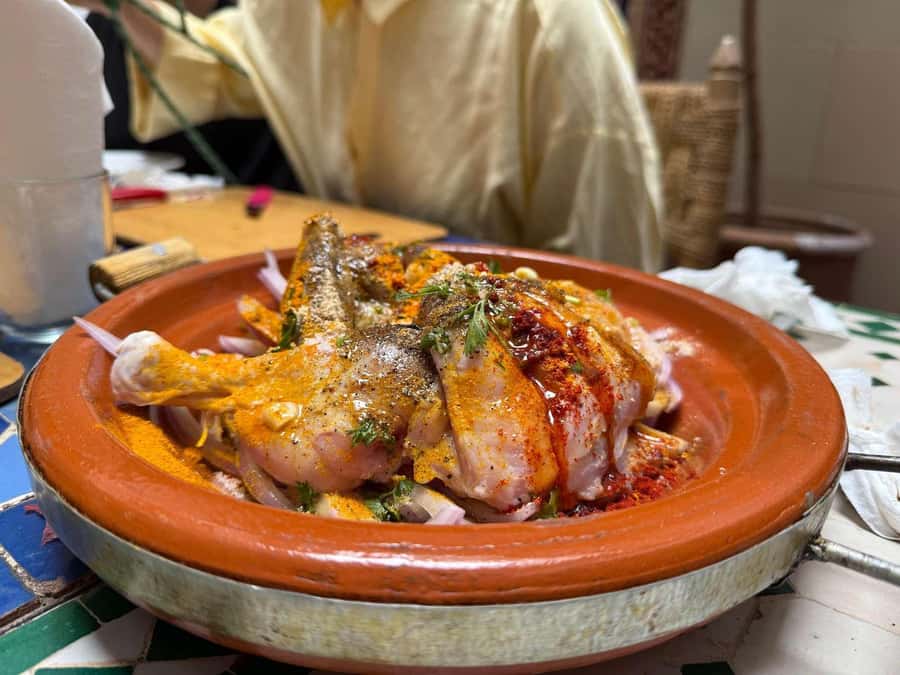
Your day kicks off in the perfect spot for first-timers: the principal door of Café de France on Jamaa el Fna Square. You’ll meet there, then take a short walk (about five minutes) to the cooking workshop in the Medina. That tiny walk matters more than you’d think. It keeps the start simple, and you’re soon swapping the big square for the quieter rhythms of a riad kitchen.
There’s no pickup included, so come to the meeting point under your own steam. The upside is you control your timing. If you’re already in the area, you won’t lose time hunting for a driver.
You can also read our reviews of more tours and experiences in Marrakesh.
Souq shopping in Marrakech: ingredients first, rules later
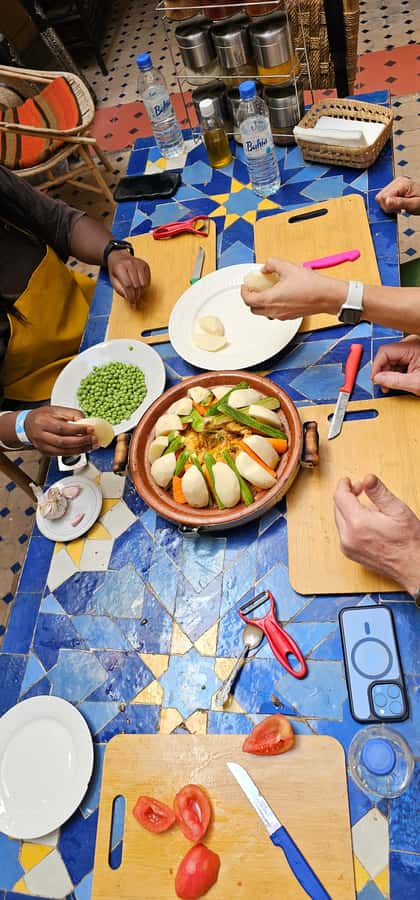
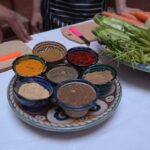
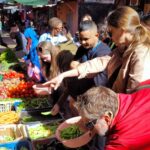
The biggest value in this class is that you don’t start with a recipe. You start with ingredients. After talking through allergies or dietary restrictions, you head out to a local food market (souq) away from the most tourist-heavy areas. You’ll browse spices, produce, and local specialties, then buy what you’ll cook with later.
A practical tip: bring your appetite and also your questions. Even if you’re not a huge cook, asking what something is used for (and when) helps you connect the shopping to the final dishes. This is where the class turns from entertainment into something you can repeat.
One important timing note: the souq step is not included on Ramadan or Friday. If your trip lands on one of those days, your day will be rearranged around that absence. It still includes the cooking and meal, but you might miss the market portion that many people consider the most eye-opening part.
Riad Black Doors: where the cooking class actually happens
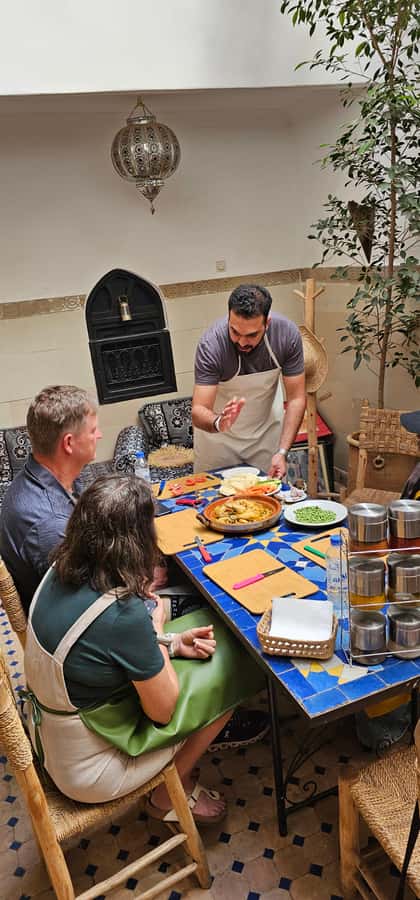
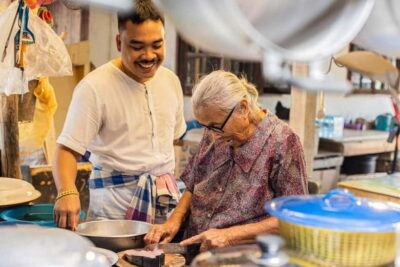
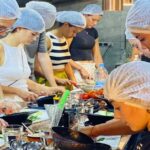
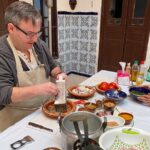
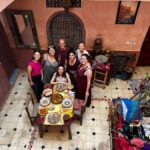
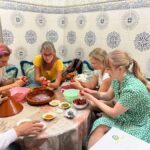
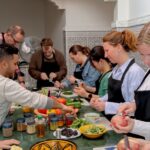
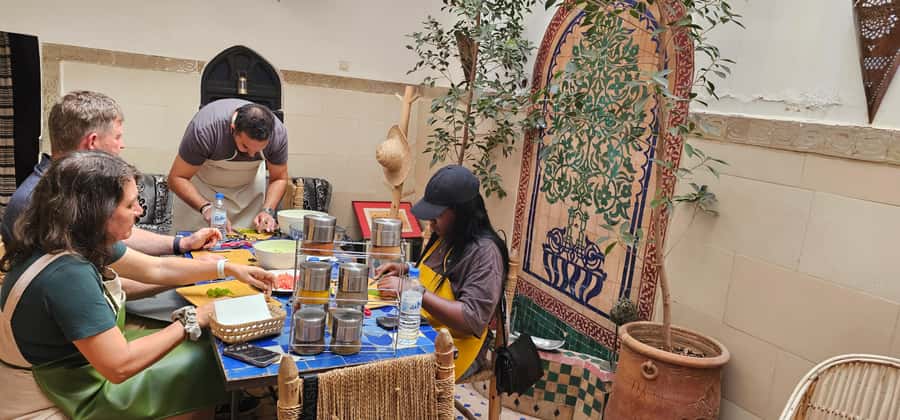
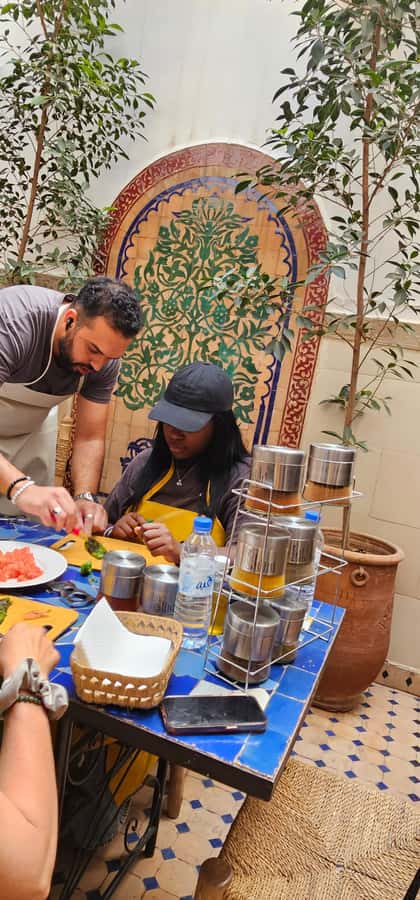
Back at the riad, you’re welcomed into Riad Black Doors for the main work: prep and cooking instruction. The atmosphere is warm and family-friendly, and that matters because Moroccan cooking is hands-on by nature. You’ll be doing tasks alongside the chefs rather than hovering at the edge.
Marouane and Abdou bring both culinary experience and cultural context. They’ve worked with hotels and restaurants in Morocco and abroad, so you’re getting professional technique—but taught in a way that feels personal. The class format is interactive and collaborative, with everyone pitching in.
Also, this is the part where dietary needs get real. If you’ve got food allergies or you prefer vegetarian, the chef can guide your choices from the start, not as an afterthought. In some sessions, people cook versions with chicken and vegetarian alternatives plus side dishes, so there’s usually room to adapt.
Moroccan Mint Tea ritual: more than hot water
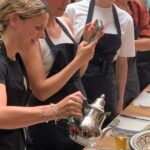
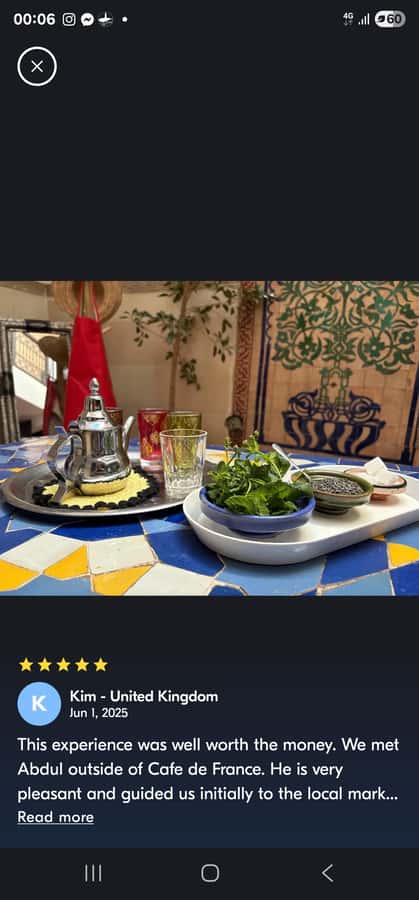
Before the cooking ramps up, you’ll be served traditional mint tea and taught how it’s prepared. In Morocco, mint tea isn’t just a drink. It’s a signal that you’re slowing down and joining the household rhythm.
In a cooking class, the tea lesson is more than a nice break. It reinforces the same theme as the food: simple ingredients, careful handling, and attention to how things are done, not just what is used. You’ll learn the preparation steps tied to the mint tea ritual, and that’s exactly the kind of skill that makes the day feel worth it long after you leave Marrakech.
The menu: starters, main course, and dessert you’ll taste for real
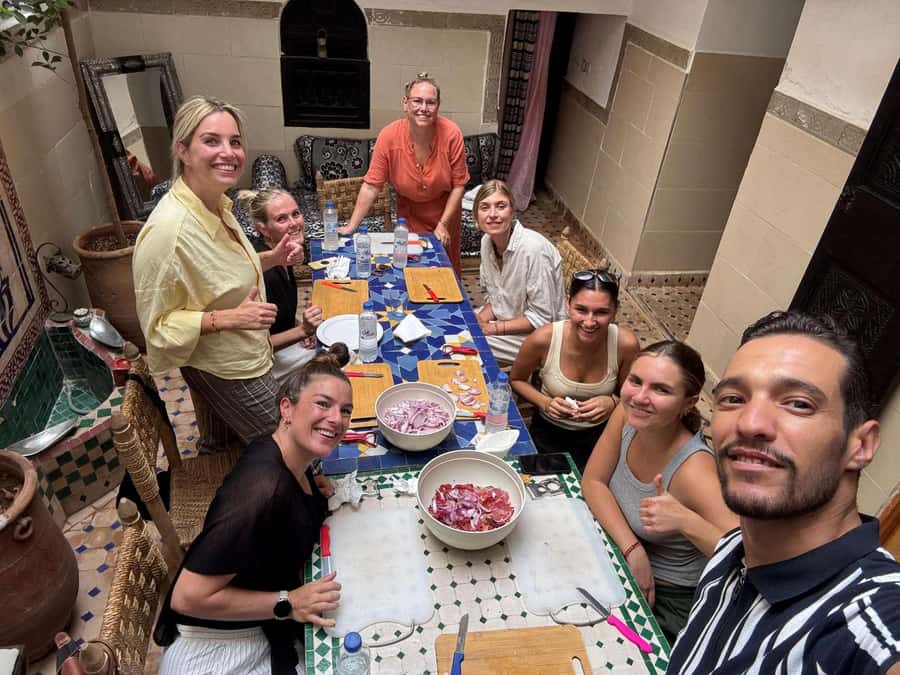
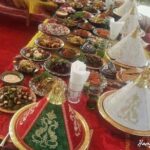
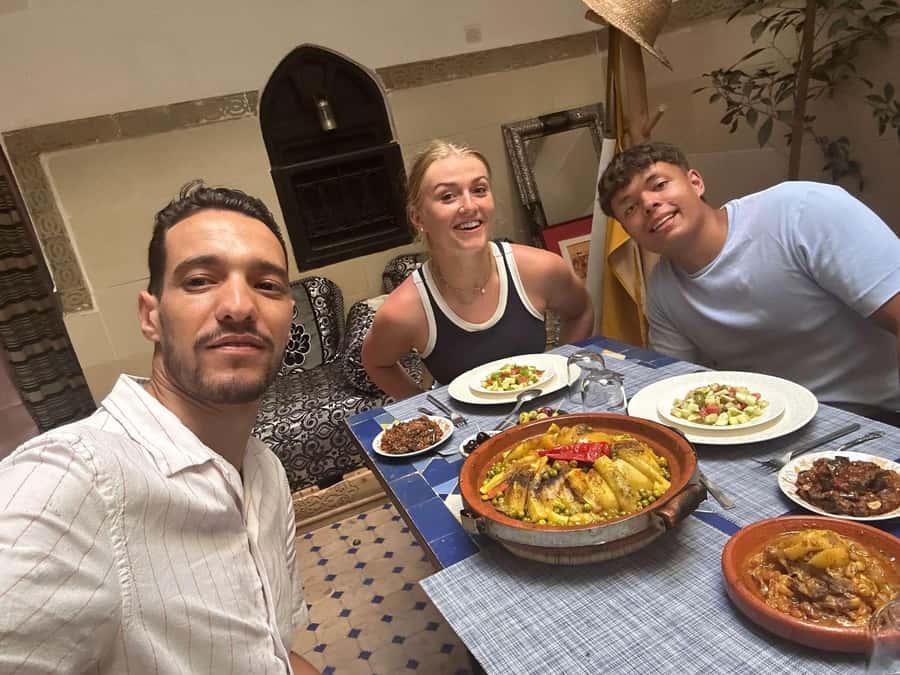
The meal structure is classic: a starter, a main dish, and dessert. In practice, you may see dishes like Moroccan salad, zaalouk (eggplant preparation), and tajine with chicken. If you’re doing a vegetarian version, the chefs can adapt sides and dishes so you still get the same “Moroccan table” feeling.
Here’s the key learning point: you’re not just assembling one dish. The format helps you understand how flavors build across the meal. Spices and aromatics show up again and again, but in different combinations depending on the course.
The tagine timing issue (and how to handle it)
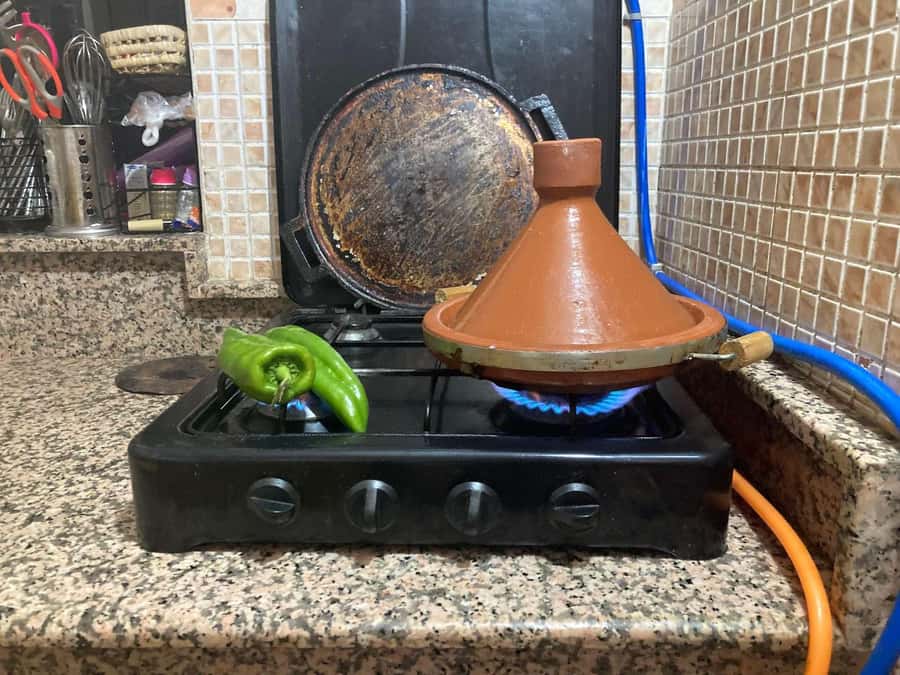
Tagine is wonderful, but it takes time. One of the most practical considerations in this experience is that tagine can cook slowly, meaning you might sit around for 1–1.5 hours after you finish prep. It’s not a “disaster,” but it can feel long if you’re used to fast-paced tours with constant action.
My advice: treat that waiting period like part of the cultural lesson. Ask questions. Chat with the host about cooking habits, Berber traditions, or what spices mean in everyday Moroccan life. If your group wants extra instruction during the waiting time, it’s worth asking the chef directly on the day so you can see if there’s flexibility.
Food tasting: turning practice into confidence
After the cooking, you get to savor the meal you prepared, plus tasting time that lets you compare what you made with what the chefs intended. This matters because Moroccan cooking often depends on balance: salt, acidity, sweetness, spice heat, and texture all matter.
Tasting also helps you figure out what you’ll replicate back home. If you remember only one thing, remember which flavors you loved most and what the chef did to build them. Then you’ll be able to cook the dish again later without needing the exact same ingredients on hand.
Price and value in Marrakech: what $35 buys you
At $35 per person for about five hours, this class is priced in the “good value” zone for Marrakech. You’re getting more than a cooking demo. The package includes a guide, mint tea, your meal, and the cooking class itself. You also get the souq shopping component on most days, which is a major cost-and-experience driver.
What makes it feel like fair value is the full chain: ingredient selection in the market (when included), hands-on prep and cooking, the tea ritual lesson, and a meal you sit down to enjoy. Many short food experiences give you one piece. This gives you the whole rhythm.
The one thing that can affect your value is your tolerance for downtime during tagine cooking. If you hate waiting around, you might end up wishing the class had an extra dish ready sooner. If you’re comfortable chatting and learning, that same waiting time can feel like the heart of the experience.
Who should book this cooking class?
This works especially well if you:
- Want an authentic Marrakech cooking class with local ingredient buying
- Like learning practical skills, not just collecting photos
- Prefer a smaller, human-scale experience inside a riad (not a huge bus tour)
- Enjoy the idea of learning mint tea technique along with recipes
It may be less ideal if you:
- Need a packed schedule with constant cooking action
- Have low patience for slower traditional dishes like tagine
- Expect pickup and don’t want to navigate to a meeting point on foot
Private sessions may be arranged upon request, which can be a strong option if you’re cooking as a couple or want more tailored pacing (especially if you’d rather avoid long waiting periods).
Tips to make the experience smoother
A few small choices can make your day feel easier:
- Wear comfortable shoes. The day includes a short walk and lots of indoor/outdoor movement.
- Plan for market time when included, and bring specific dietary details early.
- Ask about spice blends as you cook. You’ll remember the “why” more than the “what.”
- If you’re vegetarian or cooking with allergies, say it clearly before shopping starts.
Also, check the day you’re going. If it’s Ramadan or a Friday, the souq step isn’t included, so your expectations should shift toward the cooking-and-tea portion.
Should you book this Marrakech Moroccan Cooking Class?
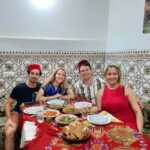
I think this is a great pick if you want a real taste of Moroccan food culture that’s practical for your kitchen back home. The market shopping (when included), the mint tea ritual, and the hands-on approach make it feel like learning, not watching. And the chef-led, family-friendly riad setting helps everything feel grounded and welcoming.
Book it if you’re curious, patient enough for traditional tagine timing, and ready to ask questions. Skip or adjust your expectations if you’re chasing nonstop action, or if arriving on your own at Café de France feels like a hassle.
If you want a Marrakech experience that ends with a meal you made and recipes you can reuse, this one fits the bill.
FAQ
Where do I meet for the Marrakech cooking class?
Meet in front of the principal door of Café de France on Jamaa el Fna Square.
Is pickup included?
No, pickup is not included.
How long is the experience?
The experience lasts 5 hours.
What languages are available for the live guide?
The live tour guide offers English, French, and Arabic.
Do you visit the local market every day?
The market shopping step is not included on Ramadan or on Fridays.
What does the experience include once you start cooking?
You’ll get mint tea, a hands-on cooking class, and then eat the meal you prepared during tasting time. The menu follows a Moroccan structure with starter, main, and dessert.
Can I arrange a private cooking session?
Yes. Group sessions are available, and private sessions can be arranged upon request.
Is cancellation free, and can I pay later?
Yes. You can cancel up to 24 hours in advance for a full refund, and you can reserve now and pay later.