REVIEW · ROME
Private Cooking Class in Rome with a Local Expert Cristina
Book on Viator →Operated by Traveling Spoon · Bookable on Viator
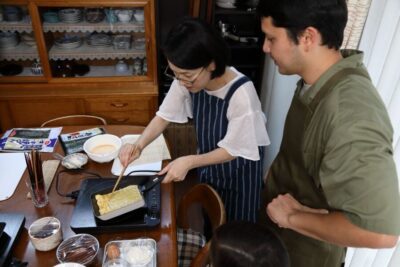
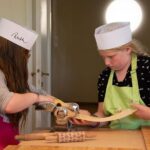
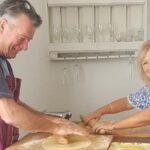
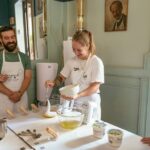
Cooking in a Rome apartment feels personal. What makes this class fun is the blend of hands-on cooking, regional Italian stories, and time to eat what you make with wine and local music. I like that you cook three dishes (not just watch), and the pace stays relaxed and social; one thing to keep in mind is the menu can shift with the season.
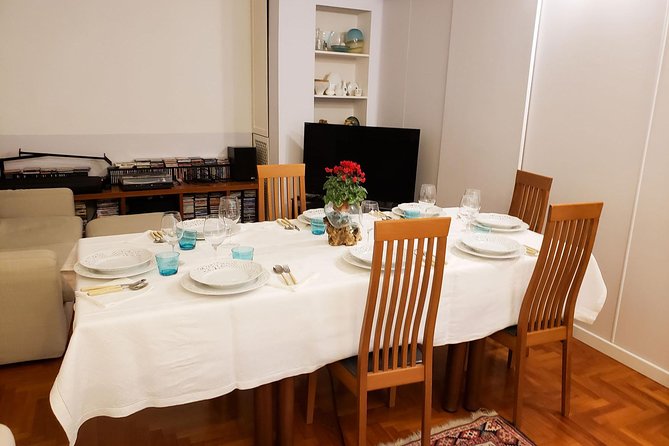
This is a private experience in Cristina’s home kitchen, offered in English, and it runs about 4 hours. You’ll meet at Via Segesta, 44 (near public transportation), and the class ends back where it starts.
In This Review
- Key highlights you’ll care about
- Why Cristina’s home kitchen in Rome is the real draw
- What you’ll cook: starter, main choices, and dessert
- The 4-hour flow: what the time feels like, start to finish
- Regional Italy lessons you can actually use
- Pizza versus pasta: how to get the lesson you want
- Dietary needs and seasonal menu: plan without stress
- Value check: is $188 per person fair for 4 hours?
- Who should book this cooking class in Rome
- Should you book this Cristina cooking class in Rome?
- FAQ
- FAQ
- How long is the private cooking class?
- Is this experience private or shared?
- What dishes will I cook?
- Can I request vegetarian or gluten-free options?
- Do we eat lunch or dinner?
- What language is the class taught in?
- Is there a refund if my plans change?
- Where is the meeting point?
- Are service animals allowed?
Key highlights you’ll care about
- Three dishes you actively make (starter, main, dessert, with pasta or pizza plus a second main option)
- Wine + local music while you cook and learn
- Cristina’s regional Italy explanations tied to the food you’re preparing
- Pizza-friendly option if you tell her you’d rather make pizza than pasta
- Dietary requests welcome like vegetarian and gluten-free (on request)
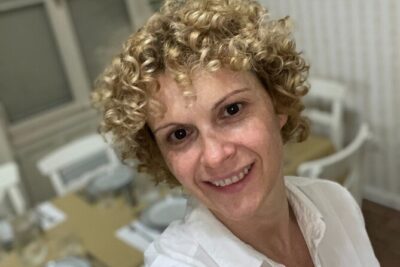
- A home setting with real conversation, often including Cristina’s family at the table
Why Cristina’s home kitchen in Rome is the real draw
A private class in a restaurant kitchen can be efficient, but it often feels generic. Here, you’re in a lived-in apartment setting, which changes the whole vibe. The focus stays practical: you learn techniques, you get context on ingredients, and you leave with recipes that make sense—not just “chef talk.”
Two details are especially appealing. First, Cristina is described as serious about cooking and very fluent in the culinary traditions across Italy’s regions, so you’re not just copying steps—you’re understanding why certain ingredients and styles show up where they do. Second, you’re not only working; you also get the chance to sit down and enjoy what you made as part of the experience.
One consideration: because this is a seasonal menu, you can’t assume a fixed dish list. If you’re chasing a specific recipe, treat this as a learn-and-eat class rather than a guarantee for one exact menu item.
You can also read our reviews of more tours and experiences in Rome.

What you’ll cook: starter, main choices, and dessert
Your class centers on cooking three dishes, with options that let you shape the experience around your appetite and schedule. The structure is consistent, even though exact dishes may change seasonally.
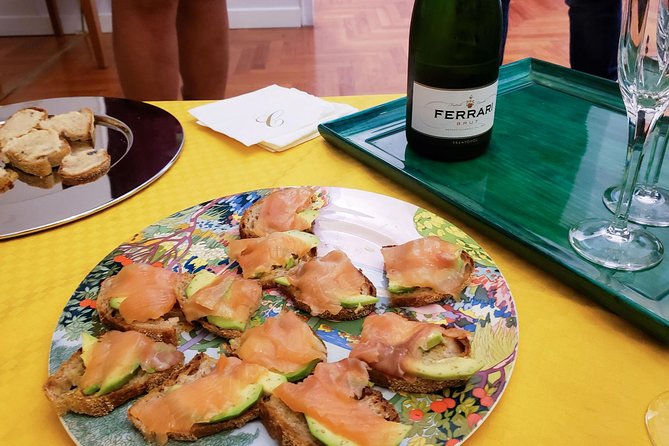
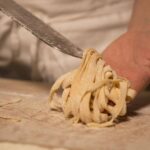
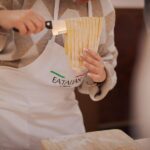
You’ll start with a starter, such as bruschetta, soup, or a cheese plate. Then comes the main course phase, where you’ll handle both the “pasta or pizza” part and a second main option (fish or meat).
For the pasta or pizza component, you may make things like:
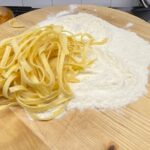
- Tagliatelle with ragu (or a trapanese-style variation described as featuring almond, tomato, and basil pesto)
- Homemade pizza, which Cristina is especially enthusiastic about
For the second main, you might do:
- A fish dish like swordfish rolls
- Or a meat dish such as saltimbocca
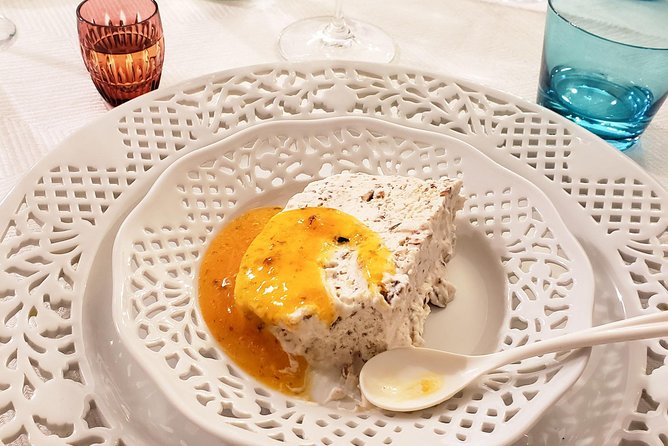
Finally, you’ll make dessert, with options like tiramisu or a honey cake. One of the best takeaways from past classes is how hands-on the dessert portion can be—turning simple ingredients into something that tastes like it came from a proper Italian home cook, not a demo.
If you’re a pizza person, do say it early. Cristina is a longtime fan of homemade pizza and has participated in many pizza-focused courses and events in Rome. If you tell her you prefer pizza over pasta, she’ll adjust and provide a homemade pizza lesson instead.
The 4-hour flow: what the time feels like, start to finish
This class runs about 4 hours, and it’s paced to feel like a real afternoon in someone’s home. Expect a mix of cooking, conversation, and short moments of teaching—plus a quick Rome orientation through a brief video.
Here’s how the experience typically comes together:
1) Meet, settle in, and get oriented
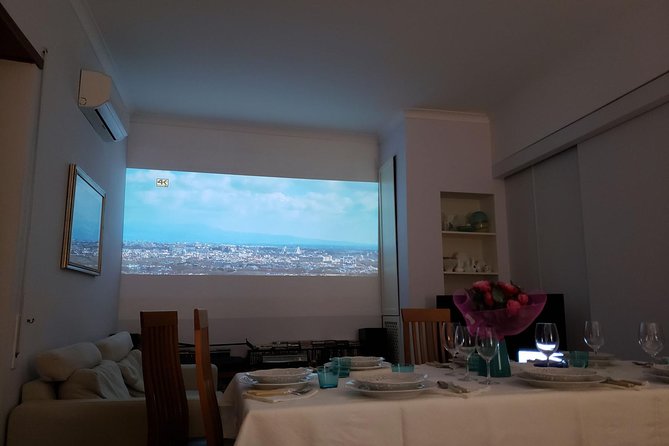
You’ll start at Via Segesta, 44, and you’ll be guided into Cristina’s kitchen space. There’s a brief video of Rome to help you get your bearings and place the food in context.
2) Learn the cooking plan before you start
You’ll choose what you’re making based on the course structure, plus your preferences (pasta versus pizza, and dietary needs). Cristina blends cooking with culinary history, so you’ll hear why a dish is built the way it is—ingredients, technique, and regional style.
3) Cook the starter
The starter gives you an easy win early on. It’s also a good way to understand how Italians think about balance: something quick or savory that sets you up for the main work.
4) Move into the main dish work (pasta or pizza first)
This is the longest hands-on part. If you’re making pasta like tagliatelle, you’ll be focused on shaping and building flavor through the sauce approach. If you’re making pizza, you’ll get a homemade pizza lesson, with Cristina’s pizza know-how driving the process.
5) Finish with the second main (fish or meat)
Then you shift gears to either fish (such as swordfish rolls) or meat (such as saltimbocca). The point isn’t just “cook it once,” it’s learning how the same attention to ingredients changes when the protein changes.
6) Dessert time while you relax
Dessert is where a lot of classes lose people—too rushed, too complicated, too “wait while the host finishes.” This one aims to keep you involved, ending with something like tiramisu or honey cake you can be proud of.
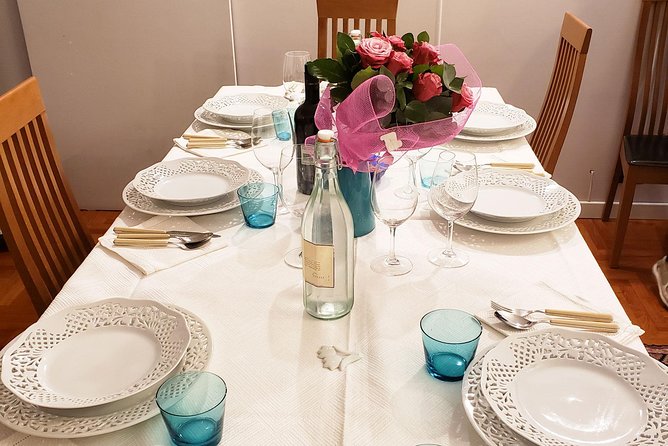
7) Eat together with wine and local music
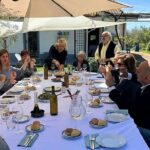
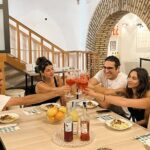
You’ll enjoy Italian wine and local music while you cook and throughout the meal experience. In past classes, the “sit down together” part has been a highlight, with Cristina’s family helping create that warm, familiar feel.
Regional Italy lessons you can actually use
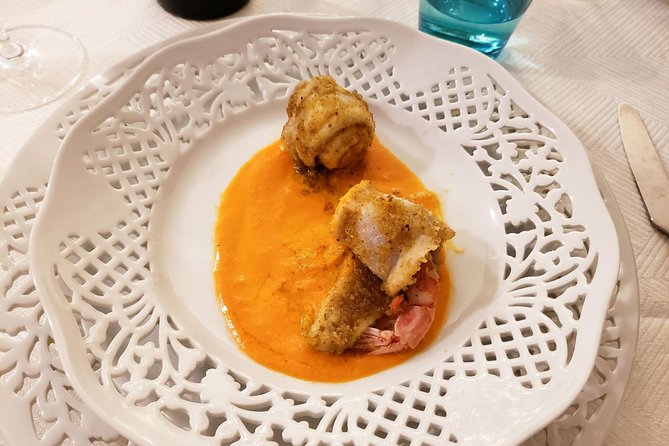
What makes this class worth your time is how Cristina connects technique to regional identity. Instead of generic tips, you get explanations tied to ingredients and styles across Italy’s diverse regions.
You’ll hear about how a sauce changes, how flavors are built, and how what’s common in one area becomes a signature elsewhere. For example, the class references different styles for pasta sauces (including ragu and a trapanese-style approach with almond, tomato, and basil pesto). That kind of detail matters because it helps you make better choices if you cook later at home.
You’ll also notice how the class treats Rome as part of a bigger Italian story. Even though you’re cooking in Rome, you’re not stuck in one local groove. That’s a big reason people leave feeling like they learned something beyond a single recipe.
And yes, you’ll have wine and local music during the process. That doesn’t replace learning—but it keeps the kitchen from turning into a classroom.
Pizza versus pasta: how to get the lesson you want
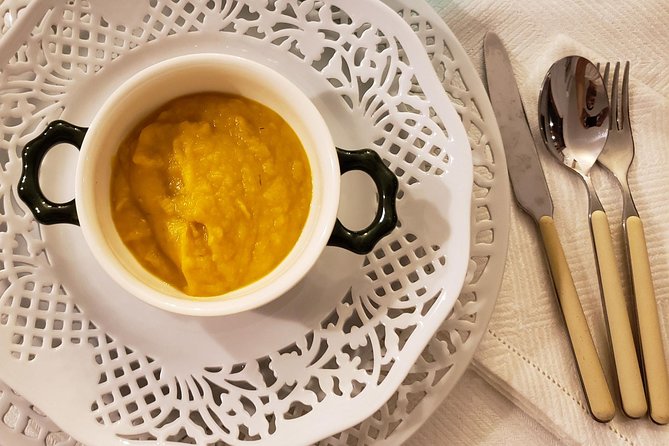
If you’re trying to decide what to ask for, don’t overthink it: tell Cristina what you’re most excited to learn. The class is built around pasta and pizza options, and she’s specifically mentioned as being especially active in pizza learning and events in Rome.
Here’s the practical way to handle it:
- If you love pasta, stick with the tagliatelle-style option and enjoy the sauce-focused learning.
- If pizza is your priority, let her know you’d rather do pizza than pasta so you get a homemade pizza lesson.
The upside of making this choice is simple: you’ll get a clearer, more satisfying learning arc. You’re not splitting your attention between unfamiliar techniques just to “cover the menu.” You’re focusing on what you care about most.



Dietary needs and seasonal menu: plan without stress
This experience is designed to be flexible for real eating needs. Vegetarian and gluten-free options are available on request, which is a big deal for a home-based class where nobody wants you to sit out.
Because the menu varies seasonally, your exact dishes may differ from what you’ve pictured while booking. The helpful part is that the overall format stays the same: starter, a pasta or pizza main, a second main (fish or meat), and dessert.
My advice: send dietary requests early and be clear about what you need. That keeps the cooking smooth and helps Cristina adjust ingredient choices without last-minute scrambling.
Value check: is $188 per person fair for 4 hours?
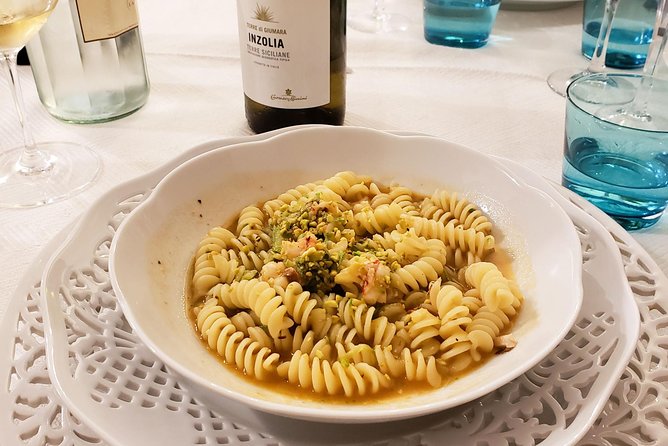
At $188 per person for about 4 hours, this isn’t a cheap “snack class.” It is, however, priced like what it is: a private, home-kitchen experience with hands-on instruction, wine, local music, and a sit-down meal built around three dishes you help make.
Where the value shows up:
- Private means more time with the host and fewer crowds watching from the sidelines.
- You cook three dishes, so you’re not paying for a performance.
- Wine is included along with the overall eating experience.
- Cristina’s teaching adds context—regional styles, ingredient choices, and culinary history tied to what’s in front of you.
This can also make more sense if you’re booking as a small group. The listing notes group discounts, so check whether your group size triggers a better rate. Even without exact figures, the pricing structure generally aligns with the idea that the host’s time is the core cost—shared across fewer people usually means a higher per-person fee.
Who should book this cooking class in Rome
This is a great fit if you want Rome that feels personal and edible. You’ll probably enjoy it most if you:
- Like hands-on experiences where you actually touch the ingredients
- Want to learn Italian food in plain, practical steps
- Prefer a smaller, home setting over big group tours
- Have dietary needs you want handled in a straightforward way (vegetarian or gluten-free by request)
It may not be the best match if you want a fully scripted, identical menu every time. Seasonal variation means you should be open-minded. Also, it’s private, so you’re relying on your own group’s comfort in someone’s home space.
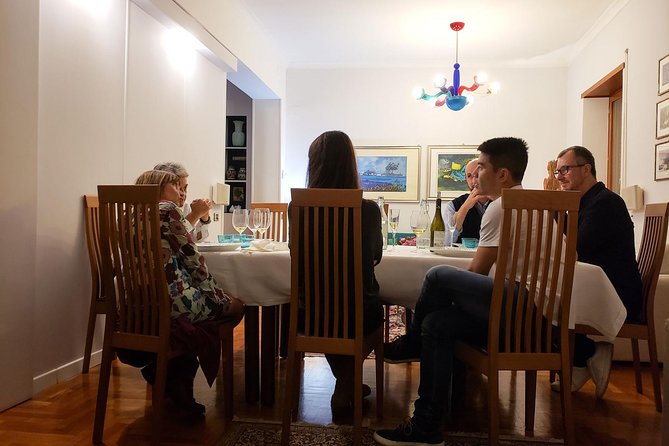
One more reason it works: the social side tends to be warm. In at least one described class, you may share the table with Cristina’s husband Vito and her son Andreas, turning it from a cooking lesson into a real “we’re eating together” moment.
Should you book this Cristina cooking class in Rome?
If you’re choosing between a generic food tour and an experience where you cook, learn, and eat in a real home setting, this one leans strongly toward the second option. I’d book it if your ideal Rome day includes wine, music, and cooking three dishes with someone who knows her way around Italy’s regional food.
Before you click confirm, check two things: whether you want pasta or pizza (tell Cristina what you prefer), and send your dietary request early if you need vegetarian or gluten-free options. If you can be flexible on the exact menu because it’s seasonal, you’ll likely get a smoother, more rewarding afternoon.
FAQ
FAQ
How long is the private cooking class?
It’s about 4 hours.
Is this experience private or shared?
It’s private, so only your group participates.
What dishes will I cook?
You’ll cook three dishes: a starter, a main course that includes either pasta or pizza, another main course that can be fish or meat, and a dessert.
Can I request vegetarian or gluten-free options?
Yes. Vegetarian and gluten-free options are available on request.
Do we eat lunch or dinner?
You can choose between lunch or dinner options to suit your schedule.
What language is the class taught in?
It’s offered in English.
Is there a refund if my plans change?
No. This experience is non-refundable and cannot be changed for any reason.
Where is the meeting point?
The class starts at Via Segesta, 44, 00179 Roma RM, Italy, and ends back at the meeting point.
Are service animals allowed?
Yes, service animals are allowed.