REVIEW · HO CHI MINH CITY
1 hour Egg Coffee Cooking Class with Snack and Local Instructor
Book on Viator →Operated by Hoang's Kitchen Cooking Class · Bookable on Viator
Making egg coffee feels simple, once someone shows you. This 1-hour class in Ho Chi Minh City is hands-on, small-group, and focused on you making the drink—not just watching. I like that you get the story of egg coffee and Vietnamese coffee culture, then you get to control the sweetness and build your own cup.
Two things I really enjoyed: the instructor’s step-by-step guidance (you do it yourself with support), and the warm, cozy set-up that makes it easy to talk with others. One possible catch to plan for: this experience isn’t recommended if you have a caffeine problem, since it includes coffee and/or tea.
In This Review
- Key Points You’ll Care About
- Egg Coffee Basics: What You’re Actually Making
- Start at Hai’s Restaurant: The Setting and How the Class Runs
- The Story Lesson: Vietnamese Coffee Culture in Plain Terms
- Hands-On Egg Coffee: Step-by-Step Technique You Can Repeat
- Snacks and Pairing: Spring Roll Right After Your Cup
- Price and Logistics: Why $15 Feels Reasonable Here
- Who Should Book This Class (and Who Might Want to Skip)
- Should You Book Hoang’s Kitchen’s 1-Hour Egg Coffee Class?
- FAQ
- How long is the egg coffee cooking class in Ho Chi Minh City?
- Where does the class meet?
- What’s included in the price?
- Do I make egg coffee myself, or do I just watch?
- Can I adjust the sweetness of my drink?
- Is there a limit on group size?
- Is the class refundable if plans change?
Key Points You’ll Care About
- DIY, not a show: you make your own egg coffee with instructor support.
- Small group up to 15: more attention, less rushing.
- Sweetness control: you can tailor how sweet your cup is.
- Coffee culture first: you learn the story and context, not just the recipe.
- One snack included: you finish with a spring roll.
Egg Coffee Basics: What You’re Actually Making
Egg coffee sounds fancy, but the class frames it in a very practical way: you’re making a creamy coffee drink with a custard-like texture. One highlight from past classes is that the egg coffee can feel closer to creme brulee or custard filling than a basic coffee with foam. That matters because it changes how you approach it. You’re not just chasing a strong coffee flavor—you’re tasting something smoother and dessert-adjacent.
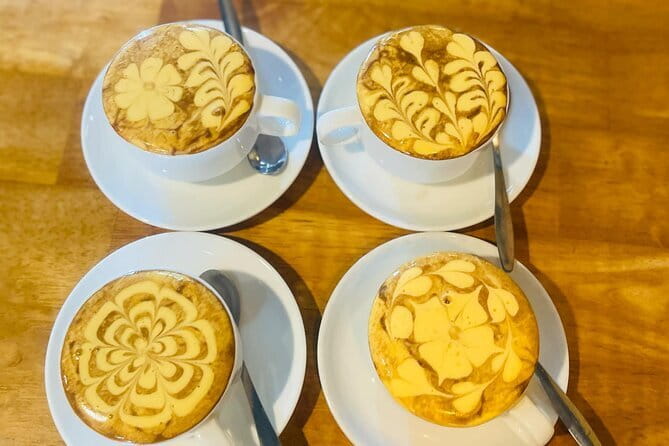
During the session, the instructor walks you through what egg coffee is, where it fits into Vietnamese coffee culture, and why people love (or talk about) it. Then the tasting and making connect. You’ll get a chance to see a sample first, including decoration, so you know what the final look and vibe should be. After that, it’s DIY time.
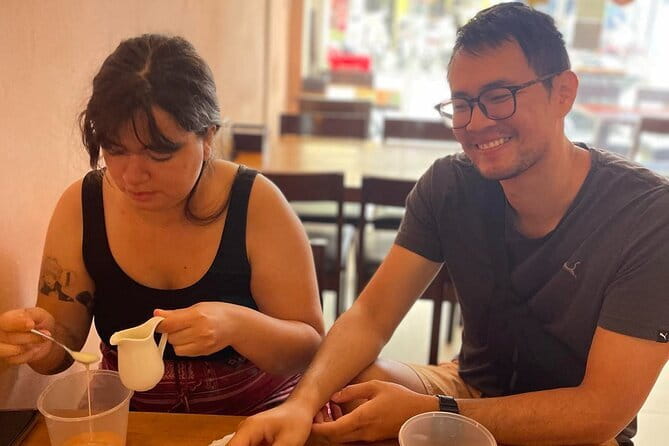
A small detail that makes the experience feel personal: you can adjust your own flavor to match your sweet level. If you like things lightly sweet, you can aim there. If you want it closer to dessert, you can push it. That’s a big deal for a short class. One hour passes fast, so giving you control helps you leave with a result you actually enjoy.
And yes, it’s still coffee. So if caffeine makes you jittery or disrupts your sleep, take the “not recommended” note seriously. This isn’t an herb tea workshop.
You can also read our reviews of more tours and experiences in Ho Chi Minh City.


Start at Hai’s Restaurant: The Setting and How the Class Runs
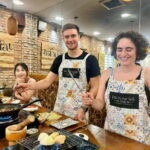
The class meets at Hai’s Restaurant, 257 Lý Tự Trọng, Phường Bến Thành, Quận 1. It ends back at the same place, so you’re not trying to figure out a second drop-off. That keeps the whole experience easy to slot into your day.
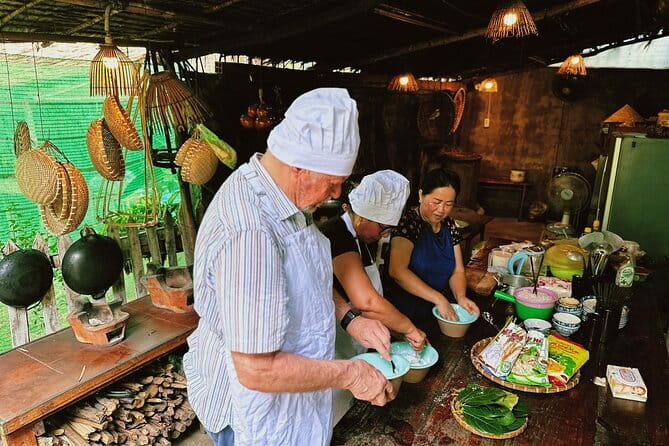
Time is compact on purpose. You’re looking at about 1 hour from start to finish. Past participants consistently call it quick, focused, and not overly formal. That fits the vibe here: it’s a small room, a friendly instructor, and a group size capped at 15 travelers. Smaller groups are what make “support while you cook” real. If the group were larger, you’d spend more time waiting your turn.
You’ll also get a mobile ticket, which is the kind of small convenience that saves mental energy while you’re traveling. And since the meeting point is near public transportation, you won’t feel stranded if your timing is off by a bit.
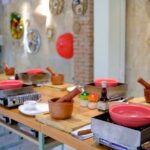
One more practical note: the class takes place in a cozy setting, which helps the social side. It’s not a silent museum experience. You can ask questions, and the pacing makes it easy to interact with the other people in your group. If you’re traveling solo, that matters. You’ll have people right there to chat with between steps.
The Story Lesson: Vietnamese Coffee Culture in Plain Terms
Before anyone hands you tools, you get the story. The instructor will explain the origin of egg coffee and connect it to Vietnamese coffee culture. That part is more than trivia. It gives you a lens to understand why this drink exists at all, and why it became a recognizable part of everyday life.
You’ll also learn some basics about coffee history and coffee culture in Vietnam. The goal isn’t a long lecture. It’s a guided set of context points, paced so you still finish with a finished cup in hand. I like lessons like this because they help you recognize what you’re tasting later when you order on your own. Once you understand the cultural “why,” the flavor makes more sense.
Another reason the story segment is worth your time: it gives your questions a place to land. People often want to know things like why egg is used, why the texture is so specific, and how Vietnamese coffee habits differ from what you might be used to. A good instructor can answer those in context, and that’s what this class seems designed to do.
English support is another plus. One set of past experiences mentioned the team spoke great English and made the class genuinely fun, even for people who weren’t sure they’d like egg coffee. That tone matters. When you feel comfortable asking questions, the whole hour feels less like “a class” and more like you’re cooking with someone who knows the local scene.
Hands-On Egg Coffee: Step-by-Step Technique You Can Repeat

Here’s the core of the value: you don’t just watch. You do. The format is straightforward.
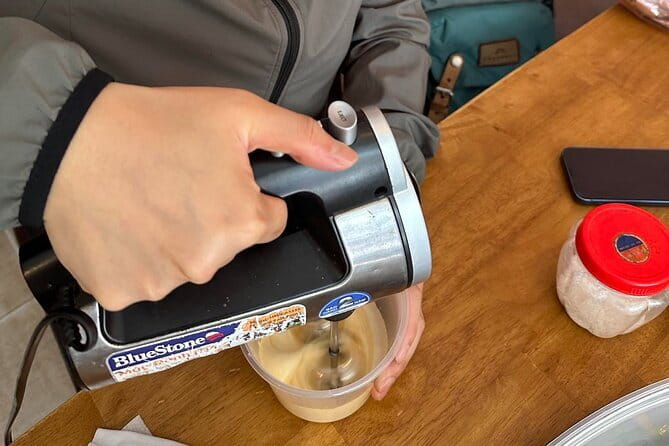
1) The instructor shows you the process once, including the nice decoration that makes egg coffee look like more than just a drink.
2) Then you get guided step-by-step while you make your own cup.
Because the class is small, you’re not stuck guessing. If something feels off—timing, texture, or how you like your sweetness—your instructor can help in real time.
You should expect ingredients are provided, along with everything you need to make egg coffee. That means you’re not shopping ahead for hard-to-find items. It’s also less stressful than trying to replicate a recipe at home without knowing the practical “method” behind it.
Also, this kind of guided DIY is how you learn faster than you think. Even if the exact technique is hard to name, you remember what “right” looks and tastes like because you made it. That’s what helps you go home and repeat it.
One subtle but important advantage: you can tailor your sweet level. Many food classes teach a single version and send you home with a result you didn’t request. Here, you’ll have a chance to make the cup match your preferences.
Finally, remember that egg coffee can be an acquired taste for some people. If you approach it like a creamy custard coffee treat, you’ll likely enjoy it more. And even if you’re not a lifelong egg coffee fan, the ability to make something dessert-like with coffee at the center is a fun skill.
Snacks and Pairing: Spring Roll Right After Your Cup

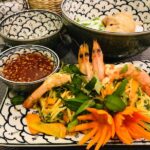
Egg coffee is the main event, but you’re also getting a small snack included: one spring roll. It’s served so you can enjoy it after you finish making your coffee. For many people, that snack helps the class feel complete. You’re not left with only a cup and a rushed exit.
Spring rolls pair well in the simple travel sense: you get a savory bite, then return to the sweetness and creaminess of the coffee. That contrast is helpful, especially if you’re adjusting to the custard-like texture.
If you’re in a mood for extra drinks, the class happens at a restaurant setting. One past participant mentioned ordering additional wine. Since that isn’t listed as part of the class inclusions, treat it as optional. But it’s a sign that the location likely offers more than just the class items, so you may be able to add something if you want.




Price and Logistics: Why $15 Feels Reasonable Here
The price is $15 per person, and for a one-hour, hands-on class, it’s pretty solid—especially because the inclusions are doing real work.
Your class includes:
- Coffee and/or tea
- All ingredients needed for the egg coffee
- A spring roll snack
- Instructor/guide fee
That matters for value because a lot of “food experiences” quietly charge extra for ingredients or drinks. Here, your base cost covers the items you actually need to make the drink.
It’s also good value because you’re paying for attention. With a max of 15 people, you get more chances for the instructor to check what you’re doing. That’s difficult to replicate if you try to learn on your own from online instructions. In practical terms, paying $15 for one hour of guided making beats wasting time trying to figure out consistency and sweetness by trial and error.
Logistics are simple too. You start at Hai’s Restaurant and end there. That makes it easy to combine with nearby sightseeing or a normal lunch/dinner plan before or after.
Who Should Book This Class (and Who Might Want to Skip)
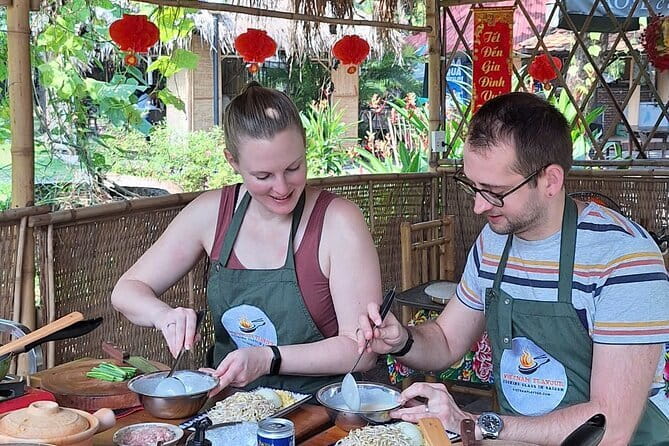
This is a great fit if you want a low-pressure, hands-on food experience with cultural context. It’s ideal for:
- Food lovers who enjoy learning by doing
- Travelers who like small groups and real interaction
- Solo travelers who want an easy social setting
- Anyone curious about Vietnamese coffee culture beyond ordering a drink
You’ll also get the best experience if you like the idea of customizing your drink. The ability to adjust sweetness means your cup can match your preferences instead of forcing a one-size recipe on you.
Who should skip it? The key note is caffeine. If you have a caffeine problem, this class isn’t recommended. Since coffee and/or tea are included, it’s not set up as a caffeine-free experience.
Also, if you’re extremely sensitive to the idea of egg-based coffee, go in with an open mind. The class will help you understand what it is and how it’s meant to taste, but it’s still egg coffee.
Should You Book Hoang’s Kitchen’s 1-Hour Egg Coffee Class?
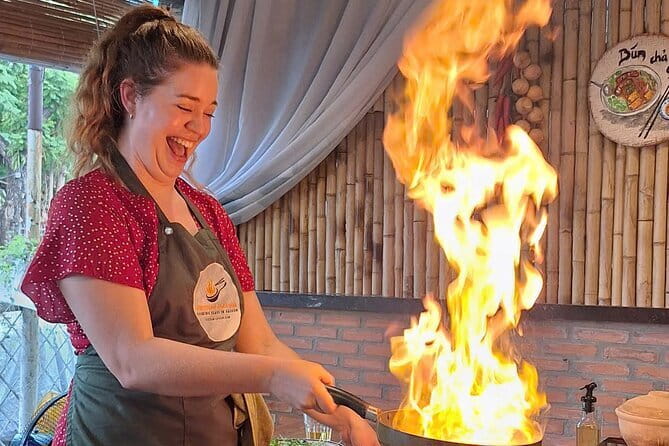
If you’re in Ho Chi Minh City and you want an hour that’s both fun and useful, I’d book this. The biggest reason is simple: you make egg coffee yourself with step-by-step help, in a small group, and you leave with a skill you can repeat. The added bonus is that you’re not missing the cultural context—so you understand what you just made, not just how to repeat it.
Before you go, make sure this fits your body and your tastes. If caffeine affects you, skip it. If you want a quick, guided introduction to a famous Vietnamese drink (with sweetness control and a spring roll included), this is a strong choice.
If you like learning through a friendly kitchen setup and want something more personal than a typical food tour, you’ll likely enjoy this one.
FAQ
How long is the egg coffee cooking class in Ho Chi Minh City?
The class runs for about 1 hour.
Where does the class meet?
The meeting point is Hai’s Restaurant, 257 Lý Tự Trọng, Phường Bến Thành, Quận 1, Thành phố Hồ Chí Minh.
What’s included in the price?
It includes coffee and/or tea, all ingredients to make egg coffee, a spring roll snack, and the instructor/guide fee.
Do I make egg coffee myself, or do I just watch?
You make your own egg coffee during the class with step-by-step support from the instructor.
Can I adjust the sweetness of my drink?
Yes. You can control your own flavor to match your sweet level.
Is there a limit on group size?
Yes. The class has a maximum of 15 travelers.
Is the class refundable if plans change?
Yes. Free cancellation is available up to 24 hours in advance for a full refund.