REVIEW · HO CHI MINH CITY
FULL Day – CAI RANG FLOATING MARKET, COOKING CLASS AND EXPLORE THE COUNTRYSIDE
Book on Viator →Operated by Winter Spring Homestay · Bookable on Viator
Breakfast on the Mekong starts brutally early. This Cai Rang floating market day trip grabs you with a floating-market breakfast and a real sense of how life works on the water and beyond it. You’ll also get a full day of stops that explain how food gets made before it lands on your plate.
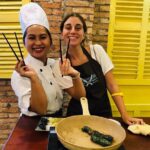
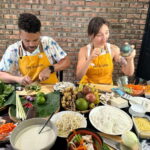
I especially like the hands-on cooking part. You shop for ingredients at a local market, then learn to make classics like bánh xèo and spring rolls with a family in their home.
One thing to consider: the 3:00 a.m. pickup and the full 10-hour schedule can feel intense if you hate early starts or prefer slower travel days.
In This Review
- Key Highlights You Should Know
- Why This Mekong Day Starts Before Sunrise
- Cai Rang Floating Market Breakfast: Boats, Trade, and Real Morning Life
- Rice Noodle Factory, Traditional Bakery Mill, and Small Canals
- Muoi Cuong Cocoa Orchard: Chocolate Starts With Trees
- Shopping for Your Cooking Class at a Traditional Market
- Cooking and Lunch in a Countryside Family Home
- The Hammock Nap and Countryside Time You Don’t Get on Fast Tours
- Price and Logistics: Does $119 Feel Worth It?
- Who This Tour Fits Best
- Final Verdict: Should You Book This Mekong Day Trip?
- FAQ
- What time is pickup from Ho Chi Minh City?
- How long is the tour?
- What food is included during the day?
- Do you actually cook during the class?
- Where does the countryside part take place?
- What happens if the weather is bad or I need to cancel?
Key Highlights You Should Know
- Cai Rang floating market breakfast with early-morning boat views and Mekong energy
- Cacao orchard stop on the way, connecting chocolate to where it actually grows
- Rice noodle factory and traditional bakery mill plus smaller canal scenes
- Market shopping for your cooking class ingredients, not just watching
- Cooking and lunch in a countryside family home, with a hammock break afterward
- Pick seasonal fruit and see rice fields, with time for countryside-style wandering
Why This Mekong Day Starts Before Sunrise
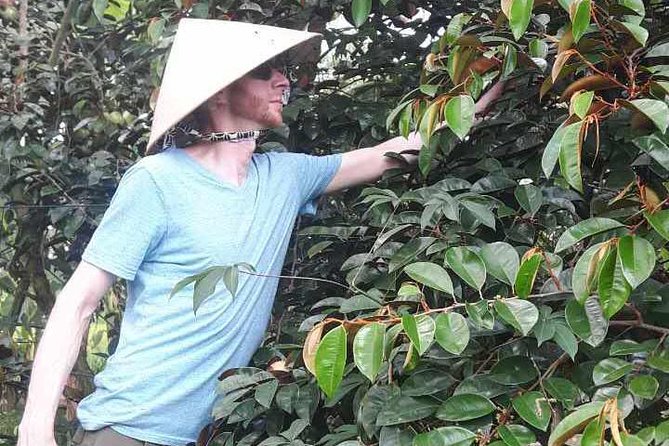
This is one of those Mekong Delta days that begins the way most people wish they could handle traffic and jet lag: by going early. Pickup is at 3:00 a.m. in Ho Chi Minh City, and that early start is what makes the Cai Rang floating market feel less like a show and more like daily routine.
The upside is that you’re not arriving after the best action. Boats are already moving, vendors are already at work, and the whole place feels like a living system rather than a daytime attraction you drop into for photos and leave.
The other big reason I like this kind of schedule is the rhythm it creates. You’ll do the hardest-to-access parts first, then your day gets more relaxed as you head toward the countryside, family home, and fruit-and-field time.
You can also read our reviews of more tours and experiences in Ho Chi Minh City.
Cai Rang Floating Market Breakfast: Boats, Trade, and Real Morning Life
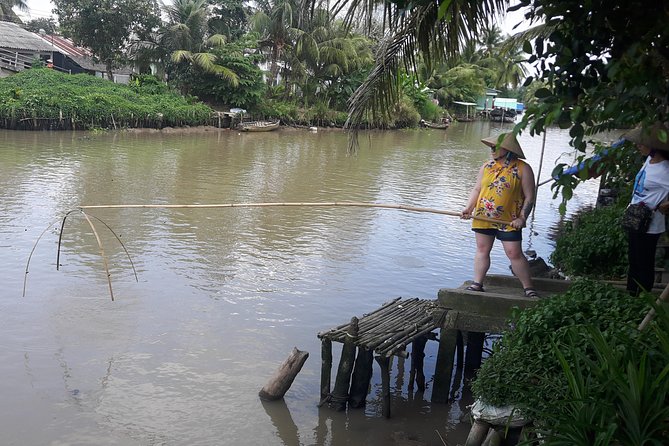
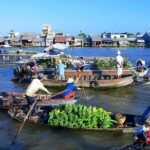
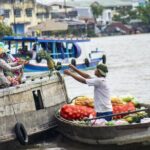
Cai Rang floating market is the main event, and breakfast in the Mekong is the move that ties the whole experience together. Eating early out there helps you understand what you’re seeing. It’s not only visual. It becomes practical. You see how food, drink, and goods travel together on the canals.
Expect a lot of close-quarters boat activity: sellers working from their vessels, produce and supplies being shifted, and the feeling that people know each other’s routines. If you’re the kind of traveler who likes to learn by watching, this stop rewards you immediately.
Practical tip: wear something comfortable for boat-and-water mornings. Even if conditions seem calm, early Mekong mornings can still mean cooler air and unpredictable movement. Keep your phone secure and your hands free for snacks and sips.
Rice Noodle Factory, Traditional Bakery Mill, and Small Canals
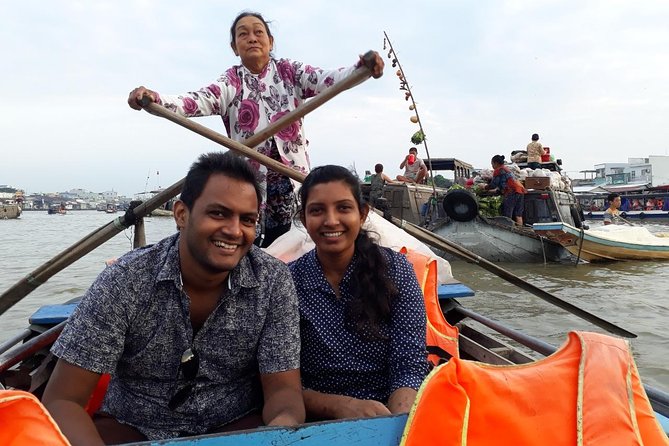
After the market, the day shifts from “watching boats” to “seeing how food gets made.” You’ll stop at a rice noodle factory / traditional bakery mill, and you’ll also spend time around smaller canals.
This part matters because it answers a question you might not realize you have. In Vietnam, rice is not just a staple. It’s a production chain. By seeing noodles and traditional baking processes, you start to connect what you’ll eat later (like the dishes you learn to cook) to the ingredients and techniques behind them.
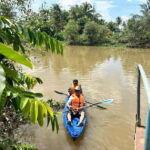
The canals add context. Cai Rang is the headline, but small canal scenes show how the waterways function day to day. It’s easier to grasp the Mekong Delta as a network, not a single attraction.
What to watch for: this segment can be more “process-focused” than “view-focused.” If you’re only there for scenery, the factory/mill may feel slightly less exciting than the market. If you like food culture, it’s a big part of the value.
Muoi Cuong Cocoa Orchard: Chocolate Starts With Trees
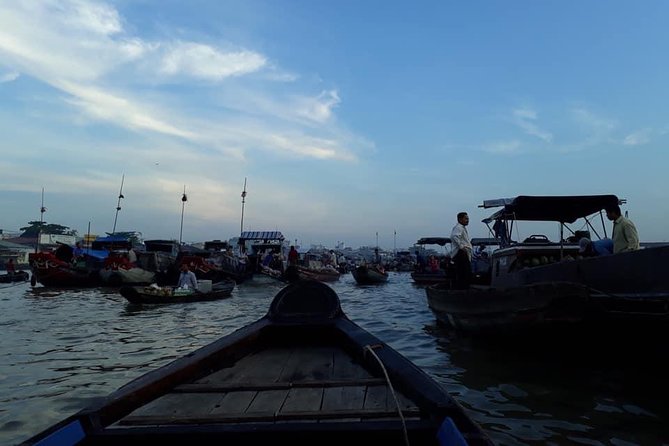
You’ll visit a cacao orchard on the way. This stop is surprisingly useful if you want your travel day to teach you something you can’t get from supermarket chocolate.
Cacao is grown, not manufactured. Walking through a cacao setting helps you understand the idea that chocolate begins as a fruit and plant life cycle, then gets processed into the flavors you recognize.
Also, this stop breaks up the day nicely. After boats and starch-making, cacao gives you a different visual rhythm and a chance to refocus your attention. You’re not just hopping between photo points. You’re moving through food-related stages.
If you’re sensitive to heat or sun, plan for shade breaks when you can. Orchard time can mean more exposure than you expect, especially on long, early mornings.
Shopping for Your Cooking Class at a Traditional Market
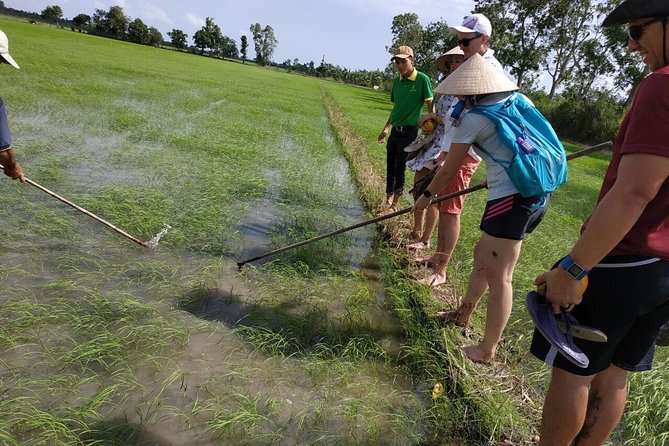
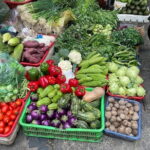
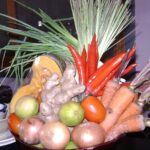
Before you cook, you’ll go to a traditional market to buy materials for the class. I like this approach because it makes the lesson feel more real.
You’re not just following steps. You’re selecting ingredients in a local setting, which means the cooking has context. You start to understand how cooks think about fresh items, flavors, and what’s available regionally.
This also sets you up for confidence. Even if you don’t remember every technique later, you’ll understand the logic of the flavors, because you chose the ingredients yourself.
Small caution: markets can move quickly. Keep your shopping plan simple. If the market staff or your guide points out something specific for the dishes, focus on those items rather than getting lost sampling everything at once.
Cooking and Lunch in a Countryside Family Home
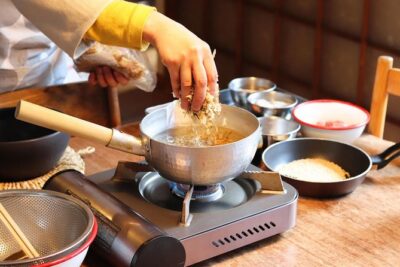
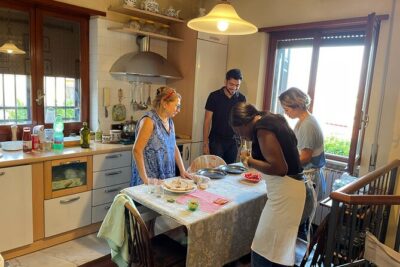
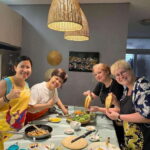
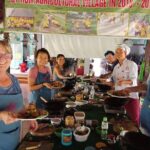
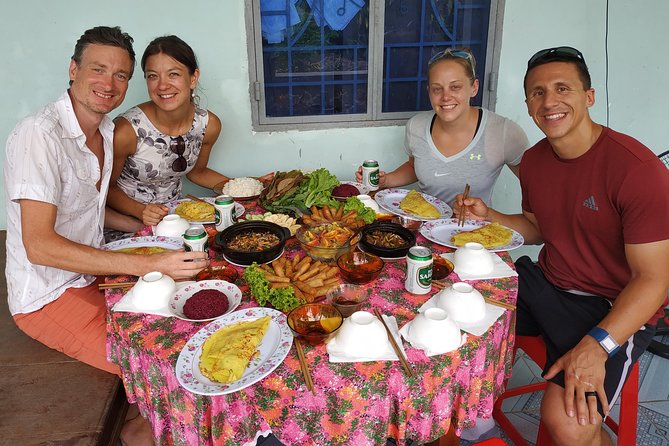
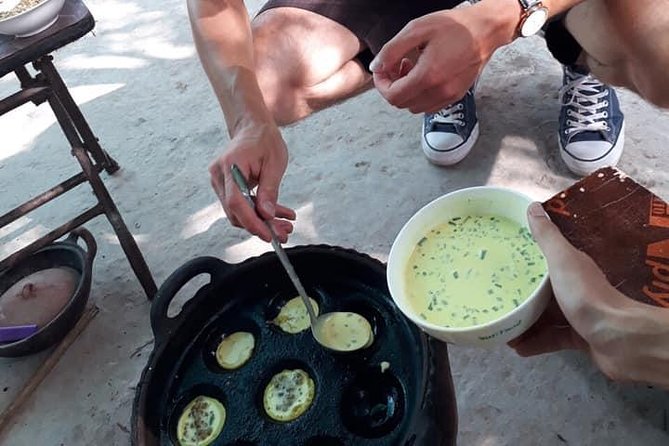
Here’s where this tour earns its strong reputation: cooking and lunch happen at a local family’s home in the countryside. The day centers on the family’s space, with lunch prepared by the host family and taught by their relatives.
One detail I really value is the home setting. A countryside family meal is less about performance and more about routine: food, conversation, and learning that doesn’t feel scripted. The experience description also makes it clear the hosts do things naturally, not like a high-production commercial operation.
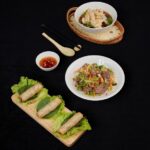
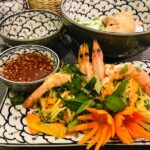
You’ll learn traditional foods, and specific dishes mentioned include bánh xèo and spring rolls. Lunch is part of the package, so you’re not spending hours “learning” without tasting the results.
When you eat, watch how flavors and textures are handled. These dishes often rely on balance between savory fillings, wrappers, and the cooking method. If you can, ask about what makes their version taste right—since you’re in their home, it’s the best time to get practical, repeatable answers.
The Hammock Nap and Countryside Time You Don’t Get on Fast Tours
After lunch, the day gives you an honest breather. You can take a nap with a hammock and relax at the home in the countryside. This is a rare moment in long Mekong-style itineraries, and it changes your whole experience.
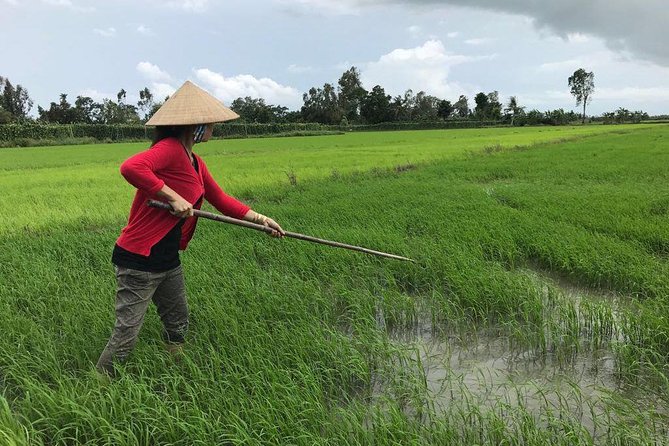
Then you’ll go around the countryside to experience daily life, including stops like a seasonal fruit garden and rice fields. You may also pick seasonal fruit by yourself and enjoy it on the spot.
This is the “slow travel” section, and it’s where the day stops feeling like a checklist. Instead of only looking at places, you participate—picking fruit, walking fields, and seeing how agriculture ties into local living.
Practical note: this part may involve uneven ground and outdoor walking. Wear shoes you can rely on, not sandals that slide. Bring light layers if the sun is strong later in the morning or early afternoon.
Price and Logistics: Does $119 Feel Worth It?
At $119 per person for a roughly 10-hour day with pickup, multiple food-culture stops, a cooking class, and lunch in a family home, the value mostly comes from what’s included in the day—not just the floating market.
Here’s what you’re really paying for:
- transportation from Ho Chi Minh City with very early departure
- breakfast connected to the Mekong setting
- a sequence of food-making and agriculture visits (noodles, cacao, market shopping)
- a hands-on cooking lesson with lunch
- time for a countryside reset (hammock rest) plus fruit and rice-field experience
If you’re the kind of traveler who enjoys food culture and agriculture, you’ll feel the price makes sense because so many parts are experience-based, not just sightseeing. If you only want one highlight (like floating market photos) and would rather skip cooking and farm time, then you may feel you’re paying for extra segments you don’t care about.
Also remember the tour is designed for group travel with a maximum of 60 people. Bigger groups usually mean less personal attention, but the home cooking setting still tends to feel more intimate than a typical mass restaurant.
Who This Tour Fits Best
This works best for you if you:
- like food experiences that teach you how ingredients get made
- enjoy small moments like market shopping, cooking, and eating with locals
- can handle an early start without turning grumpy by 7 a.m.
- want a countryside break after busy city or canal sights
If you’re traveling with kids, you’ll need to judge whether the 3:00 a.m. pickup and long day will be workable. The itinerary is food-heavy and outdoor-heavy, so plan for snacks and comfort.
If you want a tightly polished, corporate-style tour with constant rhythm and scripted timing, the “natural” family-run feel may be a good thing—or a mismatch. This is more visit-with-helpers than big-machine tourism.
Final Verdict: Should You Book This Mekong Day Trip?
I think this is a strong booking when your goal is more than a floating market photo. The combination of Cai Rang breakfast, food production stops, a cacao orchard visit, and a cooking lesson in a real countryside home gives you multiple ways to understand the Mekong Delta’s food and daily life.
Book it if you’re excited to cook, eat, and walk around farms. Skip it only if you hate early mornings or you’re looking for a purely scenic day with minimal participation.
FAQ
What time is pickup from Ho Chi Minh City?
Pickup is at 3:00 a.m. for this full-day Mekong Delta experience.
How long is the tour?
It runs about 10 hours.
What food is included during the day?
You’ll have breakfast in the Mekong, and you’ll also learn cooking and have lunch at a local family’s countryside home.
Do you actually cook during the class?
Yes. You go to a local market to buy materials, then learn to make traditional dishes in the family home, including foods such as bánh xèo and spring rolls.
Where does the countryside part take place?
After the floating market and food stops, you head to a local family home in the countryside. From there you relax and go around the area, including fruit gardens and rice fields.
What happens if the weather is bad or I need to cancel?
The experience requires good weather. If it’s canceled due to poor weather, you’ll be offered a different date or a full refund. You can cancel for a full refund up to 24 hours in advance.