REVIEW · HO CHI MINH CITY
Ho Chi Minh City: Vietnamese Homestyle Cooking Class
Book on GetYourGuide →Operated by Hoa's Kitchen · Bookable on GetYourGuide
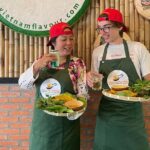
This is Vietnamese comfort cooking, the real way. You step into Hoa’s kitchen and cook like you’re visiting a friend, not attending a factory class. The hands-on homestyle feel, plus Hoa’s step-by-step teaching in English, is what makes this outing special.
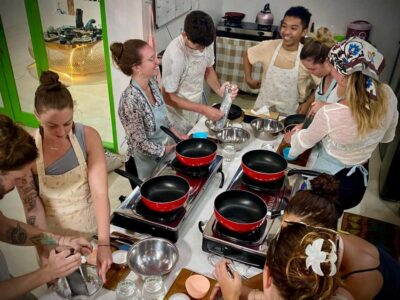
I love the no MSG approach and the way you actually cook the dishes from scratch, not just watch and taste. You get a small-group setup (max 6), and the pace stays friendly instead of rushing you through steps.
One thing to consider: it’s one shared menu for everyone, so you’ll all cook the same dishes at the same time (there aren’t separate stations for each guest). If you’re very picky about ingredient choices, you’ll want to communicate needs early.
In This Review
- Key things you’ll notice right away
- A homestyle cooking class in Ho Chi Minh that feels like dinner with a local friend
- The 3-hour rhythm: from chopping to sitting down
- What dishes you can cook (and how the menu stays flexible)
- Plant-based options: the vegan paths are clearly defined
- Gluten-free and allergies: tell them early
- The ingredient philosophy: no MSG, plus practical home-kitchen technique
- Small-group cooking: why max 6 participants changes everything
- Menu tailoring: requesting your dish and making it work for your diet
- Price and value: what $39 buys you in the real world
- Getting there without stress: District 4 meeting point and no pickup
- Who should book this homestyle class (and who might not love it)
- Optional add-on: a market visit if you want the ingredient story
- Bonus cultural moments: sometimes more than just cooking
- Final take: should you book Hoa’s Kitchen homestyle cooking class?
- FAQ
- How long is the Vietnamese homestyle cooking class in Ho Chi Minh City?
- What is the price per person?
- Is there pickup service from my hotel?
- Can the menu be adjusted for dietary needs like gluten-free or allergies?
- Are there vegan or plant-based options?
- Is a market visit included?
Key things you’ll notice right away
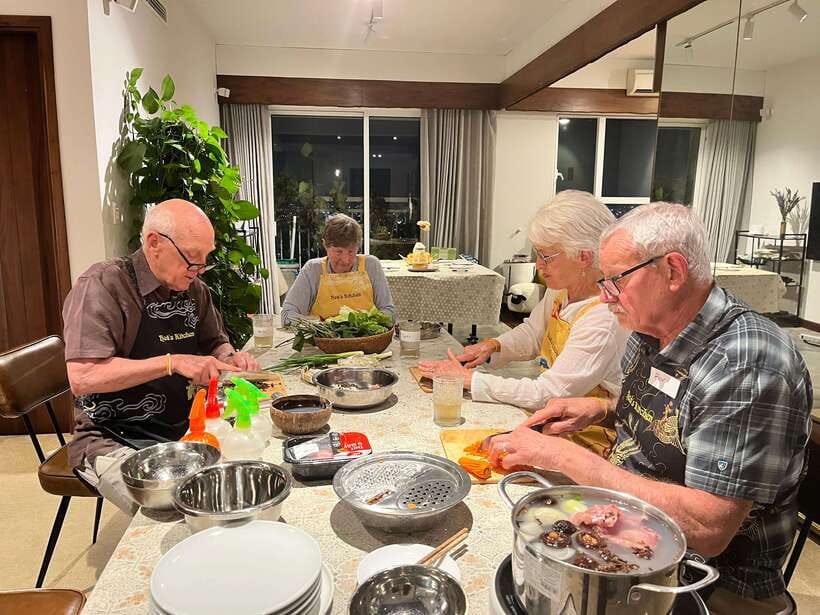
- English-guided cooking in a true home-kitchen setting
- Cook 2–3 dishes from scratch with everyone working together
- No MSG ingredients and fresh, everyday Vietnamese flavors
- Diet changes are possible, including vegan plant-based versions for select dishes
- Small group max 6, so you get real interaction instead of standing in line
- Optional market visit can be arranged for an extra fee (if you want it)
A homestyle cooking class in Ho Chi Minh that feels like dinner with a local friend
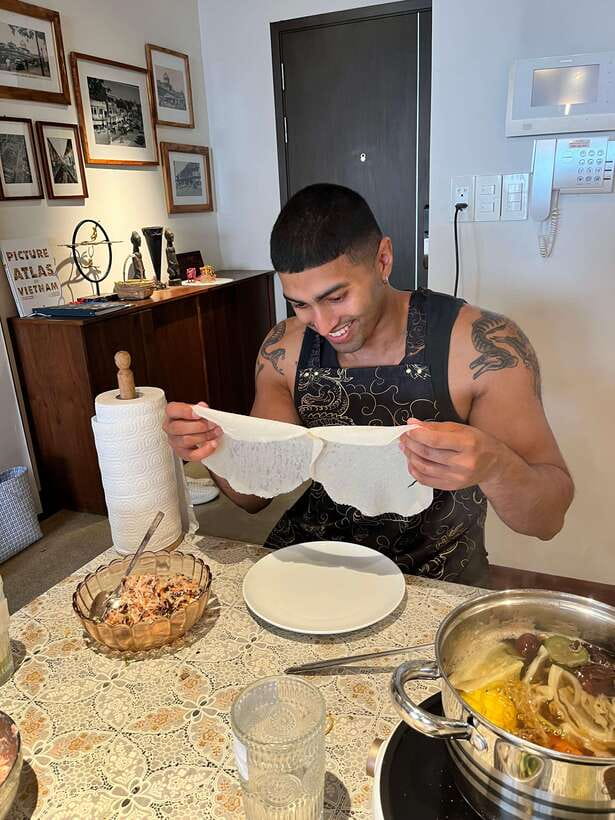
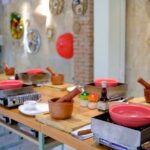
If you’ve been in Vietnam long enough to notice the difference between tourist food and real family food, you’ll understand why this kind of class works. This isn’t a big showroom kitchen. It’s set up to feel warm, personal, and practical, like you’re learning from a local who wants you to get it right.
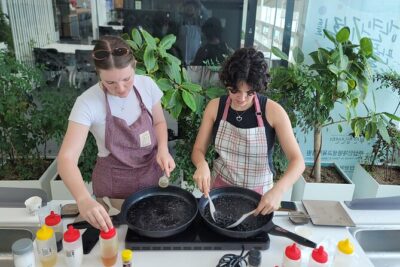
Hoa’s Kitchen is built around the idea of homestyle cooking. That means the techniques are explained clearly, and the focus is on what you can actually recreate later. In a lot of classes, you leave with recipes but not the confidence to cook them. Here, you work the steps yourself, with guidance while you’re cooking.
You’ll also feel the care in the setup. The class is designed for a small group with families and friends energy. One of the best parts is that it’s easy to ask questions mid-cook, because you’re not squeezed into a crowd.
You can also read our reviews of more tours and experiences in Ho Chi Minh City.

The 3-hour rhythm: from chopping to sitting down
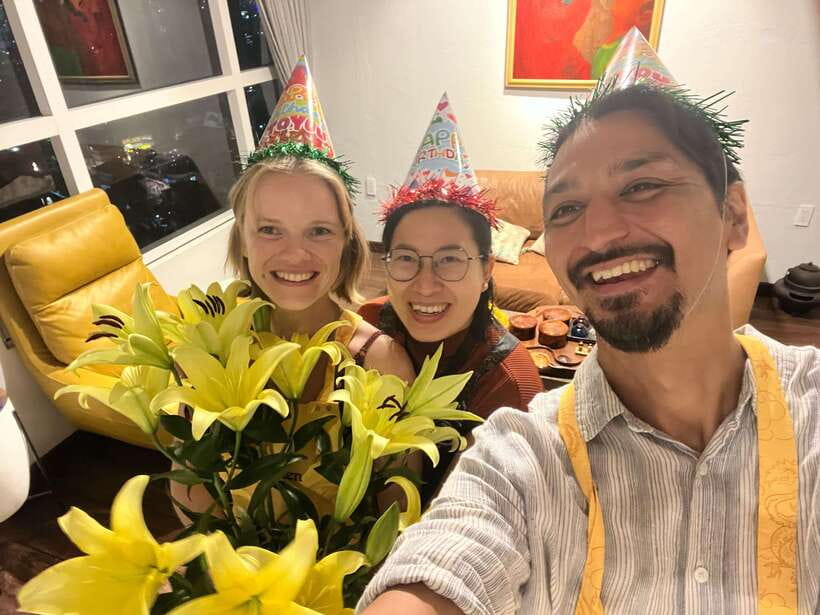
You’ll usually start by meeting at the activity’s location in District 4: 670/81 Doan Van Bo Street, Ward 8. From there, the class runs about 3 hours and ends back at the meeting point. No pickup service is offered, so plan to get there on your own (Grab/taxi is the simplest option).
Once you’re in, the flow is straightforward:
- You cook together as a group, with Hoa guiding step by step.
- You’ll work on your dishes from scratch, rather than assembling pre-made components.
- Along the way, Hoa shares tips that help you understand why each step matters.
This is the kind of class where you don’t just learn ingredients—you learn timing. Vietnamese dishes often rely on small technique details: how you season a filling, when to pour batter, or how to build a flavor base before simmering. With this format, you get those moments while your hands are still in the process.
And yes, you’ll eat what you make. That matters. In many cooking classes, the food is good but feels secondary. Here, the meal is the point.
What dishes you can cook (and how the menu stays flexible)
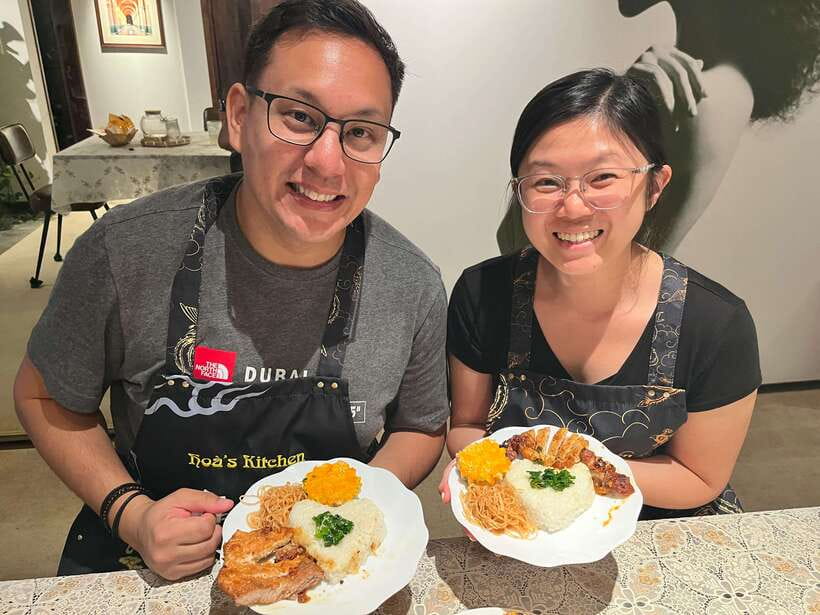
The class centers on making 2–3 dishes from scratch. The menu options cover popular Ho Chi Minh favorites and well-known Vietnamese comfort classics. Hoa also says you can request a specific dish at booking, which is a big deal if you’re chasing one craving for your trip.
Here are dishes offered in the program:
- Bún thịt nướng / Bún bò Nam Bộ (stir-fried beef or grilled chicken/pork noodle dishes)
- Bánh xèo (Vietnamese savory pancake with protein options)
- Phở gà (chicken noodle soup)
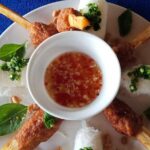
- Chả giò (fried spring rolls with pork/chicken)
- Bún cá (fish noodle soup)
- Mì xào bò (stir-fried noodles with beef)
- Bánh cuốn (rice crepe rolls)
- Gỏi (mango/papaya/pomelo/cabbage salads)
- Cơm tấm (grilled pork with broken rice)
- Cá kho (braised fish)
- Thịt kho (braised pork)
- Gà sả ớt (chicken with lemon grass)
What I like here is the balance: you’re not stuck choosing between “one soup” and “one snack.” You could end up with a noodle dish plus something crunchy (like spring rolls) plus a salad for freshness. That makes the meal feel like a real Vietnamese table, not a class menu.
Plant-based options: the vegan paths are clearly defined
If you eat vegan or vegetarian, you’ll be glad the class offers plant-based versions of specific dishes. The plant-based options listed include:
- dishes 1, 2, 3, 4, 6, 8
That’s a useful detail because it means they’re not only accommodating you by swapping one ingredient. You should be able to keep the same dish style while adjusting the components.
Gluten-free and allergies: tell them early
Hoa can tailor the menu for a gluten-free palate and other diets/allergies if you communicate in advance. Since there’s no guarantee every guest can create the exact same dish they want, your best move is to tell the organizer what you can and can’t eat before you arrive.

The ingredient philosophy: no MSG, plus practical home-kitchen technique
A lot of people worry about Vietnamese food being too “mysterious” to recreate later. Here, Hoa’s approach is designed to reduce that stress. You start from scratch and follow real steps, with guidance while you cook.
The class highlights high-quality ingredients and a no MSG approach. That’s more than a health claim. It changes the flavor profile. When a sauce or broth doesn’t rely on MSG for a punchy finish, your seasoning balance and fresh aromatics do the heavy lifting. You learn the difference when you make it yourself.
You also learn substitutes for harder-to-find items. Some dishes use herbs and pantry items that you may or may not have at home. The teaching style helps you understand what matters most: texture, aroma, salt balance, and timing.
One underrated benefit: the class is comfortable for people who don’t cook often. Several experiences describe it as relaxed and patient, with Hoa explaining clearly while still keeping the pace moving.
Small-group cooking: why max 6 participants changes everything
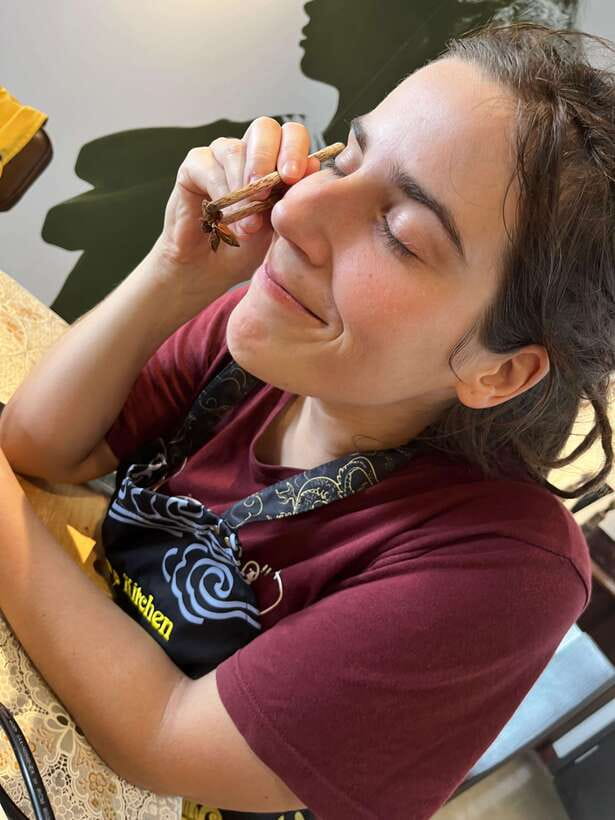
With a limit of 6 participants, this class avoids the common problem of cooking classes where you’re waiting for tools, waiting for your turn, or repeating instructions you missed. Here, you’re more likely to be involved in the key steps.
In practice, you should expect:
- a more personal pace (you can ask questions)
- teamwork as you assemble dishes together
- less stress around where to stand and what to do next
Also, the class format uses shared work rather than separate stations for each guest. That can sound like a downside, but it’s actually part of the charm. You’re cooking with others, talking, learning, and then sitting down together.
If you like cultural experiences that feel social and real, this is the way to do it.
Menu tailoring: requesting your dish and making it work for your diet
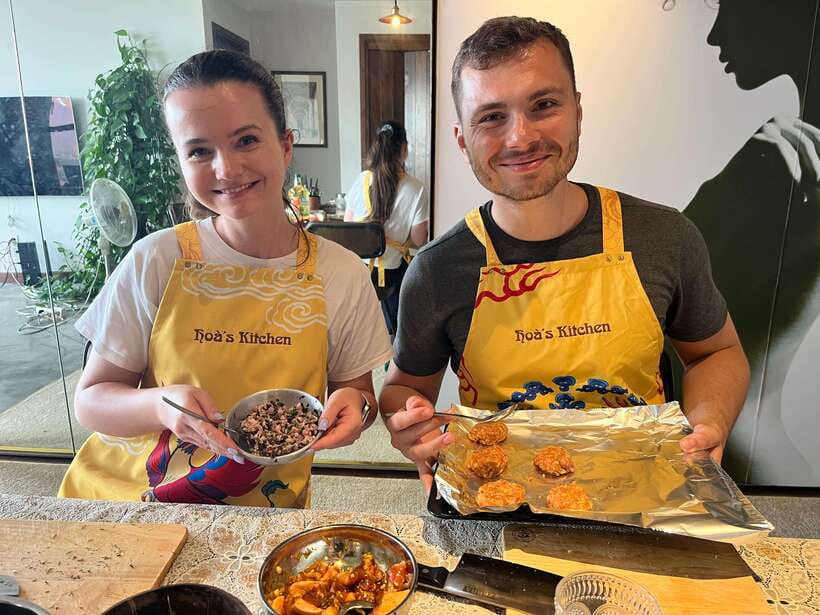
One big reason I recommend this class is the flexibility. You can:
- ask for a specific dish when you book
- request dietary adjustments, including gluten-free
- switch certain dishes into plant-based versions (for listed dishes)
If you have allergies or strong preferences, don’t keep it vague. Use the booking notes to specify what you need. Since the menu is shared, clear requests help everyone keep the cooking process smooth.
Also, decide what you want most: Do you want to learn a soup, a frying dish, or a noodle-and-sauce technique? If you’re choosing between learning techniques, think about what you’ll cook at home. A spring roll technique is fun and flexible. A pho-style broth is impressive and teaches timing. A salad helps you understand Vietnamese acid-sweet balance.
Price and value: what $39 buys you in the real world
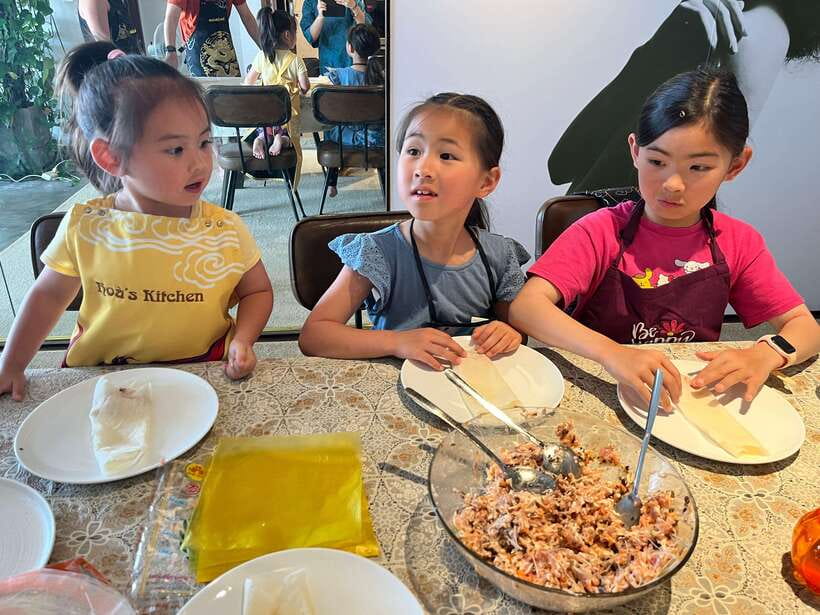
At $39 per person for about 3 hours, you’re paying for three things that are often expensive in Southeast Asia: quality ingredients, hands-on instruction, and a comfortable home setting.
Cooking classes can be good or bad, but the structure here matters. You’re not just tasting. You’re learning to make 2–3 dishes from scratch, and you’re doing it in a small group. That’s the value equation: the more you actually cook, the more the fee makes sense.
You also get English instruction, which is a practical win if your Vietnamese isn’t strong. Cooking is full of small steps and quick decisions. Having those explained clearly helps you walk away with something you can repeat.
A quick note: there’s no market visit included by default. If you add a market tour for an extra fee, your total cost will rise. If you love shopping for ingredients and want the sourcing story, that can be worth it. If you just want to cook, you’re already set.
Getting there without stress: District 4 meeting point and no pickup
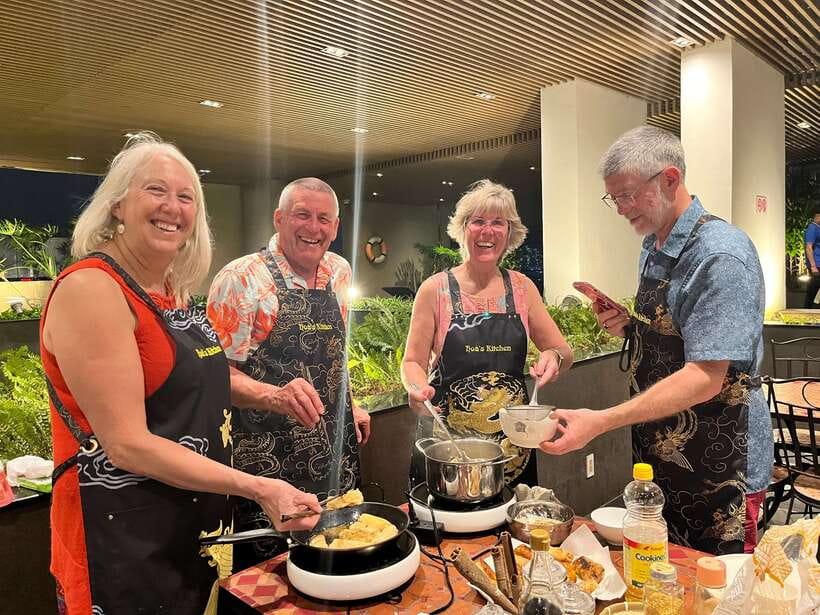
This is a self-arrival experience. Pickup service is not offered, so plan accordingly. The meeting address is in District 4, and the class ends back at the same meeting point.
If you’re staying in central areas, a short Grab ride is the usual way to handle it. The simplest plan is:
- check your route the day before
- build in a few extra minutes for pickup-free navigation
- bring cash or a card you can use for rideshare if needed
If you hate “finding the place” on an evening program, consider heading to the meeting point early and using the time to orient yourself. Cooking classes move faster once you arrive.
Who should book this homestyle class (and who might not love it)
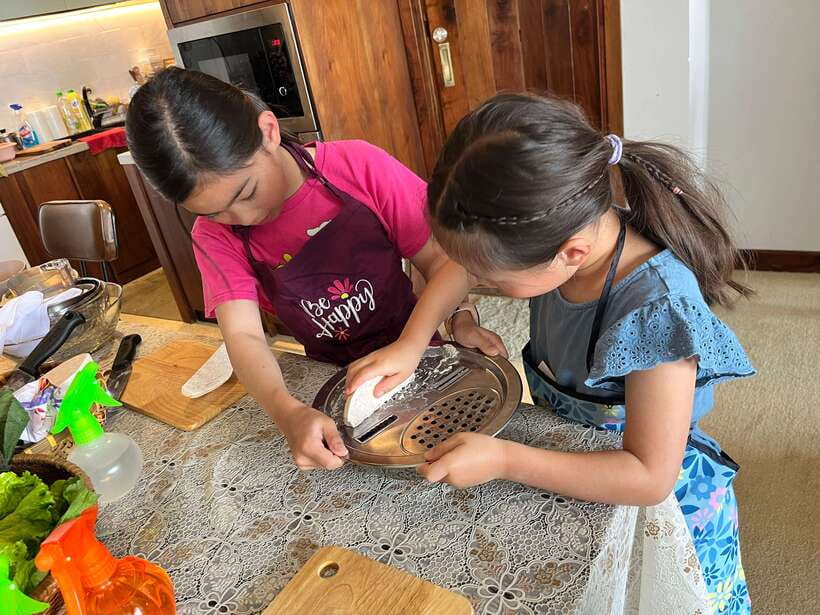
This class is a great fit if you want:
- a small-group cooking experience
- hands-on learning, not just tasting
- Vietnamese homestyle dishes you can remake at home
- dietary flexibility, including plant-based versions for specific dishes
It may be less ideal if:
- you need a private one-on-one station (there’s no separate station for each guest)
- you want alcohol involved (alcohol and drugs are not allowed)
- you prefer a loud, high-energy group setting (this is more friend-at-home than party)
One practical note: it says the experience is not suitable for people over 95 years. If you’re near that range, double-check the fit with the provider before booking.
Wheelchair accessibility is listed, so mobility needs are taken into account. Still, as with any home setting, it’s smart to ask questions about the space if you have specific requirements.
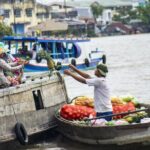
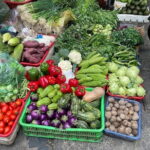
Optional add-on: a market visit if you want the ingredient story
A market visit isn’t part of the default program. It’s offered as requested with an extra fee.
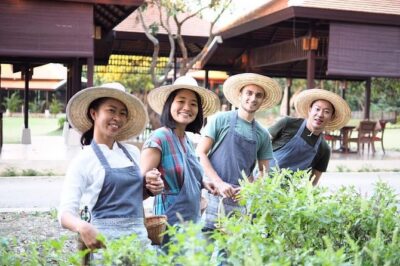
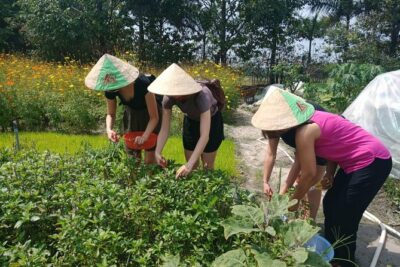
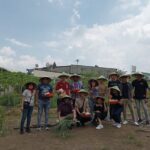
If you like understanding ingredients at the source—herbs, vegetables, and how vendors cut and portion things—adding the market can make the cooking lesson feel even more grounded. If you’d rather skip logistics and jump straight into cooking, you can just do the class and still learn plenty.
Bonus cultural moments: sometimes more than just cooking
The core experience is cooking and eating. But on at least one occasion described, the evening included a bonus cultural activity like dragon painting with an artist.
Since this isn’t presented as guaranteed, treat it as a possible extra, not a promise. Either way, the best part stays the same: you’ll leave with recipes and technique, not just memories.
Final take: should you book Hoa’s Kitchen homestyle cooking class?
I’d book it if you want a relaxed, authentic Vietnamese food lesson with real hands-on cooking. The no MSG ingredient approach, the chance to cook 2–3 dishes from scratch, and the small-group vibe are the big reasons. You’re not paying for a lecture—you’re paying to learn how to cook.
Skip it (or choose something else) if you’re looking for multiple separate stations, a big-group social atmosphere, or you can’t handle cooking a shared menu with others. Since it’s one menu for the whole group, it’s best for people who enjoy joining in rather than customizing everything on the fly.
If you’re in Ho Chi Minh City and you want one evening that turns into skills you can use later, this is one of the most practical and genuinely enjoyable choices you can make.
FAQ
How long is the Vietnamese homestyle cooking class in Ho Chi Minh City?
The class lasts about 3 hours.
What is the price per person?
It costs $39 per person.
Is there pickup service from my hotel?
No, pickup service is not offered. You’ll meet at the provided address and return there at the end.
Can the menu be adjusted for dietary needs like gluten-free or allergies?
Yes. The menu can be tailored for gluten-free preferences and other diets or allergies if you communicate those needs during booking.
Are there vegan or plant-based options?
Yes. Plant-based versions are available for dishes 1, 2, 3, 4, 6, and 8.
Is a market visit included?
A market visit is not included by default. It can be offered if you request it with an extra fee.