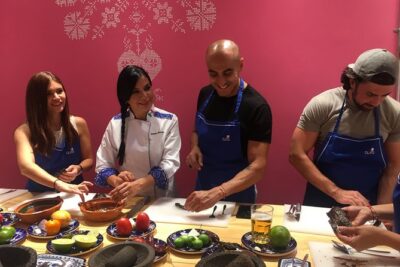
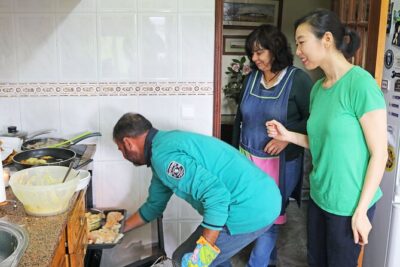
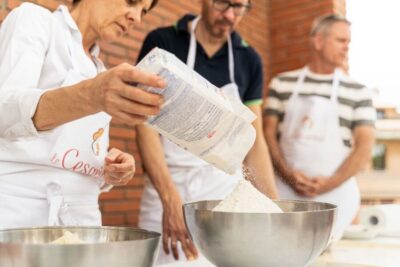
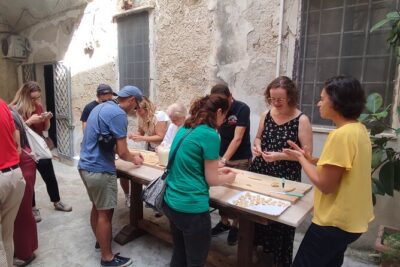
Dumplings made in a London kitchen. This private 3-hour class is a real cook-at-home experience, starting with dough and ending with you eating what you fold.
I love the hands-on flow, from kneading wrappers from scratch to learning the proper fold and cooking method. I also like the clear food variety, including three fillings, plus vegan and vegetarian options if you request them in advance.
One thing to keep in mind is the price: at about $117 per person, it’s best value when you go with a friend or family member and truly want the full practice, not just a quick bite.
In This Review
- Key highlights worth planning for
- A 3-hour dumpling class that feels like a real household lesson
- Meeting at Brunswick Quay: get oriented fast
- Tea first: a calm start before the flour flies
- From scratch wrappers and kneading dough
- Three fillings, chosen for real variety
- Folding and cooking the authentic way
- A meal at the end: eat first, then take more home
- The cultural context that actually sticks
- Price and value: what you’re really paying for
- Logistics that matter: slots, language, and food notes
- Who should book this dumpling class?
- Should you book it or pass?
- FAQ
- FAQ
- How long is the dumpling cooking class in London?
- How many people is the class for?
- What time slots are available?
- What is included in the class price?
- Do I need to bring anything?
- Can the class accommodate vegan or vegetarian diets?
- Is there a cancellation policy?
Key highlights worth planning for
- A private class for 2–6 people with your guide’s focused attention
- Tea break at the start to set a relaxed, local-home tone
- Dumplings from scratch: kneading, rolling wrappers, and making fillings
- Three filling styles, including pork options and seafood choices, with veg available on request
- You eat the results, plus leftovers to take away in containers you bring
- Recipe sent after the class, so you can reproduce what you learned
A 3-hour dumpling class that feels like a real household lesson
If you want something more fun than a standard “watch and taste” cooking stop, this class fits the bill. You show up with your appetite and leave with a repeatable skill: making Chinese dumplings properly, not just copying a restaurant plate.
This is a private setup for small groups (2 to 6). That matters, because dumplings are fiddly. The dough wants patience, the wrappers want the right thickness, and the fold needs confidence. In a group that size, you’re not waiting your turn.
And yes, it ends with dinner you helped make. That turns the class from a novelty into a meal you can actually enjoy while it’s still warm.
You can also read our reviews of more tours and experiences in London.

Meeting at Brunswick Quay: get oriented fast
The meeting point is 122 Brunswick Quay, London SE16 7PT. It’s near public transportation, which helps if you’re also doing a day of sightseeing.
Because the class runs for about 3 hours, arriving a little early is a good idea. You want time to settle in, especially since you’ll be moving from tea and instruction into hands-on work with dough and fillings.
This is also a mobile-ticket experience. So have your phone ready at check-in, and you’ll avoid the usual “where’s the confirmation?” stress.
Tea first: a calm start before the flour flies
The class begins with a welcome Chinese tea break. It’s not just a nicety. Tea sets the rhythm: you’re in a host-led home environment, not a loud studio, and the pace feels more like learning a family recipe than completing a timed activity.
After tea, you’ll get guided instruction before you touch dough. That early setup helps you avoid the common newbie problem: trying to start folding before you understand how the wrapper should feel.
You’ll also get background context during the lesson. From what you can expect, it’s not a dry lecture—there’s room for stories about dumpling culture and what dumplings mean in everyday life, especially for Chinese households in London.
From scratch wrappers and kneading dough
This is the part that makes the class worth it. The cooking doesn’t rely on store-bought shortcuts. You start from scratch, including kneading the dough and rolling the wrappers.
In practical terms, this teaches you what actually changes the dumpling. The dough’s texture affects stretching. Wrapper thickness affects how the filling cooks through. And wrapper handling affects whether the dumpling seals cleanly.
If you’ve ever tried to make dumplings at home and had them turn out thick, stiff, or split in the pan, this is where the fix comes from. You learn the “feel” of the dough—plus the basics of getting it thin enough without making it tear.
Tip if you want to make life easier: you’ll be told to use containers to take food home, and if you have short nails, wrapping can be easier. If your nails are long, you might want to plan for extra care so you don’t fight the dough.
Three fillings, chosen for real variety
The class is designed around making three types of fillings. The menu includes options like northern home-style dumplings with pork, and other meat choices depending on requests.
Here’s how the filling variety shows up in the experience:
- Northern-style dumplings with options that can include pork mince and alternatives like chicken, beef, lamb, or turkey
- Chinese chives with pork and king prawn
- Sweetcorn with pork
- Courgettes, eggs, and king prawn
You can also request vegan and vegetarian variations, or adjust the meat choices in advance.
That flexibility is more useful than it sounds. Dumplings are a crowd-pleaser, but not everyone wants seafood or the same meat profile. Having clear options means you can make dumplings that match your taste, not just whatever is on the day’s sheet.
Folding and cooking the authentic way
This class focuses on the method, not just the ingredients. You’ll learn how to properly fold and then cook the dumplings in the authentic Chinese way.
For most people, the folding is the steep learning curve. Too much filling and they burst. Too little and they look uneven. Wrapper thickness changes how the seal holds during cooking.
What makes this better than a generic lesson is the way you get guidance on what you’re doing while you’re doing it. In a private class, your guide can correct small issues before they become big problems.
You also learn how to cook them so they come out reliably. That means less “guessing” at home the next day. Instead of hoping your first batch turns out, you’ll have a method you can repeat.
A meal at the end: eat first, then take more home
Once the dumplings are finished, you sit down and eat what you made. The experience is built so you’re not stuck with the classic cooking-class problem: you work for hours and then eat something sad and cold.
Alongside the main dumplings, you get sides like baby cucumber salad and kimchi (optional). Tea continues during the class, and you may also get coffee and/or tea as part of the offering.
You can take leftovers home in containers you bring. That’s a small detail, but it turns the class into a real food investment. You’re not just paying for instruction; you’re leaving with extra meals.
The cultural context that actually sticks
Good cooking classes make you repeat what you learn. This one adds cultural context in a way that supports the food, not in a way that distracts from it.
You’ll pick up insights about Chinese food culture as part of the lesson. That includes the story around dumplings like potstickers, plus personal context from your host’s background living in London. It helps the food feel connected to real people and real routines, instead of being a museum item.
When the culture explanation stays tied to technique—why certain fillings work, why certain folds matter—it’s the kind of information you remember when you’re cooking again at home.
Price and value: what you’re really paying for
At $117.13 per person for about 3 hours, this isn’t the cheapest activity in London. But it’s also not trying to be.
Here’s where the value comes from:
- Private instruction for small groups (2–6), which you generally don’t get in mass classes
- From-scratch training: dough, wrappers, multiple fillings, folding, and cooking method
- Ingredients and tools included, so you don’t pay extra during the session
- Tea during the class and a full meal at the end
- A recipe sent after the class, which makes your learning portable
- Take-home leftovers, assuming you bring containers
If you only want to sample dumplings, you could pay less at a restaurant. But if you want the skill and the satisfaction of making wrappers and fillings that hold together, this is the kind of price that starts to make sense.
The best “math” is going as a pair or small group. Since it’s private for your group, you’re not spreading your attention across strangers.
Logistics that matter: slots, language, and food notes
Classes typically run at 10:30 AM, 2:00 PM, or 5:00 PM. Pick the slot that matches your day, because you’ll want a food break window that doesn’t collide with a long commute.
The class is offered in English, and you’ll get a confirmation at booking.
For dietary needs, the important part is the advance notice. Vegan/vegetarian and different meat requests are mentioned as available if you request them in advance in writing, so don’t wait until the day of.
Alcoholic beverages are not included. If you’re thinking about pairing with wine or beer, plan to skip it here unless you’re arranging something else.
There’s also a note about ordering organic products 3 days in advance and paying on the shopping receipt with no extra cost. If that matters to you, factor it into your planning timeline.
Who should book this dumpling class?
This is a great fit if you:
- want a hands-on cooking experience, not just tasting
- enjoy repeating recipes you learn with confidence
- like food activities that end in an actual dinner, not a snack
- want an option that works for pairs, families, and small groups
It’s also a nice choice for special occasions. In the real world, dumpling-making works well for birthdays, anniversaries, and team “let’s learn a skill” moments because everyone gets a role.
If you have mobility needs, you may find the host can adjust the setup so you’re comfortable while you work. The experience is designed around teaching people with different skill levels, and you’ll be supported rather than rushed.
Should you book it or pass?
Book it if your goal is to leave London with a dumpling skill you can repeat at home. The class’s main strength is that it teaches you the full chain: dough, wrappers, fillings, folding, and cooking. That’s the difference between learning a dish and learning a technique.
Pass or consider a different option if you want a very casual, low-effort food stop. You’ll be working with dough and doing real steps. Also, if price is the main driver, you might prefer a cheaper tasting-focused experience.
If you’re the type of person who likes to go beyond eating and actually understand how food is made, this one earns a strong spot on your London list.
FAQ
FAQ
How long is the dumpling cooking class in London?
It runs for about 3 hours.
How many people is the class for?
It’s a private class for your group, typically 2–6 people.
What time slots are available?
You can book 10:30 AM, 2 PM, or 5 PM.
What is included in the class price?
You get the ingredients and tools to make the dumplings, Chinese tea during the class, sides like baby cucumber salad (and kimchi optional), and the recipe sent after the class.
Do I need to bring anything?
Bring containers to take food home. An apron is suggested if you have one, and short nails can make wrapping easier.
Can the class accommodate vegan or vegetarian diets?
Yes. Vegan and vegetarian options are available on request, and you can request different meat choices in advance in writing.
Is there a cancellation policy?
Yes. You can cancel for a full refund if you cancel at least 24 hours before the experience starts. If you cancel less than 24 hours before, the amount paid is not refunded.