REVIEW · MILAN
Milan: Italian Cooking Class with Food and Wine
Book on GetYourGuide →Operated by CHEF AND THE CITY · Bookable on GetYourGuide
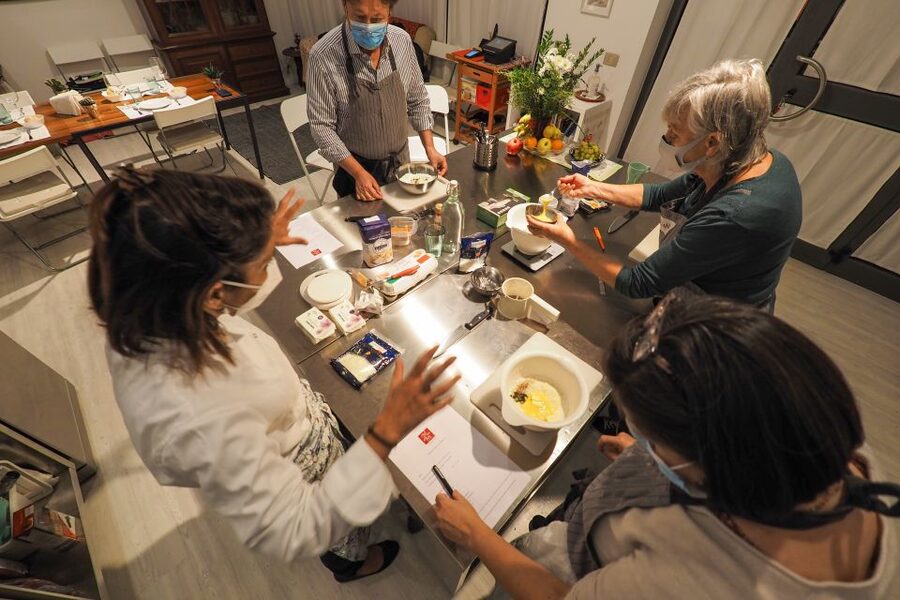
Pasta night in a real Milan kitchen. In Lombardy, this 3-hour class with Chef Ilaria (and sometimes other instructors like Klara and Fernando, depending on the session) mixes hands-on cooking, pro tips, and a shared meal where you actually taste what you made. You work at your own station, get an apron and gloves, and the whole rhythm stays practical: cook, learn, eat.
I love two things most here. First, you practice fresh pasta technique from scratch, not just assemble things. Second, you don’t end with a plate-to-go—you sit down, sip wine, and eat together in the dining room.
One consideration: this is a professional lab with strict kitchen rules—no food or drinks while cooking, and no tasting until you’re told—plus it isn’t wheelchair accessible. If you hate rules (or you need lots of mobility breaks), plan accordingly.
In This Review
- Key highlights worth knowing
- Where You Start: Chef and the City’s Street-Level Lab in Milan
- The 3-Dish Mission: What You Cook in This Milan Class
- Fresh Pasta From Scratch: Tagliatelle, Gnocchi, Ravioli, and More
- The Sauce and Starter Logic: Cacio e Pepe, Ragù, and Bruschetta
- Your Snack Breaks: Small Bites, Coffee, and Sweets Between Courses
- Eating What You Cook: Wine in the Dining Room
- The Chef’s Teaching Style: Ilaria, Corrections, and Real Italian Notes
- Practical Details That Matter: Rules, Gear, and Timing
- Value Check: Is $80 Worth It in Milan?
- Who This Class Fits Best (and Who Might Want Another Option)
- Should You Book Chef and the City’s Milan Cooking Class?
- FAQ
- How long is the Milan Italian cooking class?
- What will I cook during the workshop?
- Do I get recipes to take home?
- Is wine included?
- Where do I meet the class in Milan?
- Are cooking tools and safety gear included?
- Is the class kid-friendly?
- Is it wheelchair accessible?
- What are the key kitchen rules I should expect?
Key highlights worth knowing
- Learn at your own desk with tools and hands-on coaching
- Fresh pasta from scratch with shapes and techniques you can repeat at home
- Wine + a shared meal in the dining room after cooking
- Recipe handouts so you’re not guessing later
- Healthy, waste-free approach focused on smart cooking
- Clear kitchen rules that keep the class moving and hygienic
Where You Start: Chef and the City’s Street-Level Lab in Milan
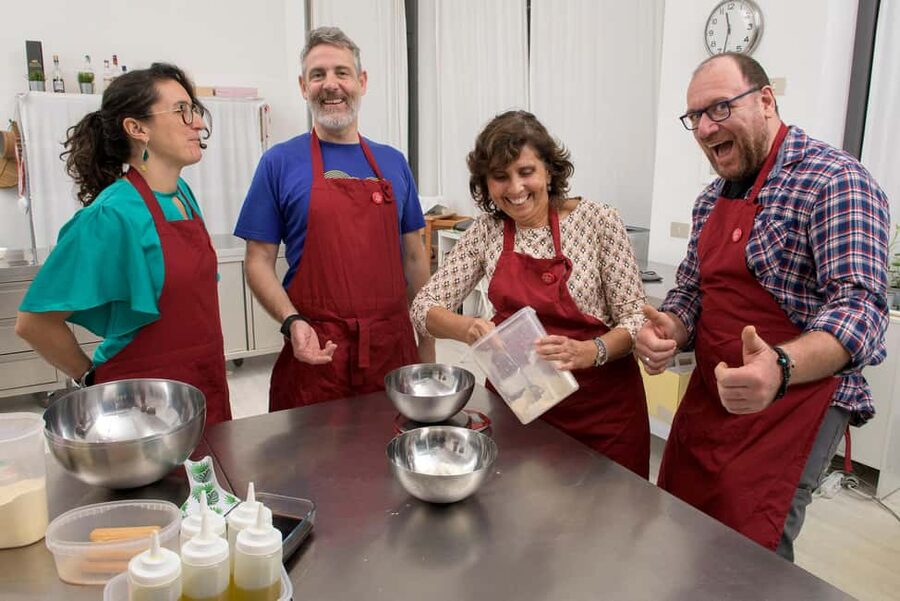
Your evening begins at Chef and the City, a street-level shop with three big windows and red signage on top. When you arrive, ring the bell at the main window door. It’s the kind of location that feels straightforward and local, not tucked behind a hotel lobby maze.
Once inside, the tone shifts fast from “tourist mode” to “kitchen mode.” This is a working professional setup, which matters because it changes how the lesson is run. You’ll be given what you need (apron, gloves, cooking tools), and you’ll be expected to follow lab-style rules so everyone stays on pace.
You should also come prepared for the social side of class. The format is group learning, but it’s still hands-on at your own personal desk. You’ll chat with the instructor, you’ll compare notes with your classmates, and by the end you’ll be sitting down as a group to eat what you made with wine.
You can also read our reviews of more tours and experiences in Milan.
The 3-Dish Mission: What You Cook in This Milan Class
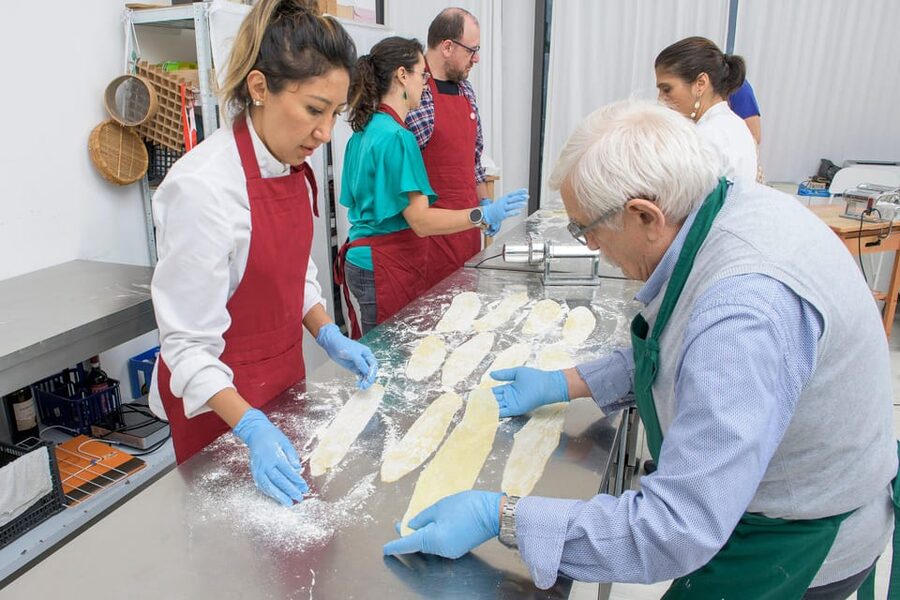
The core promise is simple: you cook three traditional Italian dishes under an Italian chef’s supervision. The exact menu can vary, but the class repeatedly centers on a few big anchors—fresh pasta, classic sauces, and a dessert finish.
From what’s shown in actual session examples, you might see combinations like:
- Bruschetta as a starter, plus a fresh pasta course and a dessert
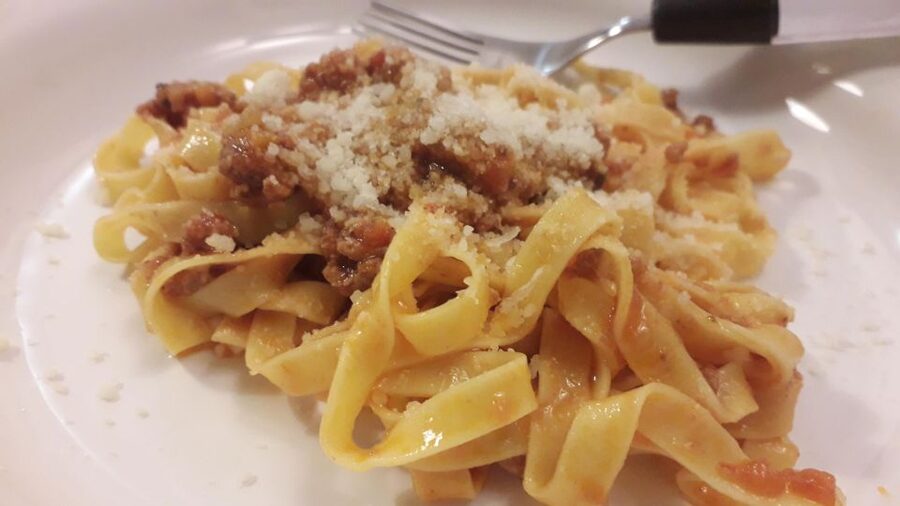
- Tagliatelle or another pasta shape from scratch with a classic sauce
- Gnocchi (often with a traditional seasoning approach) paired with other courses
- Ravioli as the pasta centerpiece
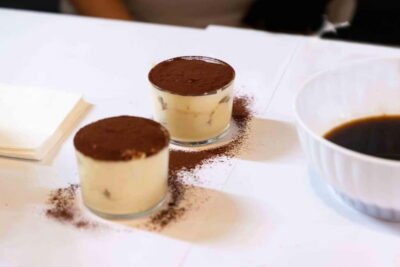
- Tiramù as a dessert highlight, along with versions of Italian sweet baking in some sessions
The best part for me is that the class doesn’t treat “Italian cooking” like one big blob of flavors. It breaks the cuisine into teachable pieces: dough technique, sauce logic, assembly, timing, and how to finish with something sweet.
Fresh Pasta From Scratch: Tagliatelle, Gnocchi, Ravioli, and More
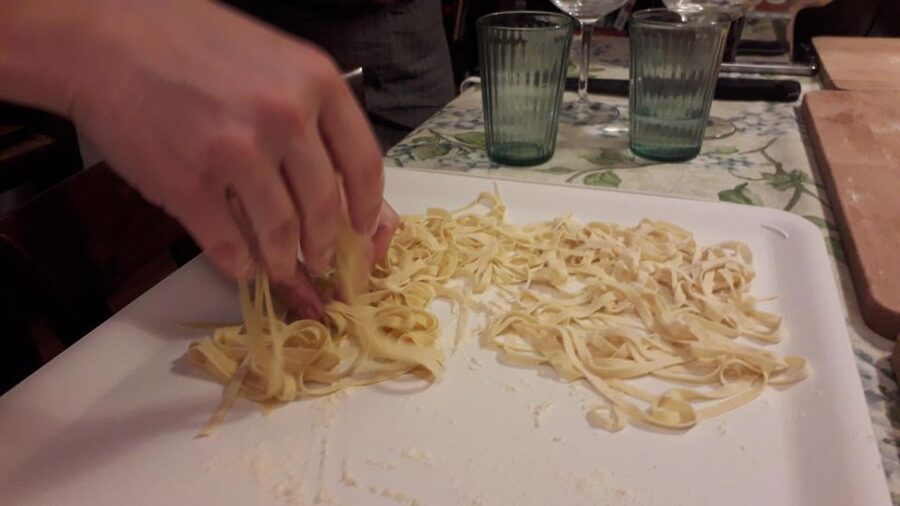
If your Milan trip includes one cooking skill you’ll actually use again, it’s this part. You’ll make fresh pasta from scratch and learn how to handle the dough and shape it properly. The course description mentions pasta varieties like tagliatelle, gnocchi, and ravioli.
What I like about this approach is that you’re practicing technique, not just following steps. When you roll, cut, shape, and manage the dough texture, you learn why Italian pasta feels different from dried pasta—and how to get that same springy bite at home.
There’s also a practical learning benefit: a lot of people think they need a special “pasta skill gene.” In class, you get coached on basics like how the dough should feel, what to watch for, and how to correct mistakes quickly. One common teaching style you’ll experience is the chef’s strong opinions on classic method—for example, you may hear firm guidance around how certain sauces are made (like the classic carbonara do-and-don’t rules: no cream, no bacon).
And yes, you’ll use the pasta machine if the class includes it. Even if you’ve used one before, the value here is getting feedback on how your shapes and dough behave in a real working kitchen setup.
The Sauce and Starter Logic: Cacio e Pepe, Ragù, and Bruschetta
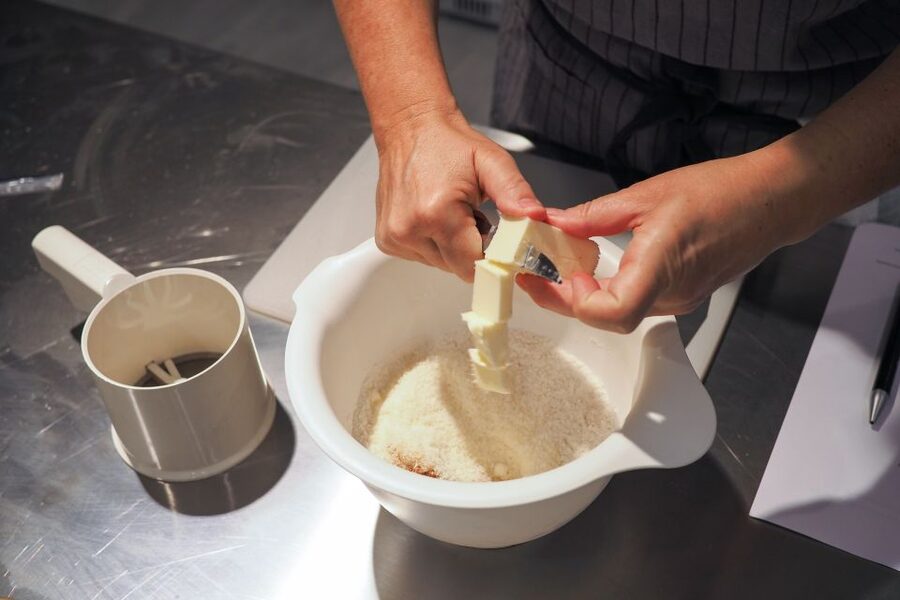
Pasta alone doesn’t make the meal. This class focuses on the supporting cast: sauces and classic starters.
The course info specifically includes classic Italian sauce territory like cacio e pepe and ragù. In practice, you’ll learn how to combine ingredients and hit the right texture and flavor balance—so the sauce clings properly, tastes layered, and doesn’t go bland or greasy.
You may also work with a starter like bruschetta, where the lessons feel more “real-life kitchen” than theoretical. It’s about timing and assembly: what goes where, when, and how to keep the topping fresh rather than soggy.
Also, the class frames it as healthy and waste-free cuisine. You don’t just cook for taste—you cook with a mindset. That means you’ll pay attention to portioning, smart ingredient use, and not building a mountain of leftovers “just because.”
Your Snack Breaks: Small Bites, Coffee, and Sweets Between Courses
Cooking for three hours can be intense. This class builds in light snack moments so you don’t run on fumes.
Expect small tastings of items like cheese, dry tomatoes, mortadella, and olives. There are also sweet breaks mentioned in the course info—cookies, biscuits, and candies—served with coffee, tea, infusions, and water.
The pacing here is part of the experience. You get fuel, you reset your focus, and then you jump back into the next course. It also keeps the group energy up, especially because everyone is learning something different at once.
One more practical note: there are kitchen rules for safety and hygiene—no drinks or food while cooking, and no tasting while cooking. So when the snack break happens, take it. That’s when you get the casual bites.

Eating What You Cook: Wine in the Dining Room
After the work comes the payoff. You sit together and enjoy the dishes you made, paired with wine. The course includes beverage, and wine is part of it, including red and white in some sessions.
This is one of the biggest value points for me. In a lot of cooking classes, you watch most of the time and eat a final plate that feels pre-arranged. Here, the class is built around the shared meal experience. You finish the course cycle the same way Italians often do: cook as a group, then slow down and eat.
You’ll also get plenty of conversation. The instructor and the group chat while you’re eating and sipping. It’s social in a natural way, not forced. If you’re traveling solo, this is exactly the kind of activity where you don’t feel isolated.
The Chef’s Teaching Style: Ilaria, Corrections, and Real Italian Notes
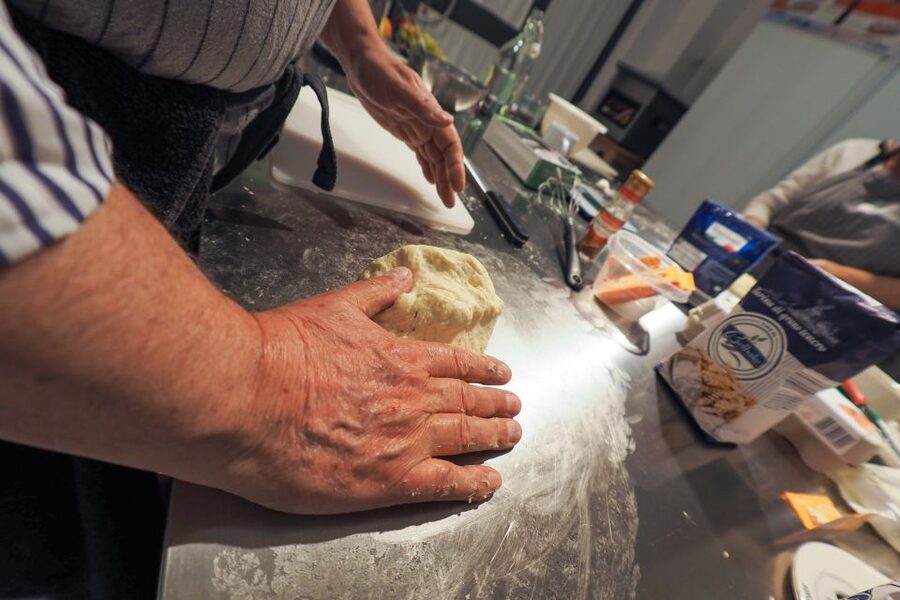
Chef Ilaria shows up again and again in recent sessions, and the teaching style comes through clearly: clear explanations, hands-on coaching, and a mix of technique plus cultural context.
One standout teaching detail you might hear is the emphasis on correct method. For example, with carbonara, the chef’s guidance can be blunt and memorable—never cream, never bacon. The idea isn’t to shame you at home; it’s to teach you the baseline so you understand what you’re changing when you personalize a recipe later.
You’ll also get correction in the moment. People sometimes arrive thinking they can just “wing it” with pasta dough. In class, you’ll learn quickly that small adjustments matter. That’s where the professional lab setup pays off: the chef can see what you’re doing, spot issues, and guide you without turning the class into a long lecture.
And it’s not only Ilaria. Some sessions reference other instructors like Klara and Fernando, which suggests you’re still in a structured team environment. Either way, the common thread is instruction that stays practical and focused on getting food to the finish line.
Practical Details That Matter: Rules, Gear, and Timing
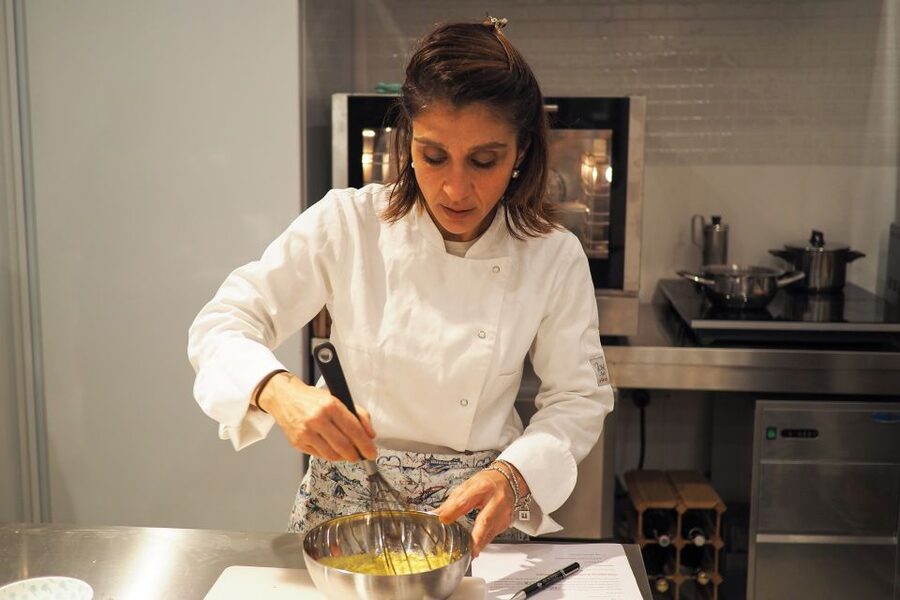
This isn’t a casual home-cooking gathering. It’s a professional cooking lab, so you’ll need to treat it like one.
Here’s what the rules mean for you day-of:
- No drinks or food while cooking.
- No tasting while cooking.
- Tie up long hair.
- No luggage or large bags.
- Pets are not allowed, and there’s a smoking area restriction.
Gear is provided: cooking tools, gloves, and aprons. That’s a relief because you don’t need to pack cooking equipment.
Pace is also part of the experience. The class is only three hours, so everything runs on a schedule. That’s why the snack breaks exist and why kitchen rules are strict. If you’re the type who likes to linger and read every step twice, you might feel it’s fast at first—but the payoff is you finish with a real meal.
In terms of languages, it’s Italian and English, with an Italian/English host or greeter.
Finally, keep your expectations matched to the format. The class is hands-on, but it’s still guided. You’ll actively cook, but you’re not taking a whole course series where you perfect one dish for a week.
Value Check: Is $80 Worth It in Milan?
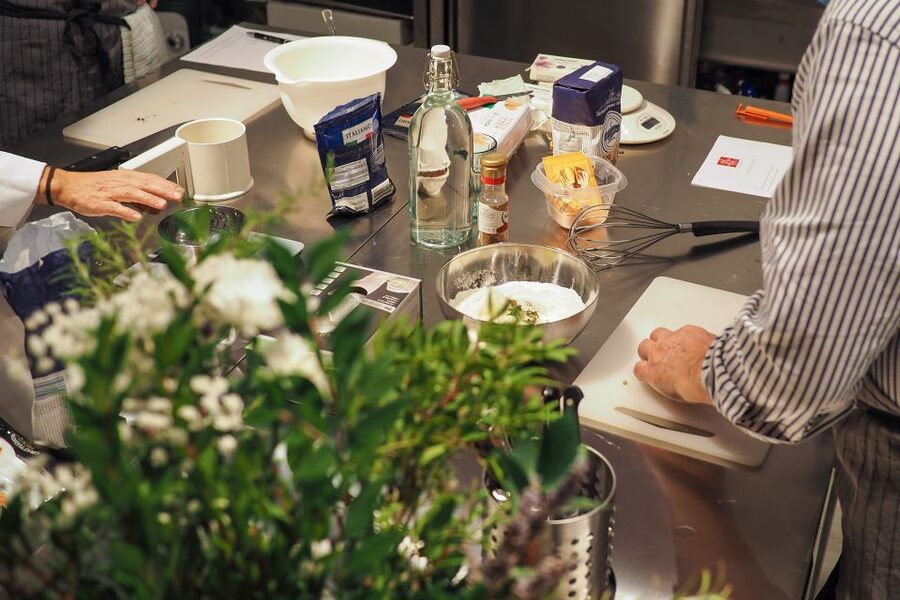
At $80 per person for 3 hours, the value comes from the total package, not just the food.
What you’re getting:
- A chef-supervised cooking lab experience
- Cooking tools, gloves, and aprons
- Food and beverage (including wine)
- A group meal where you eat what you cooked
- Recipe copies so you can reproduce the results later
If you were to buy ingredients, rent time in a kitchen, and handle the learning curve alone, the cost would likely climb quickly. Even if you already own some cooking gear at home, you’re still paying for coaching, lab setup, and the fact that your pasta shapes and sauces are made with guidance and corrections.
The recipe handout is also important. It turns the class into a tool you can use beyond vacation. Pasta dough, sauces, and Italian desserts are all repeatable—but only if you have the steps clearly written for your future self.
Who This Class Fits Best (and Who Might Want Another Option)
This experience is a great match if you:
- Want a hands-on Milan activity that doesn’t just involve looking around
- Like learning technique, not only eating
- Are comfortable following kitchen rules in exchange for good results
- Enjoy a social dinner with wine after cooking
It may be less suitable if:
- You’re under 10 years old (it’s not suitable for children under 10)
- You have mobility impairments (it’s not wheelchair accessible, and it’s not suited for mobility impairments)
If you have dietary needs, note that the class has accommodated gluten-free participants in at least one session. You should still mention restrictions when booking so the team can guide you within what they can support.
Should You Book Chef and the City’s Milan Cooking Class?
Book this class if you want a structured, technique-first Italian cooking experience that ends with a real sit-down meal. The mix of fresh pasta practice, classic sauce work, and a wine-and-dining finish is exactly the kind of activity that turns a trip into a skill you can bring home.
Skip it if you need a slow, no-rules environment, or if mobility and kitchen-lab constraints are a major issue for you.
If you’re deciding between a food tour and a cooking class, I’d choose this one when your goal is competence. You’ll leave with recipes, you’ll understand the method behind the dishes, and you’ll know what to do the next time you’re craving pasta nights—Italian style.
FAQ
How long is the Milan Italian cooking class?
The class runs for 3 hours.
What will I cook during the workshop?
You’ll prepare 3 traditional Italian dishes, including fresh pasta and classic Italian recipes (exact dishes can vary by session).
Do I get recipes to take home?
Yes. You receive a copy of all the recipes so you can recreate the dishes at home.
Is wine included?
Yes. Food and beverage are included, and wine is part of the experience.
Where do I meet the class in Milan?
You meet at Chef and the City, a street-level shop with three big windows and red signs on top. Ring the bell at the main window door when you arrive.
Are cooking tools and safety gear included?
Yes. The class includes cooking tools, gloves, and aprons.
Is the class kid-friendly?
No. It’s not suitable for children under 10.
Is it wheelchair accessible?
No. It’s not wheelchair accessible, and it isn’t suitable for people with mobility impairments.
What are the key kitchen rules I should expect?
You’ll be asked to follow lab rules, including no drinks or food while cooking, no tasting food while cooking, tying up long hair, and keeping luggage/large bags out of the kitchen area.