REVIEW · ZANZIBAR
Half-Day Kuza Cave Swimming Adventure and Cooking Class
Book on Viator →Operated by Kuza Cave Culture Centre · Bookable on Viator
Some places are better than the beach. This half-day in Zanzibar pairs cave swimming with Swahili food and music, all led by a social enterprise. You’ll start at Kuza Cave at 10:00 am, enjoy a peaceful jungle setting, and get a look at archaeological artefacts and a Swahili history timeline going back to East Africa’s earliest human story.
I especially love the way the experience links water, culture, and community. The guided swim in the crystal-clear cave water feels genuinely special, and the lunch/cooking break adds hands-on flavor instead of just watching. One consideration: transport isn’t included, and the guide may juggle multiple groups, so if you want the extra stops, ask clearly and early.
In This Review
- Kuza Cave Swims Meet Swahili History and Community Impact
- Key things I’d highlight before you go
- Where the Half-Day Starts: Kuza Cave in Jambiani
- Morning Session (10:00–11:30): Sacred Cave Swimming and Learning Stops
- What to do if you want every part of the morning
- Lunch Time (11:30–2:00): Cooking Class You Can Actually Taste
- Social enterprise ties: artists and musicians drop in
- Music and Jam Session Energy (Without Needing a Lesson)
- Price and Value: Why $13 Often Feels Like a Steal
- Group Size, Timing, and the Practical Reality of Shared Guides
- What to Expect from the Tea Garden Mention
- Who This Tour Fits Best
- Should You Book Kuza Cave Swimming and Cooking?
- FAQ
- How long is the Kuza Cave half-day tour?
- What time does the tour start and finish?
- Is lunch included?
- Does the price include transportation?
- Where does the tour start?
- Is the tour group size limited?
- Is drum or dance instruction included?
Kuza Cave Swims Meet Swahili History and Community Impact

This isn’t a stop-and-take-a-photo cave tour. You’re there for healing waters in an ancient sacred cave, and you also get context for what you’re seeing. Expect archaeological artefacts inside the cave, plus a timeline explaining Swahili history and themes tied to East Africa’s human origins.
The best part is that the day has more than one kind of payoff. You get the physical break of swimming, then you shift gears into learning and making food. And because the tour is run by a social enterprise, your ticket helps support local education projects through the cave visit and related community work.
Key things I’d highlight before you go
- Swim time in the cave water in a peaceful jungle setting
- Archaeological artefacts and a Swahili history timeline during the cave experience
- Social enterprise model that supports local education projects
- Open-plan cooking session focused on Zanzibar spices and fresh coconut milk
- Music and movement from local artists, with optional drum/dance lessons via separate booking
You can also read our reviews of more tours and experiences in Zanzibar.


Where the Half-Day Starts: Kuza Cave in Jambiani
The tour begins at Kuza Cave in/near Jambiani, Zanzibar, with the meeting point listed at Kuza Cave, Kibigija, Jambiani, Tanzania. It also ends back at the same meeting point, so you’re not spending the afternoon bouncing around the island.
Timing is tight in a good way: it runs about 4 hours total, starting at 10:00 am and finishing around 2:00 pm. That makes it easy to pair with beach time before or after. It’s also ideal if you want something cultural without losing the whole day.
Because it’s near public transportation, you’re not totally stuck if you don’t want to pay for a private vehicle. Still, since the tour does not include private transportation, it’s worth planning how you’ll get there and back.
Morning Session (10:00–11:30): Sacred Cave Swimming and Learning Stops
You arrive at Kuza Cave around 10:00 am. From there, the heart of the morning is the swim. The water is described as crystal clear, and the setting is framed as peaceful jungle. That combination matters: cave swimming can feel hectic on some tours, but here the emphasis is on calm time in the space.
You’ll also be shown archaeological artefacts found in/around the cave. This turns the experience from a simple activity into something with meaning. Alongside that, guides share a timeline of Swahili history that goes back to the beginning of the story as humans originating in East Africa. Even if you already know some Zanzibar basics, the way they connect place and history helps the cave feel more than just scenery.
What to do if you want every part of the morning
One practical note from real-world experience: the guide may be looking after multiple groups at once. If you care about the additional cave details beyond the first swim, make your request early. It helps to ask directly for the “other attractions” during your cave window, rather than waiting until the end.
Lunch Time (11:30–2:00): Cooking Class You Can Actually Taste
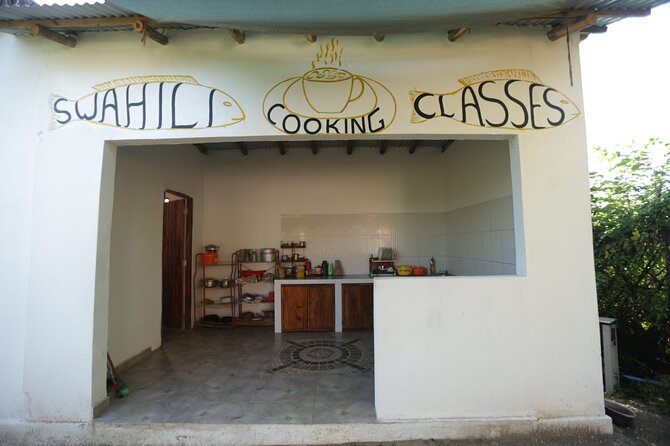
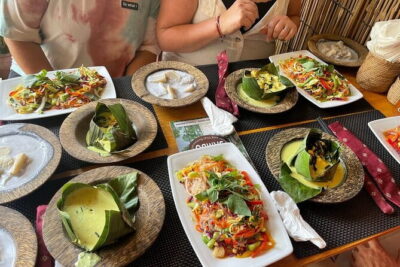
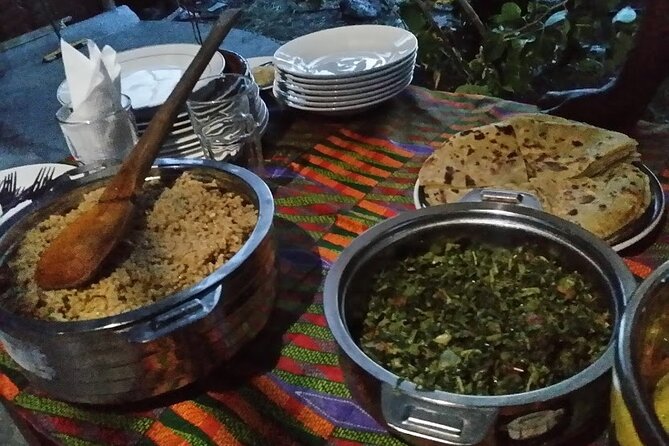
After the swim, you move into lunch around 11:30 am. Instead of handing you food and sending you away, this part is hands-on. You cook and eat with the group in an open-plan kitchen.
You’ll learn how to gently blend Zanzibar spices and make fresh coconut milk. The lesson isn’t just about ingredients—it’s about how to use them. You’ll prepare coconut milk to serve with rice, or to make mchuzi, which is a sauce.
This is one of the tour’s strongest values. For $13, you’re not only paying for lunch—you’re paying for a skill transfer that makes future meals in Zanzibar feel more personal. And it’s a great activity if you want something grounded in local life rather than tourist performance.

Social enterprise ties: artists and musicians drop in
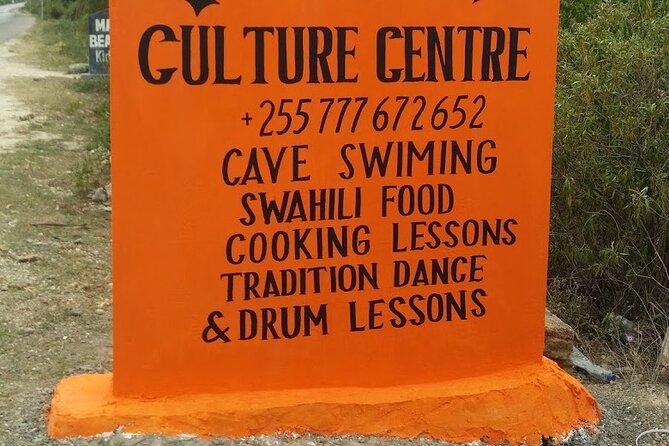
The cooking portion is also connected to music and local arts. The format includes support for local artists and musicians, who may drop in for a traditional afternoon of African drumming and dancing. There’s an important detail, though: if you want a drum or dance lesson, it requires a separate booking.
So think of your lunch as part meal, part cultural stage. Even if you don’t book the lesson, you’ll likely see and hear the local musicians in action during the session.
Music and Jam Session Energy (Without Needing a Lesson)
A big reason people like this tour is the music. One review summary calls it magical swims and superb music. The experience includes local musicians joining a jam session, and that’s where the culture really comes alive.
In plain terms, this is the moment when the day stops being only “activity” and becomes “show me how you live.” The drumming and dancing aren’t just background noise. They’re tied to the community angle of the cave centre and the social enterprise structure behind the tour.
If you’re the type who doesn’t need formal lessons to enjoy a cultural event, you’ll probably have a good time here. And if you do want structured instruction, you can plan for the separate drum/dance lesson booking.
Price and Value: Why $13 Often Feels Like a Steal
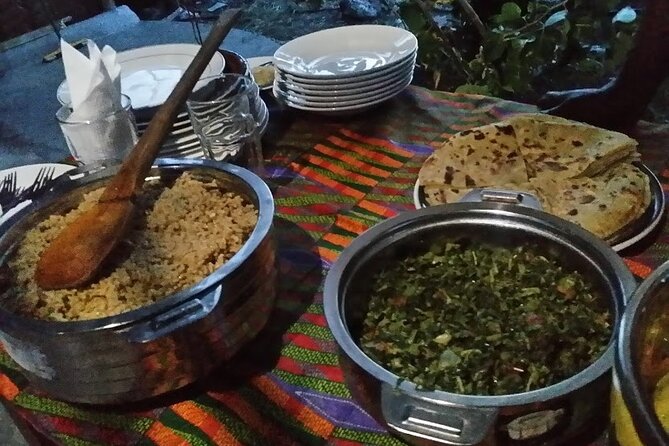
At $13 per person, this is one of the more budget-friendly ways to do a half-day that combines: cave swimming, a history explanation, and lunch with a real cooking lesson. The “budget” part matters because Zanzibar can be pricey once you start adding transport, guided experiences, and food.
What makes the price feel fair is that lunch is included, along with all fees and taxes. So you’re not guessing whether the main meal is extra, and you’re not surprised by surprise add-ons for the cave activity itself.
The one cost you do need to consider is transportation. Because private transport isn’t included, your total spend depends on how you plan to get to Kuza Cave and back. If you already have a ride or can use nearby public transit, the $13 value looks even stronger.
Also, the tour caps at 30 travelers. Smaller groups usually make it easier to ask questions and keep the timing of your cave experience smooth—especially during the swim and the history walk.
Group Size, Timing, and the Practical Reality of Shared Guides

With a maximum of 30 travelers, you’re not in a tiny private bubble, but you’re also not in a huge crowd. That’s a sweet spot for a cave swim: enough people to share the energy, not so many that you lose the guided parts.
Timing matters here because the day is tightly packed from 10:00 am to about 2:00 pm. If you want to ask questions, ask sooner rather than later. One review mentioned the guide was attending to four groups, which can lead to waiting or needing to request certain stops. So if something matters to you—like seeing extra cave features or the tea garden area—say so at the start of that segment.
What to Expect from the Tea Garden Mention
One review notes that the tea garden was disappointing. That doesn’t mean it will be bad for you, but it does suggest you shouldn’t treat the tea garden as the reason to book. Your main draws are the cave swim, the cave learning moments, and the cooking and music.
If tea is your priority, go into it with flexible expectations. If your priority is a memorable swim in a sacred cave plus a cooking class with coconut milk and mchuzi, you’ll likely feel like you came for the right reasons.
Who This Tour Fits Best

This is a strong match for you if:
- you want Zanzibar culture beyond the beach
- you enjoy hands-on food experiences (spices, coconut milk, and cooking)
- you like music and movement, especially drumming and dancing
- you’d rather spend a half-day well than cram in a full-day itinerary
It may be less perfect if:
- you need fully guaranteed one-on-one attention for every stop
- you strongly dislike group tours where you might have to ask to see everything
Should You Book Kuza Cave Swimming and Cooking?
If your idea of a great half-day is equal parts water, learning, and eating, I think you should book. The cave swim is the main event, and the cooking class makes the experience feel real, not just scenic. Add in the social enterprise connection to local education projects, and the ticket feels like it’s doing something more than filling time.
Book it especially if you’re price-conscious but still want a day that feels distinctly Zanzibar. Just plan your transport ahead, and bring a screenshot of your mobile ticket confirmation in case proof is requested and lookup systems are slow.
FAQ
How long is the Kuza Cave half-day tour?
It lasts about 4 hours.
What time does the tour start and finish?
It starts at 10:00 am and finishes around 2:00 pm, returning back to the meeting point.
Is lunch included?
Yes. Lunch is included in the tour price.
Does the price include transportation?
No. Private transportation is not included.
Where does the tour start?
The meeting point is Kuza Cave, Kibigija, Jambiani, Tanzania.
Is the tour group size limited?
Yes. The maximum number of travelers is 30.
Is drum or dance instruction included?
Traditional drumming and dancing may happen, but drum or dance lessons require a separate booking.