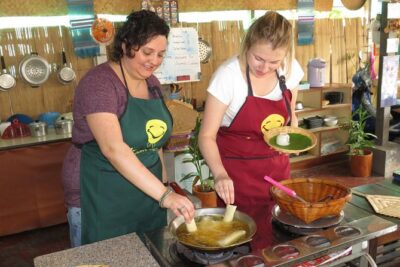
Fresh tortillas beat any taco night out. I love that the class mixes ingredient stories with real cooking so you eat 3–4 dishes you helped make, not just watch. And I especially like that digital recipes are sent to you afterward by email.
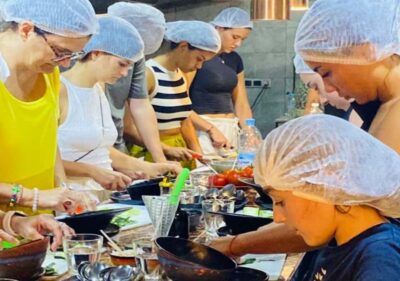
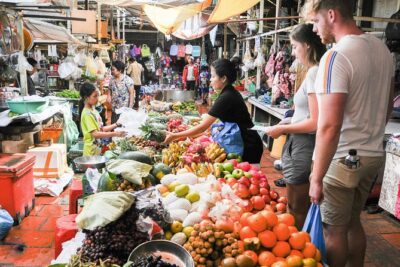
I also like the small-group feel: the experience is limited to up to 6 travelers, run in English, and designed so you’re busy from prep through plating. You’ll start with fresh ingredients laid out in front of you, then move into cooking.
One possible catch: a past participant reported the group felt larger than expected, which can cut down hands-on time. If getting your hands on the food is your priority, it’s smart to check day-of headcount at the meeting point.
In This Review
- Key highlights before you go
- Mazatlán cooking starts at a clear, local meeting point
- What you’ll cook: a menu that adapts to what’s fresh
- The class flow: ingredient context, prep, then cooking
- Tortillas and tacos: the skill you’ll actually use later
- The dishes: what each one teaches you about Mexican flavors
- What to eat and what to leave with (besides full satisfaction)
- Small group, English-led, and the “find the place” reality
- Price and value: $95.59 for food, skills, and a real meal
- Should you book the Authentic Mexican Cooking Class in Mazatlán?
- FAQ
- What time does the class start in Mazatlán?
- How long is the cooking class?
- Where do I meet the instructor?
- Is the class in English?
- How many people are in the group?
- What will I be cooking during the class?
- Do I get recipes after the class?
- Does the activity end where it starts?
Key highlights before you go
- Up to 6 people keeps the class personal, so you’re not lost in the crowd
- Menu changes with fresh local ingredients, so you’re cooking what’s good right now
- You’ll make tortillas and dishes, not just assemble plates
- English instruction plus ingredient context makes it easier to repeat at home
- Email recipe copy means you can actually cook again later
Mazatlán cooking starts at a clear, local meeting point
This class is based in Mazatlán and runs from 10:00 am for about 3 hours 30 minutes. The meeting point is specific and easy to share with a taxi or rideshare: Av del Tiburón 1825-depto 106, El Encanto, 82100 Mazatlán, Sin., Mexico. It ends back at the same place, so you’re not figuring out transport after a full meal.
The experience is capped at a maximum of 6 travelers, which matters more than it sounds. In a class like this, the real value is time on the cutting board and time at the stove. Smaller groups usually mean more attention when you’re learning something new, like rolling tortillas or seasoning to taste.
One practical tip: because this is a residential-style meeting point, take a screenshot of the address and building details before you leave. One guest noted it was a tiny bit tricky to find the exact building, but the instructor was there to greet them once they arrived. I’d still arrive a few minutes early so you’re not scrambling while everyone’s already starting.
What you’ll cook: a menu that adapts to what’s fresh
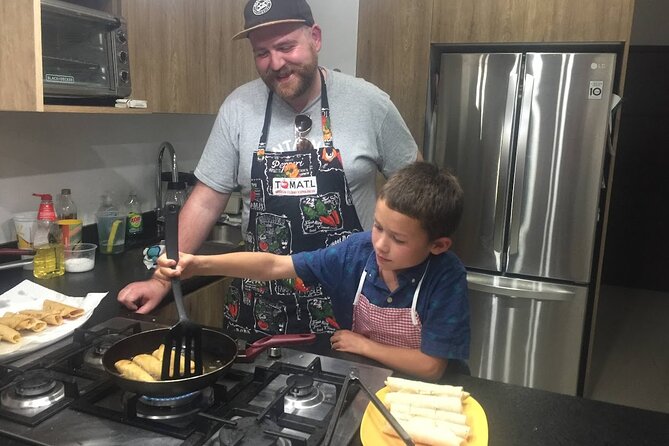
The menu is not always the same. The class changes based on local and fresh ingredients available, so your dishes may differ from day to day. That’s a feature, not a bug. It means you’re learning real Mexican cooking patterns—what to do when the produce and peppers you find today are slightly different from yesterday.
From the sample menu, you can expect the class to rotate among classic favorites like these:
- Guacamole as a starter: fresh avocado with onions and cilantro
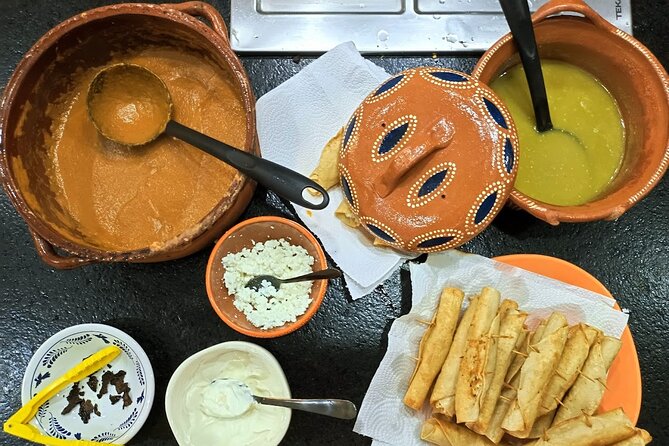
- Tacos with hand-made tortillas: and sometimes the class includes extra building blocks like hand-made tortillas and even stews to fill the tacos
- Flan for dessert: a traditional Mexican finish
- Other possible dishes include poblano soup, chiles rellenos (poblano peppers stuffed with cheese and topped with sauce), and enchiladas (tortillas filled with vegetables and cheese)
Even if your exact combo changes, the structure stays similar: you’ll work through 3 to 4 dishes, and you’ll eat what you cook. I like this approach because it teaches you how a meal comes together—starter, main, dessert—rather than turning the class into a series of disconnected demos.
The class flow: ingredient context, prep, then cooking
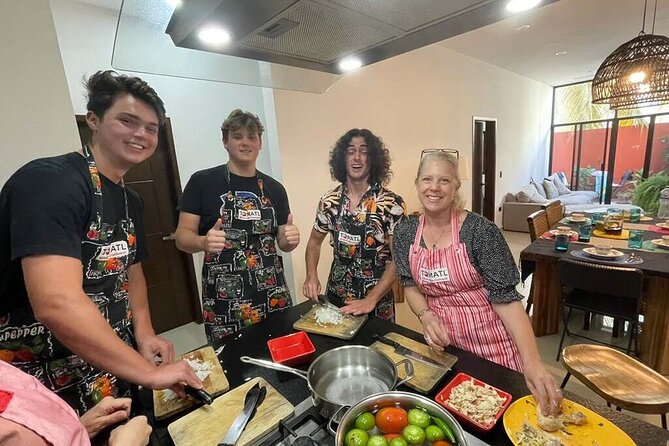
When you arrive, the instructor shares context and history of the ingredients and dishes you’re about to cook. It’s not just trivia. You’re learning why certain ingredients show up together—like peppers paired with corn, or the role of herbs and aromatics in fresh salsas. It also helps you understand what you’re aiming for when you taste and adjust.
Then the hands-on part starts. You’ll see fresh ingredients laid out first, and you’ll begin preparation, step by step. The class includes cooking from 3 to 4 dishes, plus soft drinks during the meal.
Here’s what you should mentally plan for:
- You’ll likely spend time prepping ingredients (chopping, mixing, stuffing, or assembling).
- You’ll cook, not just “watch cooking.”
- You’ll eat the meal you create right after cooking finishes.
This is the part that makes the experience worth it. If you come hungry (do), you’ll leave with a full belly and a clearer sense of how Mexican dishes are built. And if you want to recreate the food later, the ingredient context plus technique practice is what you’ll remember.
Tortillas and tacos: the skill you’ll actually use later
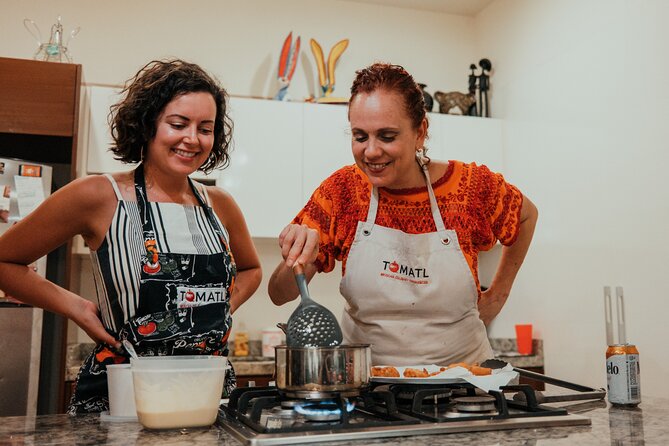
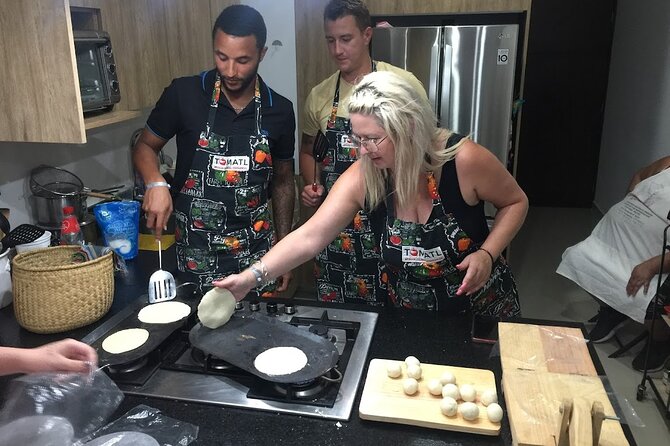
The class puts a spotlight on tortillas, especially in taco sessions. You’ll learn how to make hand-made tortillas, and the taco build is where those tortillas really matter.
From the example format, you may do something like:
- Prepare tacos using freshly made tortillas
- Use fillings such as vegetables and cheese for enchiladas
- Cook chiles rellenos, which involves stuffing and then topping with sauce
- Or make something like poblano soup for a warm, pepper-forward starter
Why this matters for you: once you know the tortilla basics, the rest of Mexican cooking feels more doable. You can recognize ingredients by flavor. You can also adapt at home if you don’t find the exact same pepper or cheese.
Also, there’s a human side to this part: multiple guests called out the fun of making corn tortillas, and that fits the feel of the class. Rolling tortillas can be a little messy at first, but it’s also the fastest route to feeling like you’re part of the meal, not just an observer. If you want a class where you can talk, laugh, and work with your hands, this is that.
The dishes: what each one teaches you about Mexican flavors
Even with a changing menu, these dishes give you a solid map of Mexican flavor and technique.
Guacamole (starter):
You start with fresh avocado, with onions and cilantro. It’s a simple-sounding mix, but it teaches balance. The avocado provides creaminess; the onions add sharpness; the cilantro brings that bright herbal note. You learn that guacamole isn’t just about mashing—it’s about seasoning and getting the texture right.
Tacos and tortilla work (main):
Whether your fillings lean veggie-forward or come with other components like stews, taco prep is where technique meets flavor. You’ll see how ingredients are portioned, seasoned, and assembled so the tortilla doesn’t become a soggy mess.
Poblano soup (starter option):
Poblano peppers and corn are a classic combo for comfort and depth. If you cook this one, you’re getting practice with pepper flavor and how corn helps round things out rather than letting heat dominate.
Chiles rellenos (main option):
Stuffed poblanos topped with sauce teach a different skill set: portioning, stuffing without overfilling, and coordinating with the sauce. It’s more complex than chopping, so it’s a good “I want to level up” dish.
Enchiladas (main option):
Tortillas filled with vegetables and cheese show you how a simple filling becomes a finished meal. If you cook enchiladas here, you’ll learn the assembly rhythm—filling, arranging, and finishing so everything stays cohesive.
Flan (dessert):
Flan is a traditional Mexican dessert and an easy win for the home cook because it’s recognizable and forgiving in concept. It gives the meal a sweet ending and helps you see Mexican dessert as part of the same everyday cooking world, not a special restaurant-only thing.
What to eat and what to leave with (besides full satisfaction)
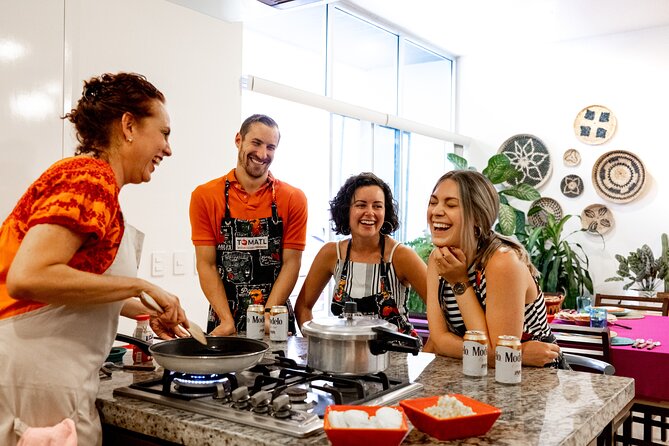
This class is built around the idea that you should come hungry—because you end up eating a lot of food you helped cook. The meal includes what you make (from 3 to 4 dishes) and soft drinks.
For practical value, I think the best part is the take-home system:
- You’ll receive digital recipes by email.
That’s huge if you travel with good intentions. Most cooking classes feel like a fun evening that vanishes after you get home. Email recipes make it easier to repeat the food without hunting for notes or translating vague memory. I also like that menus shift based on what’s fresh; it means you’re learning flexible cooking logic, not only one rigid script.
Small group, English-led, and the “find the place” reality
This experience is offered in English, which makes a difference in cooking classes. You want to understand the why behind technique, especially for things like tortilla-making and pepper-based dishes. English instruction also helps you ask questions without the awkward pause.
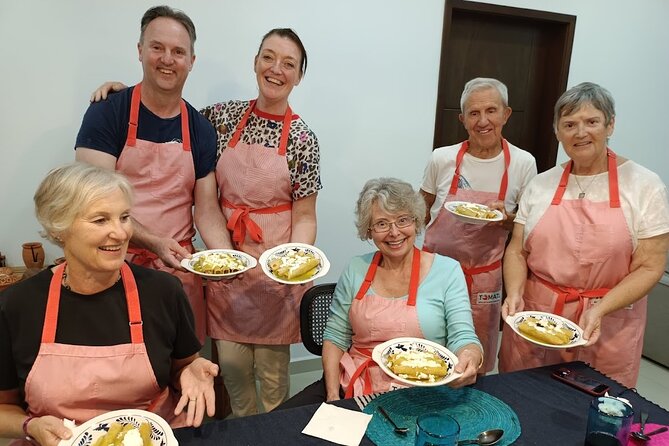
The class is also capped at a maximum of 6 travelers. That’s the sweet spot where you can get help without feeling like you’re taking up the instructor’s attention every two minutes. You’ll also get the social payoff—small-group conversations, a few new friends, and the shared excitement of cooking something you can taste right away.
One more detail from the experience style: the meeting point is a specific address in a residential area. That means you should expect a little “where exactly is it” moment. I’d still bring the address in offline mode and arrive early. When one guest had trouble finding the exact building, the instructor was still present to greet them, so you’re not left hanging—but you’ll have a smoother start if you’re on time.
Price and value: $95.59 for food, skills, and a real meal
At $95.59 per person, this isn’t a bargain in the way a street snack is. But it’s also not overpriced when you think about what’s included.
You’re paying for:
- 3 to 4 dishes cooked by you
- soft drinks
- English instruction
- context about ingredients and dishes
- digital recipe copies sent by email
- a small group setting designed for hands-on work
In plain terms, you’re buying a full meal experience with skills attached. A class like this can be the most efficient “taste and learn” option in a short trip, especially if you want more than one taco tour but less than a whole day of sightseeing.
If you’re the type who likes to cook at home, this price feels easier to justify because you can translate the learning into repeat dinners. If you’re not a kitchen person, it can still be worth it because you’ll eat well and enjoy the structure of the meal from start to finish.
Should you book the Authentic Mexican Cooking Class in Mazatlán?
I’d book it if you want an authentic, hands-on meal in Mazatlán that teaches you more than just how to eat. The combination of small group size, English instruction, and tortillas plus multiple dishes is the draw. Add in the email recipes, and you’ve got a strong chance of recreating at least part of the experience when you’re home.
I’d think twice if you’re very sensitive to losing hands-on time. While the experience is listed as up to 6 travelers, one account reported the group felt crowded on a past date. If you care a lot about uninterrupted prep and cooking, confirm the group size when you arrive.
If you’re coming for flavor, technique, and a meal you’ll actually talk about afterward, this one fits.
FAQ
What time does the class start in Mazatlán?
The class starts at 10:00 am.
How long is the cooking class?
It runs for about 3 hours 30 minutes.
Where do I meet the instructor?
You’ll meet at Av del Tiburón 1825-depto 106, El Encanto, 82100 Mazatlán, Sin., Mexico.
Is the class in English?
Yes, the experience is offered in English.
How many people are in the group?
The class has a maximum of 6 travelers.
What will I be cooking during the class?
You’ll cook 3 to 4 dishes (plus soft drinks). The exact menu can change based on local and fresh ingredients available.
Do I get recipes after the class?
Yes. You’ll receive digital copies of the recipes by email.
Does the activity end where it starts?
Yes, it ends back at the meeting point.