REVIEW · KATHMANDU
Kathmandu: 3-Hours of Cooking Class with Meals
Book on GetYourGuide →Operated by Cordial Trek Pvt. Ltd. · Bookable on GetYourGuide
Spice, steam, and a Kathmandu kitchen lesson. This hands-on class turns you from spectator into cook as you make traditional Nepali dishes from scratch, with momos built into the experience. Two things I like a lot are the step-by-step instruction and the way you can adjust flavors on the fly, especially the chili level.
One caution: the experience is sold as a 3-hour class, but you should plan for the full 3–4 hour window so your timing matches what happens in the kitchen.
In This Review
- Key highlights to know before you go
- A cooking class in Kathmandu that actually feeds you
- How the “three menus” format keeps it fun (not rushed)
- Step-by-step guidance, and why it matters for beginners
- Picking ingredients (and why it can be the real lesson)
- The dishes and the flavor logic: what you’re really learning
- Lunch, momos, and masala tea: the part you’ll remember
- Getting from your hotel without stress
- What to wear and bring (so you’re comfortable in the kitchen)
- Price and value in Kathmandu terms
- Who this cooking class is perfect for
- Who should think twice
- Should you book this Kathmandu cooking class?
- FAQ
- How long is the cooking class in Kathmandu?
- Is prior cooking experience required?
- What’s included with the class?
- Are momos included?
- What languages will the instructor use?
- Do I need to bring anything?
- Is the activity suitable for young children or mobility needs?
Key highlights to know before you go
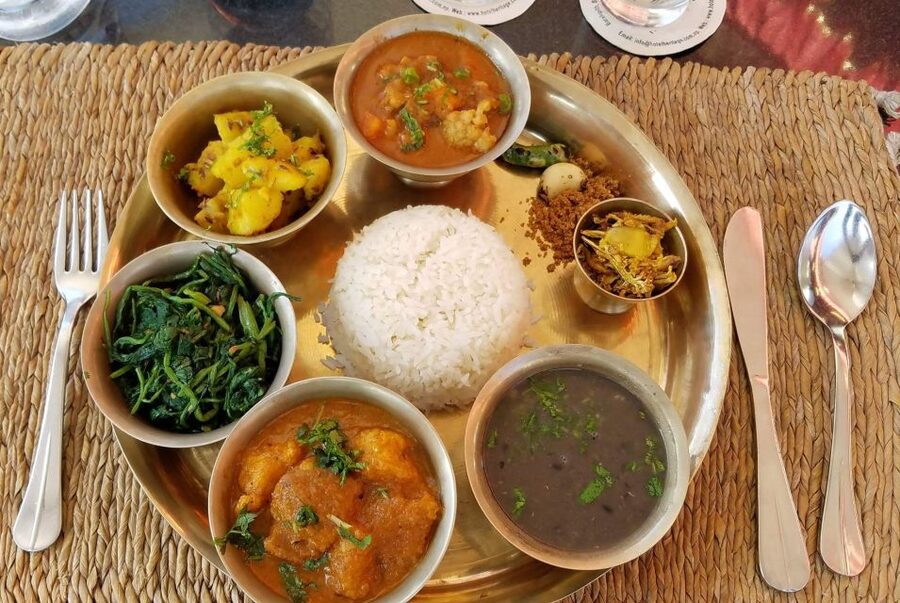
- Hands-on cooking: you cook each course and eat it hot
- Three menus, one class: 12 dishes total, with variety for different tastes
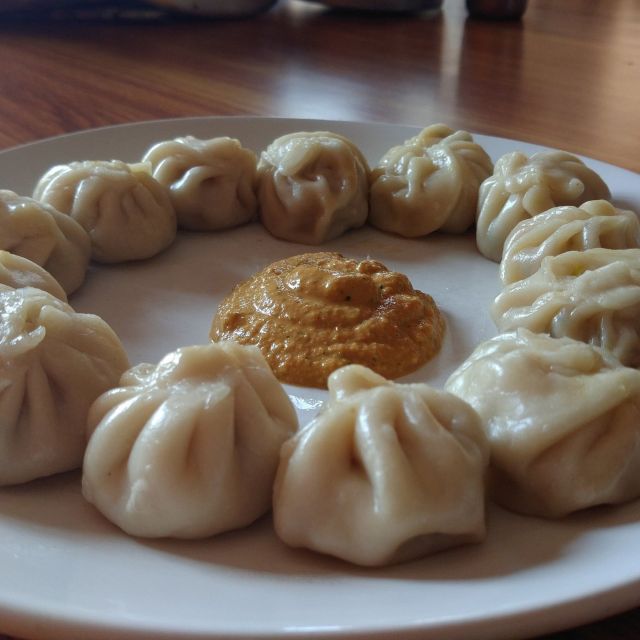
- Momos included: Nepal’s most famous dumpling makes sure you get a win
- Flavor control: change heat and seasoning as you go
- Pickup + lunch + tea: you’re not piecing together logistics between cooking steps
A cooking class in Kathmandu that actually feeds you
If you want Nepali food beyond the usual restaurant order, this class is a smart move. You’re not just watching someone else cook while you take notes. You’re doing the chopping, seasoning, and cooking, then eating what you made while it’s still hot. That’s a big difference in how you understand flavors.
The other reason I’d book this is the structure. The class runs on three different menus, and each menu includes four traditional dishes. That gives you variety without turning the day into a chaotic food scramble. You get to taste more of Nepal’s everyday cooking style, not just one dish done five ways.
You can also read our reviews of more tours and experiences in Kathmandu.
How the “three menus” format keeps it fun (not rushed)
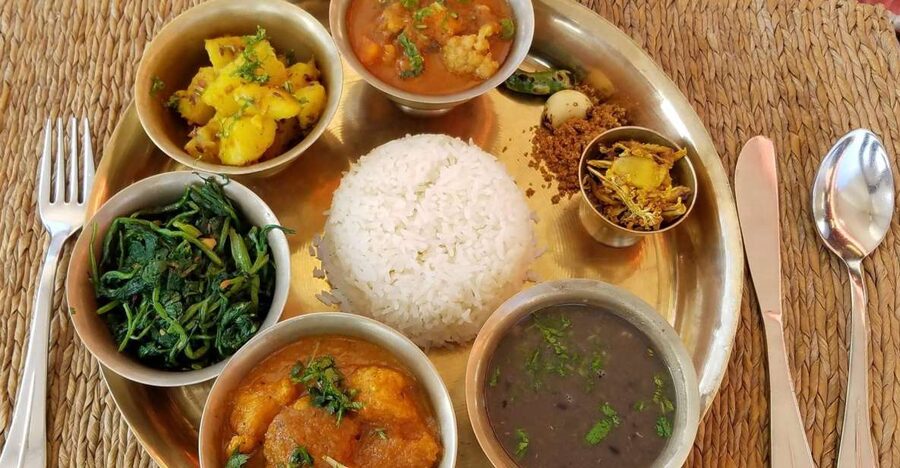
You’ll work through multiple sets of dishes, grouped into those three menus. In practice, that means the class doesn’t feel like one long cooking task. You move from one dish to the next with the chef guiding each stage.
You should expect a hands-on rhythm: the instructor explains the steps, then you take over. You cook one course and eat it fresh. It’s not “finished, now wait.” It’s “cook, taste, adjust, repeat.” That’s especially good if you’re the type who learns by doing, not by reading.
A practical note: if you’re hoping to leave with the feeling that you made every dish in huge depth, keep your expectations realistic. You’ll learn a lot across several dishes, but it’s still a group class with time limits. The value here is breadth plus technique, not a private cooking masterclass for one recipe.
Step-by-step guidance, and why it matters for beginners
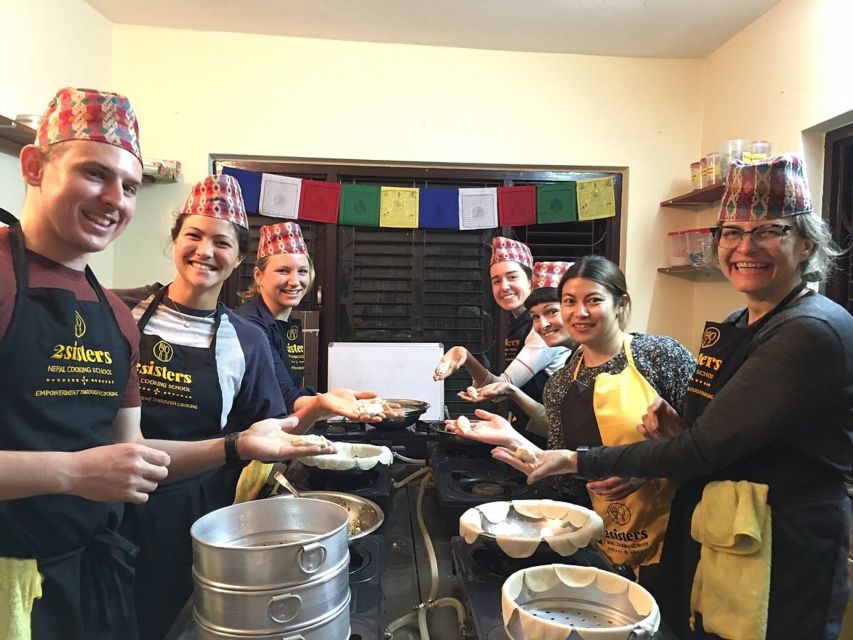
The class is designed for people with no prior cooking skills. That matters in Nepal, where recipes can depend on feel as much as exact measurements. In other words, the instructor isn’t just telling you what to do. They’re helping you understand how Nepali cooking should look and taste as it comes together.
You’ll cook while the chef walks you through each dish. The key is that you’re not expected to magically know what “right” looks like on the stove. You get that live feedback as you go.
Then there’s the best part for a lot of people: you can adjust your flavor. Love chili? Add more. Prefer mild? Keep it lighter. That turns the class into something personal. You’re not locked into one strict version of the recipe.
Picking ingredients (and why it can be the real lesson)
The experience includes fresh ingredient selection as part of how the class runs. You get to see and use ingredients at the start, which is where a lot of the learning happens. In many cooking classes, the shopping element is skipped or replaced with a pre-packed bag. Here, you’re working with ingredients provided for the experience, and you’ll get guidance on what you’re using and why.
If your travel lines up with festival season, you may find the ingredient-marketing step is limited. One of the great things about Kathmandu is how the city changes around holidays. When that happens, you might not get the full “market walk” feel. Still, you’ll cook, eat, and learn the flavors in a way that works without that extra step.
The dishes and the flavor logic: what you’re really learning
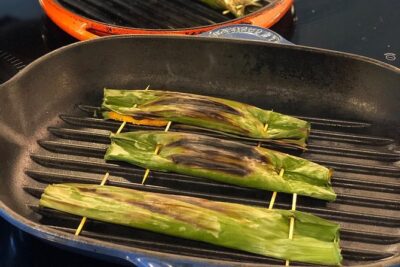
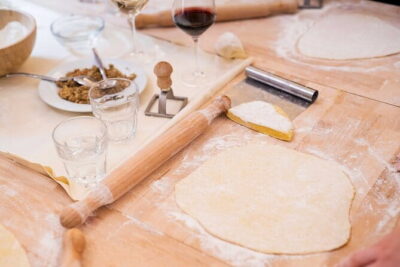
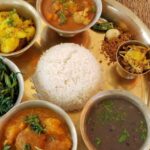
You’ll cover traditional Nepali dishes across those three menus, and momos are included. Even if you think you already know momos, cooking them in a class is a different experience than eating them out. You get a handle on the dough and filling logic, and you understand how seasoning should balance inside the dumpling.
More broadly, what you’re learning is how Nepali dishes build flavor:
- How spices change the mood of a dish (not just the heat)
- How seasoning gets corrected while cooking
- How texture matters, especially for dumplings and mixed dishes
I love this approach because it teaches you transferable skills. After one class, you start noticing what makes a Nepali dish taste like itself, even if you can’t name every spice yet. That’s the kind of takeaway that lasts longer than the meal.
Lunch, momos, and masala tea: the part you’ll remember
The class includes lunch (and it’s part of what you cook), plus masala tea and hot drinks. That’s a real comfort element. Cooking tends to dry you out, and tea helps you reset your palate between dishes.
Eating your food immediately is also key. When you wait until later, flavors flatten a bit. Here, you eat while it’s fresh and hot, so the dish tastes like it should. That makes the chef’s guidance click faster, too. You can connect what they taught to what you just tasted.
Also, the class doesn’t include cold drinks or alcohol. If you like a specific beverage with meals, plan to handle that separately. The tea and hot drinks cover the included refreshment side.
Getting from your hotel without stress
Hotel pickup and drop-off are included, so you’re not figuring out transport while hungry and looking for where the kitchen lives. A small detail that helps: be ready in the hotel lobby about 5 minutes before the pickup time. This keeps the schedule smooth.
Language support is listed as English and Hindi, so you should be able to follow instructions without needing Nepali cooking vocabulary. Still, cooking is visual. Watch the motions closely—hand position, stirring rhythm, and how the instructor tests doneness.
What to wear and bring (so you’re comfortable in the kitchen)
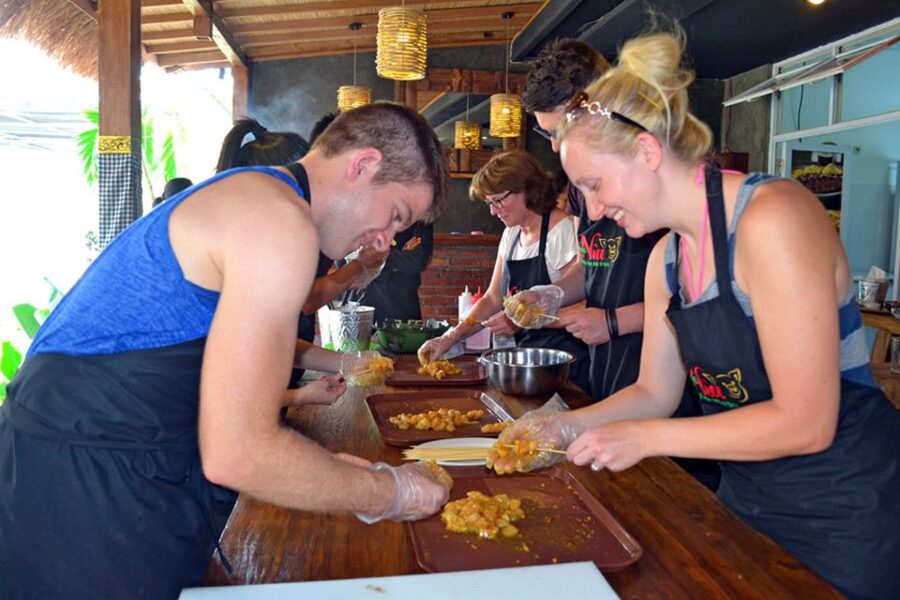
This isn’t a fancy outfit situation. Bring comfortable clothes you don’t mind getting a little spice on. Cooking means heat, steam, and minor spills. Wear something you can move in.
You’ll also want:
- A camera (you’ll have plenty of chances to capture the process and the food)
- Cash (the info list includes this, so it’s worth having on hand)
- No large bags or luggage
The no-luggage rule matters more than people expect. Kitchens have limited space, and they also need to keep walkways clear. If you’re traveling with a daypack only, you’re usually fine. If you’re rolling around with a suitcase, plan differently.
Price and value in Kathmandu terms
At $2.15 per person, this price is strikingly low for what you’re getting. You’re not just buying a plate of food. You’re paying for:
- Hotel pickup and drop-off
- An instructor (step-by-step teaching)
- Ingredients and equipment
- A full lunch
- Masala tea and hot drinks
- Time in a structured, hands-on cooking format
Even if you’re skeptical because it looks too good on paper, the best way to think about value here is “what would it cost to replicate it yourself?” You’d need instruction, a kitchen setup, ingredients, and time. This class bundles all of that, and it does it in a way that’s beginner-friendly.
The one “trade-off” is that it’s not a private session. You share the flow with others, and you’ll cover a set number of dishes during the class window. If you want one recipe studied in ultra fine detail, you’d need a more specialized experience. For most people, this setup is exactly right.
Who this cooking class is perfect for
This is a great fit if you want any of these:
- A fun, family-friendly activity (as long as kids meet the age requirement)
- A hands-on cultural experience that doesn’t require prior cooking skill
- A way to eat well while learning technique
- A food-focused day that fits easily into a Kathmandu itinerary
It’s especially good for food lovers who like to taste first, then learn what creates those flavors. And it works for travelers who don’t want to spend their time hunting down an ingredients list and a kitchen setup.
Who should think twice
There are a few clear limitations:
- Not suitable for children under 5
- Not suitable for people with mobility impairments
- Not ideal if you need to bring large luggage (bags are restricted)
Also, if your schedule is tight, remember the experience runs 3–4 hours. It’s not a 90-minute quick demo. Build in enough time to relax, cook, and eat without rushing.
Finally, if you expect a market visit every time, keep it flexible. During festival periods, the ingredient-market part may be limited. The cooking and meal still happen, but the “walk and browse” vibe might change.
Should you book this Kathmandu cooking class?
Yes, you should book it if you want a low-stress way to learn real Nepali cooking and eat what you made. The combination of step-by-step instruction, three menus with multiple dishes, and built-in lunch plus masala tea is strong value, especially at the listed price.
Skip it or look for another option if you need accessibility support beyond what this experience states, you’re traveling with big luggage, or your idea of cooking classes is a long, solo, recipe-by-recipe deep study. For everyone else, it’s a practical, tasty Kathmandu afternoon that leaves you with skills you can use again at home.
FAQ
How long is the cooking class in Kathmandu?
The experience runs about 3–4 hours, with the duration listed as 4 hours. Start times vary, so check availability.
Is prior cooking experience required?
No. The class is set up so you can join without any cooking skills.
What’s included with the class?
You get hotel pickup and drop-off, an expert cooking instructor, all ingredients and equipment, a lunch, and masala tea (plus hot drinks).
Are momos included?
Yes. Nepal’s famous momos are included in the class.
What languages will the instructor use?
The instructor speaks English and Hindi.
Do I need to bring anything?
You should bring a camera and comfortable clothes. Cash is also listed as helpful.
Is the activity suitable for young children or mobility needs?
It is not suitable for children under 5 and not suitable for people with mobility impairments.