REVIEW · MARRAKECH
Organic Moroccan Cooking Class At Secret Berber Garden CT
Book on Viator →Operated by ATELIER DE CUISINE CHEF TARIK ORTY-CT · Bookable on Viator
A rural kitchen near Marrakech is a nice break from the city buzz. In this private organic farm cooking class, you cook with produce from the garden right on site, then sit down to eat what you made. I also love how the chefs teach step-by-step, so Moroccan classics like mint tea, tagines, couscous, and breads feel practical, not mysterious. One thing to plan for: the countryside setting means real travel time outside the city.
You’ll get a chef-led experience built around technique, spice sense, and hands-on practice, not just watching. The vibe is calm and grounded, and you end with a symbolic certificate, plus lunch and beverages included. The only real drawback is that it’s outdoors and depends on good weather, so keep a flexible mindset.
In This Review
- Key Points You Should Know Before You Book
- Why an Organic Moroccan Farm Class Outside Marrakech Changes Everything
- The Real 4-Hour Flow: Tea, Garden Harvest, Tagine, and Bread
- Who Teaches You: Tarik, Siham, Youssef, Rokaya, and the Support Team
- What You’ll Make and Eat: Tagines, Couscous, Salads, and Mint Tea
- Mint Tea (the ritual start)
- Tagines (including chicken and lamb)
- Couscous
- Breads
- Salads (the fresh counterbalance)
- Lunch you actually want to eat
- Price and Value: Does $69.79 Really Add Up?
- Getting There from Marrakech: Pickup, Drive Time, and How to Plan Your Day
- Vegetarian Options and Dietary Requests (How to Make This Work for You)
- Should You Book Organic Moroccan Cooking at Secret Berber Garden CT?
- FAQ
- Where does the cooking class take place?
- How long is the Moroccan cooking class?
- Is this tour private?
- What’s included in the price?
- Are alcoholic drinks included?
- Do they offer vegetarian options?
- Can I bring dietary restrictions?
- Do children need an adult?
- Is pickup and drop-off included?
- What happens if weather is bad or I need to cancel?
Key Points You Should Know Before You Book
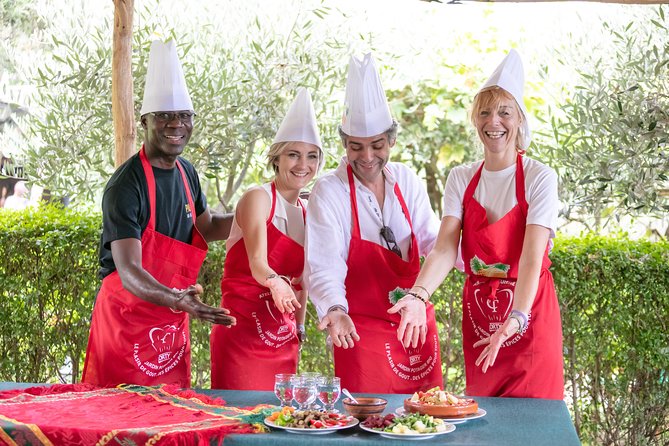
- Garden-to-plate cooking: you collect produce from the organic garden and cook with it right away.
- Mint tea at the start: the class includes a Moroccan mint tea ritual, led by hosts in the village setting.
- Tagine, couscous, and breads: you learn core dishes that actually define Moroccan home cooking.
- Hands-on coaching: chefs stay right beside you through prep, cooking, and seasoning.
- Lunch plus beverages included: you don’t just sample a bite or two; you eat a proper meal.
- Transport included for select hotels: pickup and drop-off are included where available.
Why an Organic Moroccan Farm Class Outside Marrakech Changes Everything
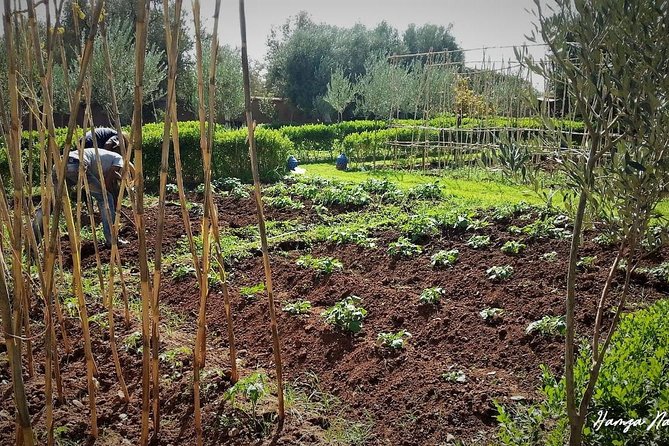
Marrakech is full of food. Still, Moroccan cooking classes can turn into either a performance or a rushed food assembly line. This one works because the ingredients start in the place you’re cooking from. You’re in an organic farm setting where the garden matters, and the chefs build lessons around what’s growing and what you can harvest that day.
That garden-based start changes your brain. When you pick the herbs and vegetables yourself, you understand why Moroccan flavors come from balance: sweet vs. savory, fresh vs. dried, toasted spices vs. raw aromatics. It also makes the class feel more like learning a lifestyle than collecting recipes.
I also like that the experience stays private. The idea is simple: only your group participates. That means the chef can correct your technique in real time and you’re not stuck waiting your turn while a room full of people hover behind you.
The farm location is part of the deal, and it’s not “across the street.” You should expect a drive out of Marrakech, sometimes around 25 km and even farther depending on where you’re staying.
You can also read our reviews of more tours and experiences in Marrakech.
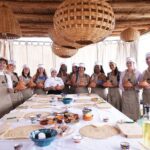
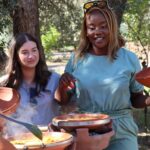

The Real 4-Hour Flow: Tea, Garden Harvest, Tagine, and Bread
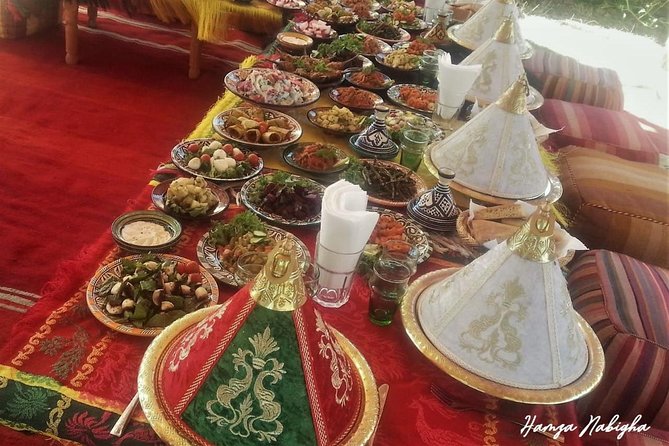
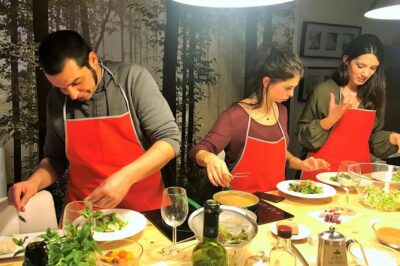
A Moroccan cooking class can sound vague. This one has a clear rhythm: welcome, ingredients, cooking practice, then the meal.
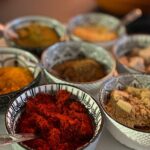
First, you get set up with Moroccan mint tea. Tea is more than a drink here. It’s a ritual moment that frames the rest of the experience and gets you thinking about aroma, warmth, and balance. In this setup, village-style hosts are part of the start, and the tea may be guided by someone like Hassan.
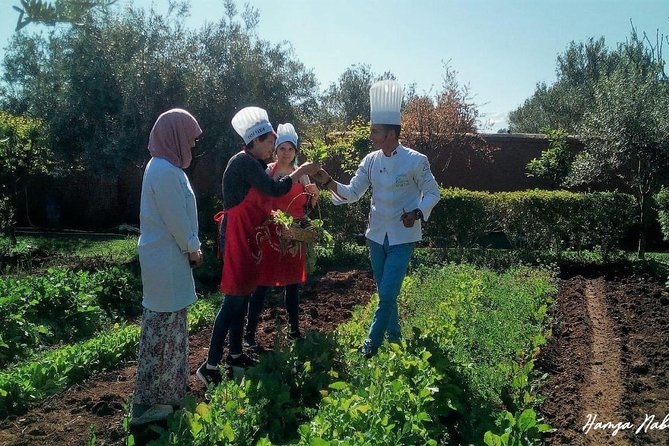
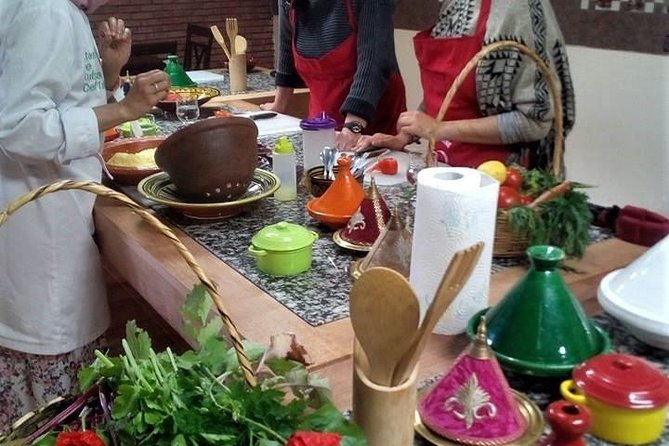
Next comes the garden harvest. The leader explains what you’re about to cook and connects it to what’s growing. This is where the “organic” part stops being a marketing word and becomes your actual lesson. You’ll collect produce from the garden on site, then bring it into the kitchen process.
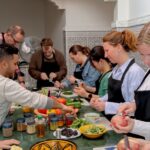
From there, hands-on cooking takes over. Based on the menu elements repeatedly mentioned, expect core Moroccan training around:
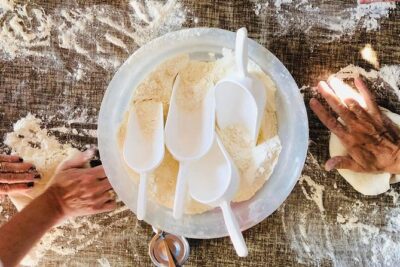
- bread-making (including warm bread outcomes from traditional methods)
- tagine technique (seasoning, building layers, cooking pace)
- couscous (texture and timing)
- fresh salads (so the meal isn’t only rich stew)
Even with four dishes being a common pace in this class, the teaching style is practical. Chefs guide you step-by-step at each stage and keep pointing out what to watch for—like when spices turn fragrant, or how seasoning changes as it heats.
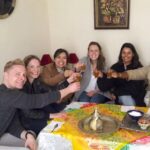
Then you eat. After cooking, you sit down to feast on the food you made. Lunch plus beverages are included, and the format is one of the biggest value wins: you’re not just learning, you’re feeding yourself with your results.
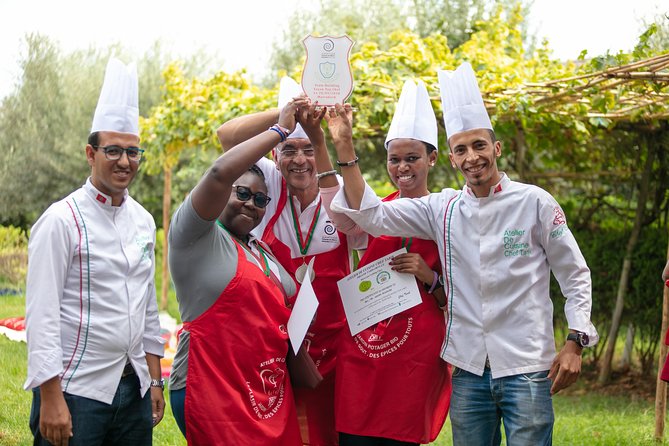
At the end, you receive a symbolic certificate. It’s small, but it makes the whole experience feel official and complete.
Who Teaches You: Tarik, Siham, Youssef, Rokaya, and the Support Team
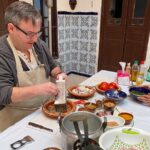
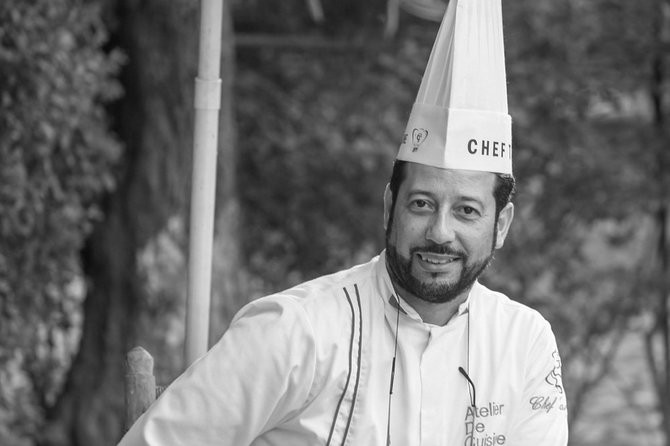
Chefs can make or break a cooking class. Here, the teaching team comes through in reviews as kind, responsive, and organized. You’ll most often hear the name Chef Tarik as the main guide, and you may also work with other chefs such as Chef Siham and Chef Youssef, plus hosts like Rokaya.
What I find useful about this kind of multi-person team is that they can cover different tasks while still keeping you on track. One person can handle the cooking technique at your station; another can explain ingredient choices; and someone else can answer the cultural “why” questions that come up when you’re learning the basics of Moroccan gastronomy.
The most consistent advice from the teaching approach is that the chefs stay with you through the whole process. That matters because Moroccan cooking is tactile: you learn by doing, tasting, adjusting, and repeating.
Also, the class doesn’t treat cooking as secret magic. It breaks things into steps and then helps you understand the logic behind them—spices, kitchen practices, and how the final flavors come together.
What You’ll Make and Eat: Tagines, Couscous, Salads, and Mint Tea
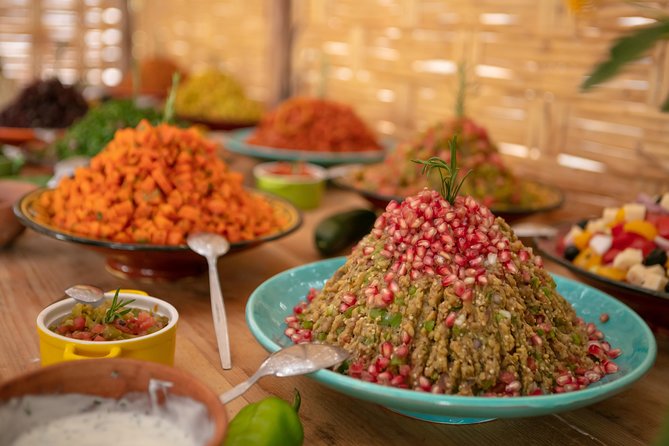
If you’re trying to decide whether this class fits your tastes, focus on the dish set. This is not a “random Moroccan sampler.” It repeatedly centers on the classics that show up in everyday Moroccan cooking.
Mint Tea (the ritual start)
Mint tea shows up as a built-in part of the experience, not an optional extra. The tea moment helps set expectations for the rest of the day: you’re learning how Morocco balances freshness with warmth.
Tagines (including chicken and lamb)
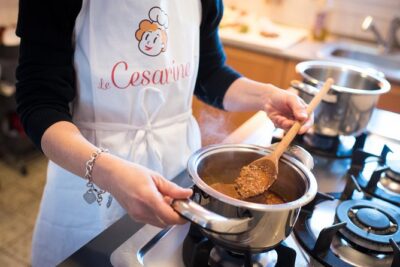
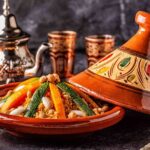
Reviews point to tagine-making, including versions like chicken tagine and lamb tagine. You’ll practice how to season, build, and cook in a way that supports slow, fragrant results.
Even if you’ve eaten tagine before, making it teaches you the hidden work: spice bloom, timing, and how moisture and heat affect the texture.
Couscous
Couscous is another key Moroccan staple that the class includes. Learning couscous in a structured class is valuable because it’s easy to get the texture wrong when you do it at home.
Breads
Bread is also part of the menu, and at least one class format includes bread baked using traditional techniques such as an earthen oven. That’s the kind of detail you remember because it changes the smell and structure of the bread you’re eating.
Salads (the fresh counterbalance)
You also make salads, which matters. Moroccan meals often need freshness to keep rich stews from feeling heavy. Learning salads inside the same class helps you build a complete plate, not just one “main event.”
Lunch you actually want to eat
After cooking, you feast on the dishes. Lunch and beverages are included, which means you leave with a full meal in your stomach and a cleaner understanding of what each dish contributes.
Price and Value: Does $69.79 Really Add Up?
At $69.79 per person, the big value story here is that you get more than instruction. You get included food and transport.
Here’s what’s covered:
- driver/guide
- lunch
- beverages
- hotel pickup and drop-off for selected hotels
That bundle matters in Marrakech. If you’ve ever tried to DIY farm-side experiences, the transport time and cost can quickly eat into the “cheap class” idea. With pickup and drop-off included (where your hotel qualifies), the cost feels more like an all-in package.
Also, it’s described as a private tour/activity where only your group participates. Private doesn’t just mean privacy; it often means more attention per person. You can ask questions while you’re cooking, and the chefs can correct technique without rushing around a big group.
Two considerations on value:
- Alcoholic drinks are not included, so if you expect wine or cocktails, budget separately.
- The class requires a minimum of 2 people per booking, so solo travelers may need to check availability.
Getting There from Marrakech: Pickup, Drive Time, and How to Plan Your Day
This is one of those experiences where logistics affects the mood. The class runs about 4 hours, but you should plan for time to get outside Marrakech first.
The countryside drive can be around 25 km in some cases, and other reports describe an hour drive to the village area. That’s not unusual in this region, but it does mean you’ll want to start the day with a calm schedule.
If your hotel is in the selected pickup area, the driver/guide will pick you up and drop you back after the class. The ride is part of the experience because it gets you out of the city and into a quieter rhythm before you start cooking.
One more practical thought: the class is weather-dependent. If weather is poor, the experience may be canceled and you’ll be offered a different date or a full refund.
Vegetarian Options and Dietary Requests (How to Make This Work for You)
The class does offer a vegetarian option, and they ask you to advise at booking if you want it. They also request that you share any specific dietary requirements ahead of time.
This is exactly what you want to do with a cooking class. Moroccan dishes can include meat, broths, and cross-contact in kitchens, so telling them your needs early helps the chefs adjust what you cook and what you eat.
If you skip alcohol, you’re in luck because the class doesn’t include alcoholic drinks. You’ll still have beverages with lunch, so there’s no pressure to order anything you don’t want.
Should You Book Organic Moroccan Cooking at Secret Berber Garden CT?
Book it if you want a hands-on Moroccan cooking lesson tied to an organic garden and a real meal at the end. You’ll like it especially if you care about learning basics you can repeat: mint tea, tagine technique, couscous, bread, and fresh salads. The private format is a plus when you want personal coaching.
Skip it or reconsider if you hate country drives or you’re traveling with strict time limits. Also, it depends on good weather, so bring flexibility.
If you’re the type who wants more than a cooking demo—if you want to leave knowing how to build flavors step by step—this class is a strong choice.
FAQ
Where does the cooking class take place?
It takes place in an organic farm setting in the countryside outside Marrakech, Morocco.
How long is the Moroccan cooking class?
The class lasts about 4 hours.
Is this tour private?
Yes. It is a private tour/activity, and only your group will participate.
What’s included in the price?
The price includes a driver/guide, lunch, beverages, and hotel pickup and drop-off for selected hotels.
Are alcoholic drinks included?
No. Alcoholic drinks are not included.
Do they offer vegetarian options?
Yes. A vegetarian option is available, and you should request it at the time of booking.
Can I bring dietary restrictions?
Yes. You should advise any specific dietary requirements at booking so the team can adjust.
Do children need an adult?
Yes. Children must be accompanied by an adult.
Is pickup and drop-off included?
Hotel pickup and drop-off are included for selected hotels.
What happens if weather is bad or I need to cancel?
The experience requires good weather. If it’s canceled due to poor weather, you’ll be offered a different date or a full refund. Free cancellation is available up to 24 hours in advance for a full refund.