REVIEW · MANAROLA
Authentic Pesto cooking class in Manarola at Cinque Terre
Book on Viator →Operated by Curioseety SRLS · Bookable on Viator
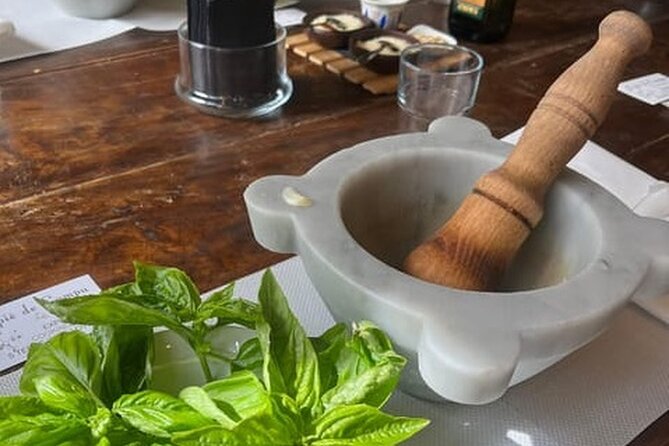
Stone mortar, basil, and a view climb.
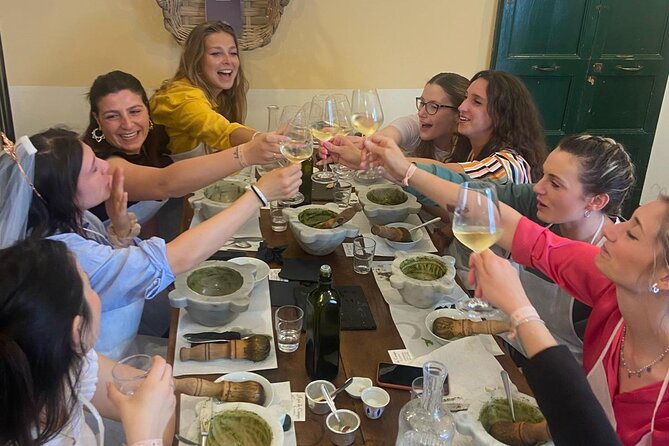
This authentic pesto cooking class in Manarola turns a classic Ligurian sauce into a hands-on lesson you can actually repeat at home. You’ll learn the traditions behind pesto, work with fresh ingredients like basil and pine nuts, and finish by tasting what you made with homemade focaccia and a glass of local white wine.
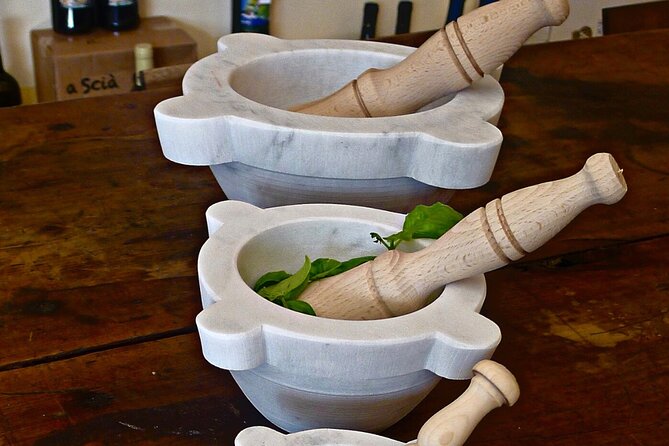
What I love most is the traditional technique. You’ll use a marble mortar the old-school way, so you feel the texture change as you grind. I also like that you leave with the recipe to take home, which makes the class more than a one-hour snack.
One possible drawback: plan for a bit of effort. Getting to the meeting area from the train involves an uphill walk with steps, and making pesto takes real elbow grease.
In This Review
- Quick Highlights
- Cinque Terre to Manarola: Start Smart at the Focacceria Meeting Point
- The One-Hour Flow: How a Small Pesto Class Actually Works
- The Marble Mortar Technique: Why Your Pesto Texture Changes
- Ligurian Pesto History: The Part You’ll Remember Later
- Basil, Pine Nuts, and Fresh Ingredients: What Changes the Taste
- Tasting Pesto the Italian Way: Focaccia and Local White Wine
- Getting the Recipe Home: Make It Again Without Guessing
- Price Check: Is $100.17 a Good Value for One Hour?
- Who Should Book This Pesto Class in Manarola
- Should You Book This Pesto Class in Manarola?
- FAQ
- How long is the authentic pesto cooking class in Manarola?
- What food and drink are included?
- Do I get a recipe to take home?
- Is the class offered in English?
- How many people are in the class?
- Where do I meet the host?
- Can I request dietary accommodations?
- What if I need to cancel?
Quick Highlights
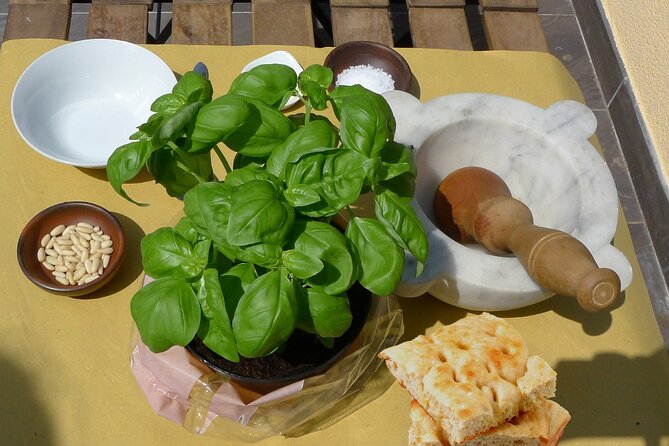
- Marble mortar method: the texture is the lesson, not just the result
- Small group feel: max 16 people, with plenty of attention as you work
- Ligurian ingredient focus: basil and pine nuts are front and center
- Real food at the end: pesto with homemade focaccia plus local white wine
- Take-home recipe: you’re not leaving empty-handed
- History + curiosity: you’ll learn how pesto changed over time and why ingredients matter
Cinque Terre to Manarola: Start Smart at the Focacceria Meeting Point
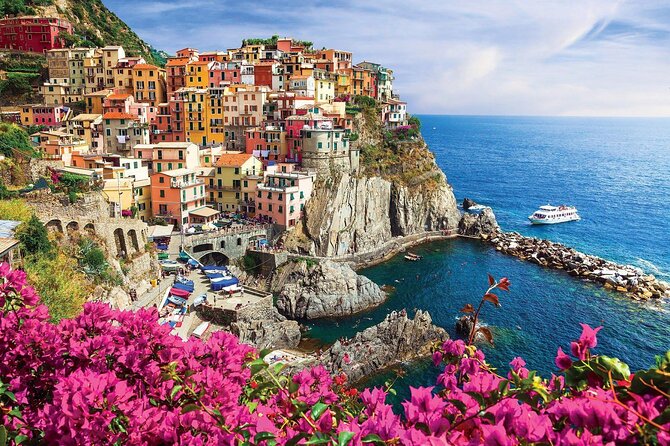
Your experience starts in Manarola at Focacceria A piè de Campu, Località piè di campo, 19017 Manarola SP, Italy. This matters because Manarola is one of those villages where “getting there” is part of the flavor. If you’re arriving by train, you’ll already have the coastline in your head; then the walk up brings you into the village pace.
Here’s the practical part: expect uphill walking. The route isn’t described as flat and easy, and the meeting spot is up from the train area. Wear shoes you can trust. If you bring good walking habits, you won’t be thinking about your calves once the class begins.
Also plan to use your phone well. Your ticket is mobile, and you’ll get confirmation at booking time. If you’re the type who likes everything lined up, you’ll feel calmer the moment you arrive with your ticket ready to show.
The One-Hour Flow: How a Small Pesto Class Actually Works
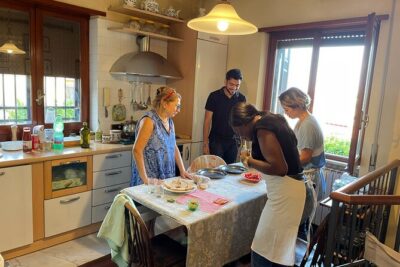
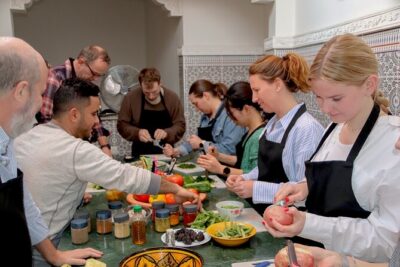
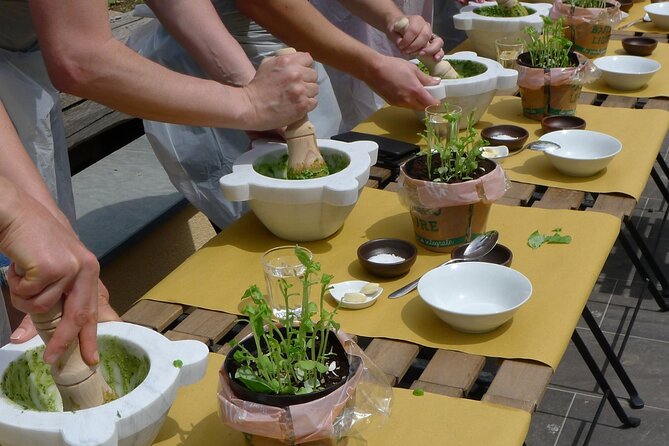
The class runs about 1 hour, and it’s set up for an intimate group (up to 16 travelers). You’ll be learning in English, with an instructor who teaches by doing—not by lecturing at you from across the room.
A typical flow goes like this:
- You start with a short orientation to the ingredients and the purpose of each one.
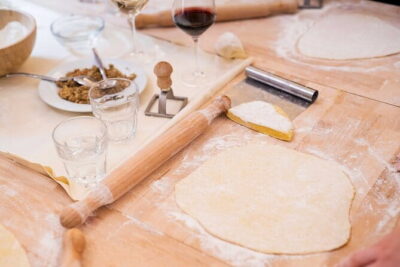
- You get hands-on with the traditional process using the marble mortar.
- You refine the technique as you go, so your pesto ends up tasting like you made it with care, not like you assembled it.
- Then you sit down and taste your finished pesto with fresh homemade focaccia and local white wine.
Because it’s only an hour, you don’t get stuck in “tour mode.” You get food-lab mode instead. That’s a big part of why people rate this so highly.
The Marble Mortar Technique: Why Your Pesto Texture Changes
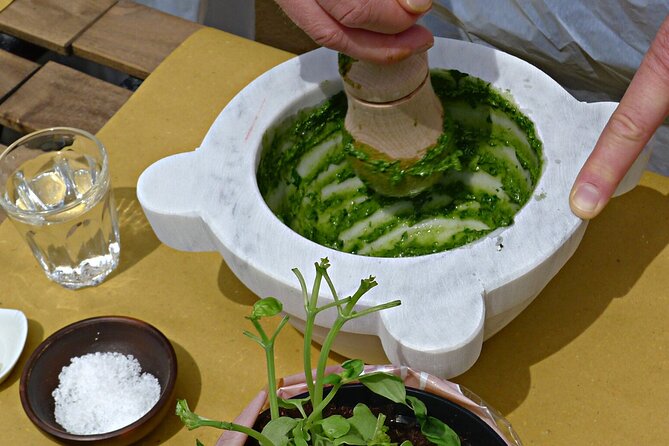
Let’s talk about the most praised part: grinding pesto the traditional way. The marble mortar forces a different kind of attention. You can’t rush it, and you can’t fake it. That’s why you’ll hear (and feel) how much effort goes into getting the right consistency.
Expect:
- Real elbow work as you grind and combine ingredients.
- A gradual shift from separate components into a smoother paste.
- Small adjustments as the sauce comes together.
A good instructor will guide you on what to watch for. The goal isn’t just “make pesto.” The goal is understanding how the pesto becomes pesto through physical technique—grind pressure, mixing rhythm, and how the ingredients break down.
One review note that lines up with what you’ll experience here: it can make you work up a sweat. So if you’re visiting and trying to pack in tons of activities, give this one a little breathing room before or after. You’ll appreciate being able to enjoy the wine and not immediately sprint to your next stop.
Ligurian Pesto History: The Part You’ll Remember Later
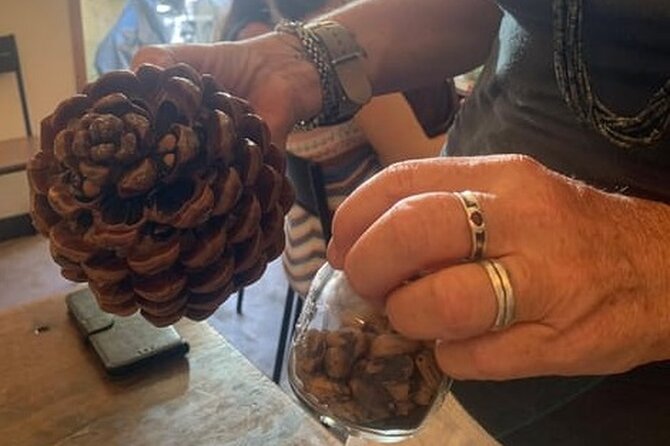
This class doesn’t treat pesto like a trendy shortcut. You’ll learn the history behind pesto and the reasoning behind key ingredient choices. One especially memorable curiosity shared in the course: basil was not introduced into pesto until after the 14th century. That kind of detail is exactly what makes the lesson stick.
You’ll also learn how Ligurian culinary traditions shape the dish. The class frames pesto as something rooted in local ingredients and local habits, not something copied from elsewhere. And because you’re making it with fresh basil and pine nuts, the story doesn’t stay in your head—it shows up in the bowl.
If you’re the kind of person who usually googles food trivia after the fact, you’ll like this. It gives you the context while you’re already tasting and mixing.
Basil, Pine Nuts, and Fresh Ingredients: What Changes the Taste
Ingredients here aren’t treated like background. Basil and pine nuts are highlighted as core components, and you’re using fresh, high-quality items. That’s why the pesto tastes more alive than what most people make at home with whatever basil is hanging around.
You’ll also likely hear guidance on quality and handling. Some classes like this emphasize how important it is that ingredients aren’t tired or bland, and at least one host is described as growing ingredients used in class. Even if you don’t get that specific detail every time, the lesson is consistent: your pesto is only as good as the ingredients you start with.
Practical tip for your future self: after you finish, pay attention to how the basil smells and how the pine nuts behave in the mortar. At home, the easiest way to recreate this is to use basil you’d actually want to eat and pine nuts that aren’t stale.
Tasting Pesto the Italian Way: Focaccia and Local White Wine
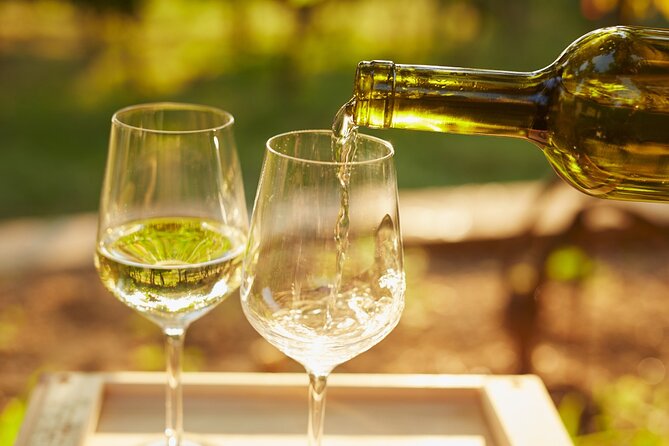
At the end, you get to enjoy what you made. The meal is simple and focused:
- Pesto + homemade focaccia
- A glass of local white wine
This part is worth taking seriously. Since the class is hands-on, the tasting is where you calibrate your brain. You’ll notice texture, balance, and aroma. And because focaccia is freshly made, the pesto gets a ready-made delivery system.
Also, you’ll have a chance to sit and eat with your group. That social moment matters in a village like Manarola. It’s one of the easiest ways to make real conversation with people who didn’t come from the same home country as you.
Getting the Recipe Home: Make It Again Without Guessing
One of the top reasons to book a class like this: you take the recipe home. That sounds basic, but it’s huge when you’re trying to repeat results later. Without a written guide, pesto can turn into a memory problem—especially once you’re back in regular grocery-store life.
Here’s what I’d do when you get your recipe:
- Read it before your pasta cravings kick in.
- Note any steps tied to texture or timing.
- Treat it like a technique guide, not just a shopping list.
If you’ve ever tried to recreate a dish from travel and realized you only remembered the taste, this is your workaround. The recipe gives you the bridge back.
Price Check: Is $100.17 a Good Value for One Hour?
The price is $100.17 per person for about 1 hour. At first glance, that can feel high for a single cooking session. But when you break down what’s included, the value makes more sense.
You’re paying for:
- Hands-on instruction with a local chef/host
- Traditional marble mortar technique training
- Fresh ingredients (basil and pine nuts)
- A sit-down tasting: focaccia + local white wine
- A take-home recipe
- A small-group setting (up to 16)
In places like Cinque Terre, food experiences often cost more because they’re small, local, and ingredient-focused. This class also packs in more than cooking: it includes historical context and ingredient curiosity, which is part of why people say it’s educational and fun.
If your goal is to eat well and learn something you can reproduce, this price can feel fair. If your goal is only a quick snack with no technique involved, you might decide it’s not for you.
Who Should Book This Pesto Class in Manarola
This one-hour class fits best if you’re:
- A budding home chef who wants real technique, not just a photo opportunity
- A food history fan who likes how ingredients connect to culture
- Traveling solo or as a pair and open to meeting new people
- Visiting with kids who can enjoy a hands-on task (the course includes moments where younger participants can help with grinding)
You might want to think twice if you:
- Have mobility limits or struggle with stairs and uphill walks
- Hate the idea of working your arms before sitting down to eat
- Want a long, multi-course lunch experience instead of a tight class + tasting
Should You Book This Pesto Class in Manarola?
Yes, I’d book it if pesto is even a little on your must-eat list, because this isn’t only about taste. It’s about learning the process behind a dish people think they already know. The combination of traditional marble mortar grinding, the Ligurian history context, and the fact that you leave with a recipe and a proper tasting meal is a strong mix.
And if you’re worried about the effort: embrace it. The payoff is real pesto you can recreate, plus a glass of local white wine while you do. Just bring comfortable shoes and plan your energy around that uphill start.
FAQ
How long is the authentic pesto cooking class in Manarola?
The class is about 1 hour.
What food and drink are included?
You’ll taste your pesto with fresh homemade focaccia and a glass of local white wine.
Do I get a recipe to take home?
Yes. You receive a recipe at the end of the class to make pesto at home.
Is the class offered in English?
Yes. The experience is offered in English.
How many people are in the class?
The class has a maximum of 16 travelers.
Where do I meet the host?
The meeting point is Focacceria A piè de Campu, Località piè di campo, 19017 Manarola SP, Italy.
Can I request dietary accommodations?
Communicate any dietary restrictions in advance.
What if I need to cancel?
Free cancellation is available up to 24 hours before the start time for a full refund.