REVIEW · OAXACA CITY
Flavors of Oaxaca: Cooking Class with No Set Menu and Local Market Tour
Book on Viator →Operated by Casa Crespo Cooking Class · Bookable on Viator
A market walk that ends in a real lunch. This cooking class in Oaxaca City pairs ingredient hunting with hands-on Oaxacan cooking, usually centered on mole negro and whatever you and your group vote for.
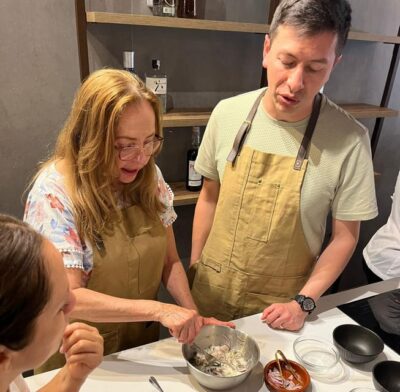
Two things I really like: you cook a lot (not just watch), and the class runs in a small group (up to 15), so the instructor can keep an eye on your knife work, spice choices, and timing. You also get complimentary drinks while you cook and eat, which makes the whole experience feel like a fun afternoon—not a chore.
One thing to consider: because there’s no fixed menu and the class moves as a group, the pace can feel tight at times, and not every dish may be fully from scratch for every person (some prep may be handled by the team so you still leave with a full meal).
In This Review
- Key Highlights to Look For
- Why This Market-and-Cook Combo Works in Oaxaca City
- Start at Casa Crespo: What You’re Really Paying For
- The Local Market Tour: Learning Ingredients With Your Eyes
- Cooking Without a Set Menu: How You End Up With Your Best Lunch
- What You Might Cook: Mole Negro and Classic Oaxaca Favorites
- Drinks, Lunch, and Group Dynamics in a 4.5-Hour Day
- English or Spanish: What to Expect From the Instruction
- Small-Group Attention: When It Helps (and When It Doesn’t)
- Practical Tips Before You Go (So You Enjoy Every Step)
- Who Should Book This Class in Oaxaca City
- Should You Book Flavors of Oaxaca? My Decision Guide
- FAQ
- How much does the Flavors of Oaxaca cooking class cost?
- How long is the experience?
- Where does the tour start, and what time does it begin?
- Is there a set menu?
- Can the class accommodate dietary restrictions?
- Is the tour refundable if I cancel?
Key Highlights to Look For
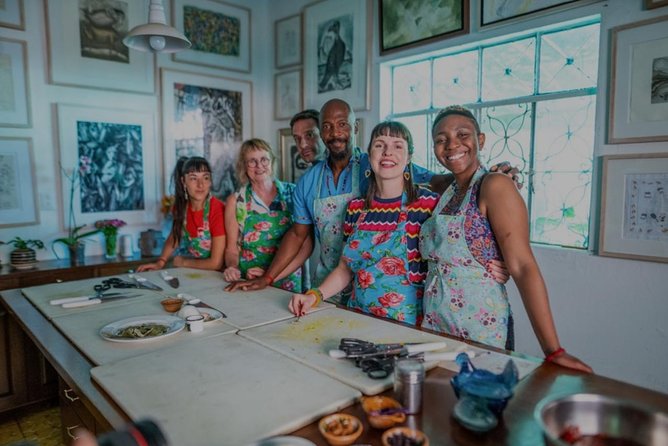
- Hands-on cooking throughout (you’re actively dicing, peeling, frying, seasoning, and grinding)
- No set menu: the dishes follow what your group chooses
- Oscar is a star host in many outings, with clear market explanations and fast help in the kitchen
- Mole negro is commonly on the menu, plus other classic Oaxacan dishes depending on your day
- Small group size for more attention and smoother pacing
- Drinks included while you cook and sit down to eat together
Why This Market-and-Cook Combo Works in Oaxaca City
Oaxaca is the kind of place where good food starts before the first bite—at the market, at the spice stand, and in the way ingredients get combined. This class is built around that idea. You don’t just learn recipes on paper; you learn why certain flavors matter and how they show up in Oaxacan cooking.
I like that the day is structured so you get both context and results. The market part teaches you what you’re seeing and tasting, then the kitchen part turns that knowledge into lunch. And because you’re in a small group, questions don’t get lost in the shuffle.
If you’re hoping for a very long, slow, step-by-step cooking marathon where you do every step start-to-finish, this may feel a bit time-pressured. But if you want a strong mix of market insight, real cooking participation, and a satisfying meal, it hits the sweet spot.
You can also read our reviews of more tours and experiences in Oaxaca City.

Start at Casa Crespo: What You’re Really Paying For
The tour starts at Casa Crespo (Reforma 808, Centro), with a 10:00 am departure and an end back at the same meeting point. You’re paying $75 per person for a format that includes not just instruction, but also market time, a group meal, and drinks.
Value-wise, the biggest win is that your money buys you a guided path through ingredients that can otherwise be overwhelming. Oaxaca markets are full of things you’ve never seen, and this helps you understand what’s edible, what’s special, and how locals think about flavor. That guidance often turns into confidence when you try to cook later.
Also, cleanup is handled by the team. You’re not stuck washing dishes like you might be in some DIY cooking workshops. So you can focus on cutting, cooking, seasoning, and tasting.
The Local Market Tour: Learning Ingredients With Your Eyes
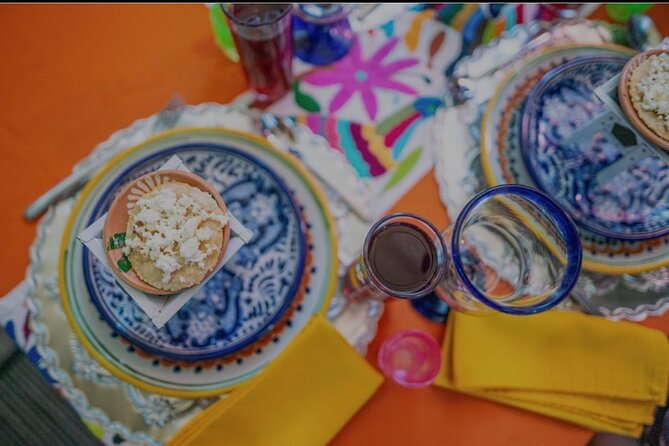
The market stop is the heart of the learning. You’ll walk through the local market with the instructor, who points out produce and ingredients in a way that makes sense for Oaxacan cuisine. Expect practical talk about seasonings, spices, plants, and how different ingredients show up across dishes.
This is where you get “why” more than “what.” For example, you might hear how certain greens or seasonal items are used, and you’ll learn the role of things like chiles and other flavor bases. You’ll also get a taste for the way vendors work and what locals buy for everyday cooking.
A useful detail: corn shows up in a big way. On some days, the flow includes corn being brought in for masa, and you’ll see how that connects to tortillas. It’s the kind of link that makes the later cooking feel more grounded.
One small logistics note: the market walk can take place during warm daytime hours. I’d plan for heat—wear breathable clothes, bring sunscreen, and consider carrying water with you even if you’re also drinking during the class.
Cooking Without a Set Menu: How You End Up With Your Best Lunch
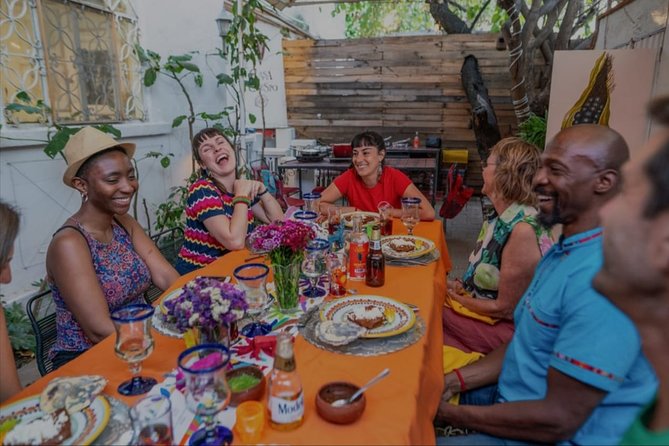
After the market, you head back to cook. This is not a fixed, “everyone makes the same dish” situation. The class follows the menu chosen for your group, so you’ll likely have some influence in what you cook.
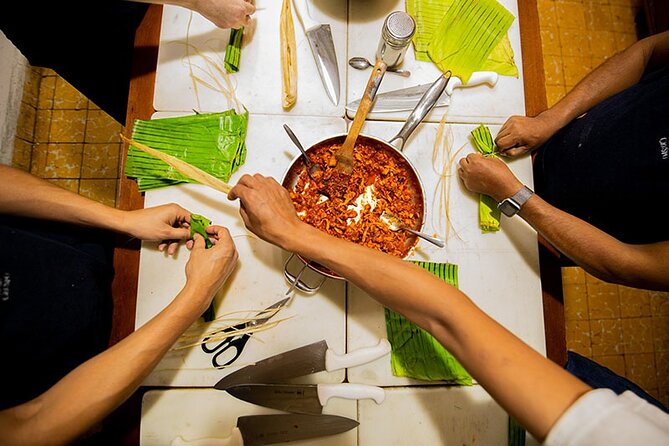
The cooking is genuinely interactive. People aren’t just sitting and listening. You’ll be doing a range of tasks—dicing vegetables, peeling and prepping ingredients, frying, seasoning, grinding, and mixing. If you like being hands-on, this is where the class earns its keep.
Dietary restrictions can be accommodated, including vegetarian options. That matters because Oaxacan cooking often relies on flavorful bases—spices, chiles, sauces, and tortillas—so there’s usually a way to adapt rather than just swapping in something bland.
There’s also a practical rhythm to the kitchen portion. The staff and instructor keep things moving, which helps you finish a full meal within the time window and still get real participation. You may still find that some prep gets handled by the team, especially when the group is larger, but the core cooking actions are still part of your experience.
What You Might Cook: Mole Negro and Classic Oaxaca Favorites
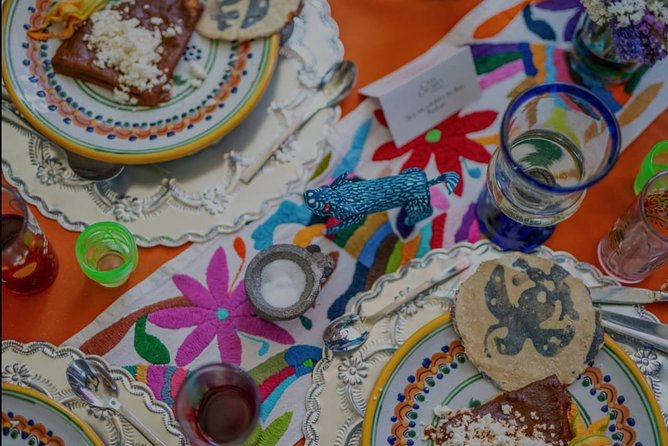
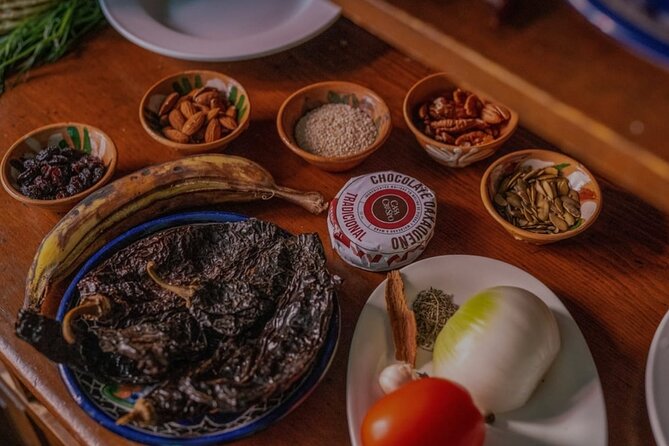
Mole negro is a highlighted main dish in the program, and it’s a strong choice to center the class around. Mole is one of those Oaxaca signatures where spice, chocolate, and roasted elements create a deep, complex sauce. Learning it in a structured class format makes the flavors less mysterious and more doable.
Depending on the day and what your group chooses, you could also see dishes like:
- Tortillas (including variations with vegetables)
- A soup connected to seasonal ingredients (squash blossoms show up on some menus)
- Ceviche as a shared starter or part of the lineup
- Marinated pork (on some menus)
- Desserts such as chocolate ice cream
You’ll notice a theme: a full Oaxacan meal is not one dish. It’s starters, mains, sides, and something sweet, all working together. That’s why even if your hands are busiest for some parts more than others, you still end up with a complete meal you can taste and remember.
One extra detail that makes this feel “Oaxaca” rather than generic cooking: the class ties ingredients from the market to what you’re making. When corn becomes masa for tortillas, or when you recognize a spice you saw at the stand, the cooking stops feeling abstract.
Drinks, Lunch, and Group Dynamics in a 4.5-Hour Day
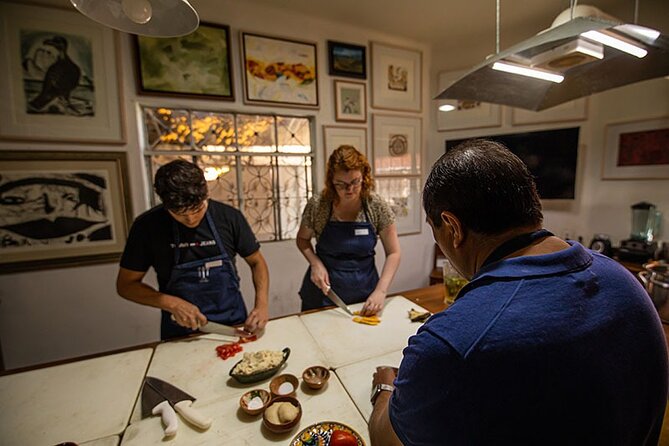
The tour runs about 4 hours 30 minutes, starting at 10:00 am and ending back at the meeting point. That timing is perfect for people who want a daytime activity without burning half a day on logistics.
You get complimentary drinks while you cook and eat, and that can include options like margaritas, mezcal, and non-alcoholic drinks such as iced tea or aqua fresca. Some days also feature frozen margaritas, which is exactly the kind of thing that makes a cooking class feel like a celebration.
Lunch happens together at the end, and the meal is part of the teaching. I like this arrangement because it lets you taste the dishes while your instructor’s explanations are still fresh. It also makes the experience social without turning it into a party.
One consideration from real experiences: in larger groups, instructions may feel less personalized, and some people want more time eating and talking versus finishing the “production line” flow. If you’re the type who loves lingering at the table, you might want to manage expectations about how much sit-down guidance you’ll get after cooking.
Also, portions can feel smaller than you expect for the amount of work you do. The upside is that you’re still eating multiple dishes. The downside is that if you measure value by plate size only, you may leave wanting more food. I’d treat this class as a “learn and sample a full meal,” not an “endless buffet.”
English or Spanish: What to Expect From the Instruction
The class can be given in English or Spanish based on what your group prefers. In practice, that matters a lot because kitchen technique isn’t easy to “translate by vibes.” You want clear instructions for chopping, seasoning, and cooking.
Oscar is a commonly mentioned guide and host, known for guiding the market talk and keeping things organized in the kitchen. On some outings, Emily is also mentioned as supporting the flow and pacing. Either way, the teaching style tends to focus on getting everyone involved, with detailed steps when you’re doing the hands-on work.
If you’re traveling with someone who speaks Spanish (or you want the option), check what language is available for your group. A shared language can make the market experience much richer, especially when you’re learning ingredient names and uses.
Small-Group Attention: When It Helps (and When It Doesn’t)
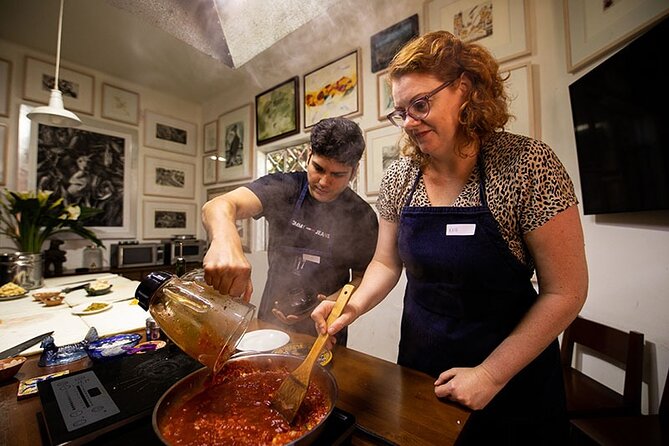
This is capped at 15 travelers, which is a real advantage in a hands-on class. You’re not lost in a crowd, and the instructor can correct technique without waiting forever.
When the group is on the smaller side, people tend to get more personal attention. You also get a more relaxed rhythm for questions. That can make a big difference if you’re a confident cook who wants to understand the “why” behind steps, or if you’re a beginner who needs clarity on what to do next.
When the group is larger within the cap, the class still works. But you might notice a more structured flow where staff handle more of the technical steps to keep the timetable on track. That’s not necessarily a bad thing—it’s what allows everyone to leave with a complete meal—but it can shift the balance from cooking a full dish yourself to cooking key parts while the team supports the rest.
The best mindset is this: expect to participate. You’ll be doing plenty. Just don’t assume you’re doing every single step alone for every dish.
Practical Tips Before You Go (So You Enjoy Every Step)
Here’s how to set yourself up for a smoother day.
Wear shoes you don’t mind getting a little messy. You’ll be at counters and stations while chopping, prepping, and cooking. Bring a small bag or secure pocket for items you don’t want to drag around the market.
Bring a hat or sun protection for the market walk. Even if you’re drinking, heat still hits your energy. If you’re prone to getting tired quickly in warm weather, plan a light breakfast before the 10:00 am start so you’re ready to work.
If you have dietary restrictions, tell the team when booking. The program indicates restrictions can be accommodated, including vegetarian options. That’s a big deal because it affects what you shop for at the market and what gets cooked in the kitchen.
Finally, consider bringing curiosity. The market portion is where you learn names, textures, and what different ingredients do. The cooking portion follows, so if you pay attention early, you’ll understand more later.
Who Should Book This Class in Oaxaca City
This class fits best if you want a hands-on food experience tied to local ingredients. It’s ideal for:
- Food lovers who like learning and then tasting immediately
- People who want more than a restaurant meal
- Travelers who enjoy practical cooking tasks
- Small groups, couples, and solo travelers who want social time without a big tour bus
It might be less ideal if you’re looking for a long, slow, teacher-on-one student style class where you fully cook every element from scratch with deep theory for each step. If that’s your goal, you might prefer a longer format.
Also think about your energy level. You’ll be active for most of the 4.5 hours, even if you’re not doing every technical task yourself.
Should You Book Flavors of Oaxaca? My Decision Guide
Book it if you want a guided market-to-lunch experience that focuses on participation, not observation. The $75 price feels more reasonable when you remember what’s included: market walk, cooking instruction, a full meal, and complimentary drinks. Add the small group size and you get a day that feels personal enough to matter.
Skip it or approach with caution if you know you need a very in-depth cooking class where you do every step yourself for every dish, with extra table time and guaranteed recipe delivery. Some experiences mention pace and portion sizes that may not match what they expected, and there are cases where recipe follow-through didn’t meet expectations.
One more practical point: this experience is non-refundable and can’t be changed once you book. If your schedule is fragile, only book if you’re comfortable locking it in.
If your travel style matches learning by doing—chopping, tasting, asking questions, and eating a real Oaxacan spread—this is one of the stronger ways to spend a morning in Oaxaca City.
FAQ
How much does the Flavors of Oaxaca cooking class cost?
It costs $75.00 per person.
How long is the experience?
The duration is about 4 hours 30 minutes.
Where does the tour start, and what time does it begin?
It starts at Casa Crespo, Reforma 808, RUTA INDEPENDENCIA, Centro, 68000 Oaxaca de Juárez, Oax., Mexico. The start time is 10:00 am, and it ends back at the meeting point.
Is there a set menu?
No. The class has no fixed menu, and it follows the chosen menu for the group.
Can the class accommodate dietary restrictions?
Yes. Special dietary restrictions can be accommodated, and vegetarian options are available.
Is the tour refundable if I cancel?
No. The experience is non-refundable and cannot be changed for any reason.