REVIEW · SICILY
3 Hour Sicilian Cooking Class on Fresh Pasta in Catania
Book on Viator →Operated by Futuro e Lavoro · Bookable on Viator
Fresh pasta by hand is a small skill that feels big. In this 3-hour class in Catania, you roll up your sleeves and learn how to make fresh pasta, then turn it into a proper Sicilian meal with ragù, Norma, and pesto-style sauce techniques. You also get to sit down for the chef’s final finish and taste everything with Sicilian wine, the way locals do it on a slower clock.
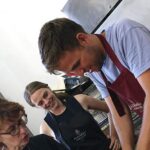
I especially like the hands-on pace: you don’t just watch. You make the pasta dough and shape it yourself, then you build the condiments so you understand what gives each sauce its personality. The second thing I like is the food-and-drink payoff: a light lunch or dinner is included, with Sicilian wine and limoncello to close out the meal.
One drawback to keep in mind is timing. This is only about three hours, so if you want very slow, detailed instruction on every step, the lesson may feel a bit fast at first while you’re learning the basics.
In This Review
- Key things to know before you go
- A practical Sicilian pasta lesson in Catania
- What happens during the 3 hours
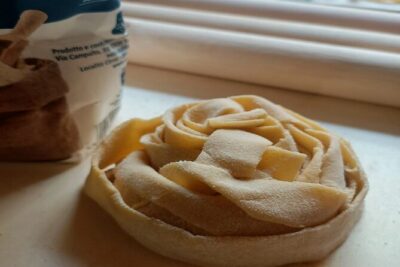
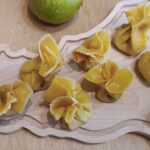
- Making fresh pasta dough and shaping it by hand
- Learning three Sicilian condiments: ragù, Norma, and pesto
- Ragù
- Norma
- Sicilian pesto style condiment
- The meal moment: chef-finished pasta, wine, and limoncello
- Price and value: what $119.21 buys you in real life
- Meeting point and Catania transport tips
- Who this class is best for
- A small heads-up on the teaching style
- Should you book this Sicilian cooking class?
- FAQ
- How long is the Sicilian cooking class?
- What will I make during the class?
- Is the class offered in English?
- Is the group size limited?
- What food and drinks are included?
- What’s the meeting point in Catania?
- Are alcoholic beverages served to everyone?
- What if the weather is poor?
Key things to know before you go
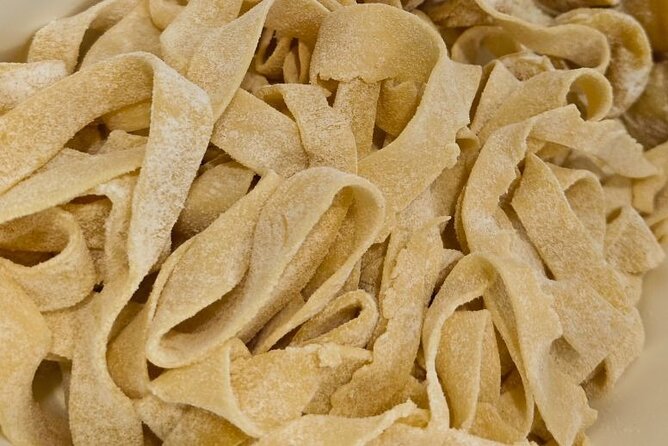
You’ll make fresh pasta dough and shape it by hand before the chef completes cooking.
Sauce skills are the point: ragù, Norma, and a Sicilian pesto style condiment.
Chef-led finishing means you still eat together right after cooking.
Sicilian wine and limoncello are included with the meal, for those 18+.
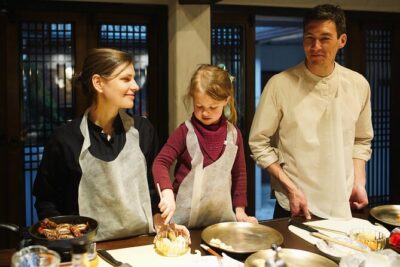
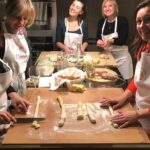
Small group size (max 14) keeps it interactive and less chaotic.
A practical Sicilian pasta lesson in Catania
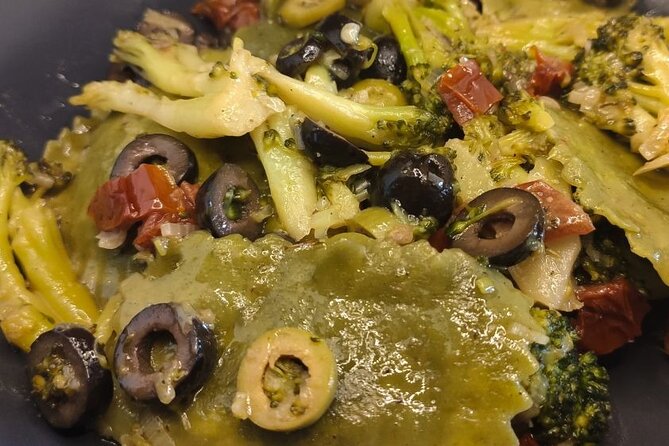
Catania is a great place for a cooking class because the food culture is real and close to daily life. This one is built around a simple idea: fresh pasta tastes different when you make it yourself, and Sicilian condiments make it feel like a full meal, not a snack.
The format is straightforward. You’ll spend part of the time learning dough and pasta-making technique. Then you shift to condiments—classic Sicilian sauces that are meant to cling to pasta. Finally, the chef takes over to finish the pasta so you can sit down at the table and eat, with Sicilian wine and limoncello added to the meal.
If you’re the kind of traveler who likes to leave with a skill you can actually repeat at home (and not just a photo), this fits well.
You can also read our reviews of more tours and experiences in Sicily.
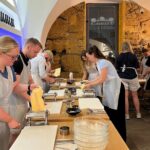
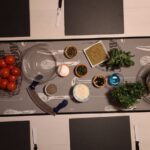

What happens during the 3 hours
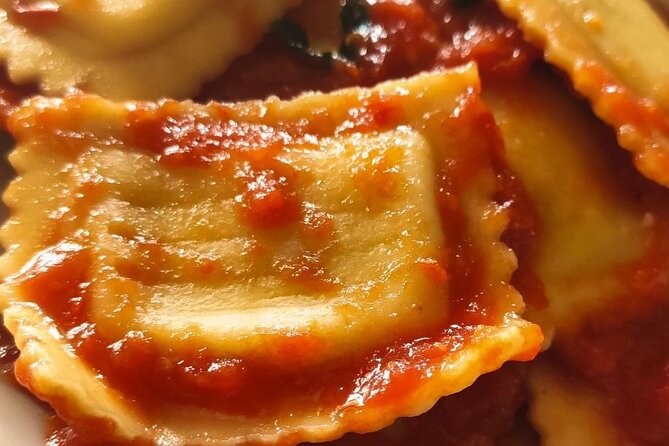
You should picture a focused, classroom-to-kitchen rhythm.
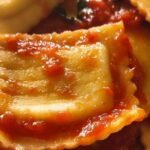
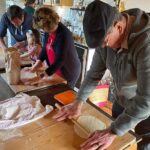
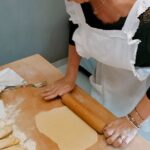
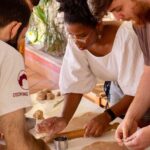
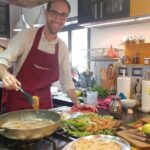
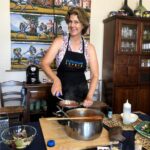
First phase: pasta basics. You start by making the fresh pasta dough with your hands. Expect some early instruction on how the dough should feel and how to work it. Then you move into shaping the pasta, which is where the class usually turns from learning to doing.
Second phase: Sicilian condiments. Once your pasta is underway, you begin making the sauces you’ll pair with it:
- ragù
- Norma
- a Sicilian pesto style condiment
The key is that these aren’t just “here’s what the sauce is.” You learn how to make them, using typical Sicilian foods and products.
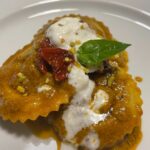
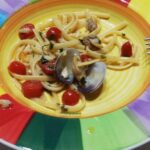
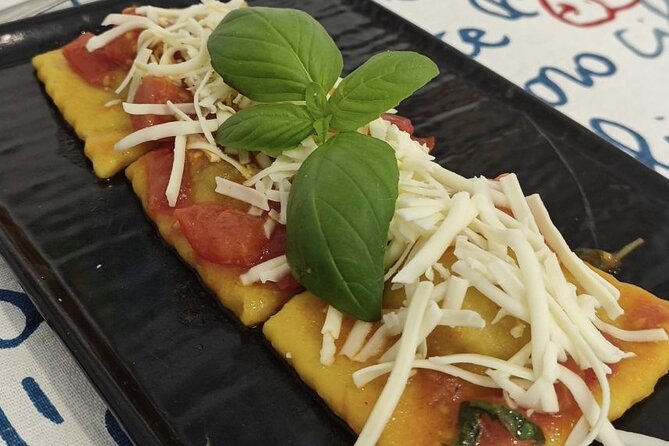
Final phase: chef finish and tasting. The chef completes the cooking for you so everything lands at the same time. You sit down to taste what you made, and the meal is paired with Sicilian red wine. Limoncello also appears as part of the included experience.
This structure matters because it keeps your hands busy while still ending with a relaxed meal. You don’t have to worry about timing the final boil or sauce-cooking from scratch.
Making fresh pasta dough and shaping it by hand
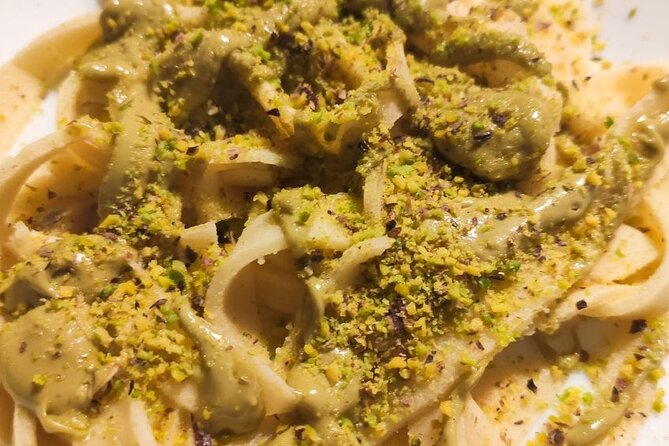
Fresh pasta is simple on paper and a little stubborn in practice. That’s why this part is valuable.
You’ll work with your hands to create the dough, then learn how to form the pasta shapes. Even if you’ve made pasta once before, the feel of fresh dough—how it takes pressure, how it holds together, how it behaves—tends to be the real lesson. In a class like this, you get correction in the moment, which is hard to do from a recipe video.
A practical note: early instructions can feel fast because time is tight. If you’re the type who wants lots of stop-and-start explanation, give yourself permission to focus on what’s immediately useful—how to handle the dough, how to shape, and what the finished pasta should look like.
What I like about this setup is that you don’t waste the class just learning theory. Once shaping starts, the experience becomes more engaging and satisfying.
Learning three Sicilian condiments: ragù, Norma, and pesto
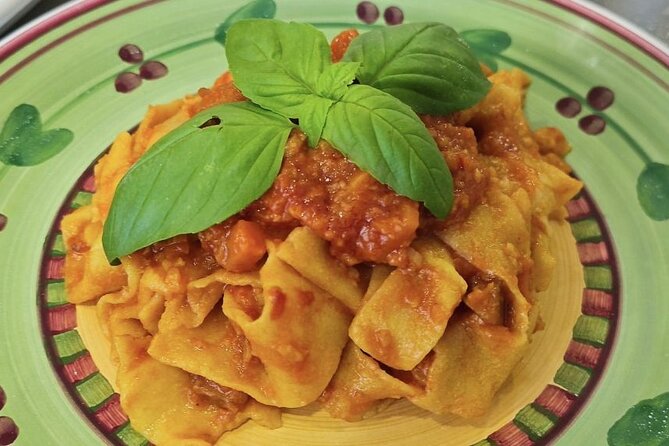
This class earns its keep with sauce knowledge. Sicilian pasta sauces are often about texture and pairing—how the sauce clings, and how it tastes next to pasta.
Ragù
Ragù is a classic comfort sauce, but “classic” can still mean different methods and flavors depending on the region and cook. You’ll learn how to make it as part of the lesson, so you get a real sense of how it’s built rather than just tasted.
Norma
Norma is one of those names that makes you want to understand the rules behind it. In the class, it’s included as one of the condiments you’ll prepare. The payoff is that you’ll see how a Sicilian sauce becomes a full identity for a pasta dish, not just a topping.
Sicilian pesto style condiment
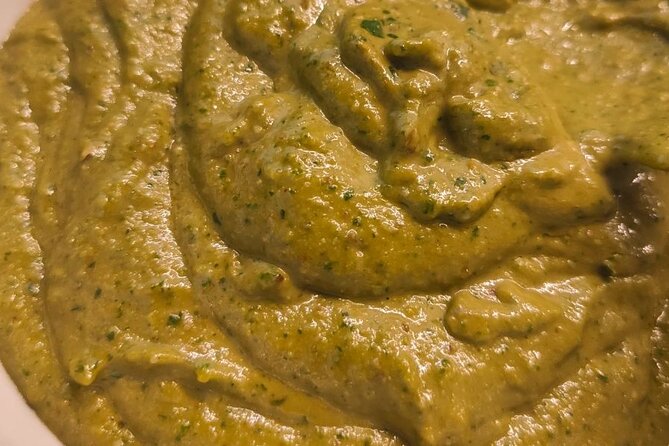
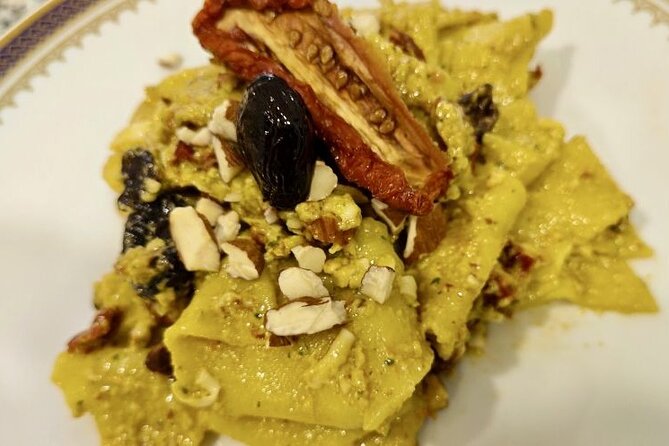
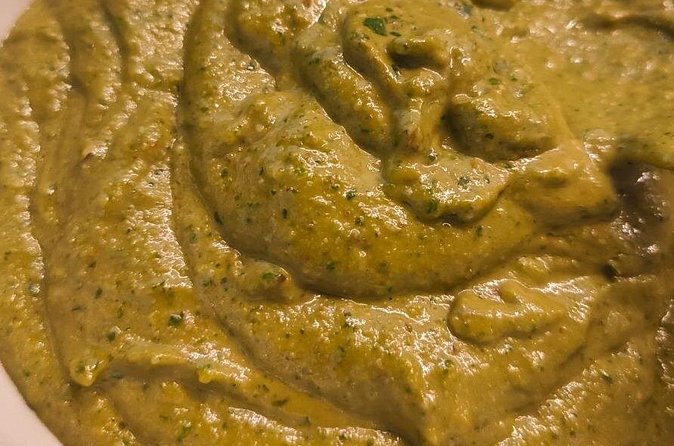
You’ll also learn a Sicilian pesto. Even if you know pesto already, a Sicilian version changes the balance of flavors. Again, the value here is not memorizing ingredients—it’s understanding how the sauce is made and what texture you’re aiming for.
The best part is that you can connect the dots between dough, sauce, and final taste. That’s how you’ll recreate it later.
The meal moment: chef-finished pasta, wine, and limoncello
The final stretch is where the class turns into dinner.
After you’ve made the sauces and shaped the pasta, the chef finishes the cooking. That means your food is served hot and timed for everyone to eat together, instead of you rushing through the last steps.
You’ll sit down to taste the foods prepared during the lesson. Sicilian red wine is included with the meal for participants who are 18 or older. Limoncello is part of the included experience too—strong on flavor, and a nice Sicilian touch for the end of the meal.
One small reality check: if you’re sensitive to alcohol or you’re traveling with friends who don’t drink, plan around the fact that the meal is paired with wine and limoncello. The class follows the legal age rule in Italy (18+) for serving alcohol, so non-drinkers should still be fine, but the timing and pacing may still include a drinks moment.
Price and value: what $119.21 buys you in real life
At $119.21 per person, you’re not just paying for entertainment. You’re paying for several things that add up fast if you were to do them on your own:
- Professional kitchen equipment and an equipped laboratory setting
- Typical Sicilian foods and products for the dishes
- Three hours of guided instruction that covers dough and multiple condiments
- A light lunch or dinner with Sicilian wine and limoncello included
If you price out ingredients, kitchen access, and a proper guided session, the value often makes more sense. Also, the small group size (max 14) is a big deal. A class that small usually means you get more attention when you’re shaping dough or adjusting technique.
You should still think about expectations. You’re not buying a slow, private cooking retreat. You’re buying a compact, hands-on meal experience with a clear Sicilian focus.
Meeting point and Catania transport tips
You’ll meet at Via Cervignano, 42, 95129 Catania CT, Italy, and the experience ends back at the same meeting point.
Location-wise, it’s close to public transportation, with subway stops listed as GALATEA and ITALIA. That matters if you’re juggling other Catania plans, because you can get there without a long walk or complex transfers.
A smart move: build in a little buffer. Even when everything goes smoothly, a cooking class runs on its own time. If you’re coming from another neighborhood, give yourself margin so you’re not arriving flustered.
Who this class is best for
This class makes the most sense for:
- Food lovers who want hands-on cooking, not just watching
- Travelers who enjoy learning regional Italian food beyond pizza and gelato
- Couples or small groups who want a shared activity with a meal at the end
- Anyone who likes the idea of leaving with a repeatable skill: fresh pasta dough and sauce pairing
It’s also a good fit if you’re traveling in English and want the class delivered in English.
If you’re traveling solo, you may still get a personal feel because the group is kept small. If you’re traveling with dietary concerns, you’ll want to ask in advance—food allergies or intolerances should be listed so the team can guide you.
A small heads-up on the teaching style
Based on how the class tends to unfold in a compact three-hour window, you may notice a difference between the first phase and the later parts.
The pasta dough and early instructions are where people sometimes feel the pace is brisk. Once shaping starts and you’re working with the pasta, the experience often becomes more fun and interactive. Then, the sauce-making stage usually feels more engaging because you’re actively building recognizable Sicilian flavor.
So if you’re deciding whether to go, I’d frame it like this: expect to learn the fundamentals quickly, then enjoy the practical payoff.
Should you book this Sicilian cooking class?
I think you should book if you want a short, satisfying Catania food experience with real technique. You’re getting fresh pasta-making, three classic Sicilian condiments (ragù, Norma, and Sicilian pesto style), plus a sit-down tasting with Sicilian red wine and limoncello.
I’d skip or rethink it if you need very slow instruction on every single step, or if you’re looking for a purely scenic or cultural walking tour style day. This is a kitchen class. The value is in what you make and eat, not in sightseeing.
If your ideal day includes working with your hands, learning regional flavor combinations, and ending with a meal that feels like a local table—this one is a strong choice.
FAQ
How long is the Sicilian cooking class?
It’s about 3 hours.
What will I make during the class?
You’ll make fresh pasta and then prepare Sicilian condiments including ragù, Norma, and a Sicilian pesto style sauce.
Is the class offered in English?
Yes, it’s offered in English.
Is the group size limited?
Yes. The class has a maximum of 14 travelers.
What food and drinks are included?
You’ll have a light lunch or dinner with dishes prepared during the class, including Sicilian wine and limoncello.
What’s the meeting point in Catania?
The meeting point is Via Cervignano, 42, 95129 Catania CT, Italy, and it ends back at the same place.
Are alcoholic beverages served to everyone?
No. Alcohol is not served to participants who have not reached the legal drinking age in Italy (18).
What if the weather is poor?
This experience requires good weather. If it’s canceled due to poor weather, you’ll be offered a different date or a full refund.