REVIEW · HOI AN
Hoi An:Traditional Cooking Class with Cam Thanh Local Family
Book on GetYourGuide →Operated by Dich vu du lich lang que Cam Thanh · Bookable on GetYourGuide
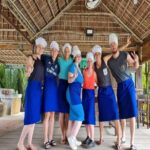
Cooking in a home in Cam Thanh is memorable. This Hoi An cooking class pairs hands-on Vietnamese methods with the relaxed rhythm of rural life, then lets you sit down and enjoy what you made with a small group. It’s not staged like a show. It feels like you were invited to help in someone’s kitchen.
I love the practical teaching: an English-speaking chef walks you through each step, while assistants prep ingredients so you can focus on technique instead of hunting for supplies. I also love the human side—guides like Giangwar in past groups keep things light, and you’ll get help quickly when you’re working with tricky steps.
One thing to consider: there’s no hotel pickup/drop-off. You’ll start at Hoi An village Experience in the Cam Thanh Coconut Village area, and if you arrive by Grab/taxi you’ll want to enter Hoa Vung Villa to find the narrow alley nearby.
In This Review
- Key things to know before you go
- Cam Thanh cooking feels personal, not performative
- Getting to the class: start times and where to meet
- The run of the day: welcome drink, restaurant break, then the real work
- The hands-on lesson: 4 dishes with Vietnamese technique
- Vietnamese pancake: texture and flavor balance
- Spring rolls: assembly plus timing
- Papaya salad: fresh, sharp, and very teachable
- Chicken with lemongrass: aroma-first cooking
- The best part: you eat what you make
- Guides, humor, and the small-group feel
- Price and value: why $23 can feel fair here
- Who this class suits best (and who should skip it)
- Should you book this Cam Thanh cooking class?
- FAQ
- Where is the meeting point?
- What time does the cooking class start?
- What dishes will I cook?
- Is the class taught in English?
- Do they pick me up from my hotel?
- What if I have food allergies?
Key things to know before you go
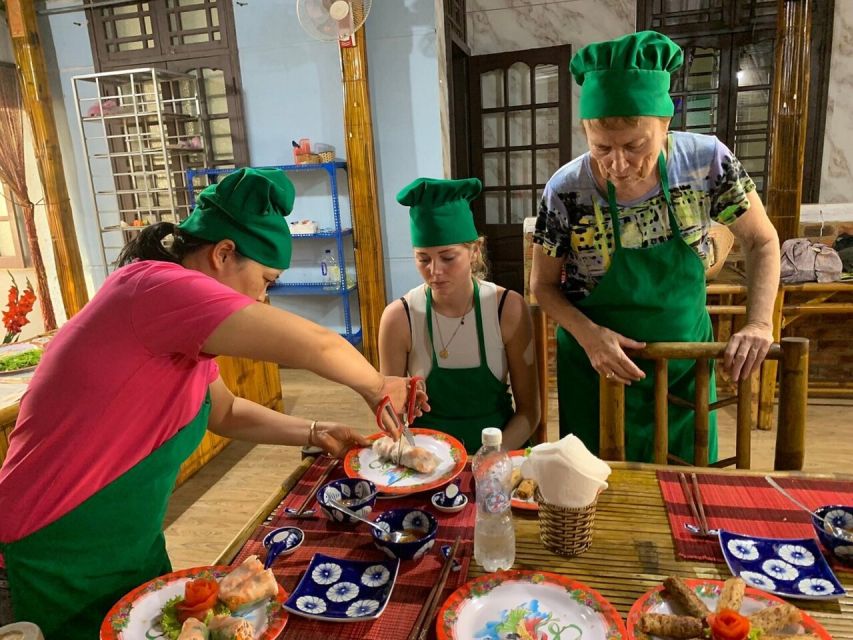
- Small group (up to 10 people): you’ll actually get hands-on time instead of watching from the sidelines.
- English-speaking chef + assistants: steps are explained clearly, and ingredient prep keeps the class moving.
- 4 classic dishes taught: pancake, spring rolls, papaya salad, and chicken with lemongrass.
- Eat what you cook: the meal is part of the experience, not an afterthought.
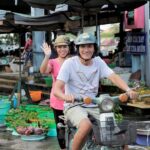
- Cam Thanh rural setting: you’ll see everyday life in the Coconut Village area, not just restaurants.
- Clear start times, with slight flexibility: morning or afternoon sessions run about 210 minutes.
Cam Thanh cooking feels personal, not performative
Hoi An has plenty of food tours. This one works because it puts you in a local home base, with local people, using traditional methods. You’re not just tasting. You’re learning the logic behind the flavors—how seasoning is built, how textures are controlled, and how Vietnamese dishes come together fast once you have the prep done.
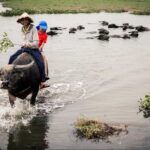
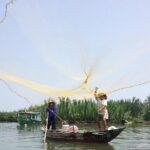
The setting matters too. Cam Thanh Coconut Village isn’t just a scenic label. It’s a place where daily routines still shape what’s easy to cook and how people share meals. You end up with stories as well as recipes—how ingredients are handled, what matters most in the final taste, and why certain steps are non-negotiable.
You can also read our reviews of more tours and experiences in Hoi An.

Getting to the class: start times and where to meet
You’ll have two main departures: 10:30 or 16:30 from the meeting point in the Cam Thanh Coconut Village area. The class then runs about 210 minutes, ending around 13:30 or 19:30 depending on the session.
Plan to meet at Hoi An village Experience. There’s no hotel pickup or drop-off included, so you’ll need to get there on your own. If you’re coming by Grab or taxi, enter Hoa Vung Villa as your arrival place—then walk to the narrow alley next to it, where the cooking class is located. It’s the kind of detail that saves time, because small lanes can be easy to miss.
Also note that the schedule can shift a little bit. That’s normal for a group activity in a village area. If your next plan is tight, I’d give yourself a buffer afterward.
The run of the day: welcome drink, restaurant break, then the real work
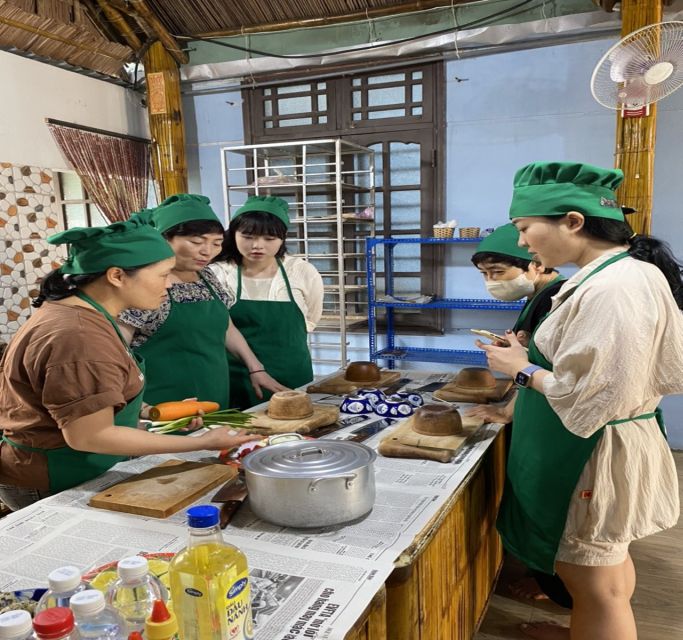
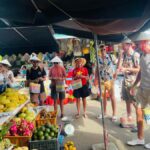
When you arrive, you’ll start with a welcome tea and time to rest at the nearby restaurant area before the cooking portion begins. This is more than a polite hello. It helps you get settled before you start chopping and mixing, especially if you’re arriving from a warm morning walk.
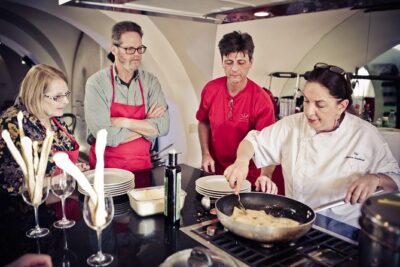
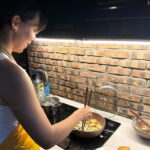
Then you move to the cooking space in the coconut village area. The structure is designed for people who don’t cook much at home. Ingredients are prepared by friendly assistants for easy assembly, so you’re guided through cooking steps without getting stuck in the prep.
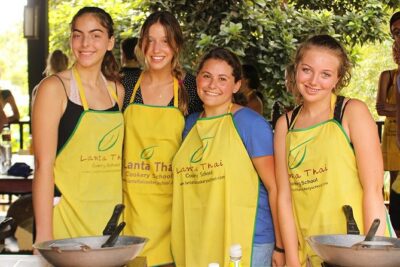
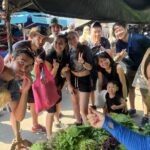
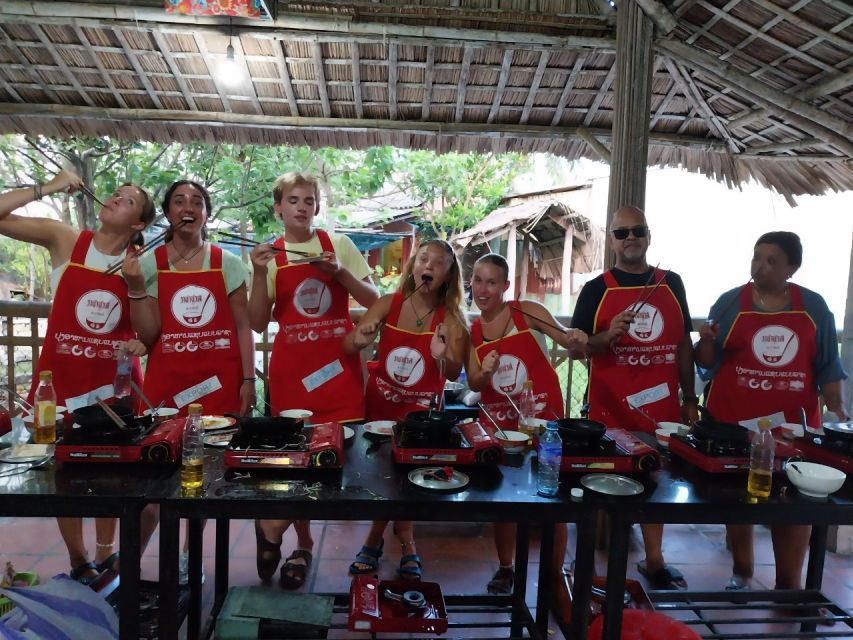
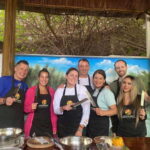
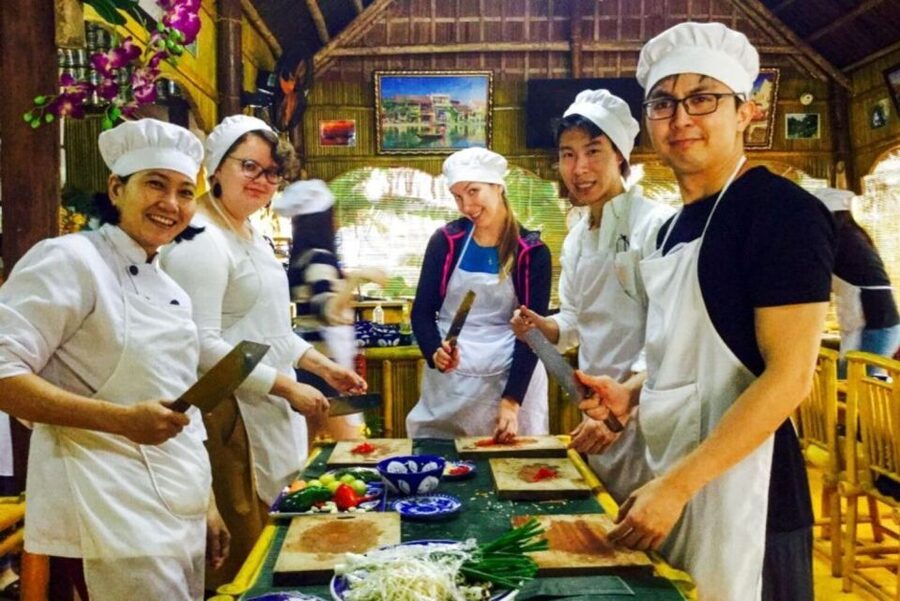
And yes, the class is a group tour. But the group stays small—limited to 10 participants—so you aren’t stuck waiting your turn for every step.
The hands-on lesson: 4 dishes with Vietnamese technique
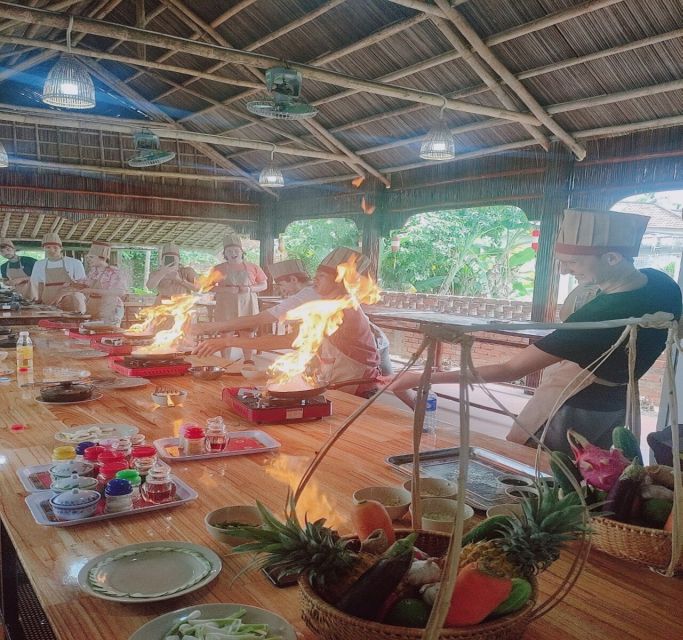
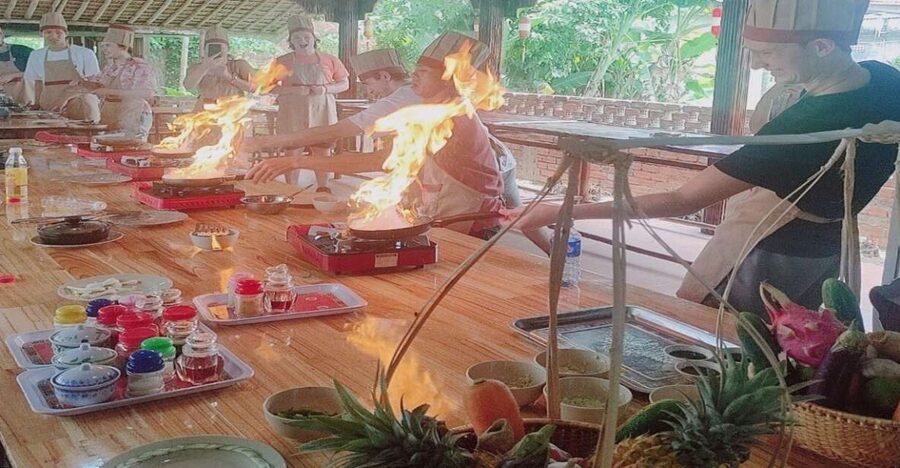
You’ll learn 4 local dishes, taught by the chef using traditional methods. The exact flow can vary a bit by the group and timing, but the menu is consistent: pancake, spring rolls, papaya salad, and chicken with lemongrass.
Here’s what that means for you as a cook-at-home person.
Vietnamese pancake: texture and flavor balance
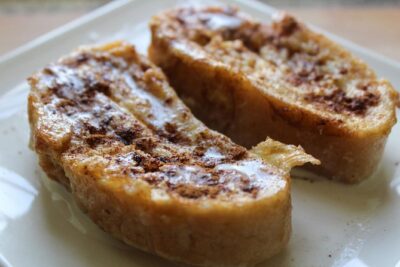
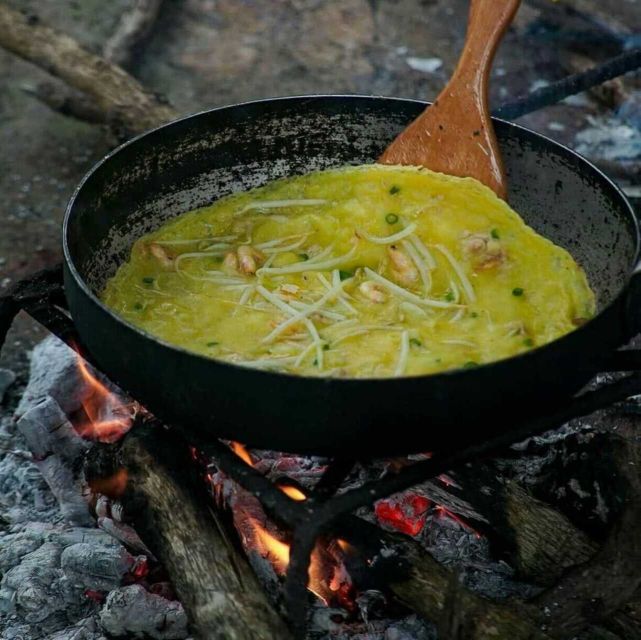
Vietnamese pancakes can be forgiving, but they still reward good technique—heat control, batter consistency, and how you layer flavors. In a class like this, you’ll focus on how the pancake should look and feel as it cooks, not just the recipe list.
The practical win: once you learn the method, you can adjust toppings and sauce later. You’re building confidence, not memorizing one rigid dish.
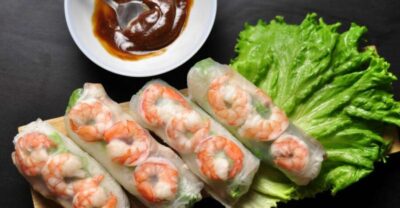
Spring rolls: assembly plus timing
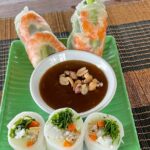
Spring rolls are where people often get frustrated on tours—too much “watching” and not enough doing. In this format, you get to handle assembly steps and learn how the components work together.
You’ll also learn what affects crunch and tightness. That’s the part that helps at home: the same ingredients can still taste different if the wrapping and cooking timing aren’t right.
Papaya salad: fresh, sharp, and very teachable
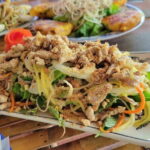
Papaya salad is one of the most satisfying Vietnamese dishes to learn because the flavor logic is clear: sour, salty, sweet, and heat. You’ll learn how to build that balance and how to work with ingredients so they taste bright rather than flat.
This is also where the class shows why it’s hosted by locals. Vietnamese kitchens know how to make a salad feel like a meal—using seasoning and texture work, not just bottled dressing.
Chicken with lemongrass: aroma-first cooking
Chicken with lemongrass is all about aroma and simmering properly so the flavor spreads. You’ll work with traditional seasoning methods and understand how lemongrass changes the whole dish—not just as a garnish.
The value here is big for home cooks. Lemongrass can feel intimidating if you’ve only seen it on menus. After this class, you’ll know how much, how it’s prepared, and what cooking step actually creates the flavor.
The best part: you eat what you make
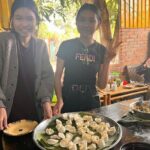
After cooking, you sit down and enjoy your own creations. That’s not a small detail. It changes how you cook. When you know your food is coming back to the table, you pay attention to timing and taste along the way.
In past groups, people have described the results as fresh and plentiful, and they’ve said the meal can beat many restaurant plates because it’s made right there. I like that kind of honesty: it’s not a buffet afterthought. It’s the payoff.
Depending on the session, you’ll get lunch or dinner included with the class. If you’re thinking about food value, this is a key part of why the price works.
Guides, humor, and the small-group feel
Even with great recipes, a cooking class can feel awkward if the guide only talks and you only watch. That’s not the vibe here. The teaching style is built around group participation, with plenty of check-ins so you don’t get lost.
Names you may hear include Quan (chef) and guides like Giangwar and Mr Cou from previous groups. One recurring theme is support: guides are friendly and sometimes funny, and they help you step-by-step when you need it. Past groups also mentioned that assistants keep things moving—one even described a helper cook adding support at the right level for a group of about seven.
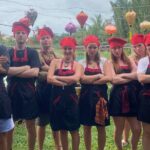
One extra note from the experience: some groups reported doing a hands-on step like rice milling with songs. That isn’t spelled out in every single schedule detail, so don’t count on it like a guaranteed ritual, but it’s a great example of how local cooking can include real village tasks.
Price and value: why $23 can feel fair here
At $23 per person for about 210 minutes, you’re paying for more than instruction. You’re getting:
- An English-speaking chef
- All ingredients
- Welcome tea
- A meal (lunch/dinner) made from your own cooking
You can easily spend that amount in Hoi An on one entrée and a drink. This is different because you’re walking away with four dishes you can remake, plus technique you’ll actually use—how sauces are balanced, how cooking steps change texture, and how to assemble items like spring rolls.
Not included is also worth knowing: drinks and personal expenses aren’t part of the price. Hotel pickup/drop-off is also not included. Still, once you factor in the meal and full ingredient set, the value holds up.
Who this class suits best (and who should skip it)
This is ideal if you want:
- A hands-on Hoi An activity instead of a food tasting only
- Traditional Vietnamese cooking you can practice later
- A calmer village setting in Cam Thanh Coconut Village
- An experience in English without the pressure of complicated directions
You might not love it if you’re only looking for a quick snack-and-walk. This is a real class. It’s long enough to feel like a half-day event, and you’ll be cooking (not just hovering).
If you have dietary needs, tell them in advance about food allergies. The class data specifically asks you to let them know, which is the right step. What the menu can adjust to isn’t described here, so communicate early to avoid surprises.
Should you book this Cam Thanh cooking class?
I’d book it if you want an authentic Hoi An food experience that’s practical. The combination of an English-speaking chef, small group size, and the chance to cook four signature dishes—and then eat them—is a strong use of your time.
Choose the session that fits your day. Morning starts around 10:30 and afternoon starts around 16:30, with the meal built into the overall schedule. If you dislike group activities or you need hotel pickup convenience, that could make it less comfortable. But for most people who like real food skills, this one hits the sweet spot.
And if plans change, you’ll have the option to cancel up to 24 hours in advance for a full refund, plus the tour offers a reserve now, pay later style of flexibility.
FAQ
Where is the meeting point?
You meet at Hoi An village Experience in the Cam Thanh Coconut Village area.
What time does the cooking class start?
There are two starting options: 10:30 or 16:30. The class runs about 210 minutes and ends around 13:30 or 19:30.
What dishes will I cook?
You’ll cook four local dishes: pancake, spring rolls, papaya salad, and chicken with lemongrass.
Is the class taught in English?
Yes. The chef speaks English, and the tour includes an English-speaking guide.
Do they pick me up from my hotel?
No. Hotel pickup and drop-off are not included, so you’ll need to reach the meeting point yourself.
What if I have food allergies?
Let the team know about any food allergies before the class. They specifically ask you to share this in advance.