REVIEW · PARIS
Paris: Hands-On Small Group Cooking Class
Book on GetYourGuide →Operated by LES SECRETS GOURMANDS DE NOEMIE · Bookable on GetYourGuide
French cooking gets real fast. This small-group class with Chef Noémie turns you from menu-reader into maker. I love the hands-on setup in a loft-style atelier, and I love how the class is paced for both novices and serious home cooks. One consideration: it is not a quick tasting—this is a working session where you’ll be chopping, cooking, and eating what you make.
What stands out is the relaxed, very Parisian feel—fresh market ingredients, clear technique, and a 3-course lunch you can actually recreate later. You’ll leave with English recipe copies, plus utensils and an apron provided, so you’re not hunting for gear in advance. The only drawback to plan around is timing: it runs about 3.5 hours (roughly 10:30 to 14:00), so you’ll want your other plans to stay light afterward.
In This Review
- Key Things I’d Prioritize Before You Go
- Batignolles Loft Cooking With Chef Noémie
- What Happens During the 3.5-Hour Class (and Why the Timing Works)
- Starter: Build the habit of fresh, local flavor
- Main + sides + sauce: Learn control, not just steps
- Dessert: Finish with confidence
- Recipe Copies, Utensils, and the Real-Life Skills You Take Home
- Wine included with lunch
- Small Group Dynamics: Why a Max of 8 Feels Like Getting Personal Help
- Meeting Point in Paris: Where to Start So You Don’t Stress
- Price and Value: What You’re Really Paying For
- Who This Class Suits Best (and Who Might Want Something Else)
- Should You Book This Cooking Class?
- FAQ
- How long is the Paris cooking class?
- What time does the class run?
- How many people are in the group?
- Who teaches the class?
- Is the class offered in English?
- What food and drinks are included?
- Do I get to cook and eat a full meal?
- Where is the meeting point?
- What is the cancellation policy?
Key Things I’d Prioritize Before You Go
- Max 8 participants means more attention from Chef Noémie and room to ask questions
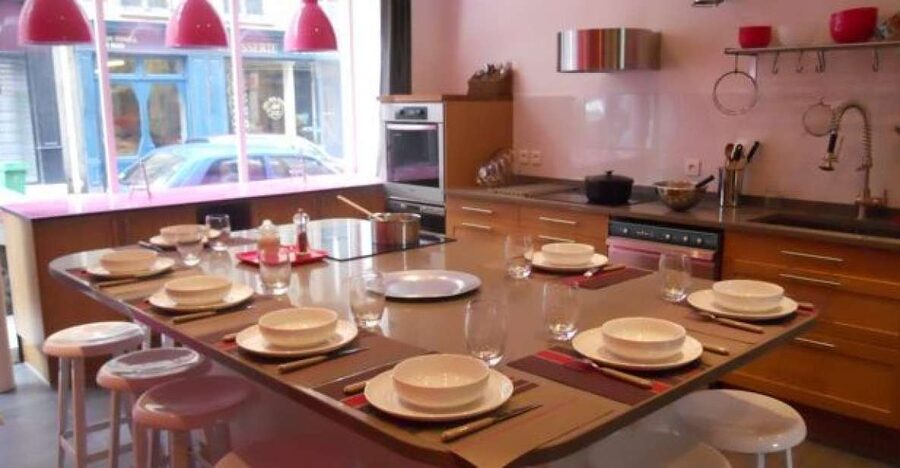
- Loft-style atelier in Batignolles keeps things practical and comfortable, not cramped
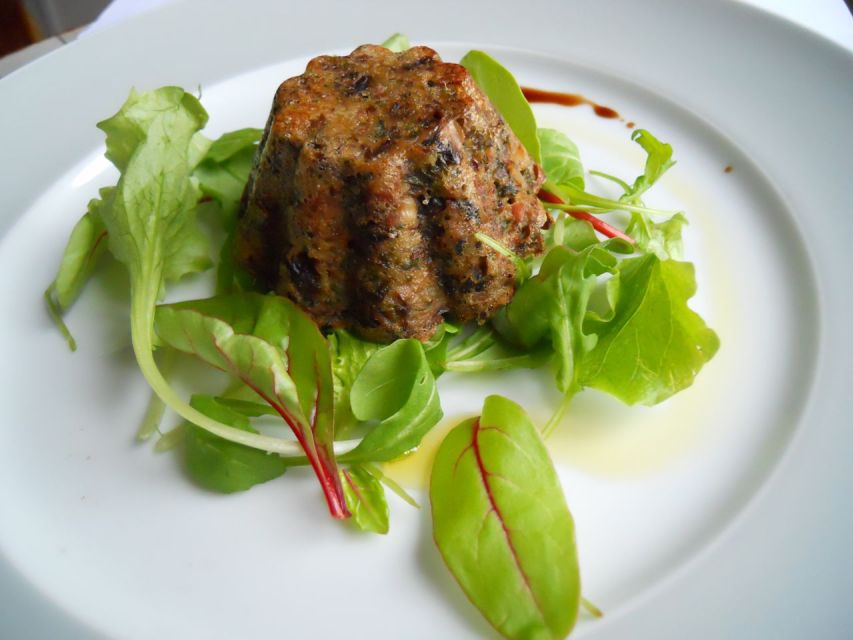
- 3-course hands-on lunch (starter, main with sides/sauce, dessert) makes the time feel worth it
- English recipe copies help you rebuild the dishes later without guessing
- Wine and coffee/tea included with your meal, making it closer to an experience than a demo
- Chef Noémie adapts to your level, so beginners don’t feel lost and experienced cooks get useful tips
Batignolles Loft Cooking With Chef Noémie
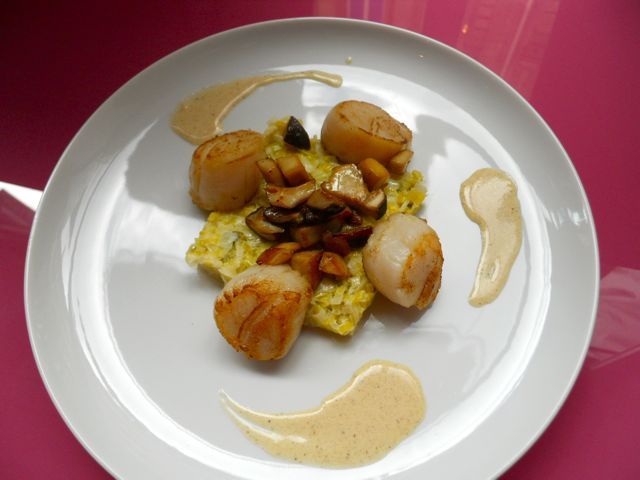
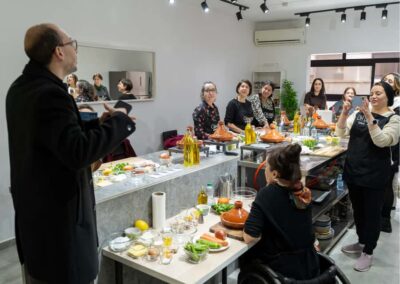
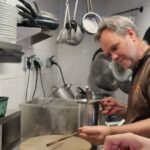
The class takes place in a loft-style atelier in the Batignolles district, which matters more than it sounds. A studio kitchen like this is set up for action: you can move, prep, and cook without feeling like you’re standing on the sidelines. I like that the format is intimate, because French cooking techniques often need quick, specific coaching—like how you chop, how you control heat, and how you build flavor step by step.
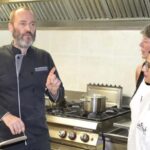
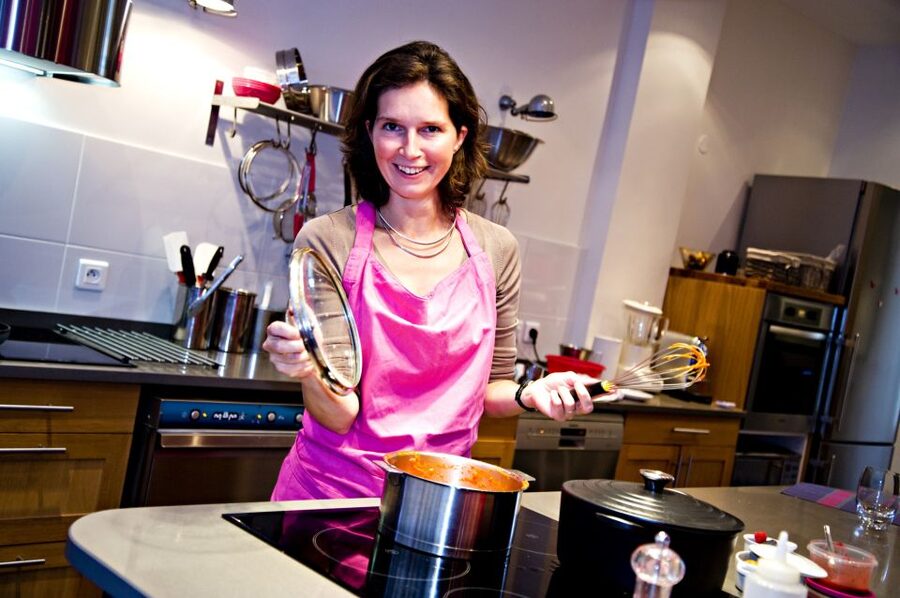
Chef Noémie is the heart of the experience. She’s described as young, talented, and truly Parisian, and she teaches with a mix of organization and friendliness. What you get isn’t just a list of recipes; you get an explanation of what the techniques do and why they matter. One detail I really appreciate: the instruction is designed to fit your comfort level, whether you’re brand new to cooking or you already know your way around a stove.
Chef Noémie also teaches in English and French, and the class materials include an English-language copy of the recipes. That means you can follow along even if your French is still a work in progress. In practice, it makes the whole session feel calmer: you spend your brain power on cooking, not translation.
You can also read our reviews of more tours and experiences in Paris.

What Happens During the 3.5-Hour Class (and Why the Timing Works)
This is scheduled from about 10:30 to 14:00 and lasts 210 minutes. That’s a sweet spot for French cooking. You get enough time to prep properly, cook without rushing, and sit down to enjoy the meal while it’s at its best. If you’ve ever tried to learn technique from a short demo, you know the issue: you miss the rhythm. Here, you build that rhythm.
The day is structured around a complete meal:
- a starter
- a main course with sides and sauce
- a dessert
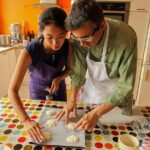
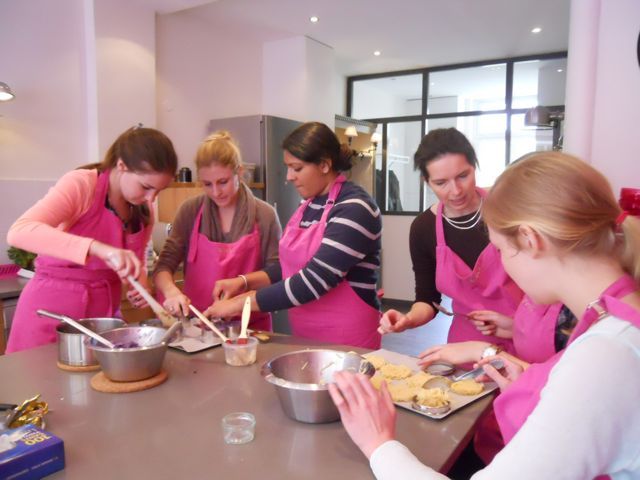
You don’t just watch someone else do it. You prepare and cook, then you eat what you make. That’s a big deal for value. It turns the class into a meal you get to take seriously, not a snack you’re forced to pretend to love.
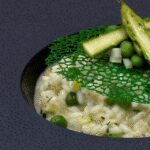
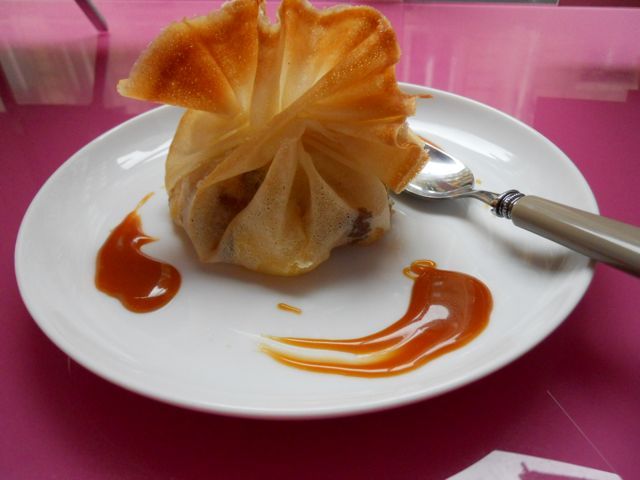
From the way the instruction is described, the class emphasizes practical steps such as prepping and chopping and also the purpose behind techniques. That’s how French cooking becomes more repeatable at home. For example, some past dishes have included a soup-like starter, a tomato-based preparation with a sauce that people found particularly impressive, and homemade tarts for dessert. Even if your specific menu varies, the underlying method is what you’re really buying.
Starter: Build the habit of fresh, local flavor
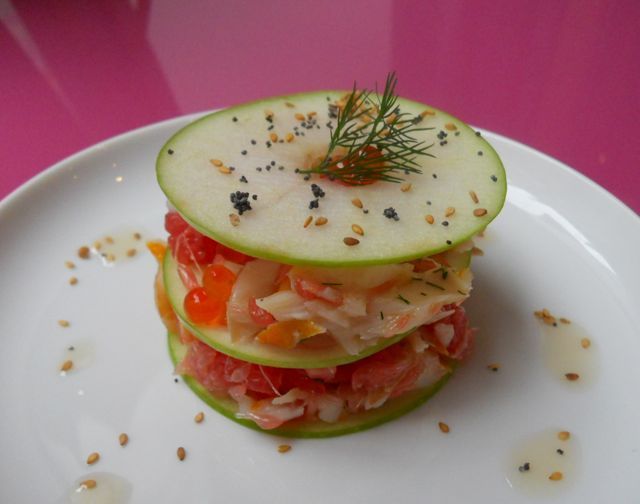
The starter portion is where you learn how French cooking often starts with balance and freshness. You’ll work with ingredients chosen for taste and seasonality, and you’ll get guidance on how to prep them efficiently. The goal is not perfection for show—it’s technique you can repeat.
Main + sides + sauce: Learn control, not just steps
The main is where the class earns its keep. This is the part that usually feels most intimidating at home, because sauce-making and timing can be tricky. The class approach is to teach what the technique is doing, so when something changes—heat too high, sauce too thin, seasoning not quite there—you know what to adjust.
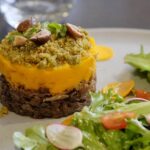
This is also where you’ll likely spend the most hands-on time. Past participants mention making a full main meal with sides and sauce and enjoying a thorough, guided result. Expect clear explanations and a focus on getting the dish on the table in a way that still looks and tastes like a real French lunch.
Dessert: Finish with confidence
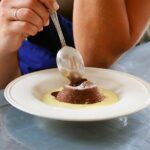
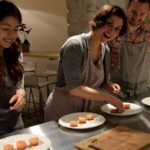
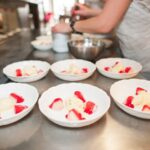
Dessert keeps you from leaving with only savory skills. You’ll make something sweet that fits the French tradition, and the pacing is set so you can actually enjoy what you bake rather than waiting around. One memorable touch from an earlier class: a participant’s special occasion was celebrated with candles on homemade tarts. Even if your class doesn’t have that exact moment, it shows the atmosphere—warm, thoughtful, and not stiff.

Recipe Copies, Utensils, and the Real-Life Skills You Take Home
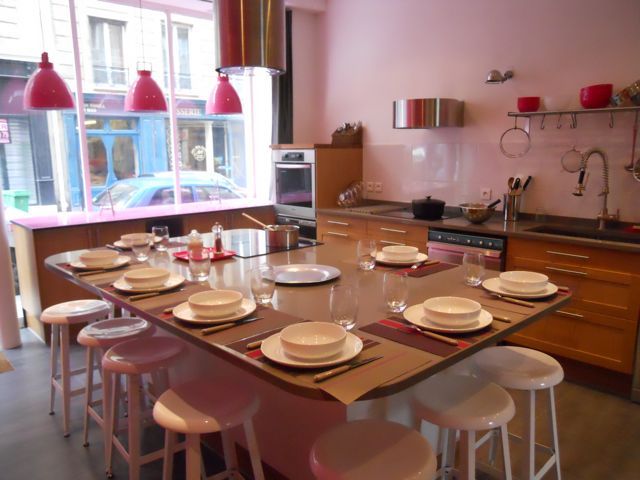
The class includes English-language copy of the recipes, plus cooking utensils and an apron. That matters because it removes the usual barrier after cooking classes: you forget details the moment you step out the door. With recipe copies in English, you can translate ideas into action again at home without guessing measurements or steps.
More important than the paper is what people describe as clear instruction and technique-focused teaching. Participants note that explanations are easy to follow and that you learn the purpose behind what you’re doing. That’s how you go from repeating a dish once to being able to adapt it later.
A smaller, practical bonus: one review specifically mentioned being able to take photo and video notes, which makes it easier to remember the exact textures and timings. If you’re someone who likes to rebuild the “feel” of cooking later, bring your phone and plan to capture a few key moments.
Wine included with lunch
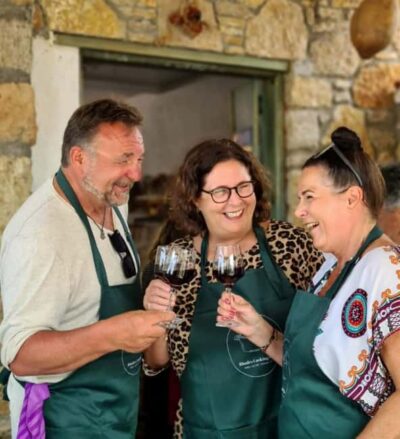
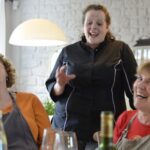
Lunch is served with mineral water, a glass of French wine, and coffee or tea. This turns the class into a proper meal, not just a workshop with food at the end. You might also find it useful to ask Chef Noémie for a wine recommendation that fits the menu; one participant suggested bringing it to share with the class during the meal, and it sounds like Chef Noémie enjoys those extra touches.
Small Group Dynamics: Why a Max of 8 Feels Like Getting Personal Help
The group is limited to 8 participants, and that is the difference between learning French cooking as a concept and learning it as a skill. In a bigger class, you’re often stuck waiting your turn. Here, you can get quick feedback when something’s off.
That’s especially helpful for beginners. Reviews mention the class being welcoming and adapting to different experience levels. If you’re nervous about cooking, you’ll likely appreciate the structure and the way questions are handled.
If you’re an experienced cook, don’t assume it’s basic only. Past participants highlight technique tips and an emphasis on why methods work. That’s what keeps a class from feeling like a repeat of something you already know.
Meeting Point in Paris: Where to Start So You Don’t Stress
You’ll meet at 92 rue Nollet, 75017 Paris. If you use the metro, line 13 stops at Brochant or La Fourche, both listed options. For buses, you can use 66, 54, 74 to Legendre, or 31 to Parc Martin Luther King. There’s also a specific Navette option: Pont Cardinet, alight there if that’s how you’re arriving.
This area matters because it’s not the most frantic tourist core. Batignolles has that lived-in feel where locals do errands and coffee breaks look normal. If you want a calmer start before cooking, it helps.
Practical tip: arrive a few minutes early so you can settle in. Cooking classes work best when you’re not rushing to wash up, grab your apron, and get started.
Price and Value: What You’re Really Paying For
At $182 per person for 210 minutes, this doesn’t feel like the cheapest cooking class in Paris. But it also doesn’t feel like a “light demo” deal. Here’s the value logic that makes sense:
- You get a complete 3-course meal that includes wine, coffee/tea, and mineral water
- You’re in a small group capped at 8, which supports real coaching
- You receive English recipe copies plus utensils and an apron
- You cook hands-on with Chef Noémie, with instruction that adapts to different skill levels
So you’re paying for more than food. You’re paying for instruction time, meal-quality results, and materials that help you re-create the experience later.
If your goal is to see the basics of French cuisine only, you might find cheaper options. If your goal is practical skills you can use at home—chopping, technique, sauce logic, and finishing dishes—this price starts to look fair fast.
Who This Class Suits Best (and Who Might Want Something Else)
I’d put this class near the top of the list if you fit one of these:
- You want hands-on French cooking, not just watching
- You like learning from a real chef who can explain technique clearly
- You want a French food experience that ends with a proper lunch
- You’re visiting Paris and want something grounded in daily culture, not a scripted show
It may be less ideal if:
- You’re looking for a tasting-only experience
- You don’t want to cook at all during the class
- You need special accommodations that aren’t mentioned here (it’s always smart to ask before booking)
One more note: pets aren’t allowed, and smoking isn’t allowed. So plan for a smooth, quiet cooking environment.
Should You Book This Cooking Class?
Yes, you should book it if you want real technique and a meal you can be proud of. The combination of Chef Noémie’s instruction, the small-group format, and the full starter-main-dessert outcome makes this class feel like a complete experience rather than a quick activity.
I’d hesitate only if you’re time-crunched or you strongly prefer a hands-off style. Otherwise, this is exactly the kind of Paris experience that teaches you something usable—how to cook French food with confidence, not just how to eat it.
FAQ
How long is the Paris cooking class?
The class runs for 210 minutes.
What time does the class run?
Cooking classes are scheduled from 10:30 to 14:00.
How many people are in the group?
The class is limited to a small group of up to 8 participants.
Who teaches the class?
Chef Noémie teaches the cooking class.
Is the class offered in English?
Yes. The host or greeter speaks English and French, and there is an English-language copy of the recipes.
What food and drinks are included?
Food is included, along with wine, tea, and coffee. Lunch is served with mineral water, a glass of French wine, and coffee or tea.
Do I get to cook and eat a full meal?
Yes. You prepare a delicious 3-course meal and enjoy it for lunch, typically including a starter, main course, and dessert.
Where is the meeting point?
The meeting point is 92 rue Nollet, 75017 Paris, France.
What is the cancellation policy?
You can cancel up to 24 hours in advance for a full refund.