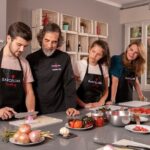
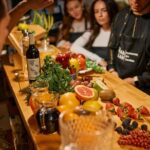
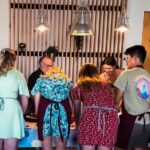
Paella tastes better when you cook it. This 2-hour class in Barcelona’s Gràcia neighborhood puts you at the center of the action in an open kitchen, led by the Kampada team and featuring chef Pabla in the stories I’m basing this on. You’ll learn how to make traditional seafood paella and a lineup of Mediterranean tapas, then eat together in a relaxed space with music and plenty of sangría.
Two things I like a lot: you get hands-on instruction in a small group (max 12), so you can actually ask questions while you cook, and you finish with a real dinner at a shared table instead of a quick sampling. If you want to recreate Spain after your trip, the class is built for that.
One consideration: the menu is centered on seafood paella, so if you don’t eat shellfish or seafood, you’ll want to ask about fit before you go.
In This Review
- Key Takeaways
- Entering Gràcia’s Open Kitchen (Where You Actually Cook)
- What You’ll Cook: Paella + Mediterranean Tapas, Together
- Catalan starters that set the tone
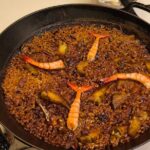
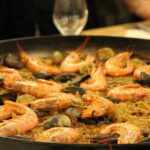
- The main event: Traditional seafood paella
- Bottomless Sangría: A Social Pace, Not an Afterthought
- The 2-Hour Timeline: How They Keep It Moving
- Why the Small Group Matters (Max 12 People)
- Location Value: Gràcia Makes the Class Feel Like a Night Out
- Price and Value: What $81.71 Really Buys
- Who This Is Best For (and Who Might Want to Skip It)
- After the Class: Turning Lessons Into Home Paella
- Should You Book This Paella Cooking Class in Gràcia?
- FAQ
- What is the duration of the paella cooking class?
- Where does the experience start in Barcelona?
- Is the class offered in English?
- How many people are in the class?
- What food and drinks are included?
- Is sangría included, and is it unlimited?
- Do I need transportation included?
- Can I cancel for a full refund?
- Is there a mobile ticket?
Key Takeaways
- Open-kitchen setup in Gràcia means you cook right where everything happens
- Max 12 people keeps the pace friendly and the coaching personal
- Bottomless sangría (barra libre) turns the class into a proper shared meal
- Catalan classics on the menu: fuet and pan con tomàquet show up alongside paella
- Step-by-step, not watch-and-copy cooking style helps you repeat it at home
- You leave with practical recommendations you can use after the class
Entering Gràcia’s Open Kitchen (Where You Actually Cook)
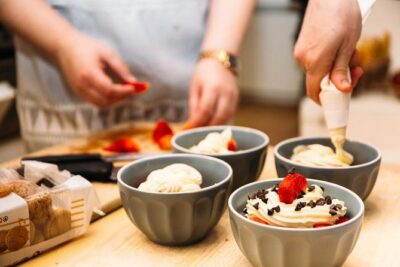
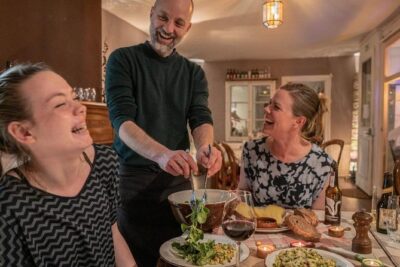
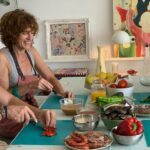
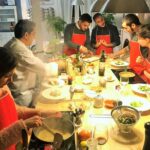
You’ll meet in Gràcia at L’ExquisEat, Carrer de Santa Magdalena, 9 (near public transportation), with the start time at 7:00 pm. The idea here is simple: you’re not signing up for a lecture or a performance. The venue is an open, stylish space—about 150m²—with comfy seating, dining tables, and music, so the whole night feels like dinner with a cooking lesson attached.
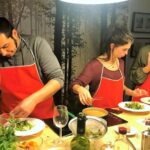
What makes this setup work is the flow. As the chef teaches, you’re moving between chopping, tasting, and cooking in real time. That’s how you learn the timing for things like seafood and how sauce textures should look when they’re ready.
The class also has a casual vibe. Based on what people emphasized about the atmosphere, it’s the kind of place where you cook, chat, and laugh while you learn. If you like food experiences that feel warm and social rather than stiff and overly formal, this suits that mood.
You can also read our reviews of more tours and experiences in Barcelona.

What You’ll Cook: Paella + Mediterranean Tapas, Together
You’re looking at a tight menu designed to give you a full Spanish meal arc: starters to get you grounded in Catalan flavors, then paella as the centerpiece.
Catalan starters that set the tone
You’ll get a few classic items that matter because they’re not complicated, they’re just executed right:
- Catalan charcuterie (fuet): a traditional cured sausage seasoned with black pepper and air-dried. It’s the kind of bite that wakes up your appetite and helps you understand the local love for pork, salt, and patience.
- Pa amb tomàquet: toasted bread rubbed with ripe tomato, finished with olive oil and salt. This is basic on paper, but the quality of the ingredients and the balance of salt and oil are the whole point. It’s also a dish that translates well to home cooking.
- Grilled cuttlefish with garlic and parsley-style sauce (sepia a la plancha, served with an ají sauce): tender, lightly seared, and paired with a sauce that brings smoky and slightly spicy notes.
- Mussels in marinera sauce: mussels cooked in a tomato, garlic, and white wine sauce—classic Mediterranean comfort, with lots of aroma and a satisfying depth.
I like starter menus like this because they give you a “flavor map” for what paella is doing. Paella isn’t just rice. It’s a framework of salt, aromatics, tomatoes (depending on the approach), and seafood flavors that should taste cohesive.
The main event: Traditional seafood paella
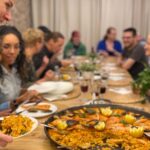
For the main course, you’ll cook traditional seafood paella with shellfish and fresh seafood. That matters for learning because seafood paella has a sharper timeline than meat-based versions. You need to manage heat, doneness, and timing so you don’t overcook the seafood while the rice finishes properly.
Even if you’ve made paella before, the value here is the coaching style: people described clear explanations and step-by-step help. The practical takeaway isn’t just how to follow a recipe—it’s how to judge progress while you’re cooking, so your results don’t depend on guesswork.
Bottomless Sangría: A Social Pace, Not an Afterthought
Sangría is included as part of the experience, served as a barra libre. That means there’s an open bar feel during the class, and the night is meant to be fun as you work. One detail worth noting: it’s made as a local activity, with the recipe shared so you can recreate the flavor later.
Pair that with what people said about the energy—casual, collaborative, and not rushed—and you get a class that doesn’t feel like you’re squeezed into a strict schedule. The sangría helps you settle in, talk with the group, and keep the evening light.
Just keep expectations realistic: this is still a cooking class, so you’ll be working. If you’re the type who prefers quiet, no-social-interaction meals, you might find the vibe a bit too lively. If you like meeting people and cooking with a team feeling, it’s a big plus.
The 2-Hour Timeline: How They Keep It Moving
The duration is about 2 hours. In a class like this, the hardest part is packing real skill into a short window. The way they do it seems to work because the group size stays small (up to 12), and the instruction is hands-on.
A typical flow you can expect:
- You start with the Catalan ingredients and tapas components.
- You cook and assemble while the chef gives guidance for technique and timing.
- You finish by sitting down together for the paella dinner at the shared table setup.
The timing is what helps you leave full without feeling rushed. People called out the pacing and the fact they weren’t shoved out the door right after eating. For you, that means more than comfort—it means you can actually taste what you cooked, understand the result, and start thinking about how you’ll replicate it back home.
Why the Small Group Matters (Max 12 People)
A 12-person cap sounds like a small detail, but it changes the whole experience. When you’re cooking, you don’t just need a recipe—you need correction. Things like heat level, how long something should sit, and when to add ingredients can make or break paella.
In a smaller group, you’re more likely to:
- get help at the moment you need it
- ask a follow-up question without feeling awkward
- learn by doing rather than standing around
Also, the open kitchen layout means your workspace and the chef’s teaching zone are closely linked. That reduces the time you spend waiting and increases the time you spend learning.
Location Value: Gràcia Makes the Class Feel Like a Night Out
This isn’t just a food stop in a random storefront. The meeting point is in Gràcia, a neighborhood known for its charming side streets and local feel. Starting at 7:00 pm is also smart: you’re in the evening rhythm where dinner experiences make sense, and you can pair the class with a casual pre-dinner wander.
If you’re trying to keep your Barcelona evenings simple, this is a good fit. One ticket, one meal plan, and a solid cultural angle—Catalan food and Spanish paella, taught in a way that sticks.
Price and Value: What $81.71 Really Buys
At $81.71 per person, you’re paying for more than ingredients. This price makes sense because it includes:
- the food course lineup (tapas + traditional seafood paella)
- an alcoholic beverage flow through bottomless sangría (barra libre)
- bottled water
- an English-speaking instructor experience in a small group
The value equation here is that your cost is mostly “skill + meal + atmosphere,” not “just a meal.” If you tried to recreate this on your own after the fact, you’d still pay for ingredients, equipment time, and trial-and-error. The biggest payoff is the practical guidance—tips that help you get paella right at home, not just once.
If you’re watching budget tightly, consider that alcohol is included, which can shift the cost comparison in your favor if you planned to drink anyway.
Who This Is Best For (and Who Might Want to Skip It)
This class is a great match if you:
- want hands-on cooking, not observation
- like shared meals with a lively, friendly tone
- want to learn practical paella techniques you can repeat later
- are happy with a menu centered on seafood
It might be less ideal if:
- seafood or shellfish is off-limits for you (the main is seafood paella)
- you want a quiet, no-social vibe
- you’re looking for a long, slow deep-dining experience rather than a tight 2-hour class
After the Class: Turning Lessons Into Home Paella
The highlights point to an important promise: you’ll learn professional tips and tricks to getting paella right at home. That’s exactly what you should focus on after you leave.
When you’re back in your kitchen, your best approach is to remember what the class emphasizes:
- timing matters for seafood
- sauce and aromatics aren’t optional
- tasting while cooking beats guessing later
Also, don’t be shy about asking your chef for after-tour recommendations. The experience is designed so you can get guidance beyond the pot in front of you.
Should You Book This Paella Cooking Class in Gràcia?
Book it if you want a fun, social, hands-on Spanish food experience where you cook, eat, and learn something you can reuse. The small group size, the open kitchen setting, and the combination of tapas plus seafood paella make it feel like a complete Barcelona night instead of a quick activity.
I’d hesitate only if seafood isn’t your thing, or if you prefer a quiet, formal cooking class. Otherwise, this is a strong value for the meal, the coaching, and the chance to leave with confidence—not just leftovers.
If you do book, come hungry, plan for a 2-hour evening, and be ready to ask questions while you’re working.
FAQ
What is the duration of the paella cooking class?
The class runs for about 2 hours.
Where does the experience start in Barcelona?
You’ll meet at L’ExquisEat, Carrer de Santa Magdalena, 9, in the Gràcia neighborhood (08012 Barcelona).
Is the class offered in English?
Yes, the experience is offered in English.
How many people are in the class?
The group size is limited to a maximum of 12 travelers.
What food and drinks are included?
You’ll have Catalan charcuterie (fuet), pa amb tomàquet, grilled cuttlefish with garlic and parsley-style sauce and ají sauce, mussels in marinera sauce, and traditional seafood paella. Alcoholic beverages include bottomless sangría, plus bottled water.
Is sangría included, and is it unlimited?
Yes. The experience includes a barra libre of sangría made locally during the class.
Do I need transportation included?
No. Private transportation is not included.
Can I cancel for a full refund?
Yes. You can cancel up to 24 hours in advance for a full refund.
Is there a mobile ticket?
Yes, the experience includes a mobile ticket.