REVIEW · OSAKA
Katsu Curry OR Bento Making Cooking Class & Local Shop Tour
Book on GetYourGuide →Operated by Osaka Cooking Base · Bookable on GetYourGuide
A good Osaka meal can be a skill, not just a snack. You’ll start at Osaka Tenmangu Shrine, then shop for ingredients and cook either katsu curry or a bento box with an English guide.
What I like most is how practical it feels: you’re taught step by step, then you eat what you made. I also love the human side—questions are welcome, and guides like Yuka, Miyako, and Tomoko make the cultural exchange part feel natural.
One thing to consider: this is an either/or format, so you’ll focus on katsu curry or bento, not both in the same class.
In This Review
- Key highlights you’ll actually use
- Meeting at Osaka Tenmangu Shrine: start with the right Osaka mindset
- Local shop tour: learn why ingredients matter, not just what they cost
- Cooking the main event: katsu curry or bento, taught in clear stages
- If you choose katsu curry
- If you choose bento
- Small group size changes everything
- The cultural conversation: ask about Japan while you cook
- The lunch you carry home: practical skills, not just a meal
- Price and value: what $83 gets you in real terms
- Who should book this Osaka Cooking Base class
- Should you book the katsu curry or bento making class?
- FAQ
- What dishes are included in the class?
- How long is the experience?
- Where do we meet?
- Is the class taught in English?
- How big is the group?
- Is lunch included?
- Are drinks included?
- Do I need to reserve in advance?
- What is the cancellation policy?
- Do I pay when I book?
Key highlights you’ll actually use
- Hands-on cooking in a real class setting with step-by-step guidance you can repeat at home
- Local shop tour near Osaka Tenmangu Shrine, with translation help so ingredient shopping makes sense
- Small group feel (capped at 8; some days are even smaller) so you get time to ask questions
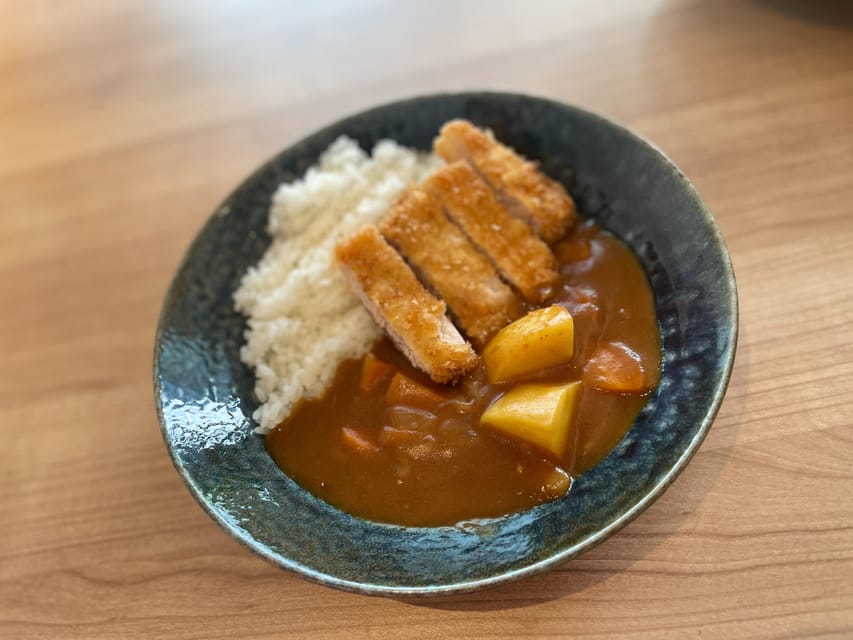
- Choose your main: katsu curry or a bento box, plus the satisfaction of assembling and eating your own lunch
- Optional extras like drinks, including sake tasting, if you want to add that bonus
Meeting at Osaka Tenmangu Shrine: start with the right Osaka mindset
The tour begins in front of the large main gate of Osaka Tenmangu Shrine. That detail matters, because there’s also a smaller back gate—and showing up at the wrong one can burn your first 10 minutes before you even start.
I like that the meeting point gives you instant context. Tenmangu Shrine is the kind of Osaka landmark locals walk past all the time, not just a postcard stop. You’re not shoved into “tour mode” right away. Instead, you get a calm starting point and a sense that this day is about everyday life—food, neighborhood shops, and how people relate to visitors.
Right away, you’ll be orienting yourself with the guide and getting ready for the shop tour. Since the class language is English and you’ll have translation assistance during the market part, you’re not expected to decode the entire city on your own. That’s a big deal if your Japanese is limited and you still want the cultural context behind what you’re buying.
You can also read our reviews of more tours and experiences in Osaka.
Local shop tour: learn why ingredients matter, not just what they cost
After meeting at the shrine, you head out to local shops—just a few stops. The goal isn’t to cram you into a marathon of storefronts. It’s to introduce you to Japanese ingredients and explain their cultural significance along the way.
This is where the experience earns its keep. Lots of cooking classes teach recipes. This one spends time on how people think about food before the cutting boards come out. You’ll get translation support as you look at items in the shops, so you can ask questions and understand what you’re seeing rather than pretending you know.
I also like that it’s framed as cultural exchange, not a strict lesson where you’re only allowed to listen. The guides are there to talk. That means you can ask things that come up naturally—how to recognize ingredients, how people use them, what to look for when you try to recreate dishes at home.
Practical tip: if you tend to freeze when you’re handed a language barrier, take a breath before the shop portion. The best way to get value here is to ask one simple question early, like what an ingredient is used for. Once you get one answer, the rest of the time gets easier.
Cooking the main event: katsu curry or bento, taught in clear stages
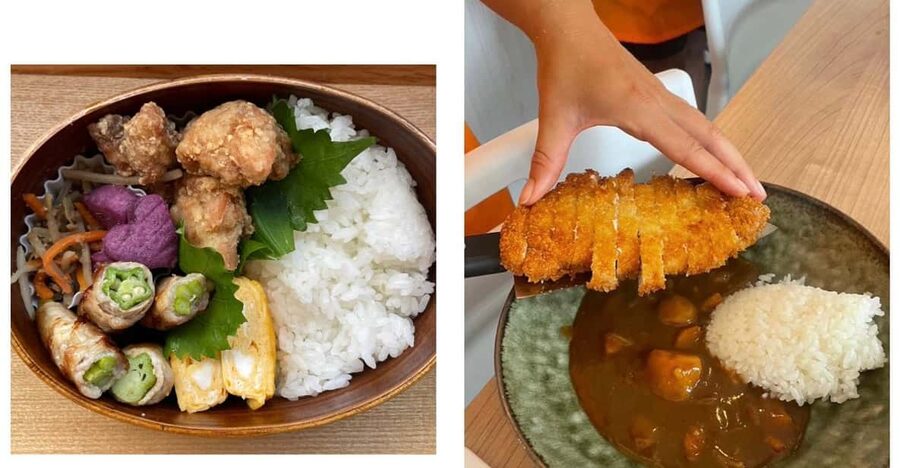
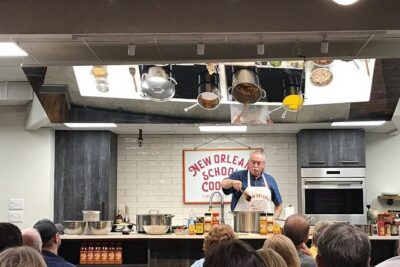
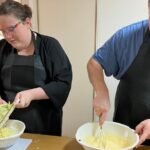
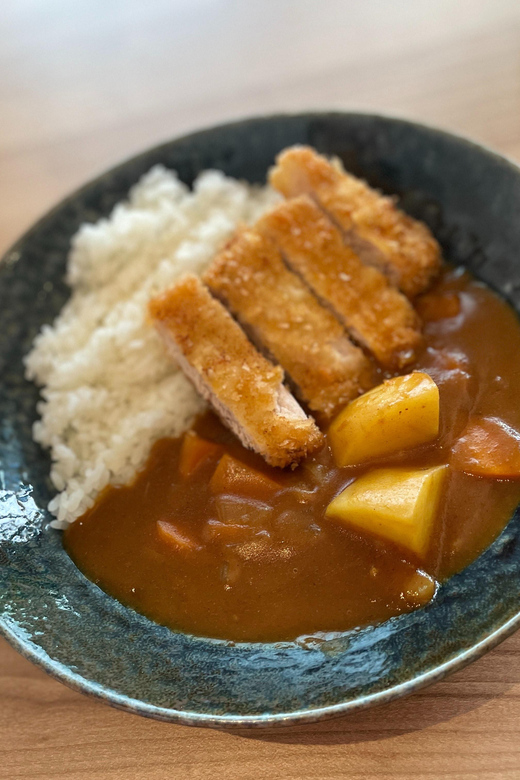
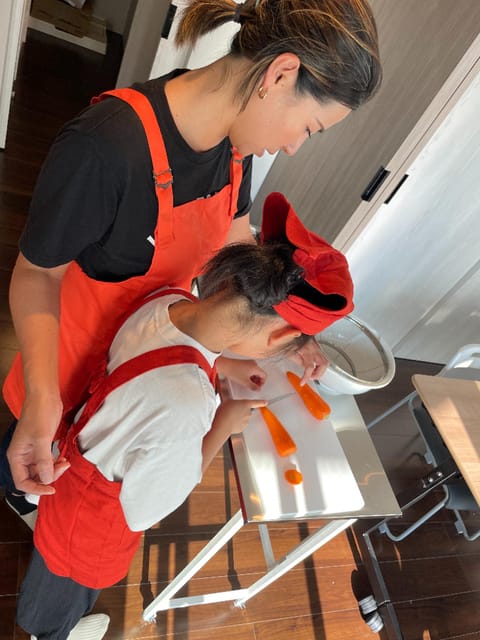
Then the class moves to the kitchen, and the hands-on work starts. You’ll cook either katsu curry or bento making, with step-by-step guidance designed to be engaging for all ages.
What makes this work is pacing. A 150-minute class is long enough to learn more than “one trick,” but not so long that you lose track. Each stage is explained so you’re not just repeating motions—you’re understanding the technique and the sequence.
If you choose katsu curry
You’ll be learning how to make katsu curry from scratch, guided through the process. Since the class includes the food you make, you’re not just experimenting with a sauce and hoping it comes out. You’re building a meal that becomes lunch (and hopefully a repeatable recipe back home).
If you choose bento
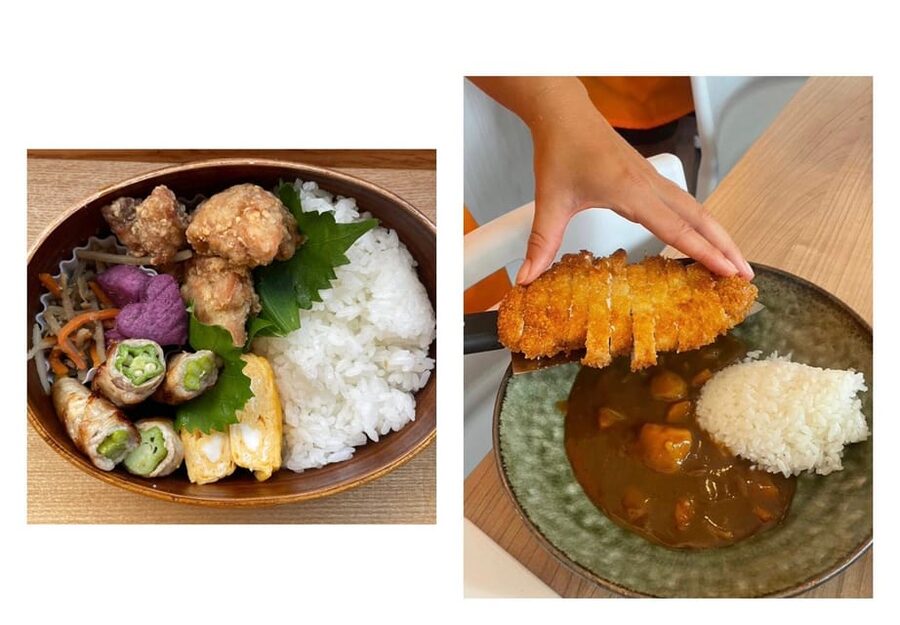
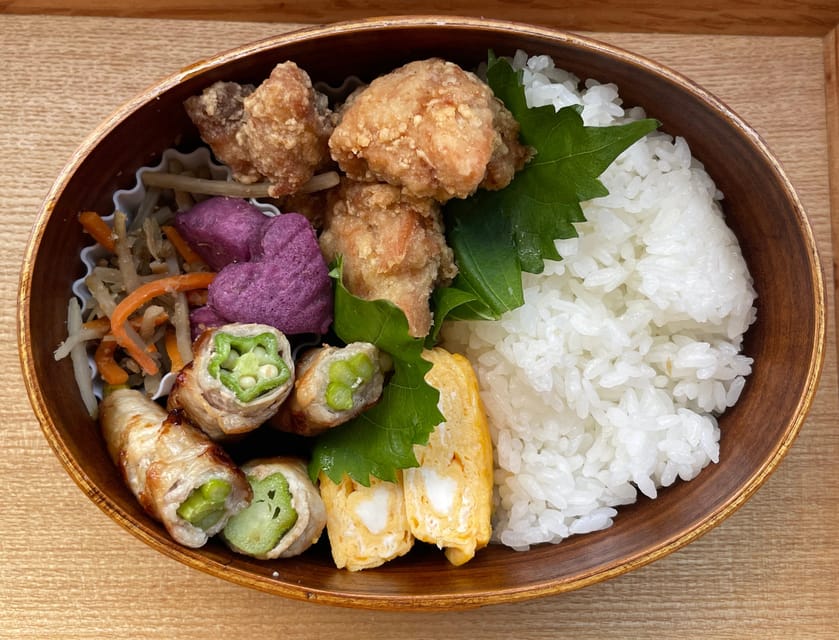
If you choose bento boxes, you’ll learn how to assemble one. There’s a real satisfaction in having the final product look like the kind of lunch you’ve seen in Japan, but without the stress of trying to figure everything out alone. One strong theme from the experience is the sense of achievement people feel when they can put a bento together with their own hands.
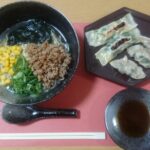
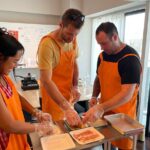
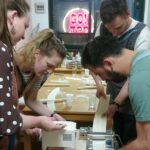
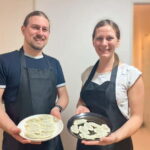
Small group size changes everything
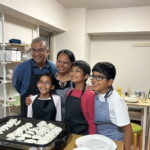
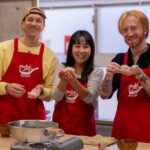
You’re in a small group—limited to 8 participants. In practice, some days may be even smaller. When the group is tight, the guide can slow down when someone needs it, and you’re more likely to get your personal question answered without feeling rushed.
The instructor is English-speaking, and translation assistance is included for the shop portion. So you’ll spend less energy managing confusion, and more energy learning what actually makes the dish work.
The cultural conversation: ask about Japan while you cook
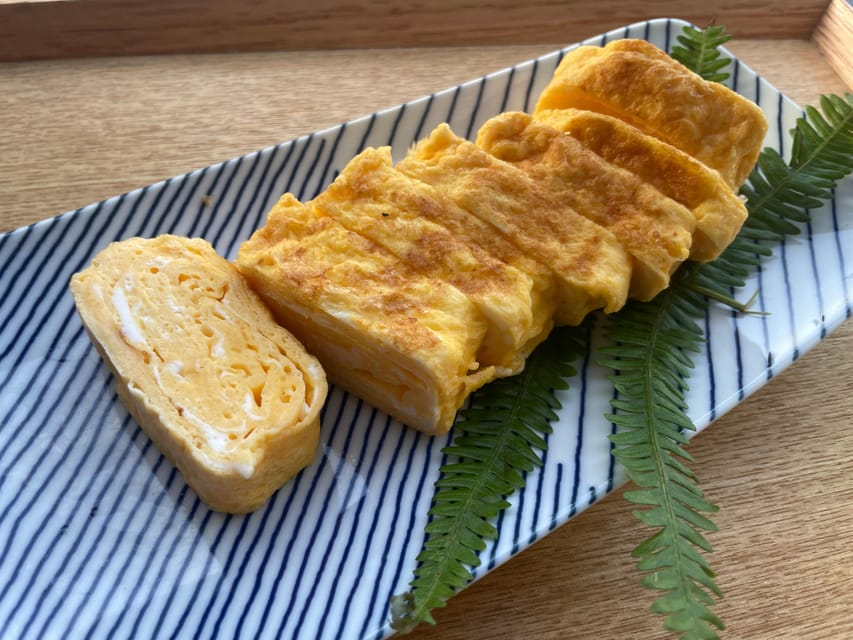
The cooking part isn’t silent. Throughout the session, the guide encourages lively conversation. You can ask questions about Japan, culture, or anything that sparked your curiosity during the shop tour.
I like this approach because it keeps the class from feeling like a checklist. Food is a gateway, but the real win is that the guide can connect what you’re doing to how people live. Someone like Yuka, Miyako, or Tomoko isn’t just teaching a recipe; they’re helping you understand the meaning behind it.
This matters if you’re traveling with kids or grandparents, too. The experience is designed for all ages, and the question-friendly format gives everyone something to participate in. Children can ask, seniors can watch and ask, and everyone gets a chance to connect food with culture rather than just following instructions.
If you’re the type who worries you won’t know what to ask, don’t overthink it. The easiest questions are also the best:
- What’s the most common way people eat this at home?
- How do you choose ingredients in the shop?
- What’s the difference between Japanese home cooking and what people usually cook overseas?
The lunch you carry home: practical skills, not just a meal
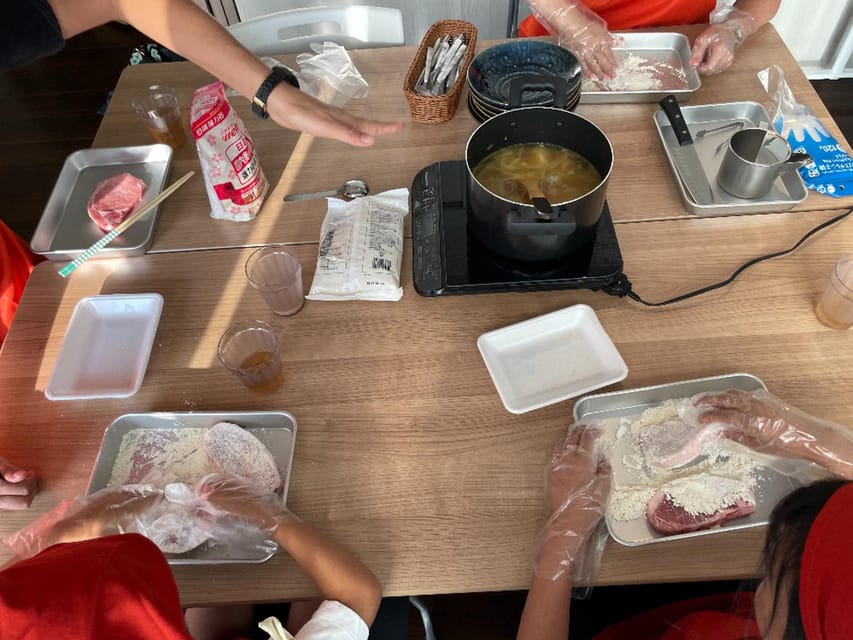
By the end, your goal is to be able to recreate what you learned at home. That’s stated plainly in the experience design, and you feel it when you’re cooking: the steps are explained so you’re not memorizing a script.
This is one of the most valuable parts for me. An expensive travel meal is nice, but it doesn’t teach you how to recreate the flavor. Here, you’re leaving with a method. That changes how you remember Osaka later. Instead of only remembering the lunch, you remember the process.
Also, since the class includes the food you make, you’re not stuck doing a “viewing” experience where you spend the whole time hungry. You eat what you cooked, which makes the lesson feel complete.
If you want to add something extra, there are optional drinks during the experience, including sake tasting. That can be a fun bonus if you enjoy pairing food with context. If you don’t drink, the class includes water and the core experience still works well without that add-on.
Price and value: what $83 gets you in real terms
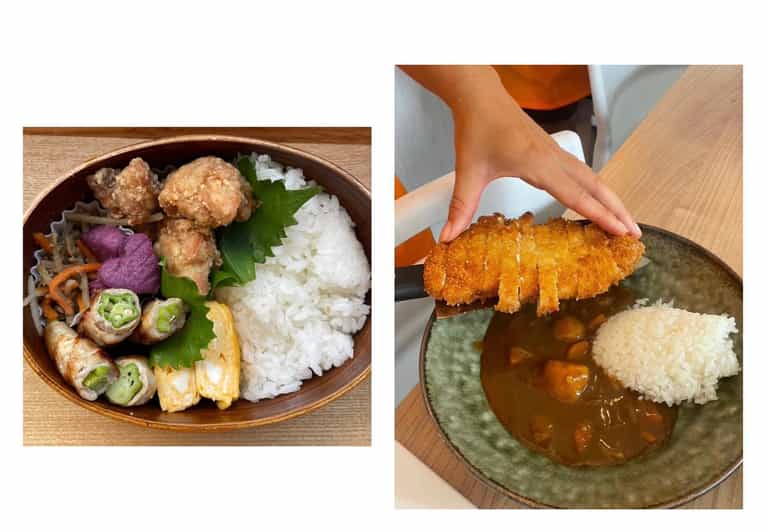
At $83 per person for about 150 minutes, this isn’t a bargain cooking class. But it also isn’t a tourist assembly-line, and that’s the key to the value.
Here’s what you’re paying for:
- A small group (limited to 8), which usually means more attention per person
- An English instructor and translation help during the shop portion
- A local shop tour (a few local stores) rather than a quick meet-and-greet
- Hands-on cooking with step-by-step guidance
- The meal itself: katsu curry or bento, made by you
When you add those parts up, it starts to look less like “just a recipe class” and more like guided cultural food time—half tour, half cooking lesson, both in one package. If you’ve ever done a cooking class where the shopping is replaced by a supermarket and the “lesson” is mostly watching, you’ll probably appreciate what’s different here.
The $83 also lines up with the reality of Osaka Cooking Base running a structured session with a human guide, not just a filmed tutorial. If you want a memorable morning or afternoon activity that leaves you with skills and lunch, this price feels more reasonable than it first appears.
Who should book this Osaka Cooking Base class
This is a strong choice if you:
- Want an Osaka cooking class you can repeat at home, not just a one-time meal
- Prefer a small group setting where you can ask questions
- Like connecting food with everyday Japanese shopping culture
- Travel with family and want an all-ages format
It’s also a good fit for first-timers in Osaka who want a guided start. Meeting at Osaka Tenmangu Shrine, then moving into local shops and a kitchen, gives you a neat arc for the day—see, learn, cook, eat.
Solo travelers often like this kind of experience because you’re not stuck in a large group where your questions get lost. And the class can feel flexible: the small-group cap means you’re more likely to get personal attention than in larger tours.
If you strongly prefer vegetarian or have very specific dietary needs, the most honest advice is to confirm what options are available before you book—because the experience description focuses on katsu curry or bento, with food included.
Should you book the katsu curry or bento making class?
I’d book this if your priority is learning Japanese home-style cooking in a way you can actually recreate. The combo of local shop tour + step-by-step cooking + question-friendly cultural exchange is what makes it feel worth your time.
Book it now if:
- you want to leave Osaka with a practical cooking skill
- you’d enjoy asking questions in English
- you like small-group experiences near real neighborhoods
Skip it (or at least compare alternatives) if:
- you want to learn both katsu curry and bento in one session
- you’re looking for a “see everything” sightseeing day instead of a focused food day
If you want a smart use of 150 minutes in Osaka—one that gives you lunch, context, and confidence in the kitchen—this one earns a solid yes.
FAQ
What dishes are included in the class?
You’ll cook either katsu curry or bento boxes. The food you make is included.
How long is the experience?
It lasts about 150 minutes.
Where do we meet?
Meet in front of the large main gate of Osaka Tenmangu Shrine. Please avoid the small back gate.
Is the class taught in English?
Yes. The instructor is English-speaking, and you’ll also have translation assistance during the local shop portion.
How big is the group?
The class is a small group limited to 8 participants.
Is lunch included?
Yes. Your katsu curry or bento is included, and you’ll enjoy what you make.
Are drinks included?
Drinks are optional. The description notes optional drinks other than water, including sake tasting.
Do I need to reserve in advance?
Yes. You should make your reservation at least 24 hours in advance.
What is the cancellation policy?
You can cancel up to 24 hours in advance for a full refund.
Do I pay when I book?
You can reserve now and pay later, so you pay nothing today when booking.