REVIEW · POSITANO
Cesarine: Positano Cooking Class – 3 Authentic Recipes
Book on Viator →Operated by Cesarine: Cooking Class · Bookable on Viator
Cooking in Positano beats another restaurant meal.
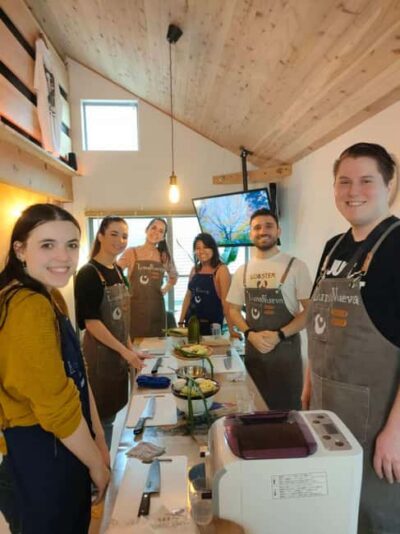
This 3-hour Cesarine cooking class takes place in a local home in 84017 Positano, with an expert home cook guiding you as you make three regional dishes from scratch. Small group size (up to 6 people) keeps things personal, and the focus stays on real technique, not a stage performance.
I especially love that you cook the whole set—starter, pasta, and dessert—so you leave with a better sense of how Italian meals are built. The host Fabiana was specifically praised for making the experience feel warm and special, and that matters in a place where food is basically a family language.
One thing to consider: this is hands-on cooking for about 3 hours, so if you’re trying to cram in nonstop sightseeing the same day, you’ll want to plan around the time at the table and at the stove.
In This Review
- Key things to know before you go
- A Positano cooking class that feels like a meal you’ll remember
- The menu: eggplant parmesan, lemon pasta, typical tiramisu
- Starter: Eggplant Parmesan
- Main: Lemon Pasta
- Dessert: Typical Tiramisu
- How the 3 hours usually feel from hello to plates on the table
- The feast: local wines with what you made
- Small-group teaching and English: a practical combo in Positano
- Price and value: what you’re really paying for
- Who this cooking class fits best
- Booking it with your brain switched on
- Should you book this Positano cooking class?
- FAQ
- Where does the cooking class take place?
- How long is the class?
- What recipes do you make?
- How many people are in the group?
- Is the class offered in English?
- What happens after you cook?
- Do I get a ticket on my phone?
- How far in advance is it typically booked?
- What’s the cancellation policy?
- Is it easy to reach without a car?
Key things to know before you go
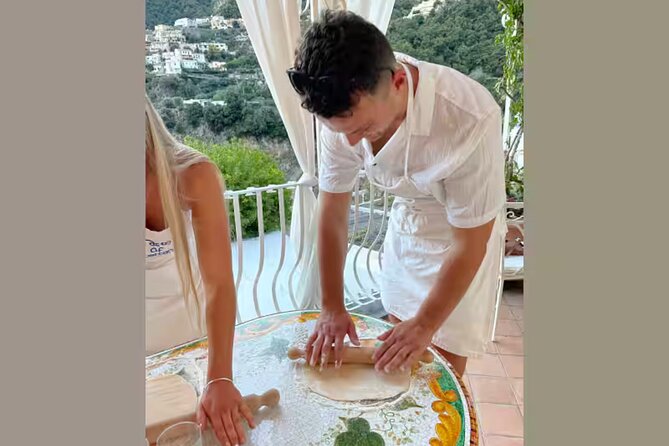
- Max 6 people means more attention and less standing around.
- Three made-from-scratch recipes: eggplant parmesan, lemon pasta, tiramisu.
- You eat what you cook, with local wines included.
- English is available, so you won’t miss the crucial technique talk.
- Near public transportation, plus you’re not stuck in some remote out-of-the-way spot.
A Positano cooking class that feels like a meal you’ll remember

Positano can tempt you into doing things the easy way: scenic walks, gelato breaks, and one more dinner reservation. This kind of Positano cooking class flips the script. Instead of just watching food happen, you help make it—then you sit down and eat the results.
That shift is what makes the experience valuable. You’re learning how recipes work in a real kitchen: timing, seasoning, texture, and the small choices that turn “a dish” into the dish. And because it’s limited to a maximum of 6 travelers, the teaching tends to stay practical and responsive rather than rushed.
It’s also a good way to understand the local food culture without turning it into a lecture. Italy’s regional cuisine is often about habits—how people build flavor, what they prioritize, and how they keep meals flowing from first bite to the last sweet spoonful.
You can also read our reviews of more tours and experiences in Positano.


The menu: eggplant parmesan, lemon pasta, typical tiramisu
You cook a tight, classic set of courses, and that’s one of the best parts of this class. You’re not learning one specialty; you’re getting a mini education in how Italian dining comes together.
Starter: Eggplant Parmesan
Eggplant parmesan is a great starter lesson because it teaches you about texture and balance. You’ll get hands-on experience with how eggplant behaves during cooking, and why the dish works when components are layered with care.
This is also a smart “first course” choice. It sets you up for the rest of the meal, and it’s forgiving enough that you can focus on technique without panic.
Main: Lemon Pasta
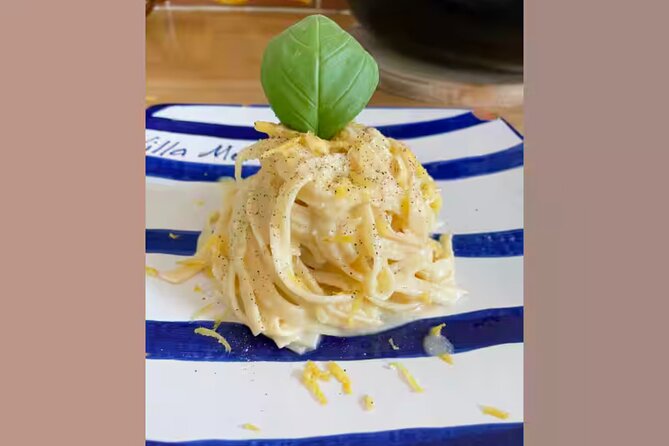
Lemon pasta gives you a different flavor lesson than a heavier tomato-based course. In practical terms, this means learning how citrus flavor changes the mood of a dish and how to keep the pasta tasting bright rather than sharp.
Pasta is where you’ll see the real payoff of learning by doing. Even small tweaks—how you handle sauce and timing—matter when you’re cooking in a real kitchen rhythm.
Dessert: Typical Tiramisu
Tiramisu is where many home cooks show their style, even when the dessert is traditional. Expect to practice what makes it set correctly and taste smooth, not watery.
Dessert is also the easiest way to take the class home with you in your head. If you remember one thing from a cooking class, it’s often the last bite. This one stays memorable.


How the 3 hours usually feel from hello to plates on the table
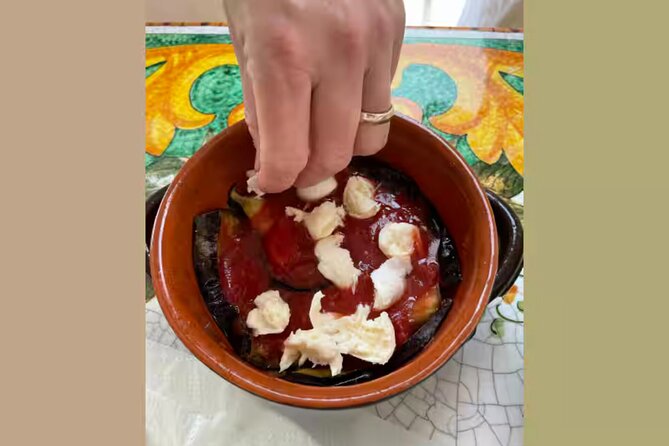
You start at 84017 Positano, SA, Italy, and the experience ends back at the meeting point. In between, you’ll move through three cooking stages, then sit down for the feast.
Here’s how I’d think about the time block when planning your day.
First, you arrive and get oriented. You’ll be in a home setting, so pay attention to where things are stored and how the kitchen works. In small groups, the flow is simple but real: you get tasks, you cook, and you adjust as the cook teaches.
Then comes the starter stage. This is usually where the group settles into the “we’re doing this” mindset. Eggplant parmesan gives you a clear early win—something you can see and smell as it comes together.
After that, you shift to the main: lemon pasta. Pasta work tends to speed things up a bit because timing is everything. This is where you learn why Italian cooking often feels like coordination more than just following steps.
Finally, you wrap with dessert. Tiramisu is a patient finish, and that’s good—by the time you’re done, you’re ready to eat without feeling like you sprinted through the class.
The feast: local wines with what you made
The best cooking classes don’t treat eating like an afterthought. Here, after cooking, it’s time for a feast where you taste everything you prepared.
And yes, local wines are part of the meal. That inclusion matters for value because it turns the experience into a full evening-style dinner, even though it’s only about 3 hours long.
More importantly, the meal is part of the learning loop. You taste your own food while the techniques are still fresh in your mind. That’s when things click: why a sauce tasted a certain way, how sweetness balanced acidity, and what changes you’d make next time at home.
If you’re the type who wants to eat well but also wants to come away with skills, this is the sweet spot.
Small-group teaching and English: a practical combo in Positano
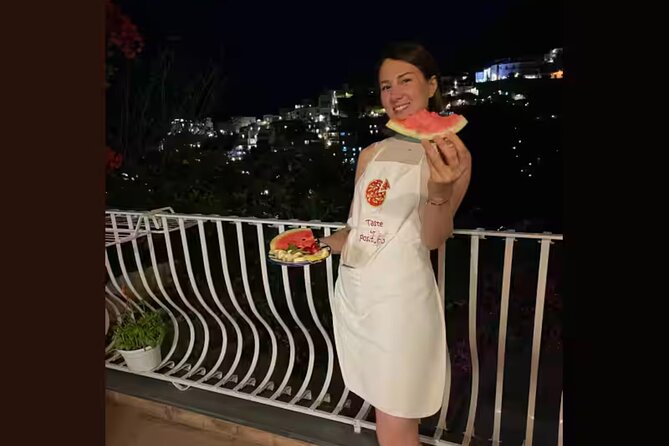
This class runs with a maximum of 6 travelers, and that’s not just a comfort detail. It affects how the whole lesson works.
With a small group, you’re more likely to:
- Get help when a technique feels new
- Hear explanations that match what you’re doing, not what someone else is doing
- Move at a pace that actually works for a home kitchen
The experience is offered in English, which is a big deal in Italy. You want to understand the “why” behind the steps, especially for pasta and dessert, where timing and texture decide the outcome.
Also, the class is near public transportation. That helps if you’re staying in Positano without a car, or if you just don’t want to fight parking and transfers on the day you want to focus on cooking.
Price and value: what you’re really paying for
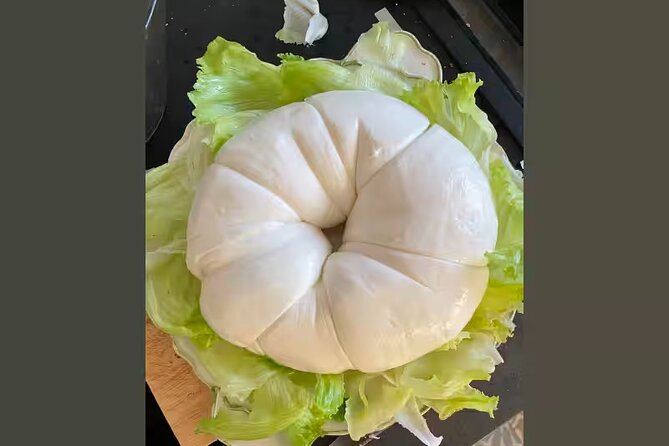
$251.66 per person sounds like a lot until you break down what’s included here. You’re paying for a full, three-course cooking experience in a local home, with instruction from an expert home cook, ingredients you use in the cooking process, and the meal afterward with local wines.
You’re also paying for group size control. In a city like Positano, a class that stays small (up to 6) tends to offer better attention. That’s part of the value, even when nobody says it out loud.
And since you cook three distinct dishes—starter, pasta, dessert—you get more skill variety than you’d typically get from a short demo. If you like learning while you eat, this is the kind of value that actually shows up later when you try making something at home.
One more practical point: the class is booked about 46 days in advance on average. That’s a signal you shouldn’t wait for a last-minute “maybe.” If you’re traveling in peak season, locking in your date early can save you from the common scramble.
Who this cooking class fits best
This experience is a strong match if you want:
- A hands-on food activity instead of another meal on a menu
- A small-group setting with real interaction
- A true taste of regional Italian cooking styles through a starter, pasta main, and dessert
- An English-friendly class in a home environment
It’s also a good choice for couples and solo travelers. Couples often like it because you’re together in the same kitchen tasks. Solo travelers often like it because the small group size keeps things from feeling anonymous.
Where it might not be the best fit is if you’re trying to do everything at full speed that day. Three hours in the kitchen means you’ll sacrifice some free time for browsing or beach hopping. Plan around it, and it becomes one of the best blocks on your itinerary.
Booking it with your brain switched on
Here’s how I’d approach booking so you get the most out of it.
First, pick a day where you’re not rushed afterward. You’ll be eating and likely lingering a bit once you sit down for the feast. Also, you’ll want a calm start so the early-course cooking doesn’t feel like a race.
Second, check your expectations about what you’re getting. This isn’t a watch-and-clip-your-photo moment. You’re there to cook eggplant parmesan, lemon pasta, and tiramisu, then enjoy what you made.
Finally, if you’re sensitive to wine, or you prefer to go light, you can always decide how you pace yourself during the meal. The class includes wine, but you’re not required to turn it into a drinking contest with your apron.
Should you book this Positano cooking class?
I’d book it if you want a memorable Positano food experience that mixes real instruction, a small group, and a full meal with local wines. The three-recipe structure is practical: you learn enough variety to feel like you gained skills, not just ate dinner.
Skip it if you’re only looking for casual sightseeing time and you’d rather be out walking the streets than cooking for a few hours. Also, if you need strict dietary accommodations, confirm details directly before you go—cooking classes rely on the ingredients they have.
If you want one thing that’s both enjoyable and useful, this is it.
FAQ
Where does the cooking class take place?
The class starts in Positano, Italy, at the meeting point listed as 84017 Positano, SA, Italy, and it ends back at the same meeting point.
How long is the class?
It lasts about 3 hours.
What recipes do you make?
You prepare three authentic recipes: Eggplant Parmesan (starter), Lemon Pasta (main), and Typical Tiramisu (dessert).
How many people are in the group?
The group is limited to a maximum of 6 travelers.
Is the class offered in English?
Yes, the experience is offered in English.
What happens after you cook?
After the class, you eat a feast tasting everything you prepared, accompanied by local wines.
Do I get a ticket on my phone?
Yes, it includes a mobile ticket.
How far in advance is it typically booked?
On average, it’s booked 46 days in advance.
What’s the cancellation policy?
Free cancellation is available. You can cancel up to 24 hours in advance for a full refund.
Is it easy to reach without a car?
It’s near public transportation.